


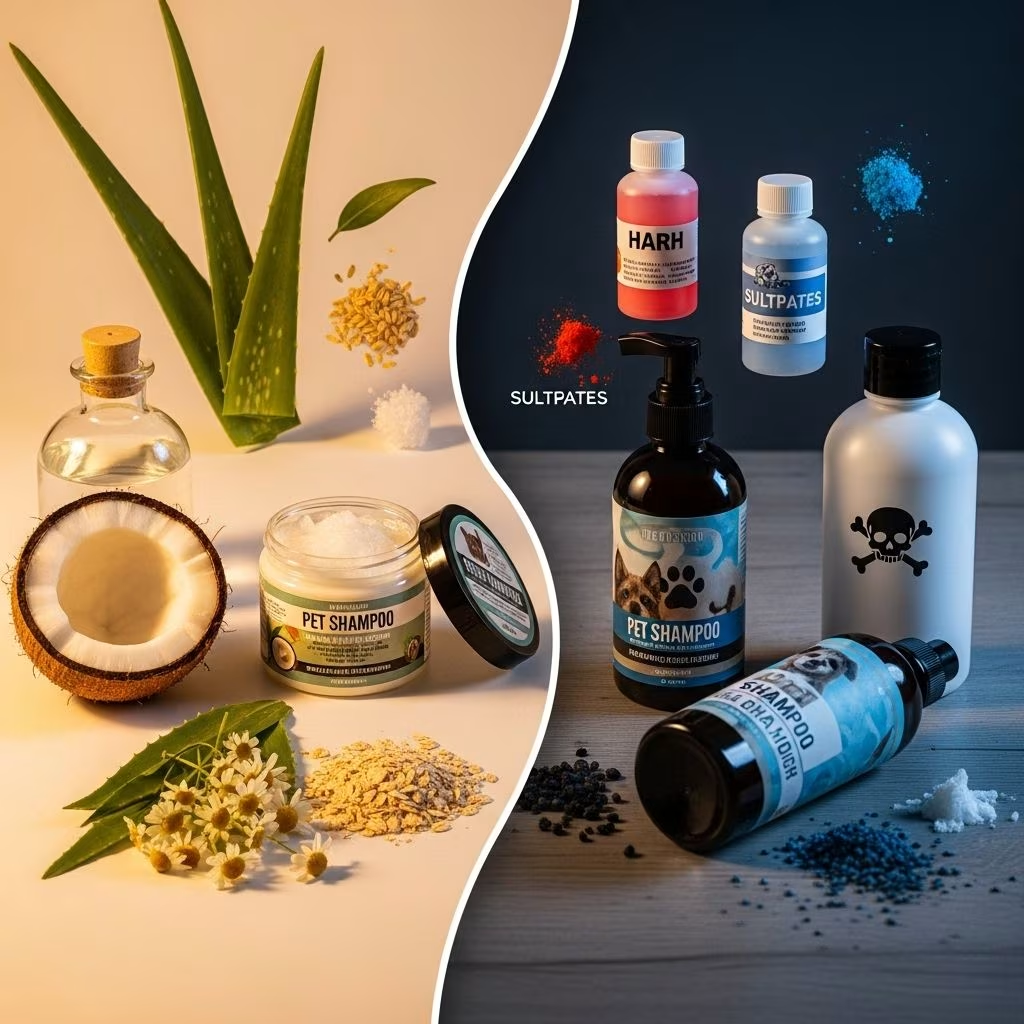
Pet Grooming Product Ingredient Analysis
When it comes to pet care, choosing the right grooming products is crucial for maintaining your pet’s health and well-being. The market is filled with a wide variety of products, each with its own set of ingredients. However, not all ingredients are created equal, and some can be harmful to your pets. In this article, we will delve into the world of pet grooming products, focusing on the best and worst ingredients, how to read labels effectively, and the importance of choosing natural and safe products.
Understanding Pet Grooming Product Ingredients
Pet grooming products include shampoos, conditioners, sprays, and other items designed to clean, moisturize, and protect your pet’s skin and coat. These products often contain a mix of natural and synthetic ingredients. Natural ingredients are generally considered safer and more beneficial, while synthetic ingredients may offer additional benefits but also pose risks.
Best Ingredients in Pet Grooming Products
Here are some of the best ingredients commonly found in pet grooming products:
- Coconut Oil – Known for its moisturizing properties, coconut oil helps hydrate dry skin, relieve itchiness, and improve coat softness and shine.
- Palm-Derived Ingredients – These provide mild cleansing properties while moisturizing the skin, making them suitable for dogs with sensitive skin.
- Oatmeal – Excellent for calming irritation and itching, oatmeal supports moisture retention, promotes healing, and leaves the coat smooth and soothed.
- Aloe Vera – Aloe is renowned for its calming and healing effects. It hydrates the skin, soothes inflammation, and aids in the recovery of minor abrasions.
Worst Ingredients in Pet Grooming Products
Some ingredients, even in products labeled as “natural,” can be harmful to pets. Here are some of the worst offenders:
| Ingredient | Why It’s Harmful |
|---|---|
| Dyes | May cause allergic reactions or long-term skin sensitivities; some contain synthetic chemicals and heavy metals. |
| MEA (Monoethanolamine) | Can disrupt the skin’s natural balance, leading to dryness or irritation, and may form carcinogenic byproducts. |
| DEA (Diethanolamine) | Linked to hormone disruption and cancer risk due to potential chemical reactions. |
| Sulfates (SLS, SLES) | Strip away natural oils, leading to dry, itchy, or inflamed skin; may carry harmful contaminants. |
| Parabens | Under scrutiny for mimicking estrogen and possibly interfering with hormone function; long-term use is especially concerning. |
| Phosphates | Offer no skin benefits and may irritate sensitive dogs; pose an environmental hazard. |
| Alcohol (Isopropyl) | Harsh on skin, stripping moisture and causing irritation; toxic if ingested or absorbed in large amounts. |
| Pyrethrins and Pyrethroids | Overstimulate the nervous system; extremely toxic to cats and can cause symptoms like tremors in dogs. |
| Tea Tree Oil (Melaleuca) | Very toxic to pets if not extremely diluted; can cause severe poisoning leading to liver damage and nervous system issues. |
How to Read Pet Grooming Product Labels
Understanding what goes into pet grooming products requires more than just recognizing key ingredients; it involves reading labels carefully. Here are some tips:
- Look for Transparency – Companies that provide clear and detailed ingredient lists are more trustworthy than those with vague labels or proprietary blends.
- Check Concentration Percentages – Ensure that beneficial ingredients are present in significant amounts, not just tokenistically.
- Avoid Greenwashing – Be wary of products claiming to be “natural” or “organic” without proper certification or clear explanations.
Certified Organic and Vegan Options
Nowadays, many pet owners are opting for certified organic and vegan grooming products. These products are made with sustainable ingredients that are gentler on pets and the environment. Look for certifications like ECOGEA or other reputable eco-labels to ensure the product meets your standards.
Benefits of Natural Ingredients
Natural ingredients not only offer a safer alternative for pets but also contribute to environmental sustainability. They are often biodegradable and free from harsh chemicals, making them a better choice for eco-conscious pet owners.
Frequently Asked Questions (FAQs)
Q: What are some safe ingredients for pets?
Safe ingredients for pets include coconut oil, palm-derived ingredients, oatmeal, and aloe vera. These ingredients are known for their moisturizing and soothing properties.
Q: How do I avoid harmful ingredients in pet grooming products?
To avoid harmful ingredients, read labels carefully, look for transparency, and choose products with natural ingredients. Avoid products containing dyes, MEA, DEA, sulfates, parabens, phosphates, alcohol, pyrethrins, and tea tree oil.
Q: What certifications should I look for in pet grooming products?
Look for certifications like ECOGEA or other reputable eco-labels to ensure the product meets safety and sustainability standards.
Conclusion
Choosing the right pet grooming products is a crucial part of pet care. By understanding the ingredients and their potential risks or benefits, pet owners can make informed decisions that keep their pets healthy and happy. Always opt for products with high concentrations of natural ingredients and avoid harmful additives to ensure your pet’s well-being.
References
- https://www.naturalpetinnovations.com/dog-grooming-products-revealed/
- https://www.doglyness.com/blogs/news/why-natural-isn-t-always-safe-how-to-truly-understand-dog-grooming-product-labels
- https://cerdospets.com/blogs/insights/harmful-ingredients-pet-grooming-products
- https://tailblazerspets.com/blog/2019/06/wash-your-dog-without-harmful-ingredients/
- https://www.grandviewresearch.com/market-trends/pet-grooming-coat-skincare-products-market-regulatory-framework-ingredient-analysis
- https://www.petshampooingredientdatabase.com
- https://groompet.eu/de/blogs/the-groom-room-gazette/how-dog-groomers-can-use-ai-to-evaluate-grooming-shampoos-for-safety-and-effectiveness
- https://nyscc.org/blog/mastering-u-s-pet-care-formulation-understanding-regulations-and-animal-needs/


