


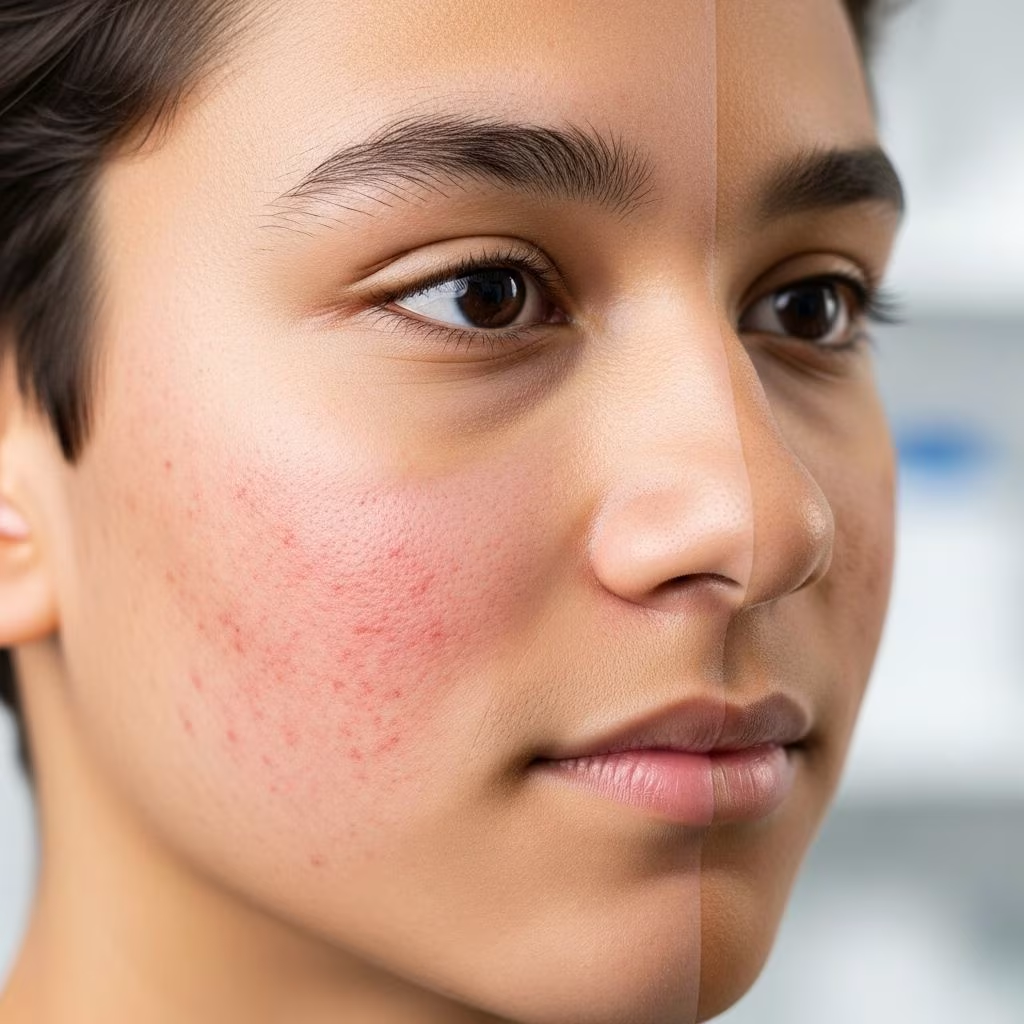
Acne is a common concern in adolescence, but for many teenagers, the challenge doesn’t end when active breakouts subside. Instead, they may be left with skin discoloration in the form of post-inflammatory erythema (PIE) or post-inflammatory hyperpigmentation (PIH). These persistent marks can be distressing, affecting self-esteem and confidence during critical years of development. This guide offers a detailed comparison of PIE and PIH, strategies for accurate identification, and the most up-to-date treatment options tailored for teen skin.
What Are PIE and PIH?
Post-inflammatory erythema (PIE) manifests as pink, red, or purple marks on the skin, caused by dilated or damaged blood vessels following an inflammatory event, most commonly acne. Post-inflammatory hyperpigmentation (PIH), by contrast, presents as brown, gray, or black spots, resulting from excess melanin in response to inflammation .
- PIE: Mostly appears in individuals with lighter skin (Fitzpatrick skin types I-III). Not true scarring, but can persist for months.
- PIH: More common in medium to dark skin (Fitzpatrick types III-VI). May last even longer, especially if not treated or if sun protection is inadequate.
Causes and Risk Factors in Teens
Teens are particularly susceptible to PIE and PIH due to the prevalence of acne during puberty. Skin inflammation, trauma from picking or aggressive acne treatments, and failure to use sun protection are key contributors.
- Inflammatory acne (papules, pustules, cysts)
- Physical manipulation (picking, squeezing, scrubbing)
- Harsh topical agents causing irritation
- Lack of regular sunscreen use
- Darker skin types have increased melanocyte activity, predisposing them to PIH
How to Distinguish PIE and PIH
Because PIE and PIH often coexist and can look similar, correct identification is essential for targeted therapy:
| Type | Appearance | Underlying Cause | Typical Skin Types |
|---|---|---|---|
| PIE | Red, pink, or purple flat spots (blanchable) | Damaged/dilated blood vessels & capillaries | Lighter (I-III) |
| PIH | Brown, gray, or black flat spots (non-blanchable) | Excess melanin production | Darker (IV-VI) |
PIE Treatments for Teens
Effective management of PIE focuses on soothing inflammation and reducing vascular visibility. Evidence-based options include:
- Topical Azelaic Acid (AzA): A 15% AzA gel has demonstrated significant improvement in intensity, size, and number of PIE lesions with minimal adverse effects. In clinical studies, AzA achieved moderate to complete recovery in 73.33% of patients—far superior to placebo .
- Intense Pulsed Light (IPL): IPL targets dilated blood vessels, reducing redness and accelerating skin recovery. In one study, 81.7% of patients with persistent PIE (>6 months) saw partial or complete clearance after several IPL sessions, with minimal side effects .
- Pulsed Dye Laser (PDL): Especially effective for visible red spots, PDL is a gold standard for vascular skin issues, but may be less available or more costly.
- Gentle skin care: Consistent use of mild cleansers, fragrance-free moisturizers, and sunscreen is crucial to support healing and minimize new marks.
Note: Treatments should be tailored according to the teen’s skin type, with professional guidance recommended for device-based therapies.
How IPL Works for Teens
IPL therapy emits broad-spectrum light, absorbed by hemoglobin in blood vessels, reducing redness. Benefits for teens include:
- Minimal downtime and discomfort
- Noticeable improvement after 3–6 sessions
- Prevention of acne relapse in some cases
- Safe when performed by a trained provider
Azelaic Acid at a Glance
- Topical application twice daily on affected areas
- Anti-inflammatory and anti-bacterial properties
- Safe for long-term use in teens, rare irritation or dryness
PIH Treatments for Teens
Treating PIH requires pigment-targeted approaches and patient diligence, especially since spontaneous resolution may take months or years. First-line treatments include:
- Topical Melanin-Inhibitors: Ingredients like hydroquinone (under medical supervision), azelaic acid, kojic acid, niacinamide, and vitamin C help lighten hyperpigmented macules .
- Retinoids (adapalene, tretinoin): Promote cell turnover, fading existing pigment and preventing new marks.
- Chemical Exfoliants (AHA/BHA): Glycolic acid and salicylic acid can gradually lighten dark patches, but must be used with care to avoid irritation.
- Sun Protection: Daily application of broad-spectrum SPF 30+ is mandatory to protect against UV-induced worsening; reapply every 2 hours when outdoors.
- IPL/Laser: While IPL primarily targets redness, some filter settings and Q-switched lasers can address pigment, though greater caution is needed for darker skin to avoid adverse effects.
Best Practices in Topical PIH Management for Teens
- Start with gentle, non-irritating products
- Introduce new actives gradually (every other day)
- Avoid mixing multiple strong actives at once
- Diligently monitor for irritation or allergy
- Hydration and barrier repair reduce risk of relapse
When PIE and PIH Overlap
It’s common for teens to experience both PIE and PIH simultaneously—an inflamed pimple leaves a red mark, which over time becomes brown, especially after sun exposure. In these cases, a multi-targeted approach is essential:
- Use azelaic acid, which addresses both redness and pigment
- Alternate IPL/PDL (for vascular lesions) with pigment-specific topicals
- Always emphasize sun protection
Home Care and Preventive Tips
No matter the treatment, supportive skincare and healthy habits are vital:
- Never pick or pop pimples. This increases risk of both PIE and PIH.
- Apply sunscreen every morning. UV worsens all discoloration and aggravates healing time.
- Use a gentle cleanser and moisturizer. Avoid scrubbing or drying products, which harm the skin barrier.
- Stay patient. Both PIE and PIH fade slowly, even with optimal care—improvement may take several weeks to months.
Treatment Comparison Table
| Treatment | PIE Effectiveness | PIH Effectiveness | Common Side Effects | Typical Use in Teens |
|---|---|---|---|---|
| Azelaic Acid (topical) | High | Moderate-High | Mild irritation, dryness | Daily, easy to use |
| IPL (Intense Pulsed Light) | Very High | Variable | Temporary redness, rare burns | Clinic-only, in series |
| PDL (Pulsed Dye Laser) | Very High | Low | Bruising, rare pigment changes | Clinic-only |
| Hydroquinone (topical) | Not useful | High | Possible irritation, rare ochronosis | Short-term, doctor-supervised |
| Retinoids (topical) | Low | Moderate-High | Irritation, peeling, dryness | At night, gradual |
When to See a Dermatologist
Teenagers should consult a dermatologist if:
- Discoloration does not fade after 6–12 months with diligent home care
- Spots are deeply pigmented, increasing, or associated with scarring
- Past adverse reactions to topical treatments or energy devices
- Desire for advanced procedures (IPL, lasers) that require medical supervision
Frequently Asked Questions (FAQs)
Q: Is PIE permanent in teenagers?
A: No, PIE is not permanent and usually fades over several months. Topical azelaic acid, gentle skin care, and treatments like IPL or PDL can speed up fading .
Q: Can teens treat PIH at home?
A: Mild PIH can be treated at home with topical melanin inhibitors (like azelaic acid, niacinamide, vitamin C) and strict sun protection. Deep, resistant PIH may benefit from professional interventions .
Q: Are there risks to laser or IPL treatments in teens?
A: While IPL and PDL are generally safe when administered by experienced professionals, risks include temporary redness, swelling, and rare pigment changes. They are not recommended for very dark skin types without dermatological assessment.
Q: How important is sunscreen in treating PIE and PIH?
A: Sunscreen is critical—it prevents both the formation and darkening of existing marks, and is essential alongside any topical or clinic-based therapies.
Q: What if discoloration gets worse with treatment?
A: Discontinue any offending product and see a dermatologist immediately. Worsening can occur from irritation, allergy, or inappropriate product use.
References
- Effects of 15% Azelaic Acid Gel in the Management of Post-Inflammatory Erythema and Hyperpigmentation, PMC11116308.
- Intense Pulsed Light Therapy Improves Acne-Induced Post-Inflammatory Erythema and Hyperpigmentation, PMC9110597.
- Post-Inflammatory Erythema vs. Post-Inflammatory Hyperpigmentation — Natural Image Skin Center.
References
- https://pmc.ncbi.nlm.nih.gov/articles/PMC11116308/
- https://pmc.ncbi.nlm.nih.gov/articles/PMC9110597/
- https://naturalimageskincenter.com/post-inflammatory-erythema-vs-post-inflammatory-hyperpigmentation/
- https://www.scirp.org/pdf/jcdsa_2023122815382371.pdf
- https://kravebeauty.com/blogs/skincare-101/acne-series-pih-pie-and-acne-scars
- https://www.youtube.com/watch?v=KtmmIacZGkY
- https://cliffordclinic.com/is-it-acne-marks-or-acne-scars-heres-how-to-treat-both/


