


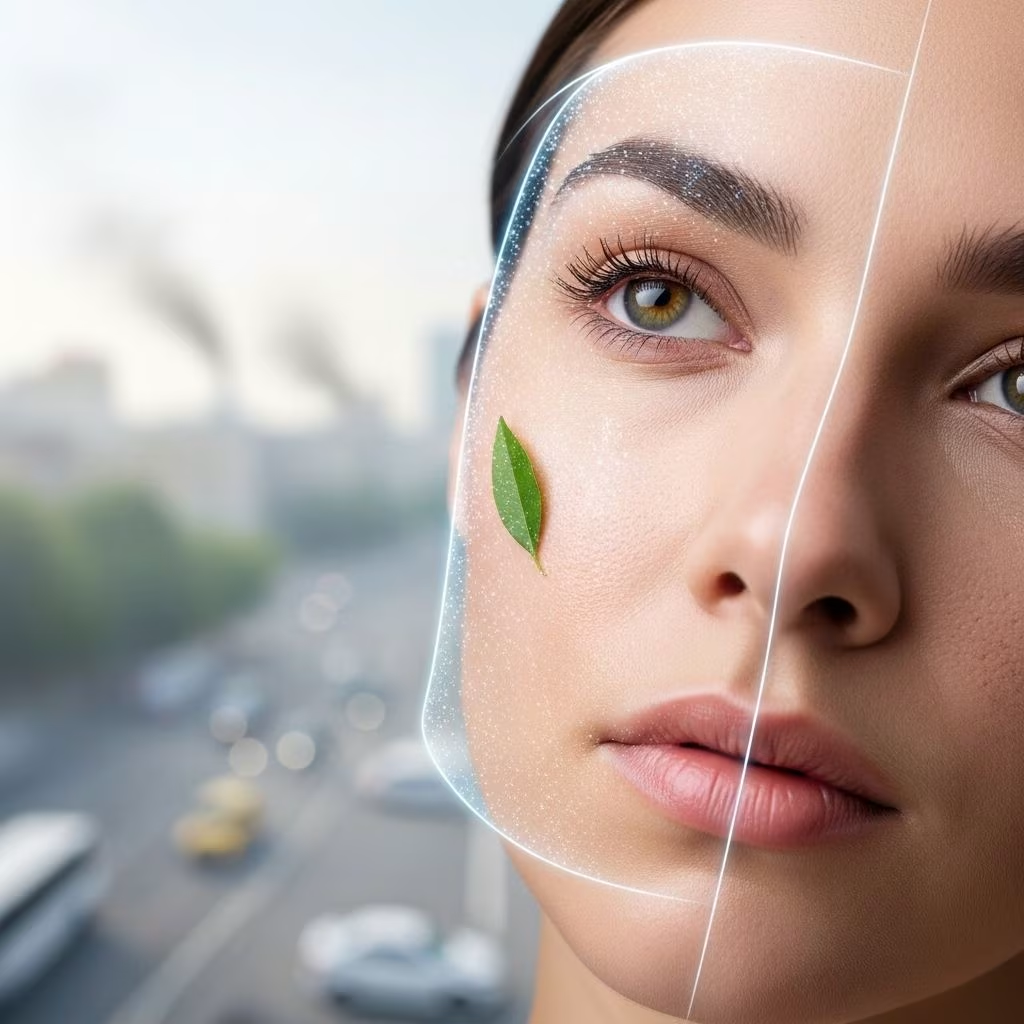
Pollution Effects on Skin: Protection & Anti-Aging
In the 21st century, air pollution has become a significant environmental and public health concern, impacting not only respiratory and cardiovascular systems but also our body’s largest organ—the skin. As both a shield and target, the skin faces relentless exposure to airborne pollutants and harmful chemicals, accelerating aging and triggering a range of disorders. This extensive guide explores the scientific mechanisms through which pollution affects the skin, the resulting health outcomes, and modern protection and anti-aging solutions tailored for urban living.
Overview: Air Pollution and the Skin
Air pollution consists of a complex mixture of particulate matter (PM2.5, PM10), polycyclic aromatic hydrocarbons (PAHs), volatile organic compounds (VOCs), gases like nitrogen oxides and ozone, heavy metals, and even cigarette smoke. All these pollutants impact the skin as its open surface faces direct environmental contact.
- Particulate Matter (PM): Small airborne particles that can infiltrate pores and skin layers, causing inflammation.
- PAHs: Chemicals from combustion (vehicle exhaust, industrial emissions) contributing to increased pigmentation and carcinogenesis.
- VOC and gases: Disrupt skin barrier function and trigger allergic or inflammatory reactions.
- Ozone & UV: Interact, further amplifying oxidative damage and cellular stress.
Biological Mechanisms: Pollution’s Pathways to Skin Damage
Pollutants exert harmful effects by initiating oxidative stress and inflammation, overwhelming the skin’s native antioxidant and defense mechanisms.
- Oxidative Stress: Excess generation of reactive oxygen species (ROS) depletes antioxidants like vitamin E, vitamin C, and glutathione.
- Inflammatory Cascade: Pollutants trigger release of pro-inflammatory mediators (cytokines), attracting immune cells (neutrophils, phagocytes) that generate further free radicals.
- Cellular Signaling Disruption: Activation of transcription factors (AP-1, NF-kB) and signaling kinases alters gene expression, encourages collagen breakdown, and impairs cell repair.
- Barrier Dysfunction: Breakdown of lipid membranes leads to increased permeability and vulnerability to pathogens and allergens.
Overall, these mechanisms synergize, creating a feedback loop that weakens the skin’s resistance to damage, accelerates aging, and fuels disease development.
Clinical Effects: Diseases and Aging Signs Caused by Pollution
Both acute and chronic exposure to environmental pollutants can instigate or worsen several dermatological conditions:
- Premature Aging: Pollution accelerates the development of wrinkles, fine lines, age spots, and loss of skin elasticity.
- Hyperpigmentation: PAHs and UV interact to increase melanogenesis, leading to dark facial spots (lentigines).
- Inflammatory Dermatitis: Atopic dermatitis and contact dermatitis are aggravated as pollutants disrupt barrier integrity and immune responses.
- Acne: Smog and particle buildup in pores disrupt the microbiome, creating environments for acne-causing bacteria.
- Psoriasis & Eczema: Inflammatory chemicals exacerbate these chronic conditions.
- Skin Cancer: Long-term exposure increases mutation risk, with chemical and UV pollutants acting as carcinogens.
- Hair Loss: Chronic inflammation and microvascular damage may contribute to scalp disorders and hair thinning.
Table: Common Pollutants & Their Dermatological Impacts
| Pollutant | Skin Impact | Associated Conditions |
|---|---|---|
| Particulate Matter (PM2.5, PM10) | Inflammation, barrier disruption | Acne, dermatitis, eczema, aging |
| PAHs | Pigmentation, ROS generation | Lentigines, cancer, acneiform eruptions |
| Ozone | Oxidative stress, lipid peroxidation | Wrinkles, dryness, sensitivity |
| Volatile Organic Compounds | Altering immune response | Atopic dermatitis |
| Heavy Metals | Genotoxicity | Mutation, cancer risk |
| Cigarette Smoke | Premature aging, increased inflammation | Psoriasis, acne, cancer |
Micobiome & Skin Barrier: Loss of Balance in Polluted Environments
The skin microbiome—comprising bacteria, fungi, and viruses—plays a pivotal role in maintaining skin health, immunity, and barrier function. Pollution disrupts the delicate balance and diversity of these microorganisms, facilitating the growth of pathogenic species and reducing resilience to irritants and infections. Furthermore, air pollutant particles can lodge within pores, trapping bacteria and worsening acne-prone skin. Barrier breakdown increases permeability, making skin more vulnerable to allergens, pathogens, and environmental toxins.
- Disrupted Microbiome: Overgrowth of harmful bacteria; increased acne, sensitivity, and infection risk.
- Barrier Weakening: Reduced lipid layer; easier penetration by toxins and allergens.
Long-Term Impact: Cumulative Damage and Skin Aging
While the immediate effects of pollution are often visible as dryness, irritation, or flare-ups of chronic conditions, the cumulative long-term impact is especially concerning:
- Extrinsic Aging: Pollution-induced oxidative damage is a primary factor in extrinsic aging—age-related changes triggered by external factors—leading to wrinkles, sagging, and pigment spots.
- DNA & Cellular Damage: Free radicals and chemicals induce genetic mutations, increasing cancer risk and impairing repair mechanisms.
- Chronic Inflammation: Persistent exposure keeps skin in an inflamed state, exhausting repair capacity and leading to visible aging and chronic diseases.
- Moisture Loss: Reduced barrier function accelerates dehydration, dryness, and flakiness.
- Synergy with Lifestyle: Diet, indoor pollution, and workplace exposures add to total skin burden, intensifying damage over decades.
Protection: Daily Strategies for Healthy Skin
While eliminating exposure may be unrealistic, adopting robust protection routines can minimize damage, maintain barrier integrity, and bolster skin resilience:
- Physical Barriers: Use of broad-spectrum sunscreens, hats, and protective clothing limits particulate deposition and UV-triggered damage.
- Antioxidant Skincare: Topical antioxidants (vitamin C, vitamin E, niacinamide, resveratrol) mitigate oxidative stress, neutralize free radicals, and support skin repair.
- Gentle Cleansing: Regular, gentle cleansing removes pollutant particles without stripping natural oils or disturbing the microbiome.
- Moisturization: Hydration supports barrier function and compensates for pollutant-driven moisture loss.
- Pollution-Specific Formulations: Seek products labeled for urban protection; these may include polymers, barrier-repair agents, and targeted antioxidants.
- Indoor Air Quality: Use air purifiers, maintain clean living spaces, and ventilate frequently to reduce indoor pollutant concentrations.
- Dietary Support: Diets rich in antioxidants (fruits, vegetables, nuts) can provide systemic support against environmental stressors.
Anti-Aging: Science-Backed Solutions to Pollution
The foundation of anti-aging care in polluted environments lies in tackling oxidative stress and supporting cell regeneration. Consider these key approaches:
- Retinoids (Vitamin A derivatives): Stimulate cell turnover, repair photoaged and polluted skin.
- Peptides & Growth Factors: Support collagen synthesis, strengthen dermal layers, and counteract pollutant-induced breakdown.
- DNA Repair Enzymes & Extracts: Advanced formulations (ferulic acid, DNA-repair enzymes) can help fix pollutant-induced cellular damage.
- Regular Exfoliation: Aids in removing particulate deposition, preventing pore clogging and promoting a radiant surface.
- Professional Treatments: Dermal therapies including light-based procedures and medical facials can reverse pollutant signs and rejuvenate the skin.
- Lifestyle Measures: Minimizing smoking, optimizing sleep, and managing systemic inflammation all contribute to healthier, younger-looking skin.
Quick Checklist: Anti-Pollution Skincare Routine
- AM Cleanser (gentle, sulfate-free)
- Antioxidant serum (vitamin C, niacinamide)
- Moisturizer (barrier-supportive ingredients)
- Sunscreen (broad-spectrum, SPF 30+)
- PM Cleanser
- Retinoid or peptide serum
- Night moisturizer
Expert Tips: Dermatologist-Approved Advice
- “Cleanse your skin nightly to remove particulate pollution and maintain healthy microbiome balance.”
- “Use antioxidants both topically and in your diet to reinforce natural defenses.”
- “Never skip sunscreen—even on cloudy days, as UV interacts with airborne pollutants to multiply skin damage.”
- “If you live in a high-pollution zone, consider specialized urban skincare formulations.”
Frequently Asked Questions (FAQs)
Q: Can pollution really age my skin faster?
A: Yes. Scientific studies confirm pollution accelerates skin aging by creating free radicals, depleting antioxidants, and breaking down collagen.
Q: What type of pollution is most harmful?
A: Particulate matter (PM), PAHs, and ozone are particularly damaging to skin barrier and aging processes.
Q: Are anti-pollution skincare products effective?
A: Many offer protective barriers or antioxidants. Choose those with backed ingredients (like vitamin C, E, niacinamide) and avoid excessive fragrances or irritants.
Q: Do indoor air pollutants impact skin?
A: Yes. Dust, tobacco smoke, and VOCs inside homes contribute to similar stresses as outdoor pollution.
Q: Is it possible to reverse pollution-induced aging?
A: While some effects can be mitigated or reversed (wrinkle reduction, improved texture), prevention and consistent care remain crucial to long-term outcomes.
Final Thoughts
Air pollution dramatically impacts skin health, accelerating aging and triggering a spectrum of disorders. By remaining informed, carefully selecting skincare strategies, and optimizing behavioral choices, individuals can dramatically reduce risks and maintain a healthier, more youthful complexion in 21st-century environments.
References
- https://airly.org/en/how-does-air-pollution-affect-your-skin/
- https://www.ajmc.com/view/skin-diseases-and-aging-linked-to-air-pollution
- https://ijdvl.com/effects-of-air-pollution-on-the-skin-a-review/
- https://pmc.ncbi.nlm.nih.gov/articles/PMC6766865/
- https://pmc.ncbi.nlm.nih.gov/articles/PMC10341863/
- https://jamanetwork.com/journals/jamanetworkopen/fullarticle/2821171


