


Understanding Pregnancy Skin Changes
Pregnancy is a time of remarkable changes—not only for your body, but also for your skin. Hormonal shifts, increased blood flow, and other physiological adjustments can lead to a variety of skin concerns, including:
- Acne: Increased androgen levels can boost oil production, making breakouts more common, especially in the first trimester.
- Dryness and Sensitivity: Many expectant mothers notice their skin becomes drier, itchier, and more sensitive to products they previously tolerated.
- Hyperpigmentation: Melasma, or the “pregnancy mask,” may appear as dark patches, driven by heightened melanin production.
- Stretch Marks: As the belly expands, the skin stretches, which can lead to visible marks, particularly in the second and third trimesters.
These changes are normal and vary from person to person. The key is adapting your skincare routine to be both effective and safe for you and your baby.
Safe Ingredients for Pregnancy
Not all skincare ingredients are considered safe during pregnancy. Consulting your healthcare provider before introducing new products is always recommended. Here’s a breakdown of commonly accepted ingredients and those to avoid or use with caution:
Pregnancy-Safe Ingredients
- Lactic Acid: A gentle exfoliant that hydrates and helps with pigment issues.
- Glycolic Acid: Can be used in moderation for mild exfoliation but may need to be reduced if skin becomes too dry.
- Squalane, Hyaluronic Acid, and Ceramides: Excellent for hydration and barrier repair.
- Niacinamide: Helps with inflammation, pigmentation, and hydration.
- Vitamin C (L-Ascorbic Acid): Safe for brightening and antioxidant protection.
- Allantoin and Panthenol: Soothe sensitive or irritated skin.
Ingredients to Avoid or Use with Caution
- Retinoids (Retinol, Tretinoin): These are generally not recommended due to potential risks.
- High-Dose Salicylic Acid: Avoid chemical peels and high concentrations; low-dose in cleansers or toners is usually considered safe.
- Essential Oils: Some can be irritating or hormonally active; consult your provider before use.
- Hydroquinone: Used for hyperpigmentation but often advised against during pregnancy.
Skincare Layering Basics
Layering skincare means applying your products in the optimal order for maximum absorption and efficacy. The golden rule is to go from thinnest (water-based, fast-absorbing) to thickest (oil-based, occlusive) textures. This approach helps products penetrate effectively and prevents heavier products from blocking lighter ones.
- Start with Clean Skin: Always begin with a gentle cleanser suited to your skin type.
- Toners and Essences: Lightweight, hydrating layers prepare the skin for subsequent products.
- Serums and Treatments: Active ingredients like antioxidants and exfoliants are most effective here.
- Moisturizers: Lock in hydration and repair your skin barrier.
- Oils: Optional final layer to seal everything in and add extra nourishment.
- Sunscreen: Always the final step in your morning routine, even if it’s cloudy.
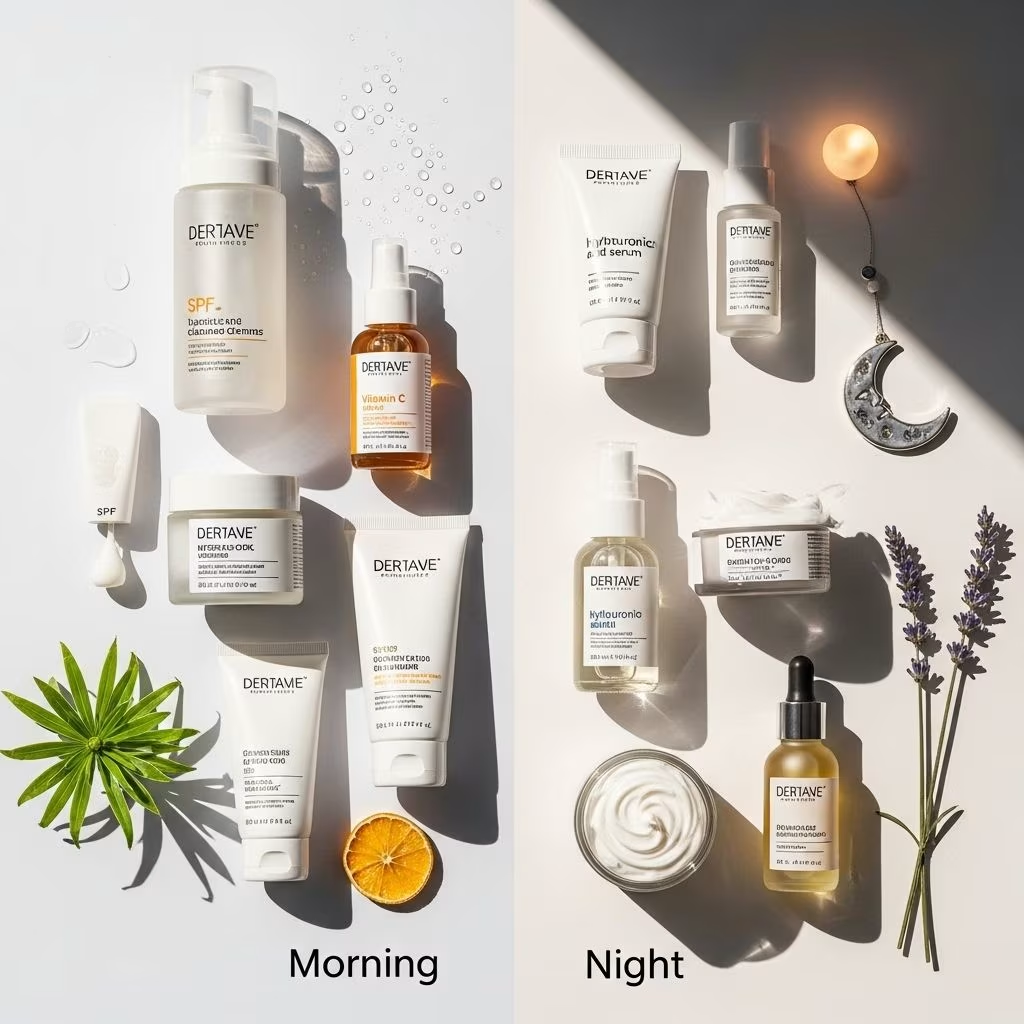
Morning Skincare Layering Routine
A morning skincare routine primes your skin for the day and provides essential protection:
Step-by-Step Morning Routine
- Cleanse: Use a gentle, pregnancy-safe cleanser to remove sweat, oil, or residue. If your skin feels dry, you may even skip cleansing in the morning and just rinse with water.
- Tone: Apply a hydrating toner or essence. For oily or combination skin, consider an alcohol-free toner with gentle exfoliants like willow bark extract.
- Hydrate and Treat: Layer a hyaluronic acid serum or mist for immediate hydration.
- Active Treatments: Use safe actives (e.g., vitamin C, niacinamide, or lactic acid) as needed for pigmentation or acne.
- Moisturize: Select a moisturizer based on your skin type. Gel-based for oily, cream for dry, or a soothing balm for sensitive skin.
- Oil (Optional): A few drops of a pregnancy-safe facial oil can be massaged in last if needed for additional nourishment—unless using sunscreen.
- Sunscreen: Finish with a broad-spectrum, mineral-based sunscreen. Sun protection is crucial, especially as pigmentation concerns can worsen with UV exposure.
Nighttime Skincare Layering Routine
Nighttime is your skin’s chance to repair and renew. Here’s how to layer effectively:
Step-by-Step Nighttime Routine
- Double Cleanse: Start with an oil-based cleanser or balm to remove sunscreen and makeup, followed by a gentle water-based cleanser.
- Tone: Hydrating toner or essence to rebalance pH and prep skin.
- Treat: Apply serums with safe active ingredients like lactic acid, peptides, or soothing botanicals.
- Moisturize: Choose a richer night cream or balm to support overnight repair.
- Oil or Sleeping Mask (Optional): For extra dryness or sensitivity, a nourishing oil or mask can provide deep hydration and comfort while you sleep.
Special Considerations for Different Skin Types
Pregnancy can shift your skin type, so flexibility is key. Here’s how to adjust your layering for common concerns:
| Skin Type | Product Recommendations | Key Tips |
|---|---|---|
| Oily/Acne-Prone | Lightweight gel cleanser, BHA toner (low dose), gel moisturizer | Avoid over-drying; use non-comedogenic, soothing products |
| Dry/Sensitive | Creamy cleanser, hyaluronic acid, ceramide creams, facial oil | Layer hydrating serums under richer creams; avoid harsh exfoliants |
| Combination | Balanced cleanser, hydrating toner, targeted treatments, lightweight moisturizer | Adjust layers based on areas—lighter where oily, richer where dry |
| Hyperpigmentation Prone | Vitamin C serum, azelaic acid (if approved by provider), daily sunscreen | Avoid hydroquinone; prioritize gentle brightening and sun protection |
Diagram: Layering Skincare Products for Pregnancy
(Apply from Thinnest to Thickest) 1. Cleanser 2. Toner / Essence 3. Serum / Treatment (e.g., Vitamin C, Niacinamide) 4. Moisturizer 5. Facial Oil (optional) 6. Sunscreen (morning only)
Common Mistakes to Avoid
- Over-Exfoliating: Pregnancy skin is often more sensitive—limit exfoliation to once or twice a week, and choose gentle acids.
- Skipping Sunscreen: UV exposure worsens pigmentation—never skip this step, even indoors.
- Using Unsafe Ingredients: Always check product labels for retinoids, high-dose salicylic acid, and other potentially risky ingredients.
- Overcomplicating the Routine: Stick to the basics. More products don’t always mean better results.
- Ignoring Sensitivity: If a product stings or irritates, stop using it and consult your provider.
Product Recommendations
Choose products from reputable brands that clearly state pregnancy-safe formulations. Look for hypoallergenic, fragrance-free, and dermatologist-tested options. Here are some general suggestions:
- Cleansers: Squalane and amino acid-based cleansers, gentle oil balms.
- Toners: Alcohol-free, with hyaluronic acid or lactic acid for hydration and gentle exfoliation.
- Serums: Vitamin C (L-ascorbic acid), niacinamide, hyaluronic acid, and peptides.
- Moisturizers: Rich creams with omega fatty acids, ceramides, or probiotic gels for balance.
- Oils: Jojoba, squalane, or rosehip oil for nourishment and sealing moisture.
- Sunscreens: Mineral (zinc oxide or titanium dioxide) sunscreens without chemical filters.
Always consult your healthcare provider before starting new products, especially if you have a history of sensitive skin, allergies, or specific medical conditions.
Frequently Asked Questions (FAQs)
Q: Can I use retinol during pregnancy?
A: Retinol and other retinoids are generally not recommended during pregnancy due to potential risks. Consult your healthcare provider for alternatives.
Q: Is it safe to use glycolic acid while pregnant?
A: Glycolic acid is considered safe in low concentrations and when used in moderation. If you notice increased dryness or sensitivity, reduce frequency.
Q: How do I know if a product is pregnancy-safe?
A: Look for brands that clearly label products as pregnancy-safe, and check ingredient lists for retinoids, high-dose salicylic acid, and hydroquinone. When in doubt, consult your healthcare provider.
Q: Should I change my skincare routine during pregnancy?
A: Yes, pregnancy often changes your skin’s needs. You may need to switch to gentler, more hydrating products and avoid certain ingredients. Listen to your skin’s cues.
Q: How can I prevent hyperpigmentation during pregnancy?
A: Use broad-spectrum sunscreen daily, avoid sun exposure, and consider gentle brightening ingredients like vitamin C and niacinamide. Always consult your provider before starting new treatments.
Q: What should I do if my skin becomes very sensitive during pregnancy?
A: Simplify your routine, avoid fragrances and harsh actives, and use soothing, hydrating products. Patch test new products, and stop using anything that causes irritation.
Conclusion
Pregnancy is a transformative journey, and your skin may need extra attention and care. By understanding how to safely and effectively layer your skincare, you can address common concerns—acne, dryness, sensitivity, and hyperpigmentation—while prioritizing safety for you and your baby. Focus on gentle, pregnancy-safe ingredients, follow the “thin to thick” layering rule, and always consult your healthcare provider with any questions. Remember: this time is temporary, but healthy habits can make a lasting difference for your skin’s resilience and radiance.
References
- https://www.biossance.com/blog/skincare-layering-guide/
- https://www.beautyshamans.com/blogs/skinfo/pregnancy-skincare-guide
- https://perelelhealth.com/blogs/news/pregnancy-skincare-routine
- https://www.harpersbazaar.com/uk/beauty/skincare/a42682/pregnancy-skincare-guide/
- https://www.thebump.com/a/pregnancy-safe-skin-care-products
- https://skinthusiast.com/skin/pregnancysafeskincare
- https://asianbeautyessentials.com/blogs/the-idol-beauty-blog/pregnancy-safe-skincare
- https://www.paulaschoice-eu.com/pregnancy-skincare


