


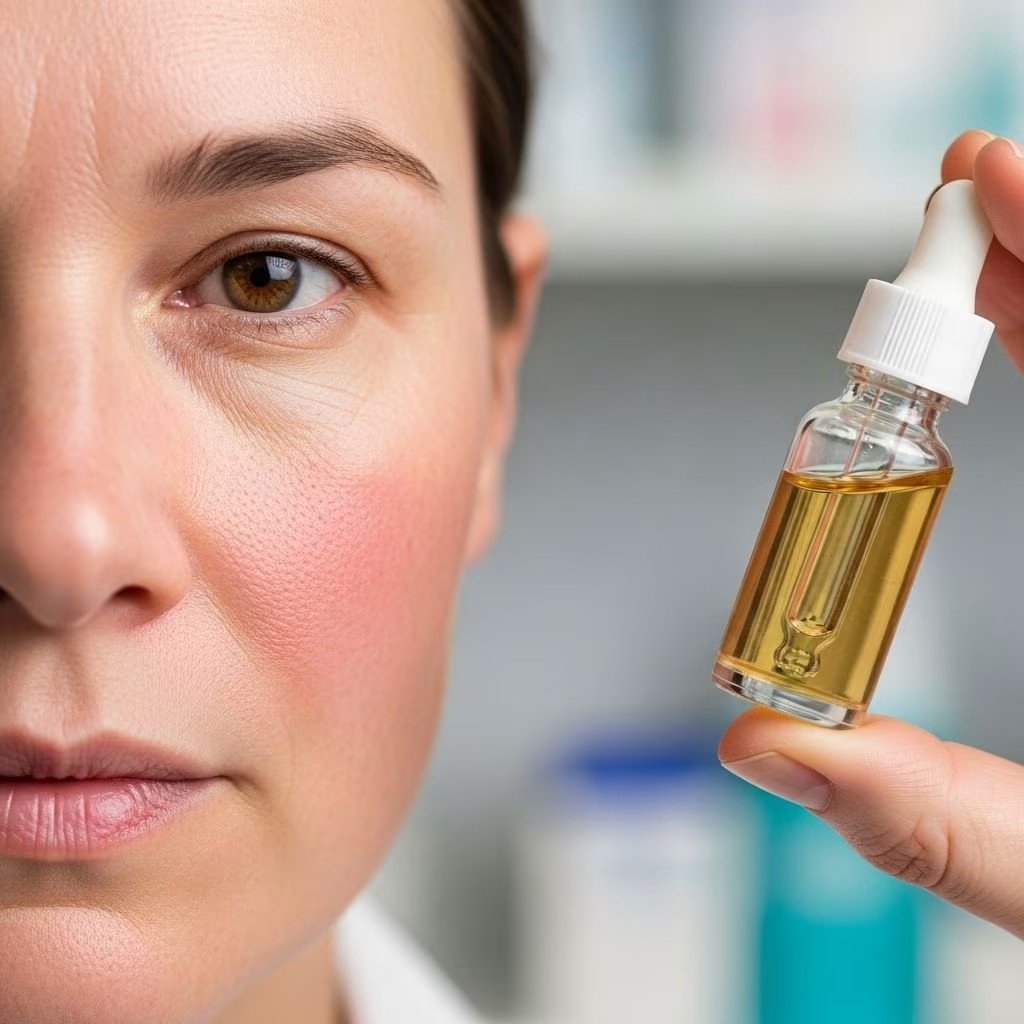
Rosacea is a chronic, often misunderstood skin disorder marked by facial redness, visible blood vessels, and sometimes acne-like bumps and pustules. Effective management frequently requires personalized medical interventions, and recent advances have diversified prescription options. This article provides an evidence-based, thorough breakdown of prescription therapies for rosacea, discussing their mechanisms, formats, clinical effectiveness, potential side effects, and important considerations for patients.
About Rosacea
Rosacea affects roughly 16 million Americans, and its symptoms can range widely from mild facial flushing to persistent redness, bumps, and visible blood vessels. If unmanaged, it can cause physical discomfort and substantial psychosocial stress. The condition is not curable but can be controlled through targeted interventions, lifestyle modifications, and medical therapy.
Main Rosacea Subtypes
- Erythematotelangiectatic rosacea: Persistent redness and visible blood vessels.
- Papulopustular rosacea: Acne-like breakouts (bumps and pustules).
- Phymatous rosacea: Skin thickening, especially on the nose.
- Ocular rosacea: Eye irritation, redness, or swelling.
Prescription Treatment Overview
Physicians select prescription treatments based on rosacea subtype and symptom severity. Medications target:
- Inflammation and pimples
- Redness and flushing (vasodilation)
- Demodex mite infestation
Therapies include topical creams/gels and oral medications. Sometimes a combination is ideal for comprehensive control.
Topical Prescription Options
Key Topical Medications
| Medication | Main Action | Formats | Main Indications | Notes |
|---|---|---|---|---|
| Metronidazole (Metrogel) | Antibiotic, anti-inflammatory | Cream, gel, lotion | Papules and pustules | Often first-line; low cost |
| Azelaic Acid (Azelex, Finacea) | Antibacterial, anti-inflammatory | Gel, foam | Bumps and redness | Mild irritation possible; similar efficacy as metronidazole |
| Ivermectin (Soolantra) | Antiparasitic, anti-inflammatory | Cream | Papules, pustules, mites | Demodex mite reduction; substantial improvement in studies |
| Brimonidine (Mirvaso) | Alpha-agonist, vasoconstrictor | Gel | Persistent redness | Effect within 3–6 hours; temporary impact |
| Oxymetazoline (Rhofade) | Alpha-agonist, vasoconstrictor | Cream | Persistent redness | 12 hours effectiveness; may need insurance appeal |
| Sodium Sulfacetamide/Sulfur | Antibacterial, anti-inflammatory | Cream, gel, cleanser | Bumps, inflammation | Multi-format options; insurance-dependent |
| Encapsulated Benzoyl Peroxide (Epsolay) | Antibacterial, gentle exfoliant | Cream (5%) | Papules, pustules | Less irritation than traditional benzoyl peroxide |
| Minocycline (Zilxi) | Antibiotic, anti-inflammatory | Foam | Papules, pustules | May require insurance advocacy |
Medication Mechanisms
- Antibiotics: Metronidazole, minocycline (foam), and sodium sulfacetamide work by minimizing inflammatory processes and reducing microbe load.
- Alpha-adrenergic agonists: Brimonidine and oxymetazoline constrict superficial blood vessels, reducing redness and flushing.
- Antiparasitic agents: Ivermectin targets Demodex mites, which are implicated in rosacea pathogenesis.
- Benzoyl peroxide: The encapsulated form (Epsolay) is formulated specifically for rosacea to limit irritation while reducing inflammation and controlling breakouts.
Topical Application Considerations
- Apply prescribed gels and creams as directed—generally once or twice daily, or as indicated.
- Avoid contact with eyes, lips, and mucous membranes to prevent irritation.
- Many patients need to use sunscreen because topical medications can increase photosensitivity.
- Results often require several weeks; patience is key.
- Combination of topical agents may offer best overall control, but clinicians tailor regimens to individual skin response.
Oral Prescription Options
For moderate to severe rosacea—especially with persistent bumps and inflammation—oral drugs may be indicated, either alone or with topical therapies.
Common Oral Medications
- Doxycycline (Oracea): Low-dose antibiotic with anti-inflammatory effects. Used especially for papulopustular rosacea; extended-release capsules are available.
- Minocycline: Another tetracycline-class oral antibiotic used for persistent bumps.
- Isotretinoin (Amnesteem, Claravis): Reserved for severe, resistant rosacea. Powerful retinoid also used for cystic acne. Not for use in pregnancy due to significant risk of birth defects.
Oral Medications Comparison Table
| Medication | Main Action | Dosing | Indications | Important Safety Considerations |
|---|---|---|---|---|
| Doxycycline | Antibiotic, anti-inflammatory | 40 mg extended-release, once daily | Moderate to severe bumps/pustules | Risk of GI upset, photosensitivity |
| Minocycline | Antibiotic, anti-inflammatory | 40 mg extended-release, once daily | Similar use to doxycycline | Potential for dizziness, pigment changes |
| Isotretinoin | Anti-acne, anti-inflammatory | Variable dose, supervised prescription | Severe, refractory rosacea | Strict pregnancy prevention required; multiple side effects |
Oral Therapy Considerations
- Oral antibiotics are generally for short-term use unless prescribed at sub-antimicrobial doses for maintenance.
- Isotretinoin is reserved for aggressive rosacea unresponsive to all other treatments, with special monitoring requirements.
- Side effects are more common than with topicals; discuss any issues or interactions with your physician.
Combination and Special Use Therapies
Many dermatologists recommend combining different medications to address multiple symptoms—such as redness and acne-like breakouts—in parallel. Combinations may involve:
- Topical anti-redness agents (e.g., brimonidine, oxymetazoline) plus topical or oral antibiotics.
- Sequential use for special events (temporary redness reduction).
Some patients also benefit from adjunctive light-based therapies and lifestyle changes, but prescription medications are foundational for most cases.
How Prescription Treatments Are Chosen
Clinicians select medications based on:
- Rosacea subtype and symptom profile
- Severity and treatment history
- Side effect risk and patient tolerance
- Insurance coverage and availability
- Patient goals and concerns
Trial-and-error is sometimes necessary, with regular follow-up to optimize outcomes.
Side Effects and Safety
While prescription therapies are generally safe, side effects do occur:
- Topical agents: Skin irritation, dryness, mild burning or stinging. Rare allergic reactions.
- Oral antibiotics: Gastrointestinal distress (nausea, diarrhea), photosensitivity (risk of sunburn), and—less commonly—dizziness or changes in pigmentation.
- Isotretinoin: Dryness of skin and lips, muscle aches, elevated blood lipids, psychiatric effects, and severe risk in pregnancy.
- Alpha-agonists: Overuse may paradoxically worsen redness. Use only as prescribed.
Always discuss allergies, pregnancy, and concurrent medical conditions with your healthcare provider to ensure safe prescription selection.
Frequently Asked Questions (FAQs)
Q: How quickly do prescription rosacea treatments work?
A: Results from topical medications (e.g., metronidazole, azelaic acid) may appear in 2 to 6 weeks. Anti-redness gels (brimonidine, oxymetazoline) work within hours, but their effects are temporary. Ivermectin may require a few months for optimal improvement but tends to maintain results longer.
Q: Can I use makeup or moisturizers with my prescriptions?
A: Yes, non-comedogenic and gentle skin care products are safe once the prescription medication has been absorbed. Avoid harsh ingredients that may interact or increase irritation.
Q: Are these medications safe for long-term use?
A: Most topical treatments (metronidazole, azelaic acid, ivermectin) can be used long term under clinical supervision. Oral antibiotics are usually for short-term flares or low-dose maintenance therapy. Isotretinoin requires close monitoring for adverse effects and is generally reserved for severe, resistant cases.
Q: What should I do if a treatment causes side effects?
A: Stop using the medication and contact your physician. Mild irritation often resolves, but persistent side effects warrant switching therapies or adjusting the dosing schedule.
Q: Does insurance cover rosacea prescription medications?
A: Many first-line options (metronidazole, doxycycline) are covered, but others (brimonidine, oxymetazoline, ivermectin) often require appeals or prior authorization. Your healthcare provider can assist with this process.
Conclusion
Modern prescription treatments for rosacea have expanded significantly, enabling tailored, effective management for various skin symptoms. Topical therapies remain pivotal for most cases, complemented by oral options when warranted. Patient education, adherence to application guidelines, and partnership with a dermatologist yield the best long-term control and improve quality of life for rosacea sufferers.
References
- https://www.goodrx.com/conditions/rosacea/the-latest-in-rosacea-5-treatments-to-help-end-redness-and-pimples
- https://www.rosacea.org/patients/management-options/fda-approved-rosacea-treatments
- https://www.ncbi.nlm.nih.gov/books/NBK279475/
- https://www.mayoclinic.org/diseases-conditions/rosacea/diagnosis-treatment/drc-20353820
- https://www.goodrx.com/conditions/rosacea/drugs
- https://www.aad.org/public/diseases/rosacea/treatment/diagnosis-treat
- https://my.clevelandclinic.org/health/diseases/12174-rosacea


