


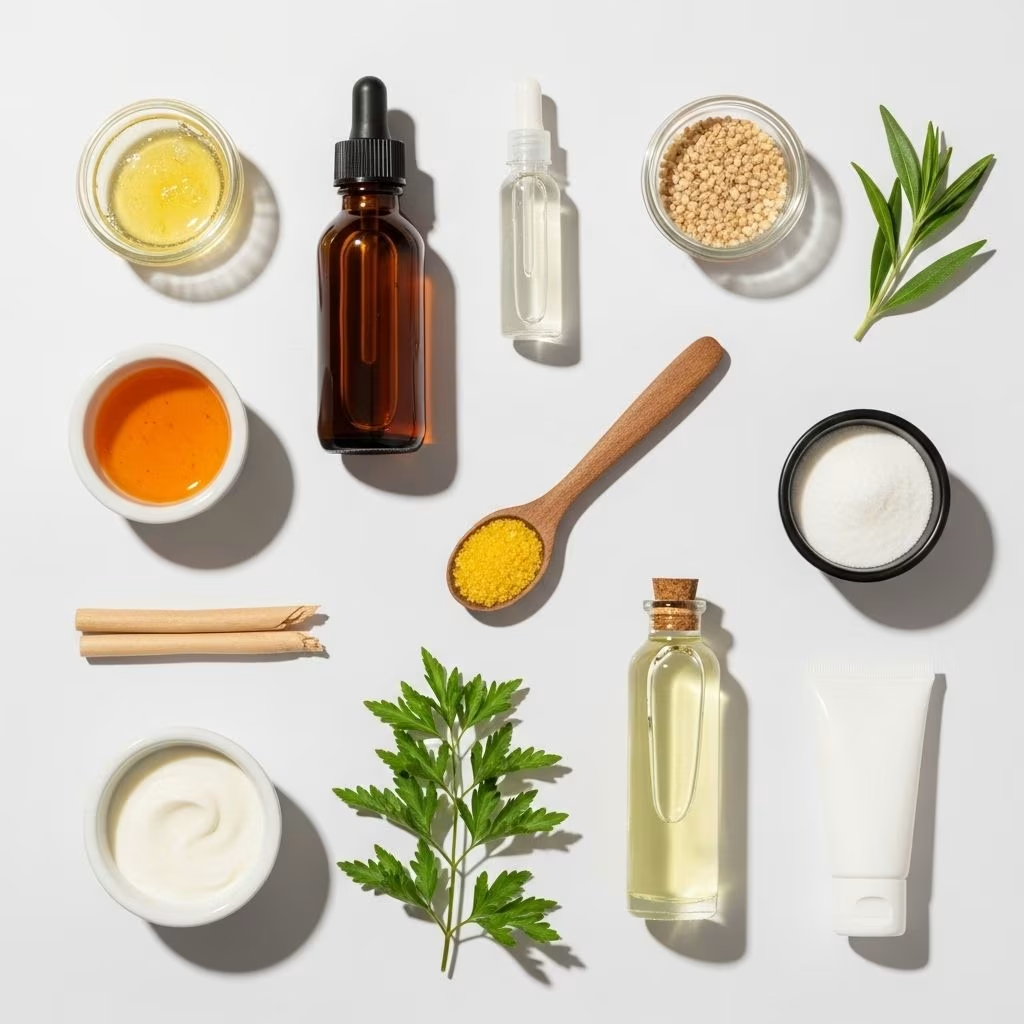
Modern skincare is fueled by a new generation of pro-active ingredients—potent compounds engineered to deliver visible, clinically proven results. Rather than offering superficial benefits, these actives convert on skin, targeting issues like acne, aging, hyperpigmentation, dehydration, and texture directly at a cellular level. Their effectiveness lies in their scientifically supported mechanisms and their strategic combination in advanced skincare products.
What Are Pro-Active Ingredients?
Pro-active ingredients (or “actives”) are scientifically validated compounds formulated to address specific skin concerns such as acne, wrinkles, pigmentation, dullness, and dehydration. Unlike basic moisturizers or cleansers, actives operate at the molecular level—stimulating cell turnover, modulating inflammation, or directly eliminating pathogens. When “convert on skin,” these ingredients undergo biochemical changes upon application, delivering benefits exactly where needed.
Key characteristics of pro-actives:
- Clinically proven to change skin function or structure (not just appearance)
- Present in effective, standardized concentrations
- Backed by peer-reviewed dermatological research
- Carefully formulated to maximize efficacy and minimize irritation
How Pro-Active Ingredients Convert on Skin
The phrase “convert on skin” refers to the process by which actives become bioavailable, often transforming through enzymatic or chemical reactions upon contact with the skin. This targeted conversion enables them to interact more effectively with skin cells, thus addressing a variety of concerns at their source. Examples include:
- Retinol (Vitamin A derivative) is converted into retinoic acid upon skin contact. Retinoic acid binds skin cell receptors to accelerate turnover and boost collagen synthesis, visibly reducing wrinkles and fading hyperpigmentation.
- Benzoyl Peroxide breaks down into benzoic acid and oxygen radicals, penetrating follicles to kill acne-causing bacteria (C. acnes) directly.
- Alpha Hydroxy Acids (AHAs) like Glycolic Acid dissolve bonds between dead cells, encouraging exfoliation and illuminating new, healthy skin.
- Vitamin C (Ascorbic Acid) neutralizes free radicals and, once absorbed, supports collagen production and inhibits melanin overproduction, resulting in brighter, firmer skin.
- Adapalene (a synthetic retinoid) binds selectively to nuclear receptors in skin cells, altering growth and differentiation to clear pores and reduce inflammation.
Core Pro-Active Ingredients in Modern Skincare
The following table summarizes the most effective pro-active ingredients, their chief mechanisms, indications, and potential considerations:
| Active Ingredient | Mechanism of Action | Primary Skin Benefit | Considerations |
|---|---|---|---|
| Retinol (Vitamin A) | Converts to retinoic acid for cell turnover, collagen boost | Anti-aging, texture, pigmentation | May cause initial irritation, use with SPF |
| Benzoyl Peroxide | Kills acne bacteria, peels surface layer | Acne (prevention & clearance) | May dry skin, use moisturizer |
| Salicylic Acid (BHA) | Penetrates pores, exfoliates inside follicles | Acne, blackheads, pore minimization | Can dry sensitive skin |
| Glycolic Acid (AHA) | Dissolves dead cells, boosts cell renewal | Brightening, anti-aging, texture | May sting, increase sun sensitivity |
| Adapalene | Selective retinoid binding, anti-inflammatory | Acne treatment, prevention | Milder than many retinoids |
| Vitamin C | Antioxidant, collagen synthesis, inhibits melanin | Brightening, anti-aging | Unstable in light/air—choose stabilized formulas |
| Hyaluronic Acid | Binds water, boosts skin hydration | Hydration, plumping, soothing | Best layered under moisturizer |
| Sulfur | Reduces oil buildup, antibacterial | Acne, oil control | Mild odor, less drying than benzoyl peroxide |
| Niacinamide (Vitamin B3) | Anti-inflammatory, sebum-regulating, brightening | Redness, pore tightening, skin barrier repair | Well-tolerated by most skin types |
| Peptides | Signal skin cells to produce collagen | Firming, wrinkle reduction | Works best in multi-active formulations |
Case Study: Proactiv+ System
An iconic example, the Proactiv+ 3-Step System harnesses active ingredients proven to convert on skin:
- Step 1: Skin Smoothing Exfoliator—blends glycolic acid and benzoyl peroxide with gentle exfoliation to cleanse, tone, and jumpstart acne defense.
- Step 2: Pore Targeting Treatment—uses benzoyl peroxide in a lightweight gel, ensuring the compound is delivered inside the pore for maximal bacterial kill and minimal irritation.
- Step 3: Complexion Perfecting Hydrator—combines salicylic acid, glycolic acid, prebiotics, omegas, and Kojic acid, working synergistically to unclog, soothe, moisturize, and brighten skin, even minimizing marks and calming redness.
Synergy: Combining Actives for Superior Results
Research and clinical experience show that combining complementary actives amplifies their impact and reduces side effects. Some gold-standard synergistic pairs include:
- Vitamin C + Vitamin E: This antioxidant duo maximizes radical scavenging, enhances brightening, and reinforces the skin barrier.
- Retinoids + Hyaluronic Acid: Retinoids stimulate cell turnover but can cause dryness; pairing with hyaluronic acid restores hydration and soothes irritation, supporting tolerance and longer-term use.
- Salicylic Acid + Niacinamide: Salicylic unclogs pores, while niacinamide reduces redness and strengthens the barrier—making them ideal in acne or sensitive-skin regimes.
- AHAs (like Glycolic) + Peptides: Glycolic acid preps the skin’s surface, enabling peptides to penetrate deeper and boost firming and resilience.
Formulators often engineer delivery systems (encapsulation, time-release, pH balance) to ensure these combinations work harmoniously without causing intolerance.
Choosing the Right Pro-Actives for Your Skin
No single active is universally ideal. Effective selection depends on your skin type, concern, and tolerance:
- For acne-prone skin: Benzoyl peroxide (spot treatment), salicylic acid (daily cleanser), adapalene (maintenance), with non-comedogenic moisturizers.
- For aging and pigmentation: Retinol or adapalene (night), vitamin C (day), peptides (serum), always with sunscreen.
- For sensitive or redness-prone skin: Niacinamide, low-strength retinoids, hyaluronic acid, ceramides, avoiding high-concentration acids or fragrances.
- For dehydration: Hyaluronic acid, glycerin, squalane, with occlusive moisturizers.
Introduce one new active at a time and monitor your skin’s response. Initial reactions—mild redness, flakiness—can occur as skin adjusts, but persistent irritation may mean the concentration or frequency needs adjustment.
Practical Tips to Maximize Benefit and Minimize Risk
- Patch test new products before full-face application.
- Follow formulation instructions for mixing and layering—some actives (like retinol and strong AHAs) can cause excessive irritation if used together.
- Always use sunscreen during the day, as many actives (retinol, acids) increase photosensitivity.
- Hydrate and repair the barrier with ceramides and fatty acids, especially when using intensive treatments.
- Introduce actives slowly, usually 2–3 times per week increasing as tolerated.
Frequently Asked Questions (FAQs)
Q: Can I use multiple pro-active ingredients together?
A: Many actives can be combined, but layering or alternating them—such as using vitamin C in the morning and retinol at night—maximizes safety and results. Some combinations (like retinol and benzoyl peroxide) may over-irritate skin unless specifically formulated to be compatible.
Q: How long until I see results from skincare actives?
A: Most actives begin working immediately at the cellular level, but noticeable changes usually take 4–12 weeks. Actives like retinoids require a skin adjustment phase before full benefits appear.
Q: Do over-the-counter (OTC) products have the right concentration of actives?
A: OTC products must balance effectiveness with safety, so concentrations may be lower than prescription options. However, clinical studies confirm OTC doses (e.g., 2.5% benzoyl peroxide, up to 1% retinol) are effective and well-tolerated in most users.
Q: Are there risks or side effects with pro-actives?
A: Potential side effects include dryness, peeling, mild redness, or sensitivity—especially early on. Risk is minimized by proper use, hydration, and sun protection. Individuals with sensitive skin should start with lower strengths and consult a dermatologist for persistent irritation.
Q: Why is sunscreen critical when using actives?
A: Actives like retinol, AHAs, and BHAs thin the outer layer of skin, making it more vulnerable to UV damage and pigmentation. Daily, broad-spectrum SPF30+ is strongly recommended to protect new skin and preserve results.
References
- Clinical ingredient and formulation insights from , , , , , , and .
- Combination therapy and active safety information corroborated by leading dermatological associations.
References
- https://www.getproactiv.ca/faqs
- https://www.healthline.com/health/skin/does-proactiv-work
- https://rixincosmetics.com/blog/active-skincare-ingredients/
- https://www.proactiv.com/blog/acne-skin-care-ingredients/skincare-ingredients-that-work-well-together
- https://www.proactiv.com/blog/acne-skin-care-ingredients/active-skincare-ingredients-for-acne
- https://www.youtube.com/watch?v=AW5Hg5dv0vk
- https://www.cvs.com/shop/proactiv-solution-acne-routine-with-benzoyl-peroxide-prodid-429419
- https://skinsort.com/products/proactiv/repair-repairing-treatment


