


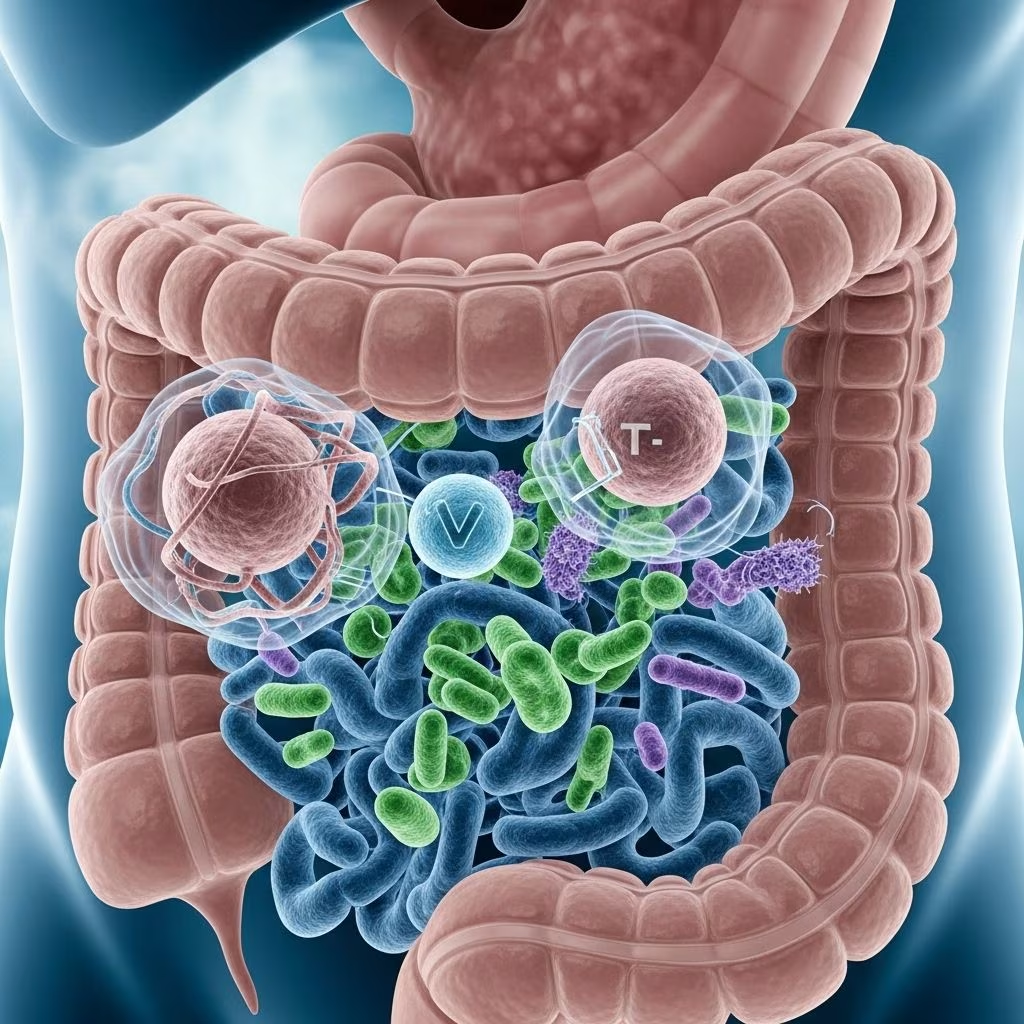
Probiotics to Reduce Flu Vaccine Side Effects
Influenza vaccination remains the cornerstone of seasonal flu prevention worldwide. Despite its proven effectiveness, some recipients experience transient side effects, ranging from mild discomfort to more pronounced immune reactions. Recent scientific advances indicate that probiotics—beneficial live microorganisms found in supplements and fermented foods—may play a significant role in reducing flu vaccine side effects and enhancing vaccine efficacy.
Introduction
Flu vaccines stimulate the body’s immune system to recognize and fight influenza viruses, offering crucial public health protection. While vaccines are generally safe, some individuals may experience side effects, including local pain, fever, and fatigue. The growing interest in probiotic supplementation arises from their potential to modulate the immune system and reduce vaccine-related adverse reactions. Investigations now suggest that probiotics may not only mitigate these effects but also enhance the vaccine’s protective efficacy.
The Nature of Flu Vaccine Side Effects
Common side effects of influenza vaccination include:
- Mild injection site pain or redness
- Low-grade fever
- Fatigue and malaise
- Muscle aches
- Rare hypersensitivity reactions
These symptoms reflect a robust immune response to the vaccine antigens, but for high-risk populations such as older adults, minimizing discomfort is important for vaccine acceptance and adherence.
Understanding Probiotics and the Immune System
Probiotics are live beneficial bacteria, predominantly Lactobacillus and Bifidobacterium species, that promote gastrointestinal and immune health when ingested in adequate amounts. The gut microbiome, which houses trillions of microbes, plays a critical role in regulating immune responses—including those triggered by vaccines.
Probiotic consumption has been associated with several health benefits relevant to influenza prevention and vaccine support:
- Enhancement of both innate and adaptive immune responses
- Reduction in the frequency and severity of respiratory infections
- Decreased reliance on antibiotics by promoting natural immunity
- Lower rates of allergic and inflammatory reactions
Mechanisms: How Probiotics Impact Vaccine Response
Several biological mechanisms explain how probiotics can reduce flu vaccine side effects and improve vaccine-induced immunity:
- Modulation of Gut Microbiota: Probiotics alter the gut microbial composition, boosting populations of beneficial bacteria that interact with immune cells in the intestinal wall.
- Activation of Immune Responses: Specific strains promote production of cytokines such as interferon-γ (IFN-γ), supporting a balanced T-helper cell response and antibody formation.
- Enhancement of Barrier Function: By strengthening mucosal barriers, probiotics limit translocation of pathogens and excessive immune activation, which may reduce adverse immune reactions post-vaccination.
- Anti-inflammatory Effects: Some strains reduce levels of inflammatory mediators, potentially decreasing vaccine side effects like swelling and fever.
This immune-modulatory activity is critical not only for reducing discomfort but also for increasing seroprotection (number of people with protective antibody levels) and seroconversion (rise in antibody levels after vaccination), both markers of successful vaccine response.
Clinical Evidence Supporting Probiotic Use
Rigorous clinical trials and meta-analyses support the role of probiotics in enhancing flu vaccine response and lowering side effect severity:
- Meta-Analysis Findings: A 2017 meta-analysis of 20 randomized controlled trials with 1,979 adults found that supplementation before vaccination increased immunogenicity for multiple influenza strains:
- H1N1 strain: Odds ratio (OR) for seroprotection was 1.83
- H3N2 strain: OR for seroprotection was 2.85
- B strain: OR for seroconversion was 2.11
These results show a significant increase in protective antibody levels in those taking probiotics compared to controls.
- Reduced RTI Symptoms: A study with healthy college students supplemented with probiotics showed a 33% reduction in respiratory tract infection symptoms duration and severity.
- Lower Antibiotic Use: Probiotics reduce the need for antibiotics in children by strengthening immune defense—up to an 84% reduction in antibiotic prescriptions for respiratory infections.
- Elderly Populations: Probiotic supplementation especially benefited healthy older adults, enhancing their vaccine response and protective immunity against flu.
Table: Summary of Probiotic Effects on Influenza Vaccine Response
| Study Population | Probiotic Type | Outcome Measures | Result |
|---|---|---|---|
| Adults & Older Adults | Lactobacillus, Bifidobacterium (various strains) | Seroprotection/seroconversion rates (H1N1, H3N2, B strain) | Significantly improved antibody titers |
| Healthy College Students | Lactobacillus | RTI symptoms days & severity | 33% reduction in symptoms |
| Children (ages 3–5) | Single/multi-strain combinations | Antibiotic prescriptions for RTIs | 68.4–84.2% reduction in antibiotic use |
Types of Probiotics Effective for Vaccine Support
Not all probiotic strains provide equal benefits. The following types have shown promise in clinical studies:
- Lactobacillus rhamnosus
- Bifidobacterium longum
- Bifidobacterium infantis
- Lactobacillus paracasei
Multi-strain formulations may have synergistic effects, delivering broader immune activation and better outcomes compared to single strain supplements.
Probiotic prebiotics—compounds that feed beneficial gut bacteria—also appear to complement probiotic efficacy by improving gut microbial stability and diversity.
Safety, Considerations, and Dosage
Probiotics are generally safe for most individuals, with minimal risk of adverse effects such as mild digestive upset. Clinicians recommend:
- Selecting high-quality, clinically validated strains
- Dosing prior to vaccination for optimal immune modulation (often several weeks’ supplementation)
- Consulting healthcare providers before starting if immunocompromised or severely ill
Longer supplementation durations are associated with greater improvements in vaccine response. Research suggests a linear relationship, with extended use leading to sustained benefits.
Limitations and Future Directions
While existing studies are promising, several limitations warrant attention:
- Uncertainty regarding optimal doses and duration
- Variation in probiotic strain efficacy for individuals
- Need for larger controlled trials examining direct reduction of side effects, not just immunogenicity
- Limited data for the most vulnerable populations—immunocompromised and those with underlying chronic illness
Future research should focus on dose optimization, strain selection, and investigating the synergistic effect of combined probiotics and prebiotics in relation to both flu vaccine efficacy and side effect profiles. Large-scale randomized controlled trials will be essential for evidence-based recommendations.
Frequently Asked Questions (FAQs)
Q: Can probiotics completely eliminate flu vaccine side effects?
A: While probiotics do not eliminate all side effects, evidence suggests they reduce the frequency and severity of common discomforts, and improve overall vaccine efficacy.
Q: How long before vaccination should I start taking probiotics?
A: Most studies recommend starting supplementation several weeks before vaccination to maximize immune modulation and vaccine response.
Q: Are certain probiotic strains better for flu vaccine support?
A: Lactobacillus and Bifidobacterium strains have shown the most reliability in enhancing vaccine responses and lowering respiratory infection rates.
Q: Is it safe for children and older adults to use probiotics with flu vaccination?
A: Probiotics have demonstrated safety and efficacy in both children and adults. However, parents and older adults should consult healthcare professionals, particularly for those with complex health needs.
Q: Can I use probiotics from food sources instead of supplements?
A: Fermented foods (such as yogurt, kefir, kimchi, and sauerkraut) do contain probiotics, but clinical benefits depend on consumption levels and specific strain viability. Supplements offer standardized, higher doses for predictable effects.
Conclusion
A mounting body of clinical evidence supports the use of probiotics as a complementary strategy for reducing flu vaccine side effects and increasing immune protection. By modulating the gut microbiome, activating immune pathways, and supporting overall respiratory health, probiotics provide a novel, safe, and accessible means to optimize vaccine efficacy and comfort, especially for the elderly and high-risk populations. While further research is needed for universal recommendations, those considering flu vaccination may benefit from targeted probiotic supplementation before and after immunization.
References
- https://pmc.ncbi.nlm.nih.gov/articles/PMC5707647/
- https://seed.com/cultured/were-still-not-through-cold-flu-season-heres-how-probiotics-could-help/
- https://www.frontiersin.org/journals/medicine/articles/10.3389/fmed.2022.940454/full
- https://www.mcmasteroptimalaging.org/full-article/es/probiotic-prebiotic-supplements-receiving-specific-influenza-vaccines-improve-2902
- https://pmc.ncbi.nlm.nih.gov/articles/PMC8402414/
- https://digbihealth.com/blogs/science-talk/influence-of-pre-and-probiotics-on-immune-response-after-taking-the-influenza-vaccine
- https://med.stanford.edu/news/insights/2019/09/our-response-to-flu-vaccine-may-be-weakened-by-antibiotics-induced-decimation-of-our-gut-microbes.html
- https://www.foundersfamilymedicine.com/flu-shots-castle-rock/what-to-drink-before-and-after-the-flu-shot/


