


Introduction
Psoriasis is a chronic inflammatory disease affecting millions worldwide, with manifestations varying distinctly by skin tone and ethnicity. For people with skin of color—including Black, Hispanic, Asian, Indigenous, and other deeply pigmented populations—the disease presents unique challenges in diagnosis, management, and patient experience. Pigmentation changes and scarring are of particular concern, impacting both physical appearance and psychosocial well-being. This guide presents a thorough overview of psoriasis in skin of color, emphasizing pigmentation and scarring care, evidence-based treatments, and culturally responsive approaches.
Understanding Psoriasis in Skin of Color
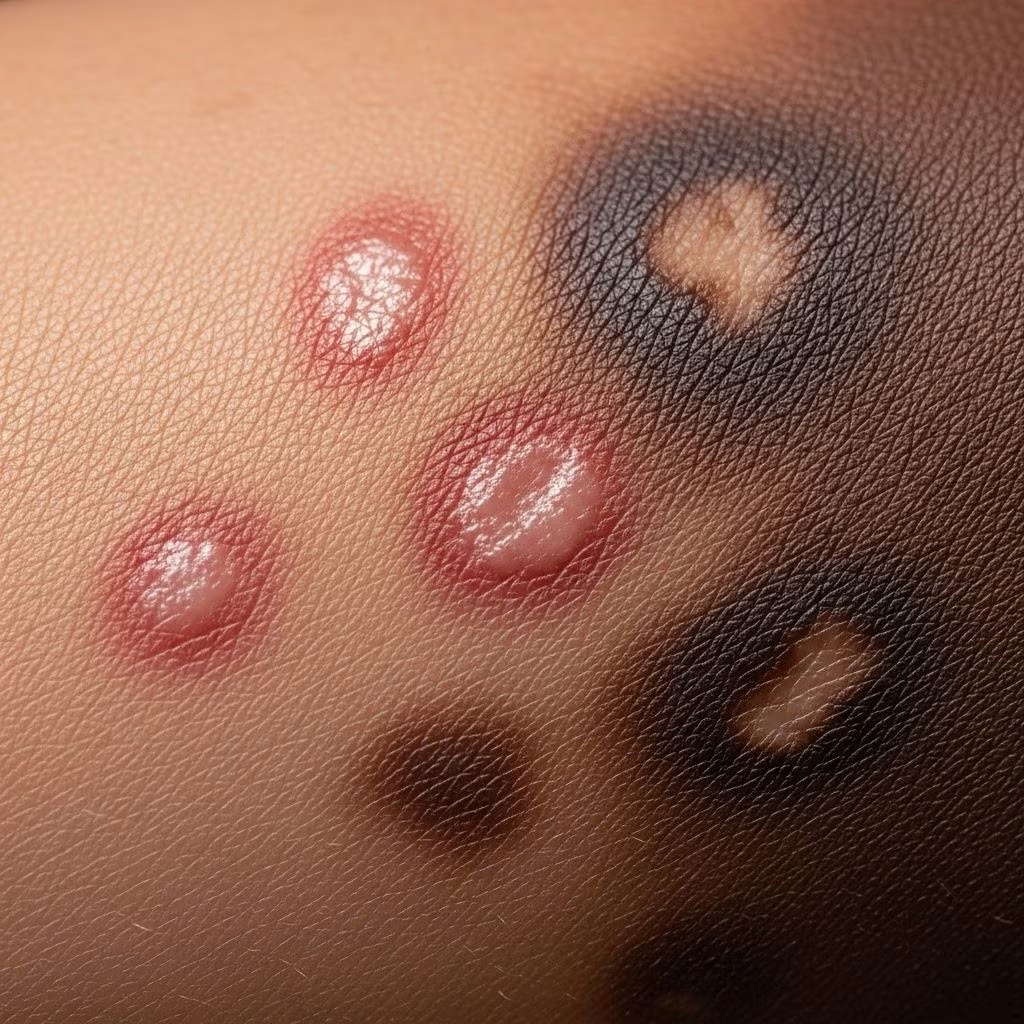
Psoriasis is an autoimmune condition that accelerates skin cell turnover, resulting in thick, scaly plaques. It affects people of all races and skin types, but the clinical features and treatment considerations in skin of color differ from those in lighter skin. Lesions may appear more violet, gray, or dark brown, and the scale can be thicker or less silvery compared to the classic red plaques seen in lighter skin tones. These differences can complicate recognition and require tailored approaches for effective care.
- Psoriasis affects people of all ethnic backgrounds, but signs may be subtler or mistaken for other conditions in darker skin.
- Incidence rates vary: Historically underdiagnosed in Black, Hispanic, and Asian populations due to clinical variability.
Unique Clinical Presentation
The visual and textural presentation of psoriasis in skin of color can differ dramatically from classic forms. In deeply pigmented skin:
- Plaques tend to be violaceous (violet), dark brown, or gray.
- Scales are often gray rather than silvery-white.
- Affected areas may be less well defined, making the disease harder to distinguish from other dermatoses such as lichen planus or sarcoidosis.
- Higher prevalence of extensive scalp involvement among Black and Asian patients.
These variations complicate diagnosis and may result in delayed or incorrect treatment, contributing to more severe disease at presentation.
Pigmentation Changes: Hyperpigmentation & Hypopigmentation
One of the most distinctive post-inflammatory features of psoriasis in skin of color is the development of pigmentation changes, often mistaken for permanent scarring. When plaques resolve, lighter (hypopigmentation) or darker (hyperpigmentation) patches may remain, referred to as dyspigmentation.
- These patches are not true scars and generally resolve in 3–12 months, but may persist longer in severe cases.
- Hyperpigmentation is more pronounced following phototherapy or high-potency topical steroid use.
- Hypopigmentation presents as loss of skin color and can be psychologically distressing, especially on visible areas like the face, hands, and scalp.
Treatment for pigmentation changes may involve topical agents to speed recovery and reassurance to help patients understand the benign, reversible nature of dyspigmentation.
Scarring and Dyspigmentation Management
Scarring from psoriasis is relatively rare, but post-inflammatory dyspigmentation remains a major concern in skin of color. The following strategies can help minimize and treat these effects:
- Early, aggressive treatment of active plaques reduces risk of pigmentation changes.
- Avoiding prolonged use of high-potency topical steroids, which can exacerbate hyperpigmentation.
- Use of nonsteroidal topicals (e.g., vitamin D analogs, calcineurin inhibitors) in maintenance phases.
- Moisturizing regularly to help skin barrier recovery.
- Consider topical pigmentation correctors (e.g., hydroquinone, azelaic acid) after inflammation resolves; always consult with a dermatologist.
- Minimize physical trauma (scratching, aggressive scrubbing), which increases risk of scarring and dyspigmentation.
Dyspigmentation impacts quality of life and cosmetic concerns; patient education and psychological support are crucial for effective recovery.
Challenges in Diagnosis and Misdiagnosis
Psoriasis in skin of color is frequently underdiagnosed or misdiagnosed due to differences in clinical manifestation. Plaques can resemble other conditions, such as lichen planus, cutaneous lupus erythematosus, or sarcoidosis.
- Delayed diagnosis contributes to disease severity and increased risk of extensive pigmentation changes and scarring.
- Pigmentary disorders (melasma, post-inflammatory hyperpigmentation) must be differentiated from psoriasis-induced dyspigmentation.
- Dermatologists specializing in skin of color can improve diagnostic accuracy and outcomes.
| Condition | Common Appearance in Dark Skin | Distinguishing Features |
|---|---|---|
| Psoriasis | Violet, gray, or brown plaques; thick scales | Symmetrical; often affects scalp, elbows, knees |
| Lichen Planus | Purple, flat-topped papules | Itchy; often has a lace-like white pattern |
| Lupus Erythematosus | Dark red or brown patches | May show scarring, hair loss, systemic symptoms |
| Sarcoidosis | Brown or purple nodules | Firm consistency; systemic involvement |
Psychosocial Impact of Psoriasis in Skin of Color
Visible pigmentation changes and scarring carry significant psychosocial burdens for patients of color. Studies highlight:
- Greater impairment in quality of life compared to White patients, even when accounting for overall disease severity.
- Stigma due to visible skin changes, especially dyspigmentation, in cultures that idealize lighter, even-toned skin.
- Increased psychological distress, risk of social withdrawal, anxiety, and depression.
- Importance of culturally aware counseling and psychosocial support.
Treatment Modalities: Topicals, Phototherapy, and Systemics
Topical Therapies
First-line for mild psoriasis, topical treatments remain cornerstone interventions. Important considerations for skin of color:
- Topical corticosteroids—high efficacy, but risk of pigmentary side effects with long-term use in deeply pigmented skin.
- Alternative agents: Vitamin D analogs, calcineurin inhibitors, retinoids, and new creams such as roflumilast and tapinarof.
- Vehicle selection (oils, lotions, shampoos, foams) tailored to cultural hair and skin practices, especially for scalp psoriasis.
For patients of African descent, less frequent shampooing may be preferred due to hair care routines, and dermatologists can tailor regimens accordingly.
Phototherapy
- Narrowband UVB and PUVA are safe and effective in darker skin, but require higher initial doses.
- Increases risk of post-inflammatory hyperpigmentation and skin darkening; side effect can be more distressing to some cultures.
- Skin color changes often resolve over several months after remission.
- Alternatives to phototherapy can be considered for patients wishing to avoid pigmentation changes.
Systemic Therapies
- Oral agents include methotrexate, acitretin, cyclosporine, apremilast, and newer small-molecule inhibitors like deucravacitinib.
- Biologics are highly effective for severe disease but underutilized in Black and Hispanic populations due to barriers in healthcare access.
- Certain genetic markers may influence response rates and side effects in different ethnic groups.
Scalp Psoriasis
- Localized treatments: medicated shampoos (used one to two times a week), oils, and topical solutions.
- Cultural hair care practices should be respected and integrated into treatment planning to improve compliance.
Across all modalities, education and follow-up are vital for optimizing outcomes and reducing dyspigmentation and scarring.
Cultural Sensitivity and Patient-Centered Care
Delivering effective care to patients of color requires recognition of cultural nuances and barriers:
- Awareness of beauty standards and cultural perceptions affects dialogue on pigmentation changes and treatment selection.
- Shared decision-making enhances treatment adherence and patient satisfaction.
- Respect for hair grooming and skin care traditions is essential, especially for scalp and body treatments.
- Support groups and culturally tailored educational resources strengthen psychosocial resilience.
Best Practices for Pigmentation and Scarring Care
- Start psoriasis treatment early to prevent post-inflammatory pigmentation changes and scarring.
- Transition promptly to nonsteroidal topicals after acute inflammation improves to minimize pigmentary risks.
- Ensure that phototherapy is tailored to skin type, with consideration of dosing and duration to reduce hyperpigmentation.
- Integrate skin barrier support with moisturizers and gentle cleansers.
- Provide clear patient education regarding the nature, timeline, and reversibility of pigmentation changes—reduce fear and stigma.
- Connect patients to dermatologists specializing in skin of color for advanced management.
Frequently Asked Questions (FAQ)
Q: Is psoriasis more common or severe in people of color?
Psoriasis affects all ethnicities but may be underdiagnosed or present with more severe involvement due to clinical differences in skin of color.
Q: Will pigmentation changes after psoriasis healing ever go away?
The post-inflammatory hypopigmentation or hyperpigmentation seen after psoriasis plaques clear is usually reversible and resolves in 3–12 months, but can persist longer in some cases.
Q: Can I prevent scarring or pigment changes from psoriasis?
Early and aggressive treatment, avoidance of trauma, gentle skin care, and limiting long-term topical steroid use help reduce risk. Most pigmentation changes are not true scars and will fade with time.
Q: Is treatment different for people with skin of color?
The core treatments remain similar, but practical considerations such as higher risk for pigmentary changes, respect for cultural hair practices, and careful selection of agents make personalized management essential.
Q: What emotional support is available for people of color with psoriasis?
Culturally sensitive support groups, educational material, and access to dermatologists specializing in skin of color are available resources to help with mental health and coping.
References
- https://www.aad.org/public/diseases/psoriasis/treatment/could-have/skin-color
- https://psoriasiscouncil.org/expert-insights/treatment-and-clinical-considerations-in-the-context-of-skin-of-color/
- https://www.visualdx.com/blog/psoriasis-in-patients-of-color-diagnosis-treatment-and-health-equity/
- https://www.psoriasis.org/skin-of-color-resource-center/
- https://my.clevelandclinic.org/health/articles/24941-how-psoriasis-affects-black-people-and-people-of-color
- https://pmc.ncbi.nlm.nih.gov/articles/PMC4255694/
- https://www.medicalnewstoday.com/articles/325068
- https://www.mayoclinic.org/diseases-conditions/psoriasis/diagnosis-treatment/drc-20355845
- https://www.psoriasis.org/advance/treating-skin-of-color/


