


Introduction
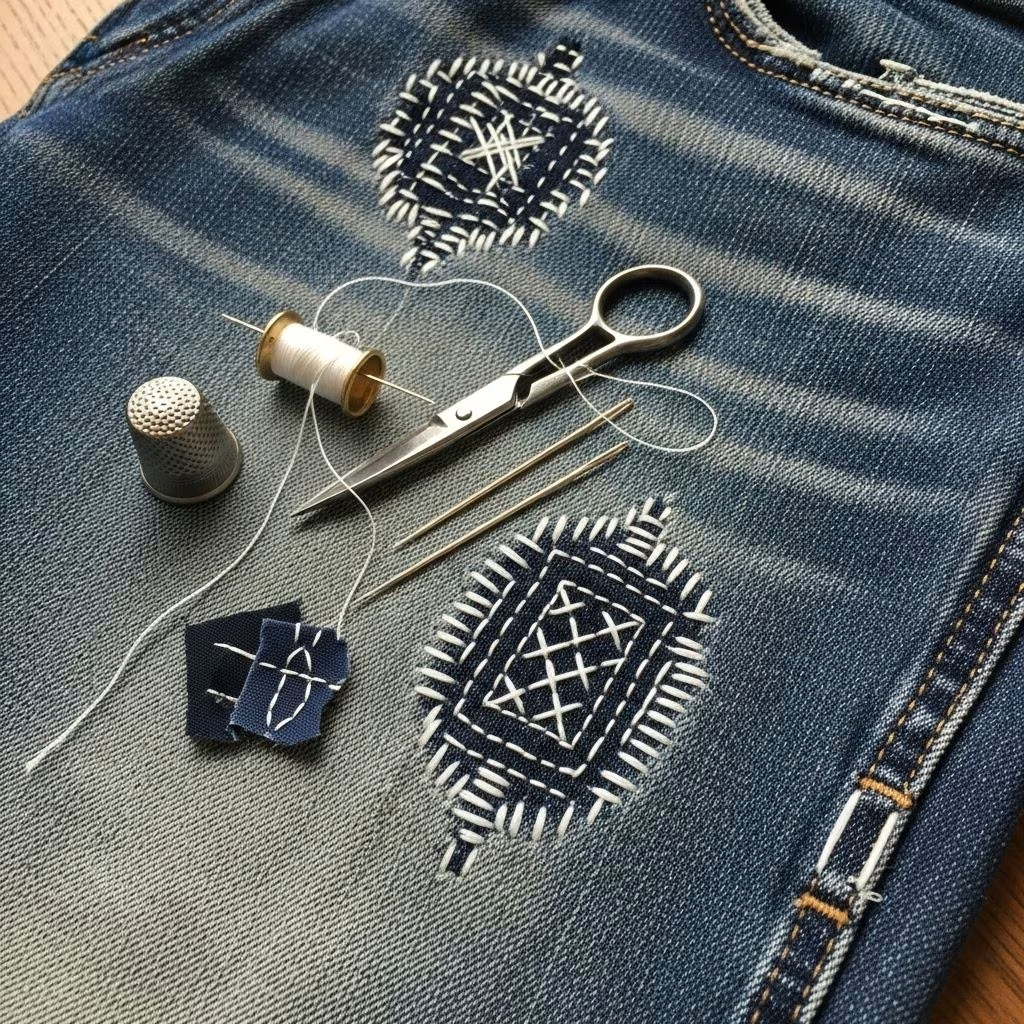
Sashiko, meaning “little stabs” or “to pierce” in Japanese, is a time-honored technique from Japan that combines practical mending with visible, decorative stitching. Emerging from necessity and resourcefulness, Sashiko repair is not only functional—strengthening and extending the life of textiles—but also deeply artistic, transforming mended items into unique pieces of heritage and creativity.
Origins and History of Sashiko
Sashiko stitching originated over 400 years ago in Japan’s rural north, prompted by harsh winters and limited resources. Families made clothing from homegrown hemp, layered garments for warmth, and reinforced with geometric stitching using affordable white cotton thread on indigo cloth.
- Earliest appearances: Purely aesthetic sashiko has been recorded as early as the eighth century.
- Utilitarian roots: Sashiko was central to peasant life, strengthening clothing to endure years and generations of wear, and was also seen in items like fisherman’s and firefighter’s jackets.
- Boro tradition: Closely linked is boro (meaning “tattered”), a patchwork technique using remnant textiles and sashiko stitching to continually mend and reinforce clothing.
During the Edo Period (1603–1868), Japan’s philosophy of thrift and sustainability (“mottainai”) drove the widespread use of sashiko among farmers, fishermen, and working-class families. As Western textiles became fashionable, sashiko faded for a time but has recently seen a vibrant global resurgence both as an art form and sustainability practice.
Philosophy: Mindful Mending and Mottainai
The heart of sashiko is mindful mending—repairing with intention, attention, and care. Central to this is mottainai, the Japanese concept encouraging the avoidance of waste and cherishing resources.
- Respect for materials: Sashiko reuses and reinvents worn cloth, turning flaws into features.
- Healing through repair: The deliberate act of stitching fosters a connection to the item, its history, and its continued use.
- Celebration of imperfection: Rather than hiding repairs, sashiko makes them visible, embracing the uniqueness each mend brings.
This visible repair philosophy stands in stark contrast to consumption-driven “fast fashion,” advocating longevity, storytelling, and creative individuality in every stitch.
Technique: How Sashiko is Practiced
Sashiko employs a simple running stitch to bind layers, reinforce, and decorate textiles. Traditional materials include thick, twisted white cotton thread and indigo-dyed cotton fabric (often “kogin-zashi”).
- Tools: Sashiko needle (long, strong, and with a large eye), thimble (sometimes worn on the palm), sashiko thread, and balanced-weave fabric.
- Stitches: Running stitches arranged in regular or patterned grids, typically 5–10 stitches per inch.
- Layering for warmth: Historically, two or three fabric layers were sewn together to trap air and insulate.
- Reverse and front: Sashiko is visible front and back, with designs often carefully planned to be reversible.
While originally cream thread on indigo was preferred for visibility during stitching and warmth, contemporary sashiko uses diverse colors and threads to personalize each project.
Patterns and Symbolism in Sashiko
Sashiko’s geometric designs are much more than decoration—they embody symbolism and tradition.
- Nature-inspired motifs: Waves, mountains, hemp leaves, interlocking circles, and ginkgo leaves.
- Symbolic meanings: Many patterns are believed to offer protection, luck, and harmony.
- Cultural resonance: Patterns often reflect local traditions, family histories, and stories.
| Pattern Name | Description | Symbolism |
|---|---|---|
| Seigaiha | Waves | Good fortune, resilience |
| Kikkō | Hexagons | Longevity, strength |
| Asanoha | Hemp leaf | Growth, vitality |
| Shippō-tsunagi | Interlocking circles | Harmony, peace |
With each line and shape, menders interweave practical repair with cultural storytelling.
Visible Repair and the Modern Movement
Today, visible mending has become a creative statement. Sashiko-inspired repairs are displayed with pride, signaling a commitment to care, sustainability, and artistic freedom.
- From hidden to honored: Instead of concealing wear, visible repair celebrates the life of the garment.
- Rise in popularity: Social media has fueled a global interest, with craftspeople sharing personalized sashiko repairs.
- Cross-cultural influence: Sashiko techniques are integrated with Western patchwork, embroidery, and upcycling trends.
Visible repair also serves as quiet protest against disposable culture, emphasizing that every mend is a badge of creativity and resilience.
Sashiko and Sustainability
Sashiko’s greatest cultural contribution may be its central role in sustainable textile practices.
- Low-waste living: Repairing instead of discarding keeps textiles out of landfills and maximizes resource use.
- Longevity: Historic garments often lasted for generations, strengthened by repeating repairs and careful layering.
- Upcycling: Modern makers use sashiko to transform damaged clothes into wearable art, breathing new life into neglected fabrics.
- Community connection: Group repair events and workshops foster sharing skills and social ties.
Encouraging mindfulness in consumption, sashiko provides a template for responsible fashion and creative ownership.
Sashiko in Contemporary Textile Arts
The resurgence of Sashiko extends from traditional wearable repair to high fashion and modern textile arts.
- Home décor: Sashiko techniques appear in pillows, quilts, wall hangings, and accessories.
- Fashion: Designers incorporate visible mending, patchwork, and sashiko motifs into jeans, jackets, and bespoke clothing.
- Workshops and education: Community classes and online tutorials spread sashiko knowledge worldwide.
- Art exhibitions: Museums and galleries now celebrate sashiko as both design and history, presenting boro jackets and heirloom textiles as art objects.
Sashiko’s adaptability across contexts keeps it vibrant and relevant, inspiring a new generation of visible menders.
Step-by-Step: Sashiko Visible Mending
Interested in trying sashiko visible repair? Here is a brief guide:
- Select the textile: Choose a garment or cloth needing repair.
- Gather materials: Sashiko thread, sashiko needle, thimble, indigo or other fabric patch, embroidery hoop (optional).
- Prepare the patch: Cut a fabric patch larger than the damage.
- Position the patch: Place it behind (or over) the tear, pin or baste in place.
- Mark the pattern: Use pencil or washable marker to lay out your design—traditional or modern.
- Thread the needle: Use long stitches and keep tension even for a plump, regular appearance.
- Stitch through all layers: Execute running stitches in your chosen pattern, visibly crossing old and new fabric.
- Finish: Knot thread on the inside, trim excess, optionally press the mend.
Each part encourages mindful attention and artistic decision-making, making repair a creative and satisfying act.
Frequently Asked Questions (FAQs)
Q: What is the main purpose of Sashiko?
A: Sashiko was historically developed for functional reinforcement and mending of clothing, providing warmth and durability. Today, it is also appreciated for its aesthetic and creative merits.
Q: What materials do I need for Sashiko?
A: Traditional Sashiko uses indigo-dyed cotton fabric, thick white cotton thread, a long sashiko needle, and a thimble. Contemporary adaptations allow for various colors and threads for personal expression.
Q: Is Sashiko only for repairing clothing?
A: No, Sashiko can be used for mending and decorating many textiles such as curtains, bags, and home décor, as well as creating patchwork boro textiles.
Q: Are there symbolic meanings behind Sashiko patterns?
A: Yes, many patterns are imbued with cultural symbolism, representing luck, protection, longevity, and nature.
Q: Why is Sashiko considered sustainable?
A: By repairing and upcycling textiles, Sashiko extends the life of garments, reduces fabric waste, and supports mindful consumption, aligning with eco-friendly values.
Conclusion
Mindful mending and visible repair through Sashiko empower individuals to cherish, conserve, and creatively transform their garments. Embodying heritage, sustainability, and artistry, Sashiko stands as a testament to the ingenuity, patience, and resilience of Japanese culture—and an enduring inspiration for makers everywhere.
References
- https://www.japancrafts.co.uk/sashiko.html
- https://www.heddels.com/2018/03/repair-decoration-and-martial-arts-the-history-of-sashiko/
- https://albiongould.com/a-brief-history-of-sashiko-in-japan/
- https://egausa.org/embroidery-techniques-from-around-the-world-sashiko/
- https://en.wikipedia.org/wiki/Sashiko
- https://www.zenstitching.ca/blog/history-of-sashiko
- https://upcyclestitches.com/sashiko-art/
- https://aplacebetweenthetrees.com/2021/01/13/sashiko-simple-japanese-embroidery/


