


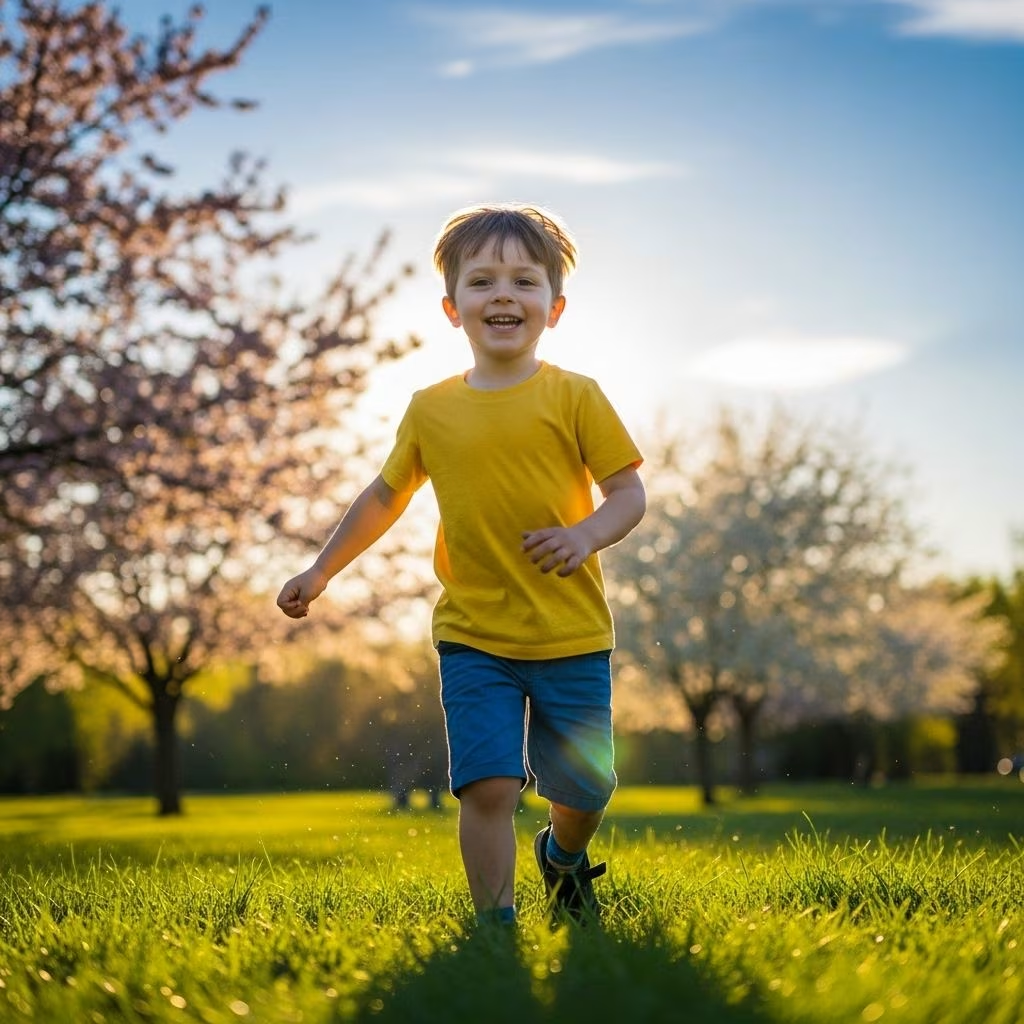
Seasonal allergies shouldn’t mean the end of outdoor fun for children. While spring, summer, and fall bring increased pollen counts and various allergens that can trigger uncomfortable symptoms, with proper planning and preventive measures, kids with allergies can still enjoy fresh air, sunshine, and outdoor activities. Understanding how to manage seasonal allergies effectively allows children to participate in the outdoor experiences that are so important for their physical and emotional development.
The key to successful outdoor play for allergic children lies in identifying specific triggers, timing activities strategically, taking preventive measures, and knowing how to respond when symptoms appear. This comprehensive guide provides parents and caregivers with practical strategies to help children with seasonal allergies safely enjoy outdoor activities throughout the year.
Understanding Seasonal Allergies in Children
Seasonal allergies, also known as hay fever or allergic rhinitis, occur when a child’s immune system overreacts to typically harmless substances in the environment. When the body encounters an allergen like pollen, it mistakenly identifies it as a dangerous intruder. In response, the immune system releases chemicals called histamines to fight off this perceived threat. Unfortunately, these histamines cause the uncomfortable symptoms associated with allergies.
For children, seasonal allergies can significantly impact daily activities, sleep quality, concentration at school, and overall well-being. Recognizing allergy symptoms is the first step toward effective management. Common symptoms include persistent sneezing, runny or stuffy nose, itchy and watery eyes, coughing, and allergic skin irritation. Some children may experience fatigue, irritability, and difficulty concentrating due to disrupted sleep from nighttime symptoms.
The first step in creating an allergy-safe outdoor experience is understanding your child’s specific allergies. If your child hasn’t been tested for allergies, scheduling an appointment with an allergist or healthcare professional can help identify precise triggers. This knowledge allows you to take targeted steps to minimize exposure and plan outdoor activities more effectively.
Common Outdoor Allergens That Affect Kids
Different allergens peak at various times throughout the year, making it essential to understand the seasonal patterns of common outdoor triggers.
Tree Pollen Allergies
Trees pollinate primarily in late winter and early spring, producing light, dry pollen that wind can carry for miles. This means children can react to tree pollen even when trees aren’t directly in your yard. Common allergenic trees include oak, birch, cedar, maple, and pine. Tree pollen season typically runs from February through May, depending on geographic location and weather conditions.
Grass Pollen Allergies
Grass pollen becomes most prevalent in spring and summer months, particularly from May through July. Since grass is ubiquitous in parks, playgrounds, sports fields, and residential yards, it’s one of the most common allergens affecting children during outdoor play. People and pets easily carry grass pollen indoors on clothing, shoes, and fur, extending exposure beyond outdoor time.
Weed Pollen Allergies
Weed pollens, particularly ragweed, become problematic in late summer and fall. Ragweed is the most common weed allergen, but other weeds like sagebrush, pigweed, and tumbleweed can also trigger reactions. Weed pollen season typically extends from August through October, sometimes lasting until the first hard frost.
Mold Spores
Outdoor mold spores thrive in damp environments and can be present throughout much of the year, peaking in late summer and fall. Mold grows on fallen leaves, compost piles, grass clippings, and in areas with poor drainage. Children playing in wooded areas, raking leaves, or near bodies of water may have increased exposure to mold spores.
Safe Outdoor Activities for Allergic Children
Children with seasonal allergies can participate in many outdoor activities with proper precautions. The key is choosing activities that minimize direct exposure to allergens while still providing exercise, fresh air, and fun.
Low-Allergen Outdoor Activities
Higher altitude activities like hiking in mountainous areas may expose children to less pollen since pollen counts tend to decrease with elevation. Swimming in outdoor pools provides excellent exercise while minimizing pollen exposure since water activities keep pollen away from the face and breathing passages. Beach activities can also be good options, as ocean breezes often carry less pollen than inland areas.
Playground equipment and structured play areas with minimal grass and landscaping offer safer alternatives to open fields. Paved surfaces like basketball courts, tennis courts, and bike paths reduce direct contact with grass and weeds while still allowing active play. Indoor-outdoor hybrid activities, where children can move between climate-controlled spaces and outdoor areas, provide flexibility to retreat when symptoms worsen.
Timing Outdoor Activities Strategically
Pollen counts vary throughout the day, with levels typically highest in early morning hours between 5 a.m. and 10 a.m. Planning outdoor activities for late afternoon or evening can significantly reduce pollen exposure. Additionally, dry, windy days carry more pollen than calm or rainy days. Light rain actually helps clear pollen from the air, making the period immediately after rainfall an ideal time for outdoor play.
Many weather websites and mobile applications provide daily pollen forecasts specific to your location. Checking these forecasts helps you make informed decisions about when and how long children should play outside. On high pollen count days, consider shorter outdoor sessions or alternative indoor activities.
Prevention Strategies Before Going Outside
Proactive measures taken before outdoor play can significantly reduce allergy symptoms and allow children to enjoy longer, more comfortable outdoor experiences.
Protective Gear and Clothing
Wearing wraparound sunglasses creates a physical barrier that prevents pollen from reaching the eyes, reducing itching, watering, and irritation. Wide-brimmed hats provide additional protection by keeping pollen out of hair and off the face. For children with severe allergies, wearing a well-fitting mask during high pollen days can filter out allergens before they’re inhaled.
Clothing choices also matter when managing pollen exposure. Avoid synthetic fibers like polyester, nylon, and spandex, as these materials tend to trap pollen particles. Natural fabrics like cotton allow better airflow and don’t attract pollen as readily. Long sleeves and pants provide more coverage, reducing direct skin contact with pollen.
Pre-Activity Medication
Taking allergy medications before symptoms start provides better protection than waiting until symptoms appear. Antihistamines work by blocking histamine receptors, preventing the allergic response before it begins. For children with known allergies, administering medication 30 minutes to an hour before planned outdoor activities creates a protective window during peak exposure times.
Consult with your child’s healthcare provider about the most appropriate medications and dosing schedule. Some long-acting antihistamines provide 24-hour protection with once-daily dosing, while others may need to be taken more frequently. Nasal sprays, eye drops, and other targeted treatments may also be recommended as part of a comprehensive prevention strategy.
Monitoring Pollen Forecasts
Making pollen forecast checking part of your daily routine helps you anticipate high-risk days and adjust plans accordingly. Most weather applications include pollen counts with classifications like low, moderate, high, and very high. On days with elevated pollen levels, consider limiting outdoor time, choosing activities with less exposure, or planning alternative indoor activities.
Understanding which specific pollens are prevalent helps tailor prevention strategies. If tree pollen is high but your child is only allergic to grass, they may still safely enjoy outdoor time. Conversely, knowing your child’s specific allergens are at peak levels allows you to take extra precautions or postpone outdoor activities.
Creating an Allergy-Safe Outdoor Play Space
For families with allergic children, designing an allergy-conscious outdoor space at home provides a safer environment for regular play.
Landscaping Considerations
Keeping grass cut short reduces the amount of pollen grass produces and makes it easier to manage. Regular mowing prevents grass from flowering and releasing pollen, though someone other than the allergic child should handle mowing duties. Maintaining a weed-free yard eliminates major allergen sources, particularly ragweed and other common allergenic weeds.
Consider replacing portions of grass lawn with alternative ground covers, hardscaping, or mulched areas. Ground covers like clover or creeping thyme produce less pollen than traditional grass. Paved areas, decks, and patios create pollen-free zones perfect for outdoor furniture, play equipment, and activity spaces.
When selecting plants for your yard, choose low-allergen varieties. Female plants produce less pollen than male plants. Flowering plants that rely on insect pollination rather than wind pollination release less airborne pollen. Consult with local nurseries about hypoallergenic landscaping options suitable for your climate.
Play Equipment Selection
Choose play equipment made from materials that don’t trap pollen and are easy to clean. Plastic and metal equipment can be wiped down regularly to remove accumulated pollen. Avoid fabric swings, hammocks, or cushioned surfaces that collect and hold pollen particles.
Position play equipment away from known allergen sources when possible. Placing a swing set or climbing structure away from heavily planted areas, tree lines, or overgrown spaces reduces direct exposure. Creating a buffer zone with pavement or mulch around play equipment minimizes contact with grass and weeds.
Outdoor Furniture and Accessories
Select outdoor furniture with smooth, non-porous surfaces that can be easily cleaned. Wipe down tables, chairs, and benches before use, especially after windy days or extended periods between uses. Store cushions and fabric items indoors when not in use to prevent pollen accumulation.
Provide outdoor hand-washing stations or keep sanitizing wipes accessible for children to clean hands and faces during extended outdoor play. Having tissues readily available helps children manage runny noses without rubbing their eyes with pollen-covered hands.
Post-Activity Care and Symptom Management
What happens after outdoor play is just as important as preparation beforehand. Proper post-activity routines prevent continued exposure and help alleviate symptoms that may have developed during outdoor time.
Immediate Actions Upon Coming Indoors
Have children remove shoes at the door to avoid tracking pollen throughout the house. Outdoor shoes accumulate significant amounts of pollen that can spread to carpets and flooring, creating indoor exposure. Designate a specific area near the entrance for removing and storing outdoor shoes.
Change clothes immediately after outdoor play and place worn items directly in the laundry hamper. Pollen clings to fabric and can continue causing symptoms if children wear the same clothes indoors. Provide fresh, pollen-free clothing for children to change into before resuming indoor activities.
Showering and Washing
Taking a shower after outdoor activities washes pollen from hair, skin, and nasal passages. Pay particular attention to washing hair, as pollen becomes trapped in hair and can transfer to pillows at bedtime, causing nighttime symptoms. If a full shower isn’t practical, at minimum have children wash their hands, face, and any exposed skin.
Encourage children to rinse their eyes with cool water or use saline eye drops to flush out any pollen that may have accumulated. This simple step can provide significant relief from itchy, watery eyes and prevent prolonged irritation.
Managing Breakthrough Symptoms
Despite preventive measures, some symptoms may still occur. Having a clear action plan helps parents and children respond effectively. Administer fast-acting antihistamines if symptoms develop during or after outdoor activities. Cool compresses on itchy eyes provide soothing relief. Nasal saline rinses help clear pollen from nasal passages and reduce congestion.
Monitor symptom severity and duration. If symptoms persist despite medication, worsen over time, or interfere significantly with daily activities, consult with your child’s healthcare provider. Persistent symptoms may indicate the need for prescription medications, adjusted treatment plans, or further allergy testing.
Medication and Treatment Options
Effective medication management forms a cornerstone of allowing children with allergies to enjoy outdoor activities safely.
Over-the-Counter Options
Several over-the-counter antihistamines are approved for children and can effectively manage seasonal allergy symptoms. These medications work by blocking histamine receptors, preventing the allergic cascade that causes symptoms. Some antihistamines cause drowsiness, while newer formulations are non-sedating, making them more suitable for daytime use during active play.
Nasal corticosteroid sprays reduce inflammation in nasal passages and can be highly effective for managing nasal congestion, runny nose, and sneezing. These sprays work best when used consistently rather than only when symptoms appear. Antihistamine eye drops provide targeted relief for itchy, watery eyes without systemic side effects.
Prescription Medications
For children with severe or persistent allergies that don’t respond adequately to over-the-counter options, prescription medications may be necessary. Stronger antihistamines, combination medications, or prescription-strength nasal sprays may provide better symptom control. Your child’s healthcare provider can assess symptom severity and recommend appropriate prescription options.
Allergen Immunotherapy
For children with persistent and severe seasonal allergies, allergen immunotherapy (commonly known as allergy shots) may be considered. This treatment involves regular injections of small amounts of allergen, gradually training the immune system to tolerate the substance without overreacting. While immunotherapy requires a significant time commitment and multiple visits to an allergist, it can provide long-term relief and potentially reduce or eliminate the need for daily medications.
Sublingual immunotherapy tablets, which dissolve under the tongue, offer an alternative to injections for certain allergens. Discuss with an allergist whether immunotherapy is appropriate for your child based on age, symptom severity, and specific allergens involved.
Seasonal Considerations for Outdoor Play
Understanding which allergens peak during different seasons helps parents plan year-round outdoor activities strategically.
Spring Outdoor Activities
Spring brings tree pollen, which peaks in late winter through early spring. During this season, keep windows and doors closed to prevent pollen from accumulating indoors. Avoid hanging laundry outside to dry, as clothes can collect significant amounts of tree pollen. Choose indoor-outdoor activities that allow flexibility to move inside when symptoms worsen.
Spring rain helps clear pollen from the air temporarily, making post-rain periods ideal for outdoor play. However, be cautious about muddy areas where mold may thrive. As weather warms and grass begins growing actively, grass pollen joins tree pollen as a concern in late spring.
Summer Outdoor Activities
Grass pollen dominates summer months, particularly affecting children who play on lawns, sports fields, and parks. Swimming pools offer excellent summer activity options with minimal allergen exposure. Water play activities like sprinklers and water tables provide fun alternatives to traditional grass-based play.
Early morning outdoor activities face the highest pollen concentrations during summer. Plan swimming, playground visits, and outdoor sports for afternoon or early evening hours. Keep grass well-maintained and short to reduce pollen production in your yard.
Fall Outdoor Activities
Fall brings weed pollen, particularly ragweed, which is the most common fall allergen. Avoid outdoor activities involving leaf raking, jumping in leaf piles, or playing in areas with fallen leaves where mold can thrive. Choose paved trails for biking and walking rather than wooded paths with heavy leaf coverage.
Fall sports seasons expose children to weed pollen during practices and games. Work with coaches to ensure they understand your child’s allergies and have appropriate medications available. Consider whether certain positions or roles in team sports might reduce exposure while still allowing participation.
Managing Allergies During School Outdoor Activities
School outdoor time, including recess, physical education classes, field trips, and outdoor learning activities, requires coordination between parents, children, and school staff.
Communicating with School Staff
Inform teachers, physical education instructors, school nurses, and administrators about your child’s seasonal allergies. Provide specific information about triggers, symptoms, and appropriate responses. Share your child’s allergy action plan, including medication instructions and emergency contact information.
Request that teachers keep classroom windows closed during high pollen count days to minimize indoor exposure. Discuss whether your child can remain indoors during recess on days when pollen counts are particularly high or symptoms are severe. Many schools can accommodate these requests with proper documentation from healthcare providers.
Medication at School
Work with the school nurse to ensure appropriate allergy medications are available at school. Complete required medication authorization forms and provide clearly labeled medications with current prescriptions. Some schools allow older children to self-carry and self-administer certain medications like inhalers or antihistamines with proper documentation.
Establish a protocol for when school staff should administer medication and when parents should be contacted. Make sure the school has your current contact information and knows how to reach you quickly if symptoms worsen or emergency intervention becomes necessary.
Physical Education Adaptations
Discuss with physical education teachers how outdoor activities can be modified to accommodate your child’s allergies without excluding them from participation. Options might include alternative indoor activities on high pollen days, allowing your child to take medication before outdoor PE classes, or adjusting the types of outdoor activities to minimize allergen exposure.
For children with severe allergies, providing documentation from a healthcare provider outlining necessary accommodations helps schools understand the medical necessity of modifications and ensures appropriate support.
Frequently Asked Questions
Q: Can children with seasonal allergies participate in outdoor sports?
A: Yes, children with seasonal allergies can participate in outdoor sports with proper management. Take antihistamines before practice or games, choose positions that minimize grass contact when possible, shower immediately after activities, and monitor pollen forecasts to anticipate high-exposure days. Work with coaches to ensure they understand your child’s needs and have medications available.
Q: What time of day is best for outdoor play with allergic children?
A: Late afternoon and early evening typically have lower pollen counts compared to early morning hours when pollen release peaks. The period immediately following rainfall also provides good opportunities for outdoor play since rain clears pollen from the air temporarily. Check daily pollen forecasts to identify the best times for your specific location.
Q: Should I keep my child indoors all spring and summer if they have pollen allergies?
A: No, completely avoiding outdoor time isn’t necessary or beneficial for most children with seasonal allergies. Outdoor play provides important physical, social, and emotional benefits. Instead, focus on strategic planning, preventive measures, appropriate medications, and post-activity care to allow safe outdoor enjoyment while managing symptoms effectively.
Q: How can I tell if my child’s symptoms are from allergies or a cold?
A: Allergy symptoms typically include clear, watery nasal discharge, itchy eyes and nose, and sneezing without fever. Symptoms appear quickly after allergen exposure and last as long as exposure continues. Colds usually involve thicker nasal discharge that may be yellow or green, often include fever and body aches, and resolve within 7-10 days. Seasonal patterns and timing relative to outdoor exposure also help distinguish allergies from colds.
Q: Are there any outdoor activities that are completely safe for allergic children?
A: While no outdoor activity is completely pollen-free, some activities minimize exposure more than others. Swimming in chlorinated pools, playing on paved surfaces, higher altitude hiking, and beach activities typically involve lower pollen exposure. Activities immediately after rainfall also provide safer opportunities since rain temporarily clears pollen from the air.
Q: How do I create an allergy action plan for my child?
A: Work with your child’s healthcare provider to develop a written allergy action plan that identifies specific triggers, lists symptoms to watch for, outlines preventive measures, specifies which medications to give and when, and provides emergency contact information. Share this plan with schools, caregivers, coaches, and anyone who supervises your child during outdoor activities.
Q: Can seasonal allergies develop suddenly in children who never had them before?
A: Yes, seasonal allergies can develop at any age, even in children who previously showed no allergic symptoms. Repeated exposure to allergens over time can trigger the immune system to develop allergic responses. If your child develops new symptoms during pollen seasons, consult with a healthcare provider for proper evaluation and testing.
Q: What should I pack in an outdoor allergy emergency kit?
A: An outdoor allergy emergency kit should include antihistamines appropriate for your child’s age, any prescribed medications like inhalers or epinephrine auto-injectors if needed, saline eye drops, tissues, hand sanitizer or wipes, sunglasses, a copy of your child’s allergy action plan, and emergency contact information. Keep the kit easily accessible during all outdoor activities.
References
- https://www.reactine.ca/allergy-guide/outdoor-allergies/outdoor-allergies-in-kids
- https://corpuschristiallergy.com/allergy-safe-outdoor-play-space/
- https://www.childrensclinicfxbg.com/blog/addressing-seasonal-allergies-and-promoting-outdoor-safety-for-children-in-may-2024/
- https://northernvirginiamag.com/family/2025/04/17/how-kids-can-enjoy-the-outdoors-during-allergy-season/
- https://www.health.harvard.edu/blog/4-must-dos-for-kids-with-seasonal-allergies-201604122527
- https://www.benadryl.com/allergies/outdoor-allergy-tips
- https://www.chop.edu/news/health-tip/seasonal-allergies-keeping-symptoms-check
- https://www.doctor-stein.com/blog/our-top-tips-to-help-your-child-nip-springtime-allergies-in-the-bud
- https://www.healthline.com/health/ask-the-expert-how-can-i-prepare-for-outdoor-excursions-during-allergy-season


