


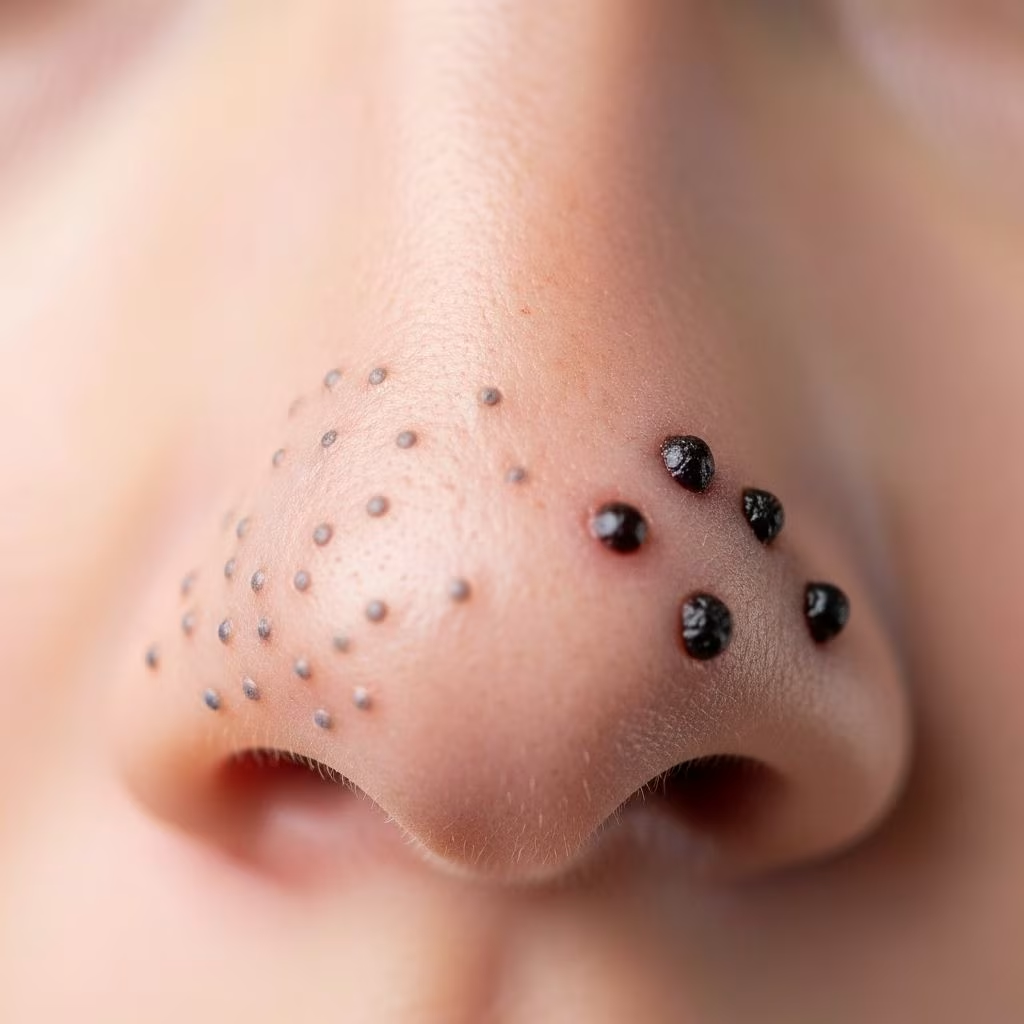
Your skin’s health depends on understanding its unique structures and issues. Sebaceous filaments and blackheads are frequently confused—but they are fundamentally different, and their management requires distinct approaches. This in-depth guide will clarify these differences, help you recognize each, and offer evidence-based removal and prevention strategies for clearer, healthier skin.
Introduction
Pores are essential, natural features of healthy skin. Two of the most misunderstood pore-related skin marks are sebaceous filaments (often seen as faint dots, especially in the T-zone) and blackheads (visible, raised dark plugs). Misidentifying these can lead to ineffective or even damaging skincare. Understanding their differences is key to both effective care and realistic expectations.
What Are Sebaceous Filaments?
Sebaceous filaments are normal, tube-like structures that line the walls of your pores. Their function is to facilitate the transport of sebum (your skin’s natural oil) from the sebaceous gland through the pore to the surface, ensuring your skin stays moisturized and protected.
Most of the time, they are not visible. However, when your skin produces excess oil, they can appear as tiny, pin-sized dots, often light gray, beige, yellow, or even white in color. Unlike blackheads, they are not a type of acne and do not indicate a problem—they’re just more noticeable if you have oily skin or enlarged pores.
- Normal anatomy: Part of your natural pore structure, not a blockage or acne.
- Purpose: Allow sebum to reach the skin’s surface, maintaining optimal moisture levels.
- Appearance: Usually visible as faint, uniform pinpoints (especially if you squeeze the skin), commonly on the nose and chin.
What Are Blackheads?
Blackheads, or open comedones, are a type of non-inflammatory acne. They form when a pore becomes clogged with a mixture of excess oil (sebum), dead skin cells, and sometimes debris or bacteria. Unlike whiteheads, the top of the pore remains open; when exposed to air, the contents oxidize, turning the very top of the plug dark (black or very dark brown).
- Definition: A visible, raised bump caused by an open, clogged pore.
- Composition: Mix of dead skin cells, sebum, and sometimes bacteria, oxidized at the surface.
- Appearance: Distinct dark or black spot, often larger and more raised than sebaceous filaments.
Unlike sebaceous filaments, blackheads are considered mild acne and may persist or enlarge if not addressed.
Sebaceous Filaments vs. Blackheads: Comparison Table
| Feature | Sebaceous Filaments | Blackheads |
|---|---|---|
| Definition | Natural lining in pores helping sebum flow | Clogged, open pore with oxidized plug |
| Medical Relevance | Normal skin structure, not acne | Acne (non-inflammatory, open comedone) |
| Color | White, yellow, beige, to faint gray | Black, dark brown (due to oxidation) |
| Size | Smaller, usually <1mm | Larger, 1-2mm or more |
| Texture | Flat or flush with skin, smooth to touch | Raised, rough or hard at the top |
| Location | Common on nose, chin, forehead (‘T-zone’) | Anywhere, but frequent in ‘T-zone’ |
| Extraction | Returns as part of skin’s oil regulation | Less likely to return to same spot if removed |
| Bodily Function | Essential for healthy oil flow | Impedes oil flow, indicates clogged pore |
| Necessity to Remove | Not necessary (removal temporary, cosmetic only) | Removal may help skin clarity |
How to Identify Sebaceous Filaments vs. Blackheads
Correct identification prevents unnecessary or harmful extraction methods and helps tailor your skincare routine effectively.
- Color Test: Sebaceous filaments are light—ranging from white or yellow to pale gray—while blackheads are distinctly dark (black or very dark brown).
- Size & Texture: Sebaceous filaments are tiny and flush with or just under the skin. Blackheads are raised, rougher, and clearly larger.
- Location: Both are common on the nose and chin, but blackheads may appear elsewhere. Sebaceous filaments tend to crowd areas with more sebaceous glands (forehead, nose, chin).
- Extraction Test: Gently pressing on a sebaceous filament produces a filament-like thread—never a dark, hard plug. Pressing a blackhead will express a dark, semi-solid plug.
Why Do Sebaceous Filaments and Blackheads Form?
Origins of Sebaceous Filaments
- Part of normal skin structure
- Become noticeable when sebaceous (oil) glands are more active (oily skin, hormonal changes, genetics)
- Enlarged when sebum mixes with minor amounts of dead skin and fills the pore (does not cause acne unless totally blocked)
Origins of Blackheads
- Result from a true blockage in the pore, typically by excess sebum and a buildup of dead skin cells
- Open, exposed plug oxidizes and turns black
- More common during adolescence, hormonal changes, or if using pore-clogging products
Effective Removal and Management Techniques
Should Sebaceous Filaments Be Removed?
Sebaceous filaments do not need to be removed—they are an essential, recurring aspect of skin structure. Any extraction offers only a brief cosmetic improvement; within 30 days, the pore will refill as your normal sebum-regulation continues.
Minimizing Appearance of Sebaceous Filaments
- Routine Gentle Cleansing: Maintain a consistent, gentle cleansing regimen to remove excess oil as it forms.
- Use of Non-Comedogenic Products: Avoid pore-clogging ingredients in makeup, sunscreen, or moisturizers.
- Chemical Exfoliation: Salicylic acid (BHA) helps to loosen and dissolve oil within pores, providing a smoother texture without damaging skin’s protective barrier.
- Clay Masks: Help temporarily absorb excess oil and minimize shine.
- Retinoids: Topical retinoids regulate oil production and promote normal skin turnover with prolonged use (consult your dermatologist before use).
How to Safely Remove Blackheads
Removal is warranted if blackheads cause cosmetic concern or discomfort. Improper methods—such as aggressive squeezing, picking, or harsh scrubbing—will worsen inflammation and increase risk of scarring or infection.
- Chemical Exfoliants: Salicylic acid (BHA) penetrates and unclogs pores; glycolic and lactic acid (AHAs) support surface skin renewal.
- Professional Extraction: Dermatologists or licensed aestheticians use sterile comedone extractors to remove blackheads safely without damaging nearby tissue.
- Topical Retinoids: Normalize cell turnover, prevent pore blockages, and help clear existing comedones.
- Clay or Charcoal Masks: Temporarily extract excess oil from pores, reducing visible blackheads.
- Consistent Skincare: Daily use of appropriate cleansers and exfoliants is more effective than sporadic treatments.
Avoid: Manual extraction at home (especially with unwashed hands or non-sterile tools), harsh scrubbing, pore strips (may irritate), or using comedone extractors without training—these can traumatize skin and worsen congestion.
Prevention: Healthy Skin Maintenance
While sebaceous filaments cannot be “cured” (since they are normal skin features), blackhead recurrence can be minimized with the right habits:
- Clean skin regularly with a gentle, non-comedogenic cleanser
- Incorporate chemical exfoliants one to three times a week
- Choose oil-free and non-comedogenic moisturizers, sunscreen, and makeup
- Avoid excessive touching of your face, as it spreads oils and bacteria
- Consult with a dermatologist for stubborn cases or for retinoid prescriptions
Common Myths & Misconceptions
- Myth: Sebaceous filaments are early blackheads.
Truth: Filaments are normal structures; blackheads are a mild form of acne. - Myth: Squeezing filaments or blackheads is the fastest fix.
Truth: Extraction offers only temporary results for filaments and often causes inflammation, infection, or scarring when done improperly. - Myth: Charcoal pore strips remove blackheads and prevent their return.
Truth: Strips may lift debris from the pore’s top, but don’t affect the cause, and may also irritate skin. - Myth: Only people with oily skin get blackheads.
Truth: People of all skin types can develop blackheads due to multiple factors (hormones, skincare choices, environment).
When to See a Dermatologist
- Persistent or worsening blackheads that do not respond to over-the-counter products
- Development of inflammatory acne (redness, swelling, cysts)
- Concerns about proper identification: blackheads vs. sebaceous filaments
- Seeking prescription-strength topical treatments or professional extractions
Frequently Asked Questions (FAQs)
Q1: Can I permanently get rid of sebaceous filaments?
No, sebaceous filaments are a permanent, natural part of your skin structure. Any temporary extraction will be reversed as more sebum fills the pore.
Q2: Are whiteheads the same as blackheads?
No. Whiteheads (closed comedones) are clogged pores sealed by a layer of skin, causing a white bump. Blackheads (open comedones) remain open, allowing oxidation and color change.
Q3: What ingredients most help prevent blackheads?
- Salicylic acid (BHA): Removes excess oil and dead cells inside pores.
- Retinoids: Normalize cell turnover, reducing clogged pores.
- Clay: Absorbs oil and minimizes pore appearance.
Q4: What causes more visible sebaceous filaments?
Common causes include excess sebum production (due to genetics or hormonal changes), larger pore size, and lack of regular exfoliation.
Q5: Can squeezing blackheads or filaments cause scars?
Yes, forceful or improper extraction may cause scarring, increased inflammation, or infection. Always use gentle, professional methods or consult a dermatologist for safe removal.
References
- U.S. Dermatology Partners. “Blackheads vs. Sebaceous Filaments.”
- SLMD Skincare. “Blackheads vs. Sebaceous Filaments: What’s the Difference?”
- Eminence Organics. “Sebaceous Filaments vs. Blackheads: What’s the Difference?”
- Horace. “The difference between sebaceous filaments and blackheads.”
- Medical News Today. “Sebaceous filaments: Vs. blackheads, treatments, and more.”
References
- https://slmdskincare.com/blogs/learn/blackheads-vs-sebaceous-filaments-what-s-the-difference
- https://www.usdermatologypartners.com/blog/blackheads-vs-sebaceous-filaments/
- https://eminenceorganics.com/us/blog/2019/02/05/sebaceous-filaments-vs-blackheads-whats-difference
- https://www.beginwithskinmedspa.com/blog/what-is-the-difference-between-blackheads-vs-sebaceous-filaments
- https://horace.com/en/howtos/advice-sebaceous-filaments
- https://www.herocosmetics.us/blogs/news/sebaceous-filaments-or-blackheads-how-to-tell-the-difference-between-those-spots-on-your-nose
- https://www.paulaschoice.com/expert-advice/skincare-advice/blackheads/blackheads-or-something-else.html
- https://www.medicalnewstoday.com/articles/sebaceous-filaments
- https://www.youtube.com/shorts/se-c7TG7bVo


