


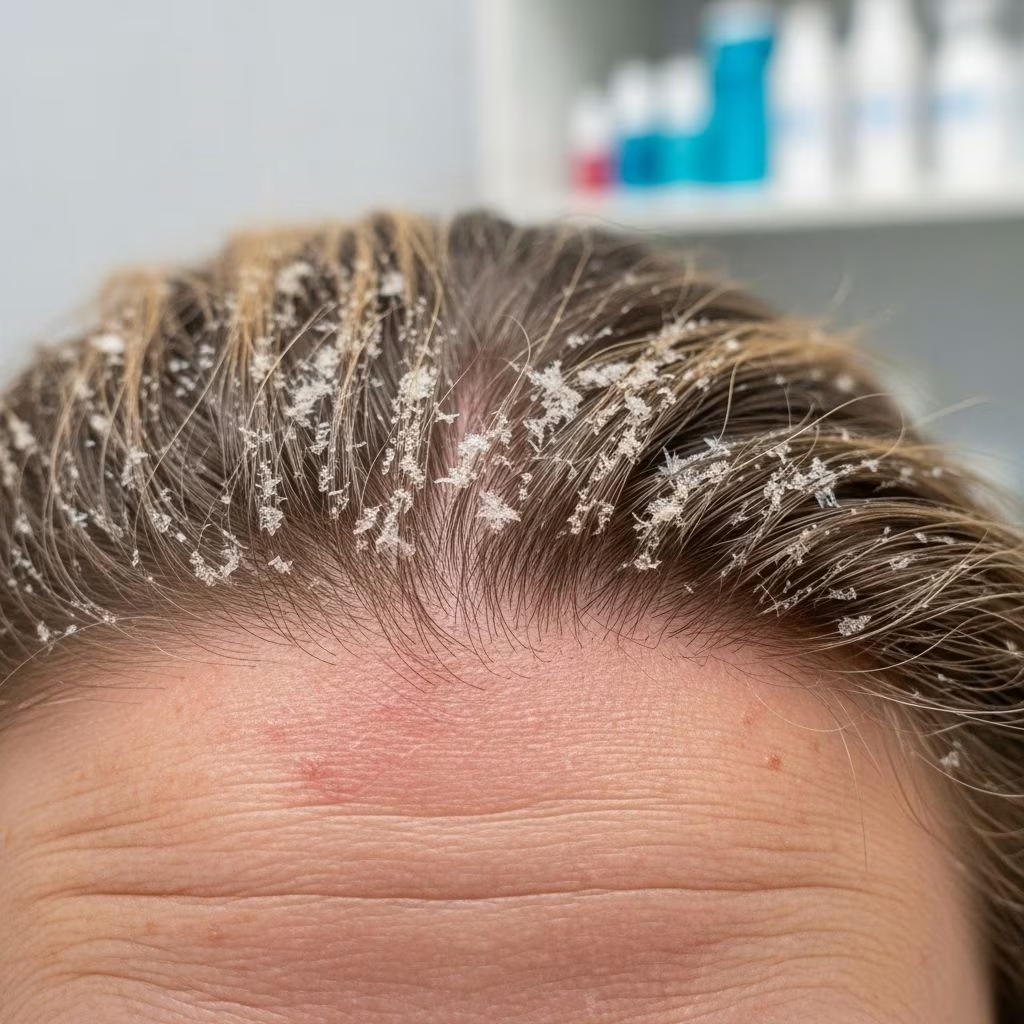
Overview of Seborrheic Dermatitis
Seborrheic dermatitis is a common, chronic, inflammatory skin condition primarily affecting areas of the body with high concentrations of sebaceous (oil-producing) glands. These include the scalp, face (especially around the nose, eyebrows, and eyelids), ears, chest, and upper back. It manifests as scaly, itchy, and often greasy patches of skin which can cause embarrassment, discomfort, and distress for those affected. Despite being a persistent condition, seborrheic dermatitis is not contagious and does not result in permanent hair loss or serious complications for most individuals.
For infants, the condition is known as cradle cap, which typically resolves without long-term effects. In adults and adolescents, it may recur periodically and often requires ongoing management.
Causes and Risk Factors
Key Contributing Factors
The exact cause of seborrheic dermatitis remains unclear. Research indicates several contributing factors:
- Overactive sebaceous glands: Excess oil production creates a favorable environment for skin changes.
- Malassezia yeast overgrowth: The skin naturally hosts the Malassezia yeast, which may proliferate excessively, triggering inflammation and flaking.
- Immune response: The body may overreact to the presence of skin yeast, resulting in inflammatory symptoms.
- Genetic predisposition: A hereditary component increases susceptibility to seborrheic dermatitis.
- Altered skin barrier function: Disruption in the skin’s protective barrier can allow for the development of symptoms.
Common Risk Factors and Triggers
- Stress and fatigue: Emotional and physical stress are well-known triggers for flare-ups.
- Seasonal changes: Fluctuations in weather, particularly cold, dry periods, tend to worsen symptoms.
- Nervous system disorders: Conditions such as Parkinson’s disease, stroke, and traumatic brain injury raise risk.
- HIV/AIDS: Individuals with compromised immune systems are at increased risk.
- Obesity and heavy alcohol use: These lifestyle factors may predispose individuals to seborrheic dermatitis.
- Other skin conditions: People with oily skin, acne, or sensitivity to hair and skin products are more likely to experience symptoms.
- Medications: Some pharmaceuticals, such as lithium and interferon, have been linked to onset or worsening of symptoms.
Symptoms and Areas Affected
Main Clinical Features
- Flaky, scaly skin: White or yellowish flakes are especially common on the scalp and face.
- Greasy plaques: Patches of skin become oily, sometimes with thick-crusted areas.
- Pruritus (itching): Many individuals report persistent itch, which may worsen with infection.
- Redness or discoloration: The affected skin often exhibits redness in lighter skin tones, and hypopigmentation or hyperpigmentation (lighter or darker patches) in darker skin.
- Burning or stinging sensation: Especially in moderate to severe cases.
- Hair loss: Temporary hair shedding can occur where plaques are most dense.
Frequently Affected Areas
- Scalp and hairline (dandruff)
- Eyebrows and eyelids
- Creases of the nose and lips
- Behind and in the outer ear
- Upper chest and back
- Groin area and under the breasts (less common)
Variations According to Age and Skin Tone
- Infants: Scalp (cradle cap) typically presents as thick, crusty scales that resolve over time.
- Adults: Chronic, recurring symptoms often requiring intermittent or long-term management.
- Darker skin: Lesions may appear lighter or darker than surrounding skin.
- Lighter skin: Lesions often appear pink or reddish.
Diagnosis and Differential Diagnosis
Diagnosis is based on clinical examination and medical history. Dermatologists look for characteristic scaly, greasy patches in typical locations. They may ask about symptom duration, triggers, and past treatments.
- Physical examination: Direct visualization of affected skin for scaling, redness, and plaque formation.
- Skin biopsy: Rarely performed, but may be needed to rule out other conditions such as psoriasis, eczema, or tinea (fungal infection).
- Blood tests: Sometimes done if an underlying condition (e.g., HIV/AIDS) is suspected.
Common Differential Diagnoses
- Psoriasis
- Atopic dermatitis (eczema)
- Contact dermatitis
- Rosacea
- Tinea capitis (scalp ringworm)
Treatment Options
Although seborrheic dermatitis cannot be “cured,” its symptoms can be efficiently managed through medical therapies and lifestyle adjustments.
Main Approaches
- Topical Antifungal Agents:
- Shampoos containing ketoconazole, ciclopirox, or selenium sulfide help limit Malassezia yeast overgrowth.
- Effective for both scalp and facial involvement.
- Topical Corticosteroids:
- Hydrocortisone or other low-potency steroids rapidly reduce inflammation and itching.
- Recommended for short-term use to minimize side effects.
- Topical Calcineurin Inhibitors:
- Drugs such as tacrolimus or pimecrolimus are alternatives for sensitive facial areas or for patients needing prolonged therapy.
- Medicated Shampoos:
- Common ingredients include zinc pyrithione, coal tar, and salicylic acid.
- Used regularly (several times per week) during active periods and reduced as symptoms improve.
Systemic Treatments (Rare, Severe Cases)
- Oral antifungal agents (e.g., itraconazole) occasionally prescribed for resistant or widespread disease.
- Oral corticosteroids—usually avoided due to side effects and relapse upon discontinuation.
Comparison Table of Common Treatments
| Treatment | Formulation | Main Uses | Advantages | Precautions |
|---|---|---|---|---|
| Ketoconazole | Shampoo, cream | Scalp, face | Targets yeast | Possible skin irritation |
| Hydrocortisone | Cream | Facial, non-scalp patches | Reduces inflammation | Short-term use |
| Zinc pyrithione | Shampoo | Scalp | Antifungal, anti-inflammatory | Can be drying |
| Coal tar | Shampoo | Scalp | Slows cell turnover | Strong odor, staining |
Home Care and Lifestyle Strategies
Successful management often requires a combination of medical treatment and daily skin care habits.
- Gentle skin care: Use mild, fragrance-free cleansers and moisturizers. Avoid harsh or irritating substances.
- Regular washing: Shampoo scalp, facial hair, and affected areas frequently with medicated products if prescribed.
- Moisturization: Prevent drying and flaking by moisturizing soon after washing.
- Limit alcohol-based products: Alcohol can further dry and irritate the skin.
- Reduce stress: Practice stress-reducing activities such as meditation, exercise, and adequate sleep.
- Monitor triggers: Keep a symptom diary to identify connections between lifestyle factors and flare-ups.
Prevention and Flare-Up Management
- Adhere to consistent skin care routines year-round, adjusting products as needed for seasonal changes.
- Limit exposure to extreme cold or dry environments.
- Avoid heavy styling products on hair or facial skin that may clog pores or irritate the skin.
- Maintain healthy lifestyle habits such as regular exercise, balanced diet, and limited alcohol consumption.
- Consult a dermatologist promptly if symptoms worsen or fail to improve with home management.
Living with Seborrheic Dermatitis
For most affected individuals, seborrheic dermatitis is a manageable condition that occurs in cycles of flare-up and remission. Psychological impact, such as embarrassment or social anxiety, is not uncommon. Support from healthcare professionals and patient organizations can aid in coping with the condition.
- Symptoms can often be controlled with proper skin care and prescribed medications.
- Long-term outcomes are generally favorable, but ongoing attention is needed to prevent recurrences.
- Joining support groups or online communities may provide additional practical advice and emotional support.
Frequently Asked Questions (FAQs)
Q: Is seborrheic dermatitis contagious?
A: No, seborrheic dermatitis is not contagious. It results from factors such as yeast overgrowth and genetic predisposition, not from person-to-person transmission.
Q: How is seborrheic dermatitis different from dandruff?
A: Dandruff is the mild form of seborrheic dermatitis affecting the scalp. Seborrheic dermatitis can involve additional areas and present with more pronounced symptoms including redness, plaques, and greasy skin.
Q: Will seborrheic dermatitis ever go away completely?
A: Symptoms may resolve temporarily, especially in infants (cradle cap), but in adults it tends to be a recurring, chronic issue requiring ongoing management.
Q: Can diet influence seborrheic dermatitis?
A: While no specific diet has proven effectiveness, maintaining overall health through balanced nutrition and hydration may help reduce flares.
Q: When should I see a dermatologist?
A: If symptoms are severe, persistent, interfere with daily life, or are worsening despite home treatments, seek professional evaluation. Also important if infection is suspected or new symptoms develop.
Q: Are there alternative remedies?
A: Some alternative treatments such as tea tree oil shampoos or aloe vera may offer mild relief, but efficacy varies and scientific support is limited. Always discuss alternative therapies with a healthcare provider before use.
References
- https://medlineplus.gov/ency/article/000963.htm
- https://www.healthline.com/health/skin/seborrheic-dermatitis
- https://nationaleczema.org/types-of-eczema/seborrheic-dermatitis/
- https://www.mayoclinic.org/diseases-conditions/seborrheic-dermatitis/symptoms-causes/syc-20352710
- https://my.clevelandclinic.org/health/diseases/14403-seborrheic-dermatitis
- https://www.aad.org/public/diseases/a-z/seborrheic-dermatitis-symptoms
- https://www.ncbi.nlm.nih.gov/books/NBK551707/
- https://www.aafp.org/pubs/afp/issues/2015/0201/p185.html
- https://da-pdx.com/what-is-seborrheic-dermatitis/


