


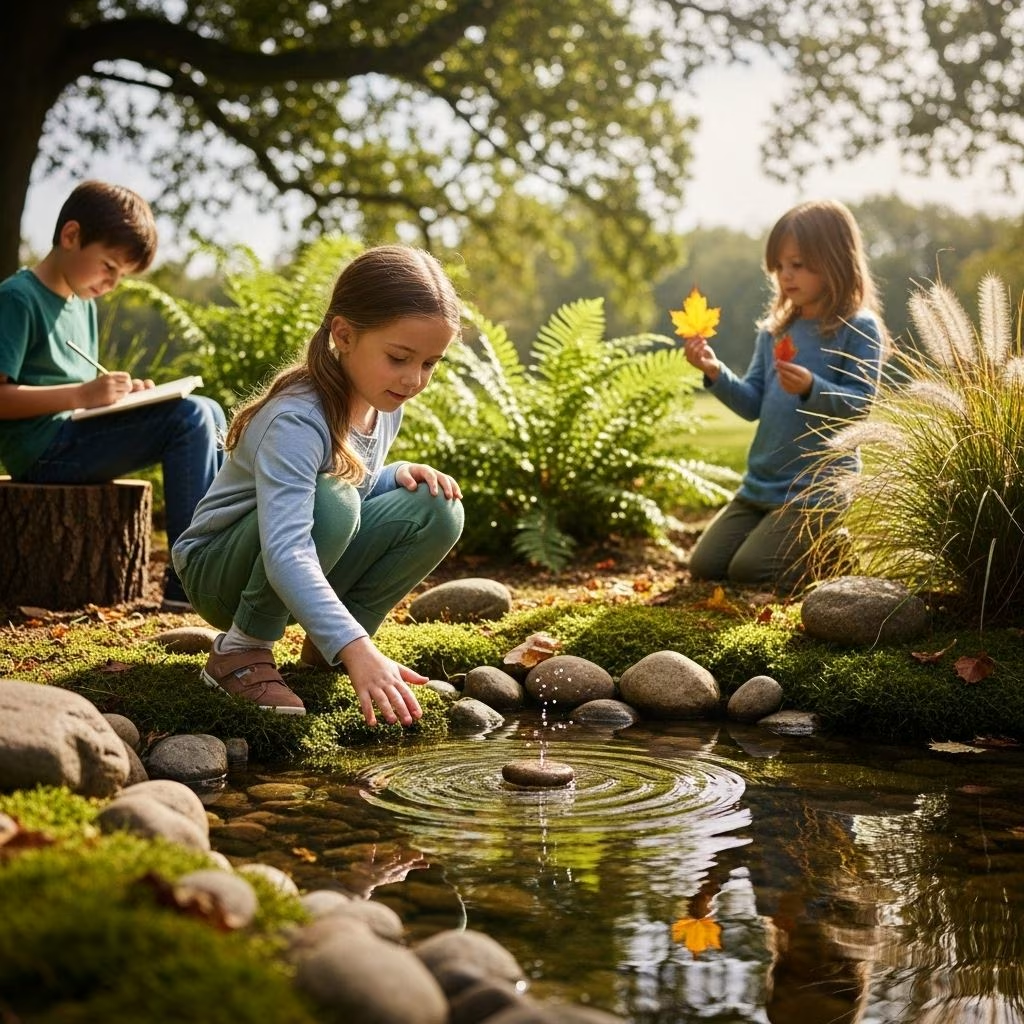
Children with high auditory sensitivity often face unique challenges when participating in typical outdoor play. Loud noises, unpredictable sounds, and crowded environments can quickly become overwhelming, making it hard for these children to enjoy the physical, social, and emotional benefits of outdoor recreation. By thoughtfully adapting activities and settings, parents, caregivers, and educators can create inclusive, calming outdoor experiences that promote exploration, learning, and relaxation.
Understanding High Auditory Sensitivity in Children
High auditory sensitivity, often observed in children with sensory processing disorder (SPD), autism spectrum disorder (ASD), or anxiety, involves an increased awareness and sensitivity to sounds that are barely noticed or ignored by others. Everyday noises—like rustling leaves, barking dogs, or distant traffic—can trigger stress, discomfort, or emotional distress. Outdoor spaces, while full of natural beauty and benefits, sometimes present unpredictable or intense sensory input for these children.
- Signs of auditory sensitivity include covering ears, distress or avoidance in noisy places, or strong reactions to sudden sounds.
- Common triggers outdoors include lawn mowers, playground shouts, barking dogs, whistles, car horns, or large crowds.
- With proper planning, children can safely enjoy the outdoors, benefiting from gentle activities tailored to their needs.
The Importance of Outdoor Play
Nature and outdoor play offer restorative and therapeutic benefits for all children, but especially those with high auditory sensitivity. Being outside encourages movement, exploration, and engagement with the natural world, facilitating:
- Emotional regulation and reduced anxiety
- Improved focus and attention
- Social communication and connection
- Motor skills development
For kids with sensory processing challenges, tailored outdoor activities can also help gently build resilience to certain sounds in a supportive, positive context.
Planning Outdoor Activities: Strategies & Tips
Careful planning and preparation are essential when organizing outdoor activities for children with high auditory sensitivity. Consider these approaches for a supportive experience:
- Understand individual triggers by observing or discussing which sounds are most upsetting for your child.
- Choose times and locations strategically: Visit quiet parks, gardens, or nature reserves during off-peak hours to avoid crowds and high noise levels.
- Use visual schedules or social stories to prepare your child for what to expect, helping them feel secure and in control.
- Bring familiar comfort items, such as headphones, ear defenders, or a favorite sensory toy, for immediate support if needed.
- Plan gradual exposure by starting with brief outings and slowly increasing time outdoors as your child becomes more comfortable.
Sensory-Friendly Outdoor Activities
Many outdoor activities can be easily adapted for children who are sensitive to noise. Focus on options that are gentle, low-stimulus, and allow your child to set the pace.
Gentle Nature Walks
Walking along quiet trails, forest paths, or gardens offers multisensory input—birdsong, soft breezes, fresh smells—without the chaos of loud playgrounds. Look for:
- Accessible, less-trafficked trails that minimize unpredictable noises.
- Low-noise times like weekday mornings or late afternoons.
- Stopping points for smelling flowers, touching leaves, or watching clouds.
Tip: Use a ‘quiet walk’ game, encouraging children to listen for soft sounds like rustling leaves or distant birds. This focused attention can help gently integrate tolerable natural noises.
Gardening and Sensory Exploration
Gardens offer tactile, visual, and olfactory experiences with minimal sound. Consider:
- Planting seeds and digging in the dirt, which support fine motor skills and sensory regulation.
- Watering plants—the sound of trickling water is soothing for many children.
- Harvesting fruits, vegetables, or flowers at a sensory-friendly pace.
Water Play in Natural Settings
Water has a calming effect, and natural bodies of water usually provide a more predictable, ambient noise level than busy pools or splash pads. Ideas include:
- Playing at a quiet lake, creek, or stream.
- Splashing, pouring, and floating objects in shallow water.
- Watching ripples, or collecting smooth stones and shells.
Safety Note: Always supervise children closely near water.
Low-Noise Sensory Scavenger Hunts
Scavenger hunts that focus on touch, sight, and smell (rather than sound) support exploration without overwhelming auditory input. Try:
- Find items like soft leaves, unique rocks, pinecones, or flowers.
- Use picture checklists or cards to guide the search.
- Keep the group small to maintain calm.
Movement Activities for Sensory Regulation
Physical activity helps regulate the nervous system and can be adapted for highly sensitive children:
- Rolling down grassy hills to stimulate sense of balance (vestibular input) without excessive noise.
- Walking barefoot on grass or sand for gentle tactile stimulation.
- Simple obstacle courses with balancing, jumping, or crawling in quiet spaces.
Tip: Avoid hard surfaces that may echo or create loud impact sounds.
Nature Art and Creative Play
Nurture creativity and fine motor skills with low-auditory, outdoor art projects:
- Mud painting on rocks, wood, or cardboard.
- Bark and leaf rubbings or nature-based collage-making.
- Building small sculptures or fairy houses from sticks, pebbles, and other found items.
Quiet Observation and Wildlife Watching
For sensitive children, moments of peaceful observation can be deeply soothing:
- Birdwatching in a quiet park or from your backyard with binoculars.
- Watching clouds, butterflies, or insects on a picnic blanket.
- Mindful listening to gentle natural sounds (wind in trees, distant songbirds) if tolerable.
Adapting Outdoor Environments
Simple adjustments to settings can make outdoor spaces more welcoming:
- Seek out designated sensory-friendly parks or quiet zones with natural sound barriers like bushes or trees.
- Visit during low-traffic times or choose secluded picnic spots away from playground noise.
- Use portable shelters (small tents, pop-up canopies) in open spaces to provide a safe retreat.
- Pack a sound meter (or use a smartphone app) to measure noise levels and help make informed choices.
| Environment | Typical Noise Level | Child Experience |
|---|---|---|
| Botanical Gardens | Low, gentle sounds | Calm, relaxing |
| City Playgrounds (peak hours) | High, abrupt sounds | Overwhelming, stressful |
| Wooded Trails (off hours) | Low, natural sounds | Peaceful, focused |
| Outdoor Festivals | High, unpredictable noise | Often intolerable |
Managing Sensory Overload and Challenges
Even with preparation, children may feel overwhelmed. Equip yourself with strategies to prevent and respond to overload:
- Monitor for early signs of distress (covering ears, withdrawal, irritability).
- Take regular breaks in a quiet shaded area or inside a car if needed.
- Offer noise-canceling headphones or soft earplugs for sudden loud sounds.
- Validate feelings: acknowledge when environments are too loud and offer choices.
- Use calming sensory tools (fidget toys, soft blankets, chewable jewelry) as needed.
Promoting autonomy—by letting children decide when and how long to participate—builds self-esteem and trust.
Helpful Equipment and Sensory Tools
- Headphones/ear defenders for controlling noise exposure.
- Hats and sunglasses to soften visual input in bright environments.
- Blankets or pop-up tents for creating personal quiet spaces outdoors.
- Portable sensory toys for fidgeting, chewing, or tactile comfort.
- Water bottles, snacks, and sunscreen for overall comfort.
Frequently Asked Questions (FAQs)
What are the best times of day to go outside with a child who has high auditory sensitivity?
Early mornings or late afternoons during weekdays tend to have the least outdoor noise, fewer crowds, and softer ambient sounds.
How can I prepare my child for a new outdoor environment?
Use visual schedules or social stories to introduce what they will see and do. Bring comfort items and start with short outings, gradually building up as their confidence grows.
What should I do if my child becomes overwhelmed outdoors?
Move to a quieter spot, offer headphones or earplugs, and use sensory tools for comfort. Give your child time and space to recover, and avoid pushing them to continue if they are distressed.
Are there specific parks or destinations that are sensory-friendly?
Some areas offer sensory-friendly parks or quiet nature reserves specifically designed for children with sensory differences. Look for locations that advertise sensory hours or adaptive features.
Can these activities be adapted for children with other types of sensory sensitivities?
Yes, most of the activities outlined benefit children who are sensitive in various sensory domains—just personalize based on individual preferences and needs.
Conclusion
Nature belongs to everyone, and with thoughtful planning, outdoor experiences can be made accessible and enjoyable for kids with high auditory sensitivity. Gentle walks, gardening, water play, movement games, and quiet observation nurture development while minimizing distress. Remember:
- Accommodate your child’s unique needs and preferences at every stage.
- Opt for predictable, peaceful environments and bring along comforting tools.
- Gradually build resilience, always prioritizing your child’s comfort, autonomy, and joy.
Through steady encouragement and creative adaptation, the outdoors can become a source of strength, connection, and happiness for even the most sensitive children.
References
- https://advancedabatherapy.com/fa/sensory-friendly-outdoor-activities-guide/
- https://activeforlife.com/20-outdoor-sensory-play-activities/
- https://funandfunction.com/blog/sensory-activities-outdoors
- https://www.theottoolbox.com/outdoor-sensory-diet-activities/
- https://www.outdoortoys.com/blogs/guides/sensory-outdoor-activities-for-kids
- https://getthekidsoutside.com/outdoor-sensory-activities/
- https://behavioral-innovations.com/blog/attending-outdoor-events-for-children-with-sensory-challenges/
- https://www.additudemag.com/sensory-toys-spd-exercises-child/
- https://www.plt.org/educator-tips/nature-based-sensory-activities/


