


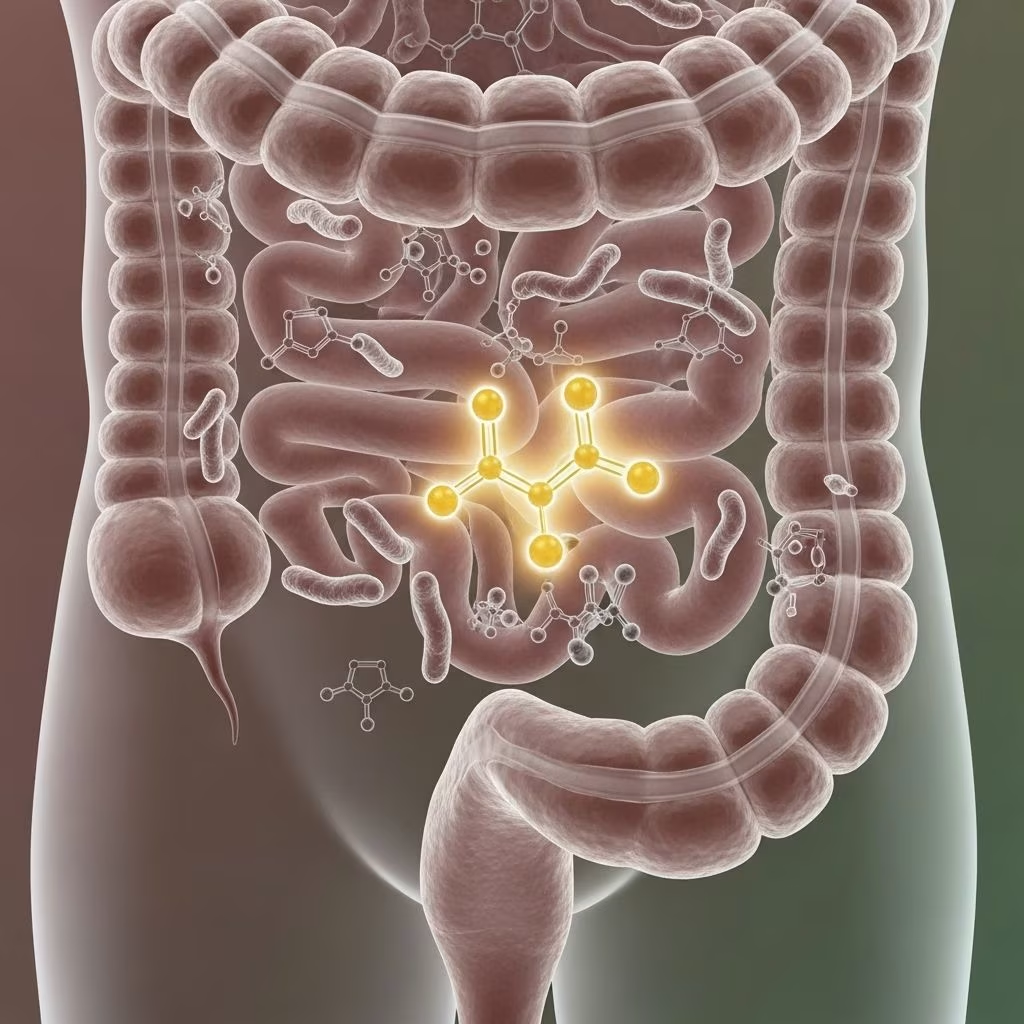
Short-chain fatty acids (SCFAs) are metabolites with far-reaching influence on digestive health, especially within the colon. Among these, butyrate stands out for its profound benefits ranging from cellular nourishment to inflammation reduction and even cancer prevention. This article delves deeply into the world of SCFAs, examining their origins, multi-faceted roles in colon health, and offers practical guidance on how diet and lifestyle can promote their production.
Introduction to Short-Chain Fatty Acids (SCFAs)
SCFAs are fatty acids with fewer than six carbon atoms, primarily produced by the fermentation of dietary fiber by gut bacteria. They play a crucial role as energy sources for colonic epithelial cells and serve as important messengers for health and disease prevention.
The main SCFAs in the human gut are:
- Acetate (C2)
- Propionate (C3)
- Butyrate (C4)
Together, these account for more than 95% of SCFAs produced and are present in a typical molar ratio of 6:2:2 (acetate: propionate: butyrate).
Production of SCFAs in the Colon
SCFAs are generated through bacterial fermentation of complex carbohydrates—mostly dietary fiber—that escape digestion in the small intestine. This process takes place predominantly in the colon. The composition and metabolic activity of the gut microbiota, the amount and type of fiber consumed, and gut transit time all influence SCFA production.
- High-fiber foods (e.g., whole grains, legumes, vegetables) feed these beneficial bacteria, leading to increased SCFA output.
- Animal-based foods and highly processed foods tend to result in less SCFA production.
Process in Brief
- Dietary fiber and resistant starch reach the colon undigested.
- Gut bacteria ferment these carbohydrates, producing SCFAs and gases as byproducts.
- SCFAs are absorbed by colonocytes (cells lining the colon) and influence local and systemic health.
Major Types of Short-Chain Fatty Acids
Acetate, propionate, and butyrate are the major SCFAs, each playing unique roles:
| SCFA | Key Functions | Main Site of Action |
|---|---|---|
| Acetate (C2) | Energy source, lipid synthesis | Systemic (enters bloodstream) |
| Propionate (C3) | Precursor for gluconeogenesis (glucose production in liver) | Liver, systemic |
| Butyrate (C4) | Main energy for colonocytes, anti-inflammatory, barrier maintenance | Colon |
Mechanisms of SCFAs in Colon Health
- Nutrition for Colonocytes: Butyrate is the preferred fuel for cells lining the colon, helping maintain cellular health and function.
- pH Regulation: SCFAs lower the pH in the colon, suppressing the growth of harmful bacteria while supporting beneficial microbes.
- Enhanced Mineral Absorption: A lower colonic pH facilitates absorption of minerals such as calcium and magnesium.
- Barrier Integrity: SCFAs promote the expression of proteins that form tight junctions between cells, maintaining the gut barrier and preventing “leaky gut”.
Butyrate: Guardian of the Colon
Butyrate stands apart as a critical molecule for colon health, impacting numerous physiological and cellular mechanisms:
- Primary energy source for colonocytes: Colon cells derive up to 60–70% of their energy from butyrate, which sustains their structure and natural turnover.
- Anti-inflammatory action: Butyrate inhibits inflammatory pathways
References
- https://www.healthline.com/nutrition/short-chain-fatty-acids-101
- https://pmc.ncbi.nlm.nih.gov/articles/PMC11387572/
- https://www.webmd.com/digestive-disorders/what-to-know-short-chain-fatty-acids
- https://www.nature.com/articles/s41598-019-53242-x
- https://pmc.ncbi.nlm.nih.gov/articles/PMC9498509/
- https://www.frontiersin.org/journals/neuroscience/articles/10.3389/fnins.2023.1197759/full
- https://zoe.com/learn/what-are-short-chain-fatty-acids


