


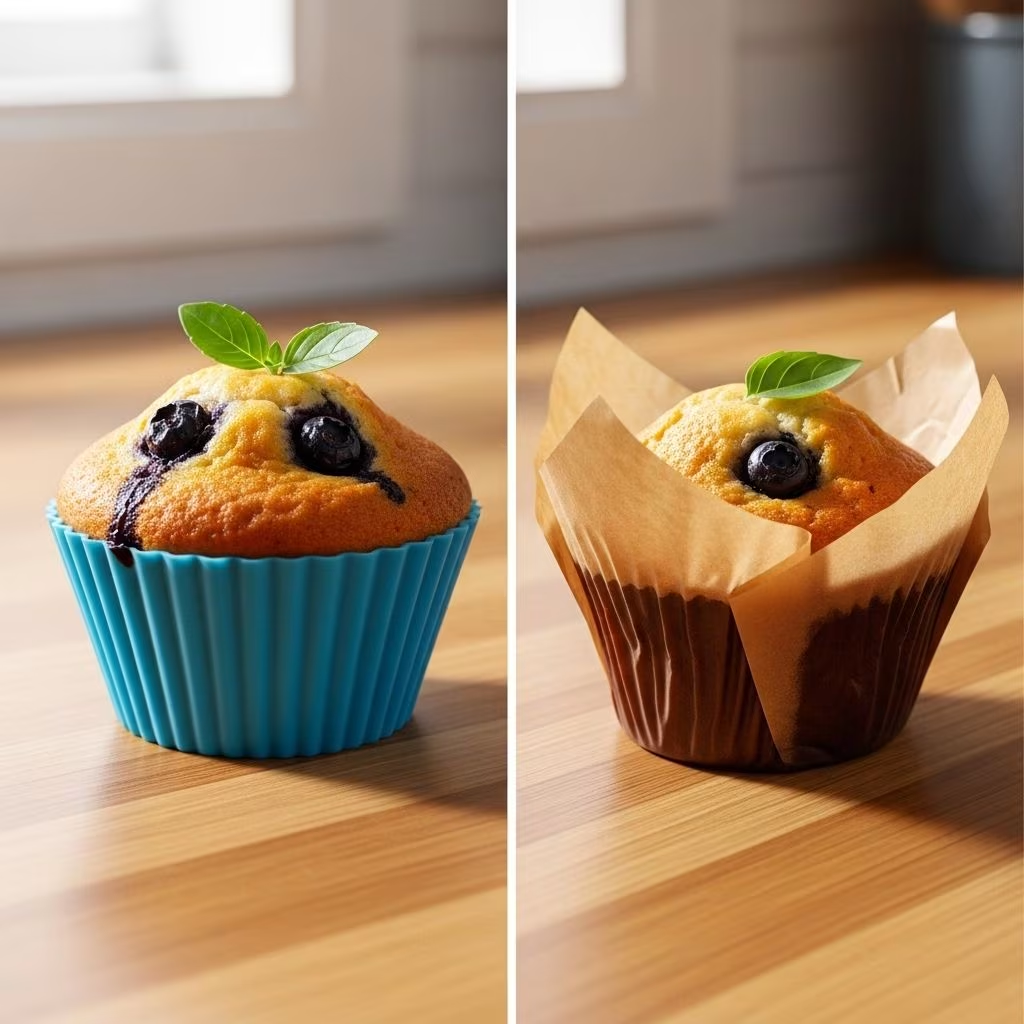
Silicone vs Paper Muffin Liners for Healthy Baking
Choosing the right muffin liner can significantly impact your baking experience, health outcomes, environmental footprint, and the quality of your final product. This in-depth guide compares silicone and paper muffin liners, focusing on healthy baking practices. From safety and chemical exposure to ease of use, environmental considerations, cost, and practical kitchen performance, we cover every angle you need to make the best choice for your baking routine.
Overview: Muffin Liners in Healthy Baking
Muffin liners are a staple in home and professional kitchens, serving to prevent sticking, simplify cleanup, and add a decorative element to baked goods. When it comes to healthy baking, liners can also influence chemical exposure, portion control, and convenience. The most common materials are paper and silicone, each with unique advantages and drawbacks for health-focused bakers.
Key Features of Silicone and Paper Muffin Liners
Silicone Muffin Liners
- Non-stick surface: No need for oil or spray, promoting lower-fat recipes.
- Reusable: Can be washed and reused, reducing waste.
- Dishwasher safe: Streamlines cleanup.
- Heat-resistant: Typically safe up to 500°F (260°C).
- Variety: Available in assorted colors and shapes.
- Self-standing: Can be placed directly on a baking sheet, no need for a muffin tray.
Paper Muffin Liners
- Disposable: No need to wash; easy post-bake cleanup.
- Variety: Wide selection of colors, prints, and finishes for presentation.
- Gift-friendly: Muffins can be shared without reclaiming liners.
- Breathable: May help keep muffins moist and cool evenly.
- Potential for sticking: Can stick to baked goods, leading to waste and loss of product.
Food Safety and Health: Materials, Chemical Exposure & Baking Temperature
Silicone Liners
- Material: Made from food-grade silicone, flexible and heat-resistant.
- Chemical Safety: High-quality silicone is considered stable and non-reactive. Look for BPA-free and FDA-approved products. Some low-quality silicones may contain fillers, so purchasing from reputable brands is critical.
- Baking Temperature: Can safely withstand temperatures up to 500°F (260°C). Avoid using above recommended temperatures to prevent degradation.
- Health Risks: Minimal risk of transferring chemicals when using food-grade silicone. No need for additional oils or fats, supporting lower-calorie and lower-fat baking.
Paper Liners
- Material: Typically made from bleached or unbleached paper. Specialty versions (e.g., parchment, waxed) are also available.
- Chemical Safety: Unbleached, natural, or chlorine-free versions minimize risk of chemical leaching. Some cheaper paper liners may use dyes or coatings not intended for high-heat food contact.
- Baking Temperature: Generally safe up to 425°F (218°C); exceeding this may cause browning or burning.
- Health Risks: May require oiling to prevent sticking, adding extra fat and calories. Risk of crumbs and muffin sticking, leading to food waste.
Environmental Impact: Reusability & Waste
| Feature | Silicone Liners | Paper Liners |
|---|---|---|
| Reusability | Can be reused hundreds of times | Single-use; disposed after one bake |
| Waste Generation | Very low; only packaging waste | Consistent waste with frequent baking |
| Degradability | Not biodegradable; can last years | Biodegradable (if uncoated/unwaxed) |
| Eco-Friendliness | Lower waste and resource use over time | Better for infrequent bakers; less sustainable for frequent baking |
Ease of Use: Baking, Cleanup & Presentation
Silicone Liners
- Non-stick Removal: Muffins come out easily and leave minimal residue.
- No Muffin Pan Needed: Sturdy enough to stand alone on a baking sheet.
- Storage: Flexible but may occupy more space, difficult to stack neatly.
- Cleaning: Dishwasher safe but may require hand washing for stubborn residue.
- Reusable: Must be tracked and kept; may not be as convenient for sharing baked goods.
- Presentation: Less suited for gifting unless you supply the liners as part of the gift.
Paper Liners
- Disposable: Throw away after use; no cleaning needed.
- Convenient: Ideal for bake sales, parties, and gifting.
- Sticking Issues: Muffins may adhere to liner and leave food behind.
- Variety: Choose from many colors, designs, and themes; ideal for presentation.
- Moisture Retention: May help maintain moist texture during cooling.
Baking Results: Texture, Moisture, and Appearance
Texture and Release
- Silicone liners consistently release muffins and cupcakes without sticking, minimizing baking waste.
- Edges baked in silicone may be smoother and more uniform, but can turn out slightly gummier if cooled inside liners. Allow muffins to cool outside the liners for a firmer texture.
- Paper liners can stick to baked items, removing some product during peeling.
Moisture and Appearance
- Paper liners’ breathability can help preserve moisture and give a slightly softer edge when cooled in the liner.
- Silicone liners’ nonporous surface may result in edges that are a touch firmer if properly cooled.
- Paper liners, with their patterns and colors, enhance presentation for parties and events.
Cost Analysis: Upfront & Long-term Value
Silicone Liners
- Initial Cost: Higher per liner; sets can be an investment.
- Long-term Value: Highly cost-effective if baking regularly—reusable for years.
Paper Liners
- Initial Cost: Low per liner; available in bulk packs.
- Long-term Value: Can add up in cost for daily or weekly baking, as each batch requires disposable liners.
Quick Comparison Table
| Aspect | Silicone Muffin Liners | Paper Muffin Liners |
|---|---|---|
| Health & Safety | BPA-free, non-stick, high-temp safe | Choose unbleached/natural; may stick |
| Eco-Friendliness | Reusable, less waste | Disposable, more waste |
| Usability | Easy release, harder cleaning | No cleaning, may stick to baked goods |
| Presentation | Limited for gifting | Ideal for events/gifting |
| Cost | Higher upfront, lower long-term | Lower upfront, higher long-term |
Frequently Asked Questions
Q: Can I use paper liners inside a silicone muffin pan?
A: Yes, it is completely optional. Silicone muffin pans are non-stick, but using paper liners may help with decoration or easier cleanup when baking sticky batters.
Q: Are silicone liners safe for healthy baking?
A: Food-grade silicone is considered safe and stable for baking at recommended temperatures. Be sure to choose BPA-free, FDA-approved brands to avoid unsafe chemical exposure.
Q: Do paper liners always stick to muffins?
A: Not always, but sticking is common especially with low-fat batters. Using parchment or non-stick paper liners can help, or lightly oiling the liner before filling.
Q: Which is better for gifting baked goods?
A: Paper liners are far more convenient for gifting, as silicone liners are reusable and should generally be returned after use.
Q: Can I bake directly in silicone liners without a muffin pan?
A: Yes, silicone liners are sturdy and hold their shape well enough to bake straight on a flat tray or baking sheet, which is ideal for small kitchens or toaster ovens.
Conclusion: Which Muffin Liner Is Best for Healthy Baking?
The choice between silicone and paper muffin liners for healthy baking depends on your priorities and baking frequency:
- If health, sustainability, and long-term value are highest priorities: Choose silicone liners for their non-stick performance, reusability, and minimal chemical exposure, especially if baking regularly.
- If convenience and presentation are more important: Opt for paper liners for easy disposal, variety of design options, and efficient gifting, particularly for occasional bakers or social events.
Ultimately, both liners can support healthy baking when quality products and proper practices are used. Experiment with both options to determine which best matches your kitchen habits, health goals, and environmental commitments.
References
- https://arinaphotography.com/silicone-vs-paper-cupcake-liners/
- https://www.siliconemania.com/blogs/post/can-you-use-paper-liners-in-silicone-muffin-pans
- https://bakingbites.com/2009/02/silicups-silicone-baking-cups-reviewed/
- https://www.atozformoms.com/silicone-vs-paper-cupcake-liners/
- https://amonkeyonacupcake.com/silicone-cupcake-liners-versus-paper-cupcake-liners/


