


Table of Content
- Introduction
- Skin Fasting for Teens
- Benefits of Skin Fasting
- Risks and Considerations
- Slugging Explained
- Benefits of Slugging
- How to Slug
- Who Should Try Slugging?
- Risks of Slugging
- Skin Fasting vs. Slugging: A Comparison
- Special Considerations for Teen Skin
- Can You Combine Skin Fasting and Slugging?
- Expert Tips for Teen Skincare
- FAQs
- Conclusion
Introduction
Teenage years are a period of rapid growth, hormonal changes, and, for many, the onset of skin concerns like acne, oiliness, and dryness. The internet is flooded with skincare trends, and two that have gained attention recently are skin fasting and slugging. But what do these practices mean for teenagers? Are they safe and effective for young, developing skin? This comprehensive guide explores both trends, examining their benefits, risks, and suitability for teens, backed by expert insights and research.
Skin Fasting for Teens
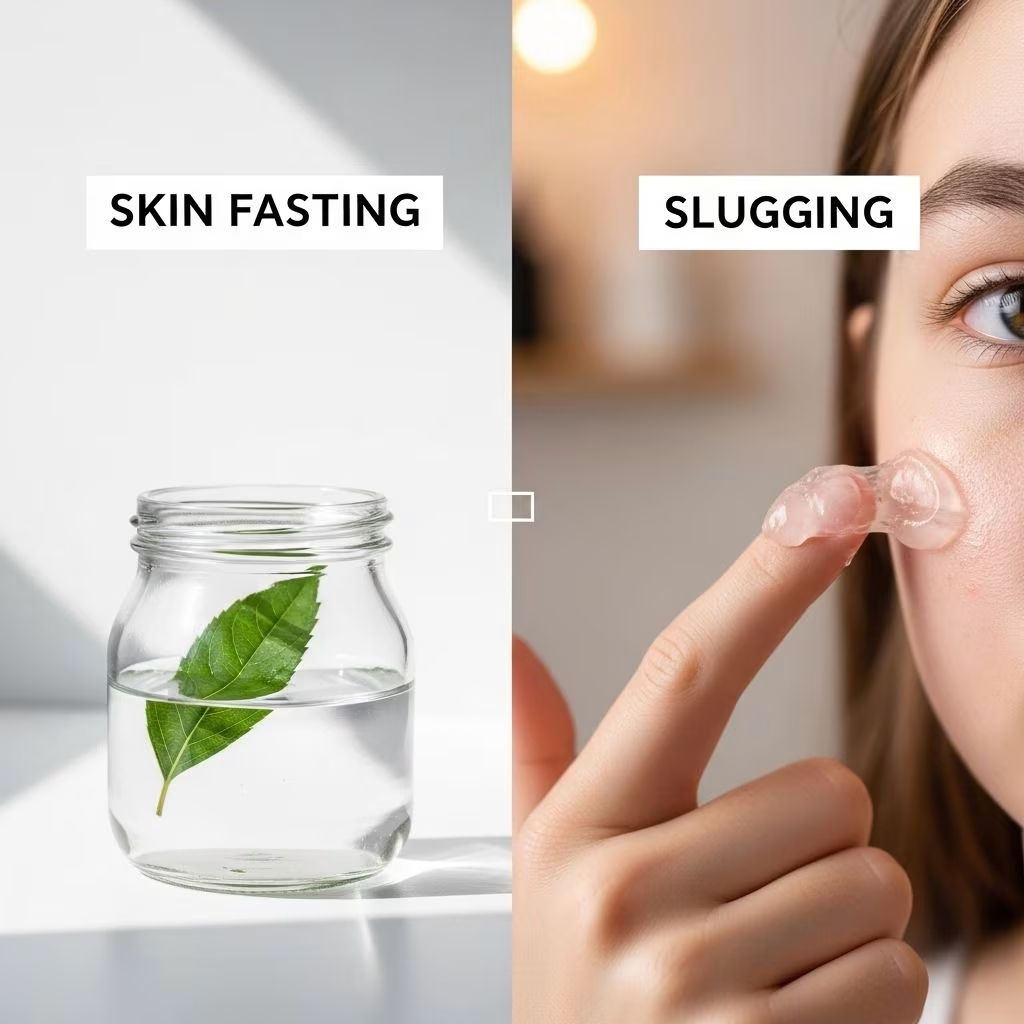
Skin fasting is the practice of temporarily reducing or eliminating your daily skincare products in an effort to allow the skin to “reset” and function more naturally. The idea is to let the skin regain its balance by minimizing external interventions, especially those that might irritate or overwhelm it. For teens, this could mean taking a break from cleansers, toners, scrubs, and heavy moisturizers for a period—usually a few days to a week.
What Does Skin Fasting Involve?
- Stopping most skincare products, sometimes even cleansers.
- Using only water or minimal, non-irritating products.
- Observing any changes in skin texture, oiliness, dryness, or breakouts.
- Gradually reintroducing products to see which are truly necessary.
Benefits of Skin Fasting
The potential benefits of skin fasting for teens include:
- Reduced Irritation: Young skin can be sensitive to multiple products. Skin fasting may help teens identify which products cause irritation or breakouts.
- Natural Rebalancing: By letting the skin’s natural oils and microbiome recalibrate, skin fasting could help normalize oil production and pH.
- Minimalism: Teens may discover that a simpler routine is just as effective—or more effective—than a complex regimen.
Risks and Considerations
However, skin fasting isn’t risk-free, especially during puberty when hormonal changes often cause acne and oiliness. Key concerns include:
- Acne Flare-Ups: Reducing cleansing can lead to buildup of oil and bacteria, worsening acne.
- Dryness and Sensitivity: Teenagers with dry or sensitive skin may experience increased dryness or irritation.
- Sun Damage: Forgoing sunscreen increases the risk of sunburn and long-term UV damage.
- Overcorrection: There’s limited scientific evidence supporting skin fasting, and results vary widely among individuals.
Slugging Explained
In contrast to skin fasting, slugging is a hydration-focused trend that originated in Korean beauty circles and has recently gone viral on social media. Slugging involves applying an occlusive product—typically petroleum jelly or mineral oil—over your nighttime skincare products to seal in moisture and active ingredients. The name comes from the shiny, slug-like appearance of the skin after application.
How Does Slugging Work?
Occlusives like petroleum jelly create a physical barrier on the skin’s surface, preventing transepidermal water loss (TEWL)—the evaporation of moisture from the skin. By locking in hydration and skincare actives, slugging aims to boost skin repair and barrier function, especially overnight when the skin’s natural repair processes are most active.
Benefits of Slugging
For teens, especially those with dry, dehydrated, or sensitive skin, slugging may offer several benefits:
- Intense Hydration: Slugging can help plump and soften skin by retaining moisture overnight.
- Barrier Support: Occlusives may restore skin lipids and strengthen the natural moisture barrier, which can be particularly helpful for teens with eczema or reactive skin.
- Reduced Dry Patches: Regular use may minimize flakiness and rough texture.
- Enhanced Product Efficacy: By trapping actives on the skin, slugging may increase the effectiveness of other skincare products.
How to Slug
If you’re interested in trying slugging, here’s a simple routine:
- Cleanse: Wash your face with a gentle cleanser.
- Hydrate: Apply your usual moisturizer, serums, or treatments.
- Occlusive Layer: Spread a thin layer of petroleum jelly or mineral oil over your face, avoiding the eye area.
- Bedtime: Sleep with the product on; wash it off in the morning.
Who Should Try Slugging?
Slugging is best suited for:
- Dry or Dehydrated Skin: Teens struggling with persistent dryness may benefit most.
- Eczema-Prone Skin: Those with compromised barriers and eczema may find relief from irritation and dryness.
- Non-Acne-Prone Skin: Because occlusives can trap oil and bacteria, slugging is generally not recommended for acne-prone or oily skin types.
Risks of Slugging
While many experience benefits, slugging also has potential downsides:
- Breakouts: For acne-prone teens, occlusives can clog pores and trigger or worsen breakouts.
- Greasy Feel: Some may find the texture uncomfortable, especially during warmer months.
- Irritation: Those sensitive to petrolatum or mineral oil might experience irritation.
Skin Fasting vs. Slugging: A Comparison
| Aspect | Skin Fasting | Slugging |
|---|---|---|
| Purpose | Let skin reset and reduce reliance on products | Seal in moisture and enhance product efficacy |
| Method | Minimize or eliminate product use | Apply occlusive product as part of a routine |
| Best For | Teens with sensitive, easily overwhelmed skin; may help identify irritants | Teens with dry, dehydrated, or eczema-prone skin; not ideal for acne-prone |
| Risks | Possible acne flare-ups, irritation, dryness, sun exposure | Potential for clogged pores, acne, greasiness |
| Evidence Base | Limited, anecdotal | Some research on occlusion for barrier repair |
Special Considerations for Teen Skin
Teen skin is unique due to fluctuating hormones, increased oil production, and a higher likelihood of acne. When considering skin fasting or slugging, it’s important to:
- Patch-Test: Always test new products or routines on a small area first.
- Consult a Dermatologist: If you have acne, eczema, or persistent irritation, professional guidance is essential.
- Avoid Over-Exfoliation: Teens often overuse exfoliants, which can damage the skin barrier. Skin fasting can help limit this.
- Never Skip Sunscreen: Even if fasting, daily UV protection is critical for long-term skin health.
Can You Combine Skin Fasting and Slugging?
While these trends seem opposite, some teens may benefit from using both under certain conditions:
- Alternate Approaches: Try skin fasting to identify irritants, then reintroduce a simple routine with slugging for extra hydration if needed.
- Listen to Your Skin: Adjust based on your skin’s daily needs—hydration and minimalism aren’t mutually exclusive.
- Avoid Overcomplicating: The goal is healthy skin, not following trends blindly.
Expert Tips for Teen Skincare
To optimize your routine—whether you’re skin fasting, slugging, or following a different approach—consider these tips:
- Gentle Cleansing: Use a mild, pH-balanced cleanser suitable for your skin type.
- Moisturize Wisely: Even oily skin needs hydration—lightweight, non-comedogenic moisturizers are ideal.
- Sun Protection: Apply a broad-spectrum SPF every morning, year-round.
- Consistency: Give new routines time to work—skin changes don’t happen overnight.
- Hydration and Diet: Drink plenty of water and maintain a balanced diet for skin health from within.
FAQs
Q: Can skin fasting help with teen acne?
Skin fasting may help some teens identify which products trigger breakouts by eliminating potential irritants. However, stopping all cleansing could worsen acne for others, especially if excess oil and bacteria accumulate.
Q: Is slugging safe for oily, acne-prone teenage skin?
Slugging is generally not recommended for oily or acne-prone skin, as occlusives can trap oil and bacteria, potentially leading to breakouts. If you’re prone to acne, focus on non-comedogenic hydration instead.
Q: How long should I try skin fasting?
Start with a short period—3 to 7 days—to observe how your skin reacts. If you notice improvement, consider extending or adjusting your routine. If irritation or breakouts worsen, resume your regular regimen.
Q: Can I slug every night?
If your skin tolerates slugging well, nightly use may be fine for those with dry or dehydrated skin. For others, even occasional use (2–3 times per week) may be enough to boost hydration without causing issues.
Q: Do I need a prescription product for these routines?
Most skin fasting and slugging involve over-the-counter products. However, if you have persistent acne, eczema, or other skin conditions, consult a dermatologist for personalized treatment.
Conclusion
Skin fasting and slugging represent two ends of the skincare spectrum—minimalism and intensive hydration. While both have potential benefits, their suitability depends on your unique skin concerns and type. For most teens, a balanced, gentle routine—tailored to your specific needs—is the best path to healthy, glowing skin. Always prioritize safety, listen to your skin, and don’t hesitate to seek professional advice when needed. By understanding and thoughtfully applying trends like skin fasting and slugging, you can make informed choices for your skincare journey.
References
- https://www.healthline.com/health/skin/slugging-skin
- https://edermgroup.com/dermatology-blog/the-ultimate-guide-to-slugging-unlocking-the-secrets-of-beauty-skincare
- https://www.clinique.com/skin-school-blog/skin-experts/what-is-slugging
- https://www.neutrogena.com/the-bar/what-is-slugging
- https://www.webmd.com/beauty/what-is-slugging-for-your-skin
- https://health.clevelandclinic.org/slugging
- https://www.piedmont.org/living-real-change/is-slugging-good-for-your-skin
- https://www.bloomspa.com/aesthetic-guides/demystifying-the-beauty-trend-of-slugging-in-skincare/
- https://www.cerave.com/skin-smarts/skincare-tips-advice/what-is-slugging


