


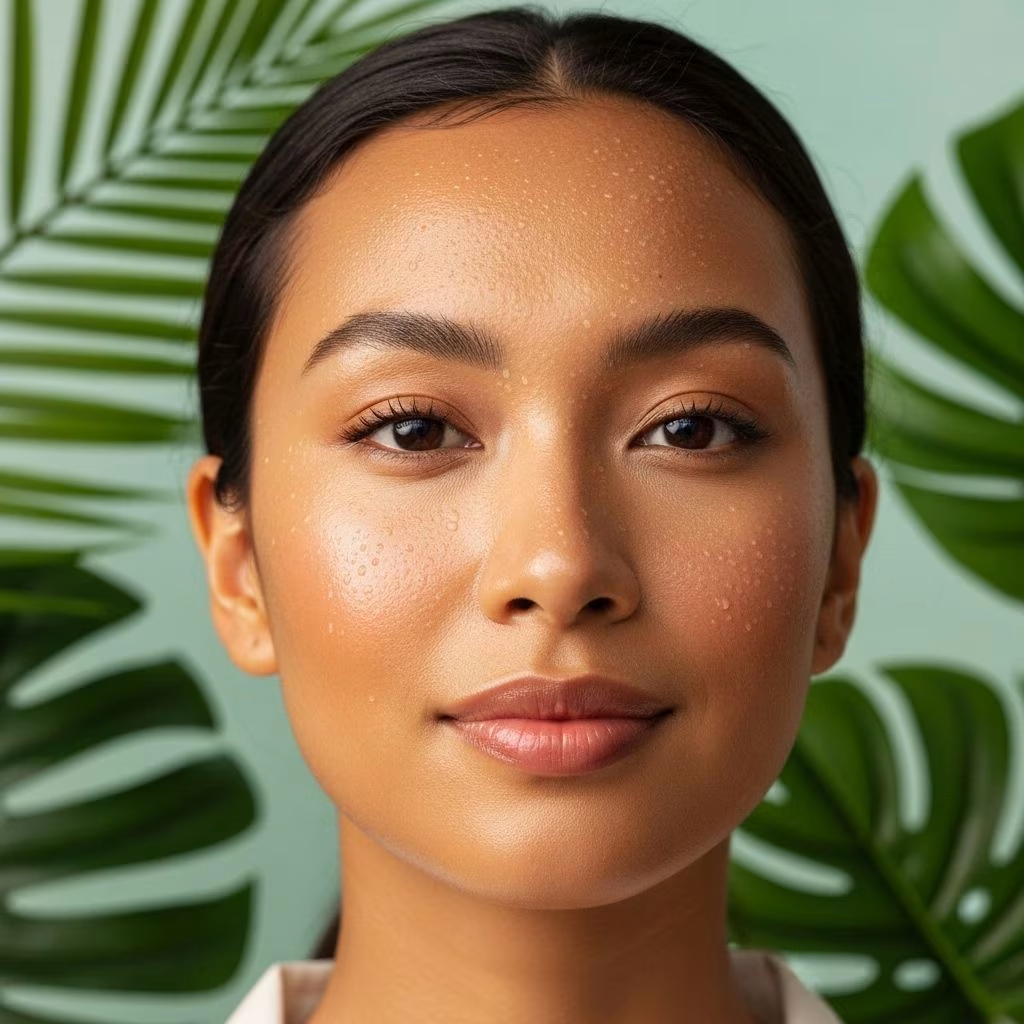
Skincare in High Humidity: The Ultimate Guide
High humidity can transform your daily skincare routine. Extra moisture in the air leads to increased oil and sweat production, frequently causing clogged pores, breakouts, and persistent shine. This comprehensive guide delivers dermatologist-approved advice and actionable strategies for maintaining healthy, radiant skin—even in the stickiest climates.
Understanding High Humidity and Its Effects on Skin
Humidity refers to the amount of water vapor present in the air. In high humidity environments, the skin reacts in distinct ways:
- Increased Sebum Production: Heat and moisture trigger the skin’s oil glands, resulting in a greasy sheen and more clogged pores.
- Excess Sweat: Perspiration mixes with oil and environmental debris, further congesting pores and promoting bacterial growth.
- Plumper Appearance: High moisture leaves the skin looking plump but can mask underlying congestion and imbalance.
Adapt your routine to address these unique conditions and keep skin healthy and comfortable.
Common Skin Challenges in Humid Climates
- Oily and Shiny Skin: The skin’s increased sebum and sweat production lead to unwanted shine and a greasy feeling.
- Clogged Pores and Acne: Sweat, oil, makeup, and sunscreen can accumulate, causing more frequent breakouts.
- Makeup Meltdown: High humidity can make makeup slip, fade, or cake unevenly throughout the day.
- Sensitivity and Irritation: Warm, damp conditions can aggravate sensitive skin, causing redness and inflammation.
- Dehydration Paradox: Although skin seems moist, improper hydration can lead to surface dehydration and imbalance.
Essential Humidity-Proof Skincare Routine Steps
The right sequence and products are vital for skin success in humid environments. Here’s a recommended step-by-step routine:
- Gentle, Deep Cleansing
Cleanse twice daily with a non-stripping, gentle gel-based or foaming cleanser. Consider a double cleanse to remove sweat, sunscreen, and makeup effectively.
The right cleanser purifies and unclogs pores without drying—choose formulas with mild exfoliants or clarifying botanicals.
Tip: Avoid harsh cleansers, as these provoke excess oil production and irritate sensitive skin. - Regular Gentle Exfoliation
Use a gentle chemical exfoliant (such as low-percent AHAs, lactic acid, or salicylic acid) two to three times per week.
- This step removes excess oil, dead skin cells, and pore-clogging debris.
- Highly congested/acne-prone skin may benefit from spot treatments or a clay mask bi-weekly.
Tip: Begin with a low concentration and increase frequency gradually as skin builds tolerance.
- Lightweight Hydration
Opt for gel moisturizers or water-based creams. These hydrate without clogging pores or adding weight.
Apply moisturizer immediately after towel-drying for optimal moisture retention. - Sunscreen
SPF is critical even in humid climates. Choose non-comedogenic, lightweight sunscreens and reapply as directed, especially if sweating.
Also, protect skin with hats and clothing. - Toning (Optional)
Use an alcohol-free, hydrating toner if your skin feels imbalanced or oily.
- Spot Treatments and Serums
Acne-prone individuals may benefit from targeted serums with niacinamide or anti-inflammatory botanicals.
Key Product Recommendations for Humid Weather
| Product Type | Key Features | Ideal Ingredients | Why It Works |
|---|---|---|---|
| Gel/Cream Cleanser | Clarifies, decongests, non-stripping | Matcha, coix seed, mugwort | Reduces oil, unclogs pores, calms skin |
| Chemical Exfoliant | Gentle, hydrating, non-abrasive | Niacinamide, AHAs, lactic acid | Removes debris, reduces discoloration, controls oil |
| Gel Moisturizer | Lightweight, non-comedogenic | Wild rose, leopard lily, hyaluronic acid | Soothes, hydrates, minimizes pores |
| Sunscreen (SPF 30+, water-based) | Light feel, broad-spectrum protection | Zinc oxide, antioxidant botanicals | Protects against UV, won’t clog pores |
| Clay Mask | Oil-absorbing, pore-purifying | Kaolin clay, bentonite | Deep cleans, prevents congestion |
Best Ingredients for Humidity-Smart Skincare
- Niacinamide: Controls oil production and calms redness.
- Hyaluronic Acid: Provides lightweight hydration and plumps skin without heaviness.
- Matcha & Mugwort: Antioxidant-rich and barrier-protecting for irritation-prone skin.
- AHA/BHA (Lactic or Salicylic Acid): Gently exfoliates to decongest pores and reduce acne.
- Rose & Lily Extracts: Soothe, reduce pore appearance, and calm inflammation.
Lifestyle and Habits for Fresh Skin in Humidity
- Keep hair off your face to limit sweat and oil transfer.
- Wash pillowcases and towels frequently to reduce bacteria exposure.
- Drink plenty of water to support skin’s hydration from within.
- Choose breathable fabrics to limit friction and irritation.
- Avoid touching your face, which can transfer bacteria and trigger breakouts.
Makeup Tips for Humid Climates
- Primer: Use a mattifying or pore-blurring primer to prevent makeup slippage and shine.
- Lightweight Foundation: Choose water-based or powder formulas—avoid thick, creamy bases.
- Setting Sprays: Consider oil-control sprays to lock in makeup and reduce mid-day meltdown.
- Minimal Layers: Less is more; avoid heavy layering which can clog pores or slide off.
Frequently Asked Questions (FAQs)
Q: Do I need a moisturizer in humid climates?
A: Yes. Even in humidity, lightweight gel formulas provide essential hydration and can actually reduce excess oil production over time.
Q: How often should I cleanse my face?
A: Twice daily is ideal—once in the morning and once at night—to remove sweat, oil, SPF, and impurities without over-stripping.
Q: Is exfoliation safe in humid conditions?
A: Yes, but opt for gentle chemical exfoliants and start slow. Over-exfoliation can lead to sensitivity or increased oiliness.
Q: What if my skin is oily and dehydrated?
A: High humidity can mask dehydration. Use hydrating serums (like hyaluronic acid) in addition to gel-based moisturizers to balance oil and water levels.
Q: Should sunscreen be worn every day even in humidity?
A: Absolutely. Opt for lightweight, water-based SPF that is non-comedogenic and reapply regularly—especially after sweating.
Expert Tips for Every Skin Type
- Oily Skin: Consider blotting papers midday to absorb excess oil. Stick with gentle cleansers and avoid heavy creams.
- Combination Skin: Use targeted treatments for oily zones and lightweight moisture for drier areas. Multi-masking can address different facial regions as needed.
- Dry Skin: While humidity hydrates, surface dehydration is common. Layer hydrating essences or serums and avoid skipping moisturizer.
- Acne-Prone Skin: Look for benzoyl peroxide or salicylic acid spot treatments. Cleanse immediately after workouts or sweating.
- Sensitive Skin: Prioritize fragrance-free, antioxidant-rich formulas that calm and protect the skin barrier.
Final Thoughts
Caring for your skin during high humidity doesn’t require a complicated regimen. Instead, focus on deep cleansing, gentle exfoliation, lightweight hydration, sun protection, and rebalancing with smart ingredients. These simple shifts will help you maintain a clear, healthy complexion and confidently navigate even the muggiest days.
References
- https://www.tatcha.com/blog/skincare-routine-for-humid-climate.html
- https://honuaskincare.com/blogs/news/beat-the-humidity-a-guide-to-flawless-skin
- https://us.gotoskincare.com/blogs/the-go-to-guide/humid-skincare-tips
- https://www.blithecosmetic.com/blogs/blog/stay-fresh-all-day-the-humidity-proof-skincare-guide
- https://cardonskin.com/blogs/mens-skincare-tips/the-hot-weather-skincare-guide
- https://www.desertessence.com/blogs/desert-essence-blog/skincare-routine-for-humid-climates


