


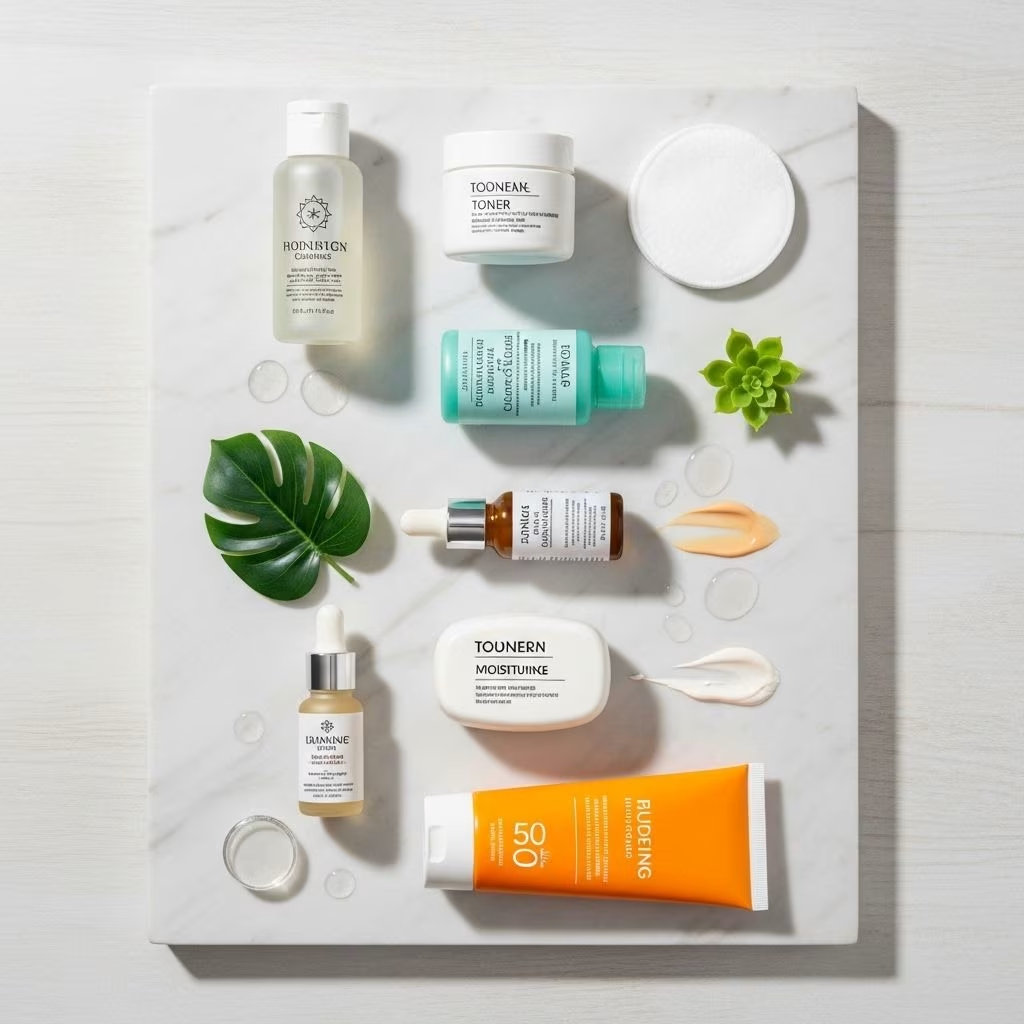
If you’ve ever stood in front of your bathroom mirror with multiple skincare products and wondered which one to apply first, you’re not alone. Skincare layering can feel like solving a complex puzzle, especially when you’re just starting out. The good news is that mastering the correct order of application doesn’t have to be complicated. This comprehensive beginner’s guide will walk you through everything you need to know about layering skincare products effectively, ensuring each product delivers its maximum benefits to your skin.
Understanding the proper sequence of product application is crucial because it directly impacts how well your skincare ingredients penetrate your skin and deliver results. When products are applied in the wrong order, you might be preventing beneficial ingredients from reaching your skin, essentially wasting your time and money. This guide will demystify the entire process and provide you with a reliable framework that works for any routine, whether simple or elaborate.
Understanding Skincare Layering Basics
Skincare layering refers to the strategic order in which you apply your skincare products to maximize their effectiveness. This isn’t just about following arbitrary rules; it’s rooted in science and the way different formulations interact with your skin. Each product in your routine serves a specific purpose, and applying them in the correct sequence ensures that active ingredients can penetrate the skin properly and work synergistically.
The fundamental principle behind effective layering is that lighter, more fluid products should be applied before heavier, more occlusive ones. This approach prevents thicker formulations from creating a barrier that would block lighter products from absorbing into your skin. When you layer products correctly, you create an environment where each formula can deliver its intended benefits without interference from other products.
Before diving into any layering routine, it’s essential to understand your skin type and specific concerns. Whether you have oily, dry, combination, or sensitive skin will influence which products you choose and potentially how you layer them. However, the basic principles of layering remain consistent across all skin types, making this framework universally applicable once you understand the fundamentals.
The Golden Rule: Lightest to Heaviest
The cornerstone of successful skincare layering is the lightest-to-heaviest rule. This principle dictates that you should always apply products based on their consistency, starting with the thinnest formulations and progressing to the thickest. Water-based products like toners and essences come first, followed by lightweight serums, then gels, creams, and finally oils. This sequence ensures optimal absorption and prevents product pilling or interference.
Understanding product textures is crucial for implementing this rule effectively. Lightweight, water-based products have smaller molecular structures that allow them to penetrate deeply into the skin. These products need direct contact with your skin to work properly. If you were to apply a heavy cream first, it would create an occlusive barrier that prevents these lighter products from reaching the deeper layers of your epidermis where they need to work.
Thicker products, conversely, are designed with larger molecules that don’t penetrate as deeply. These formulations work primarily on the skin’s surface, creating a protective barrier that locks in moisture and the beneficial ingredients from products applied earlier. By applying these products last, you’re essentially sealing in all the goodness from your previous layers while providing additional benefits like hydration and protection.
Morning Skincare Layering Routine
Step 1: Cleanser
Your morning routine begins with cleansing, though this step is somewhat optional depending on your skin type. If you have oily or combination skin, a morning cleanse helps remove excess sebum that accumulated overnight and provides a fresh canvas for your skincare products. Those with dry or sensitive skin might prefer to simply splash their face with water or use a very gentle cleanser. The key is to ensure your skin is clean without being stripped of its natural oils.
Step 2: Toner or Essence
After cleansing, apply your toner while your skin is still slightly damp. Toners serve multiple purposes: they can act as secondary cleansers, provide hydration, balance skin pH, or deliver lightweight active ingredients. Apply toner using a cotton pad or by patting it directly onto your skin with clean hands. This step prepares your skin to better absorb the products that follow by optimizing your skin’s moisture levels and pH balance.
Step 3: Treatment Serums
Serums are concentrated treatments that target specific skin concerns like hyperpigmentation, fine lines, or dullness. These products typically have a lightweight, fast-absorbing texture that allows active ingredients to penetrate deeply into the skin. If you’re using multiple serums, apply the thinnest one first and wait a moment before applying the next. Common morning serums include vitamin C for brightening and antioxidant protection, or hyaluronic acid for intense hydration.
Step 4: Eye Cream
The delicate skin around your eyes requires special attention. Apply a small amount of eye cream using your ring finger, which naturally applies the least pressure. Gently pat the product around the orbital bone, avoiding direct contact with your eyes. Eye creams help address concerns like puffiness, dark circles, and fine lines while providing essential hydration to this sensitive area.
Step 5: Moisturizer
Moisturizer is a non-negotiable step that hydrates and protects your skin barrier. Choose a formula appropriate for your skin type: lightweight gel moisturizers work well for oily skin, while richer creams benefit dry skin types. Apply moisturizer in upward, outward motions to encourage absorption and provide a subtle lifting effect. This layer locks in all the treatments you’ve applied previously while providing additional hydration and skin barrier support.
Step 6: Facial Oil (Optional)
If you use a facial oil, it should be applied after your moisturizer in the morning routine. Oils create an occlusive layer that seals in all previous products and provides additional nourishment. However, if you’re applying sunscreen next, some people prefer to skip facial oil in the morning or mix a drop into their moisturizer to avoid any potential interference with sunscreen application.
Step 7: Sunscreen
Sunscreen is the final and most crucial step in your morning routine. Regardless of what other products you use, sunscreen should always be applied last, as it needs to form an even protective film on your skin’s surface. Apply a generous amount—about a quarter teaspoon for your face—and don’t forget your neck and other exposed areas. Wait a few minutes before applying makeup to allow the sunscreen to set properly.
Evening Skincare Layering Routine
Step 1: Makeup Remover or Cleansing Oil
Your evening routine should begin with removing makeup, sunscreen, and the day’s buildup. Use a dedicated makeup remover, cleansing oil, or micellar water to break down these products effectively. This first cleanse is essential because it removes the oil-based impurities that can clog pores and prevent your skincare from absorbing properly. Take your time with this step, ensuring all traces of makeup are dissolved before moving forward.
Step 2: Water-Based Cleanser
Follow up with a water-based cleanser to remove any remaining residue and water-based impurities like sweat and dirt. This double cleansing method ensures your skin is thoroughly clean without being over-stripped. Massage the cleanser gently onto damp skin for about 30 seconds, then rinse thoroughly with lukewarm water. Pat your face dry with a clean towel, leaving it slightly damp for the next step.
Step 3: Exfoliant (2-3 Times Weekly)
Exfoliation should happen after cleansing but isn’t necessary every night. Use chemical exfoliants like AHAs or BHAs 2-3 times per week to remove dead skin cells and promote cell turnover. Apply the exfoliant to clean, dry skin and allow it to absorb fully before proceeding with your routine. This step helps improve texture, minimize pores, and enhance the absorption of subsequent products.
Step 4: Toner or Essence
Just as in your morning routine, apply toner to rebalance your skin’s pH and provide a base layer of hydration. Evening toners might focus more on hydration and repair compared to morning formulas. Pat the toner into your skin while it’s still slightly damp from cleansing for maximum absorption and effectiveness.
Step 5: Treatment Serums
Evening is the ideal time for more intensive treatment serums. Your skin undergoes repair and regeneration while you sleep, making nighttime perfect for active ingredients like retinoids, peptides, or niacinamide. Apply these products in order of thinnest to thickest consistency, allowing each layer to absorb before applying the next. If using retinol, start with a pea-sized amount and gradually increase frequency as your skin builds tolerance.
Step 6: Eye Cream
Apply your nighttime eye cream using the same gentle patting motion as in the morning. Night eye creams often contain more intensive ingredients focused on repair and regeneration. Some formulas may be richer in texture to provide extra nourishment while you sleep.
Step 7: Moisturizer or Night Cream
Your evening moisturizer can be richer than your morning formula since you don’t need to worry about makeup application afterward. Night creams often contain higher concentrations of nourishing ingredients and work to support your skin’s natural overnight repair processes. Apply generously, allowing the product to fully absorb before moving to the final step.
Step 8: Facial Oil
Facial oils are the final step in your evening routine, creating a seal that locks in all the beneficial ingredients you’ve layered underneath. Warm a few drops between your palms and press gently onto your face and neck. Oils provide deep nourishment and help reinforce your skin barrier while you sleep, promoting plump, hydrated skin by morning.
Understanding Product Textures and Formats
To truly master skincare layering, you need to understand the different product formats and how they interact with your skin. Products generally fall into three main categories based on their formulation: water-based, anhydrous, and oil-based. Each category has distinct characteristics that determine where it fits in your layering sequence.
Water-Based Products
Water-based formulations include toners, essences, and most serums. These lightweight products have a high water content and thin, liquid-like consistency. They absorb quickly into the skin and should be applied early in your routine. The small molecular structure of water-based products allows them to penetrate deeply, delivering active ingredients to the deeper layers of your epidermis where cellular activity occurs.
Anhydrous Products
Anhydrous formulations are water-free products that often have an oil-like texture without being pure oils. These include certain serums, treatments, and some specialized formulas. They typically fall in the middle of your layering sequence, applied after water-based products but before heavier creams and pure oils. These products can provide concentrated active ingredients without the dilution that water content brings.
Oil-Based Products
Oils and oil-rich creams have the heaviest molecular structure and create an occlusive barrier on the skin. They should be applied last in your routine because they seal in moisture and previous layers. Oils don’t penetrate as deeply as water-based products, but they excel at strengthening the skin barrier and preventing transepidermal water loss, which is crucial for maintaining hydrated, healthy skin.
Timing and Absorption Between Layers
Patience is a virtue when it comes to skincare layering. One of the most common mistakes beginners make is rushing through their routine, applying products one after another without allowing adequate absorption time. Each product needs a moment to penetrate your skin and begin working before you add the next layer. Generally, waiting 30 seconds to one minute between products is sufficient, though some treatments may require longer.
The absorption time varies depending on the product type and your skin’s condition. Lightweight, water-based products typically absorb quickly, while richer creams may take slightly longer. You’ll know a product has absorbed when your skin no longer feels wet or tacky to the touch. This brief waiting period prevents pilling, where products ball up on your skin’s surface instead of absorbing properly.
Some products, particularly active treatments like retinoids or chemical exfoliants, may require longer waiting periods. Experts recommend waiting 20-30 minutes after applying these treatments before layering other products on top. This extended time allows the active ingredients to work at their optimal pH level and penetrate effectively without interference. While this might seem time-consuming, the improved results make it worthwhile for these specific treatments.
Common Layering Mistakes to Avoid
Even with the best intentions, beginners often make mistakes that compromise their skincare routine’s effectiveness. One of the most prevalent errors is over-layering—using too many products in a single routine. While it’s tempting to incorporate every trendy product you encounter, more isn’t always better. A well-curated routine with 5-8 products used correctly will outperform a 15-step routine where products interfere with each other.
Another common mistake is mixing incompatible ingredients. Certain active ingredients don’t play well together and can cause irritation or reduce effectiveness when combined. For example, using vitamin C and retinol in the same routine can be irritating for beginners, though using them at different times of day works well. Similarly, combining multiple exfoliants or acids can over-exfoliate and damage your skin barrier. Research ingredient compatibility or consult with a dermatologist when introducing new actives to your routine.
Applying products to completely dry skin is another error that reduces absorption. Your skin absorbs water-based products more effectively when it’s slightly damp, which is why you should apply toner and serums while your face still has some moisture from cleansing or the previous product. However, this doesn’t apply to all products—some treatments, particularly retinoids, should be applied to completely dry skin to minimize irritation.
Finally, many beginners neglect the importance of sunscreen or apply it incorrectly. Sunscreen must be the final step in your morning routine and should be applied generously. Using too little sunscreen or mixing it with other products dilutes its effectiveness and compromises your skin’s protection against harmful UV rays. Make sunscreen non-negotiable, regardless of the weather or whether you’re staying indoors.
Skin Type Considerations
While the basic layering principles apply universally, your specific skin type influences which products you choose and potentially how you apply them. Understanding your skin type helps you customize your routine for optimal results without overwhelming your skin or exacerbating existing concerns.
Oily and Combination Skin
If you have oily or combination skin, focus on lightweight, water-based formulations that won’t add excess heaviness. Gel moisturizers, lightweight serums, and oil-free sunscreens work exceptionally well for this skin type. You might choose to skip facial oils in your morning routine or use them sparingly only in the evening. Look for products containing ingredients like niacinamide, salicylic acid, and hyaluronic acid that control oil production while maintaining proper hydration.
Dry and Dehydrated Skin
Dry skin types benefit from richer formulations and multiple layers of hydration. Don’t skip the toner step, as it provides essential moisture that helps subsequent products absorb better. Layer hydrating serums containing hyaluronic acid, glycerin, or ceramides, and seal everything with a rich moisturizer and facial oil. The key for dry skin is creating multiple layers of hydration and then locking them in with occlusive ingredients.
Sensitive Skin
Those with sensitive skin should prioritize gentle, fragrance-free formulations and introduce new products slowly—one at a time. Keep your routine relatively simple, focusing on essential steps without over-layering. Pay attention to ingredient lists and avoid known irritants. The layering principles remain the same, but product selection becomes crucial. Look for soothing ingredients like centella asiatica, colloidal oatmeal, and ceramides that strengthen your skin barrier without causing irritation.
Frequently Asked Questions
Q: How long should I wait between applying each skincare product?
A: Generally, waiting 30 seconds to one minute between products allows adequate absorption time. However, some active treatments like chemical exfoliants or retinoids may require 20-30 minutes before applying the next product. Your skin should feel dry or slightly tacky, not wet, before moving to the next step.
Q: Can I use multiple serums in one routine?
A: Yes, you can layer multiple serums as long as they’re compatible and applied from thinnest to thickest consistency. However, avoid overloading your skin with too many active ingredients at once, as this can cause irritation. Start with one or two serums and gradually introduce others as your skin adjusts.
Q: Should I apply moisturizer before or after facial oil?
A: Moisturizer should be applied before facial oil. Moisturizers contain water-based ingredients that need to penetrate your skin, while oils create a seal that locks everything in. The exception is if your moisturizer is very thick and occlusive—in that case, you might mix a drop of oil into it rather than layering separately.
Q: Do I need to layer skincare products in the morning and evening?
A: While the basic layering principles apply to both routines, your morning and evening routines can differ. Morning routines focus on protection and typically include sunscreen, while evening routines emphasize repair and regeneration with more intensive treatments. A simple morning routine with 4-5 steps and a more elaborate evening routine with 6-8 steps works well for most people.
Q: What if my products pill or ball up on my skin?
A: Pilling usually occurs when products aren’t given enough time to absorb before applying the next layer, or when incompatible formulations are used together. Allow each product to fully absorb, use less product overall, and ensure you’re applying products in the correct order from thinnest to thickest. Silicone-heavy products can sometimes cause pilling when layered with certain formulations.
Q: Is it necessary to use all these steps as a beginner?
A: Absolutely not. As a beginner, start with a basic routine of cleanser, moisturizer, and sunscreen. Once you’re comfortable with these essentials, gradually introduce additional products like serums or toners one at a time. Building your routine slowly helps you understand how your skin responds to each product and prevents overwhelming your skin with too many new ingredients simultaneously.
Q: Can I skip steps in my routine?
A: Yes, your routine should be tailored to your skin’s needs. The only non-negotiable steps are cleansing, moisturizing, and using sunscreen during the day. Other steps like toners, serums, and oils can be added based on your specific concerns and preferences. A simple, consistent routine that you’ll actually follow is better than an elaborate one you’ll abandon.
Q: How do I know if I’m using too many products?
A: Signs of over-layering include increased sensitivity, breakouts, skin that feels heavy or congested, or products that pill on your skin. If you’re experiencing these issues, simplify your routine by removing non-essential steps and focusing on the basics. Remember that skincare is about quality and consistency, not quantity.
Mastering skincare layering takes practice and patience, but armed with this comprehensive guide, you’re well-equipped to build an effective routine. Start with the basics, pay attention to how your skin responds, and gradually refine your routine as you become more confident. Remember that consistency matters more than perfection, and even a simple, well-executed routine will deliver impressive results over time. Your skin is unique, so don’t be afraid to adjust these guidelines to suit your individual needs while maintaining the fundamental principles of proper layering.
References
- https://www.rmsbeauty.com/blogs/news/a-basic-guide-to-layering-skincare
- https://www.ulta.com/discover/skin/how-to-layer-skincare-products
- https://theordinary.com/en-us/blog/skincare-layering-guide.html
- https://www.biossance.com/blog/skincare-layering-guide/
- https://www.healthline.com/health/beauty-skin-care/order-of-skin-care
- https://www.skinlaundry.com/blog/skincare-layering
- https://www.vichyusa.com/blog/skin-concern/wrinkles-fine-lines/complete-guide-to-skincare-layering.html
- https://www.herbaldynamicsbeauty.com/blogs/herbal-dynamics-beauty/the-complete-guide-to-layering-skincare-products
- https://www.theinkeylist.com/pages/skincare-routine-guide


