


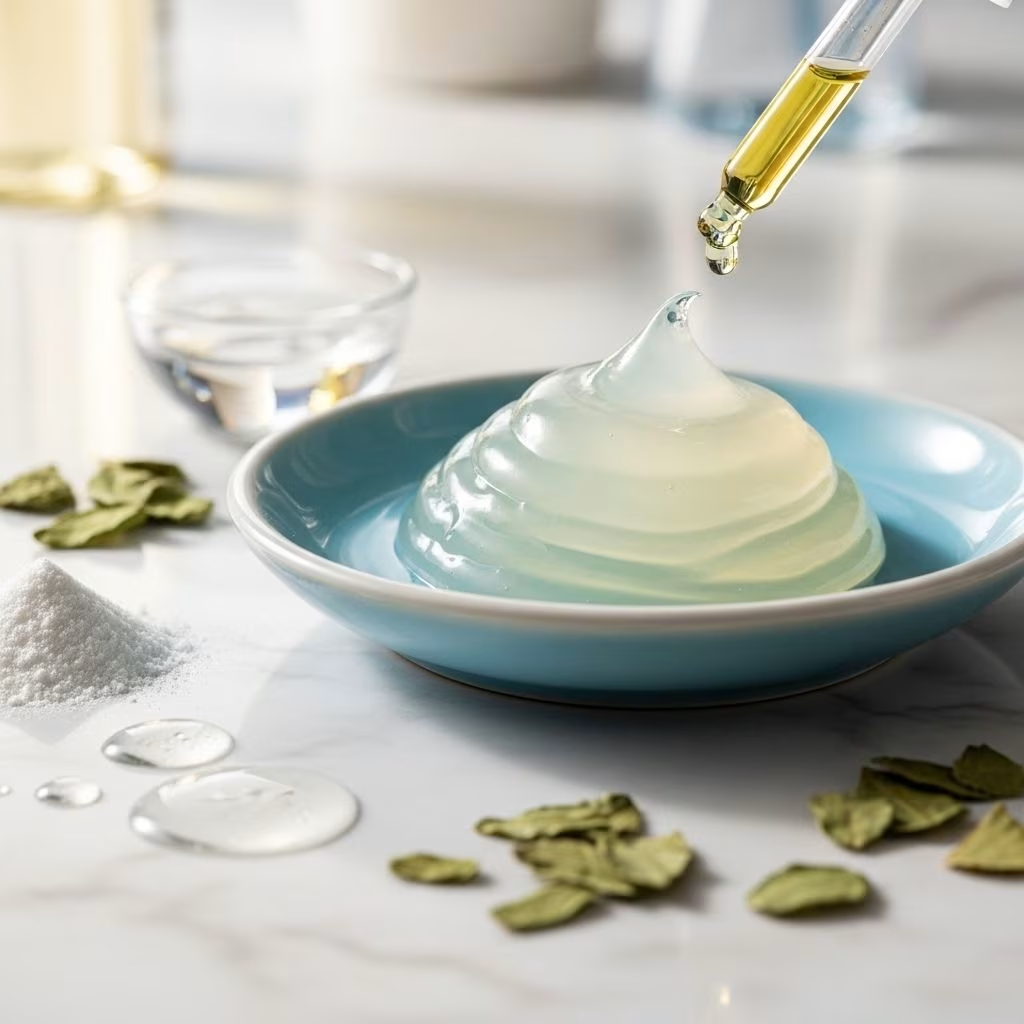
Skincare Slugging and Active Absorption: Science, Benefits, and Best Practices for Radiant Skin
Modern skincare focuses not only on appearance, but also on optimizing skin health and resilience. Among the most discussed trends is slugging—a deeply hydrated, dewy skin effect achieved by sealing in moisture. When paired thoughtfully with active absorption strategies, slugging transforms how active ingredients benefit the skin. This guide offers a comprehensive exploration into how slugging and active absorption work, their science, key advantages, best techniques, and how they can be integrated into healthy skincare routines.
Introduction to Skincare Slugging
Slugging is a moisturizing technique that involves applying a layer of an occlusive agent—like petroleum jelly or barriers creams—as the final step of your nighttime skincare routine. The name stems from the shiny, glossy effect left on the skin, reminiscent of a slug’s trail. Slugging was popularized by Korean beauty routines but has deep roots, including its use in Black communities for skin repair and barrier protection.
This practice focuses on sealing in moisture to create supple, hydrated, and resilient skin. It has emerged as a powerful method for restoring skin plagued by dryness, environmental stress, and compromised skin barriers.
The Science Behind Slugging
To understand why slugging is effective, consider the role of occlusives in skincare. Occlusives are substances that form a physical barrier on the skin’s surface, significantly reducing trans-epidermal water loss (TEWL)—the natural evaporation of moisture from the skin throughout the day and night.
- Trans-Epidermal Water Loss (TEWL): The process by which water passes from the dermis through the epidermis and evaporates through the skin barrier. This is an important cause of dehydration and dullness.
- Occlusives: Substances like petrolatum, squalane, jojoba oil, and ceramides that create a seal on the skin, reducing TEWL and locking in hydrators and active ingredients applied before the occlusive.
- Skin Barrier Repair: By reducing water loss, slugging supports the skin in maintaining its protective barrier. A strong barrier keeps out irritants, bacteria, and pollutants and prevents moisture loss.
Slugging is optimally performed at night, since skin is most permeable and susceptible to water loss then. The result is improved hydration, reduced irritation, and accelerated skin barrier repair.
Core Benefits of Slugging
- Prevents Water Loss: Occlusives trap moisture, keeping skin hydrated through the night.
- Enhances Moisturizer Effect: Traps water and other beneficial components from creams and serums close to the skin, boosting active absorption where relevant.
- Repairs Skin Barrier: Essential for those with conditions such as eczema, psoriasis, or after using exfoliants or retinoids that may compromise the barrier.
- Promotes Dewy, Youthful Skin: With consistent use, users report softer, more radiant, and plumper skin.
- Minimal Ingredients Needed: Most occlusives used are non-irritating and simple, such as petrolatum or squalene oil.
Potential Drawbacks and Myths
- Comedogenicity (Clogged Pores): While petrolatum itself is non-comedogenic, slugging may not suit oily or acne-prone skin types, as it traps existing oils, dirt, or comedogenic agents applied underneath.
- Not Hydrating Alone: Occlusives do not hydrate by themselves—they only seal in existing moisture. Failing to use a hydrating moisturizer beneath reduces the method’s effectiveness.
- Incompatibility with Some Actives: Applying active ingredients like retinols or exfoliating acids directly before slugging may enhance their effects too intensely or cause irritation. Best practice is to avoid harsh actives before occlusives.
- Requires Careful Cleansing: Must be performed on clean skin, as occlusives seal in everything—including dirt or bacteria, which may lead to irritation or breakouts.
Overview of Active Absorption in Skincare
Active absorption refers to maximizing the skin’s uptake of beneficial ingredients for more effective results. It’s influenced by several factors:
- Skin Preparation: Clean, slightly damp skin allows for better ingredient penetration.
- Ingredient Molecular Size: Smaller molecules, like hyaluronic acid or glycerin, penetrate more easily than larger actives.
- Layering: Applying hydrating toners, serums, and humectants before slugging aids deeper absorption of these actives before they are locked in.
- Time of Application: Nighttime is ideal, as skin is more receptive and cell repair processes are active.
Active absorption is distinct from occlusion: it is about getting actives into the skin, while occlusion then locks them in and protects them from evaporation.
Combining Slugging and Active Absorption
The strategic combination of active absorption and slugging delivers optimal skin benefits:
- Apply Hydrating and Nourishing Actives First: Layer ingredients such as hyaluronic acid, peptides, or ceramides onto damp, clean skin.
- Seal Them In with Occlusives: Finish with a suitable slugging product to lock in actives and prevent water loss throughout the night.
This method ensures that moisture-binding and skin-repairing molecules can penetrate, but also are protected from evaporation, thereby enhancing both immediate and long-term benefits.
Step-by-Step Guide to Slugging
Implementing slugging correctly is simple but must be performed thoughtfully. Here is a comprehensive step-by-step routine, integrating principles of active absorption:
- Step 1: Cleansing
Thoroughly remove makeup, sunscreen, and any daily build-up. Skin should be free of impurities to prevent trapping bacteria or debris under the occlusive. - Step 2: Moisturize and Treat
Apply hydrating products (toners, serums) and a nourishing moisturizer. This is the step for any gentle, skin-protecting actives (avoid retinoids, exfoliators, or prescription treatments unless directed by a physician). - Step 3: Slugging
Warm a pea-sized amount of your chosen occlusive (petrolatum, squalane, etc.) in your hands and gently pat or smooth it over the face. Allow a few minutes to set before going to bed.
Slugging Application Tips
- Use slugging 1-3 times weekly, evaluating your skin’s response.
- Focus on drier areas—cheeks, around the eyes; avoid areas prone to breakouts if you have oily skin.
- Wash sheets and pillowcases frequently to avoid buildup of occlusive residues.
- For sensitive skin, perform a patch test before full application.
Best Practices and Skin Types
Not all skin types react the same way to occlusive products. Slugging is ideal for:
- Dry and Dehydrated Skin: Benefits most from frequent slugging, as hydration is rapidly lost through compromised barriers.
- Mature or Aging Skin: As natural oil production declines with age, occlusives help maintain plumpness and hydration.
- Sensitized or Barrier-Impaired Skin: Recent use of retinoids, acids, or weather-induced stress can be soothed by slugging.
Individuals with acne-prone, oily, or combination skin should limit slugging or apply purely to dry, patchy areas, and should choose non-comedogenic occlusives.
Ingredients and Product Recommendations
Choosing the right product is key for effective and safe slugging. Here are recommended occlusive ingredients and popular products:
| Occlusive Ingredient | Properties | Common Products | Skin Type Suitability |
|---|---|---|---|
| Petrolatum (Petroleum Jelly) | Highly effective water loss barrier, non-irritating | Vaseline, Aquaphor, Cerave Healing Ointment | Most skin types, especially dry and sensitive Not ideal for acne-prone |
| Squalane | Lightweight, mimics natural skin oils, non-comedogenic | Biossance Squalane Oil, The Ordinary Squalane | All skin types, including oily |
| Ceramides | Restores lipid barrier, protects, soothes | Cerave Moisturizing Cream, Dr. Jart Ceramidin | Dry, aging, and barrier-impaired skin |
| Jojoba Oil | Similar to natural sebum, lightweight | Natural brands, The Jojoba Company, Desert Essence | Normal to dry, sensitive |
Always read ingredient lists and patch-test if trying new products.
Slugging vs. Other Hydration Methods
| Method | What It Does | Key Ingredients | Ideal For |
|---|---|---|---|
| Slugging | Seals in moisture, prevents TEWL | Petrolatum, squalane, ceramides, oils | Dry, dehydrated, barrier-impaired skin |
| Humectant Hydration | Draws water into skin | Hyaluronic acid, glycerin, urea | All skin types; layering underneath occlusives |
| Emollient Moisturizing | Softens, smoothes skin’s surface | Fatty acids, plant oils, shea butter | Rough or textured skin |
| Barrier Repair Creams | Replenish natural lipids, repair damage | Ceramides, cholesterol, fatty alcohols | Damaged or reactive skin |
Frequently Asked Questions (FAQs)
Q: Can slugging cause acne or clogged pores?
A: Petrolatum itself is non-comedogenic, but those prone to acne should be cautious, as slugging can trap oils or comedogenic ingredients underneath. Consider lighter alternatives such as squalane or only slugging isolated dry patches.
Q: How often should I slug my face?
A: Start with 1-2 times per week or when your skin feels dry or irritated, then adjust frequency based on skin response.
Q: Can I use actives or exfoliants before slugging?
A: Avoid layering potent actives (like retinoids or strong AHA/BHAs) directly before occlusion, as the enhanced absorption could cause irritation. Focus on hydrating and soothing actives instead.
Q: Is slugging only for the face?
A: No. Slugging can also be used for extremely dry areas like lips, hands, feet, elbows, and knees.
Q: Can I slug over makeup?
A: Slugging should only be done on thoroughly cleansed skin to avoid trapping makeup, sunscreen, or environmental particles beneath the occlusive barrier.
Final Tips for Maximizing Skincare Slugging and Active Absorption
- Always cleanse skin thoroughly before any slugging session.
- Hydrate with water-rich serums or creams prior to applying your occlusive.
- Use a pea-sized amount—less is often more, especially for those new to slugging.
- Consult with a dermatologist if you have active breakouts, rosacea, or chronic skin conditions before starting slugging.
- Listen to your skin and adjust frequency or products as needed.
Slugging, when approached with sound skin science and complemented by strategies for active absorption, becomes a simple yet transformative technique in the pursuit of healthy, resilient, and hydrated skin.
References
- https://www.katesomerville.com/blogs/news/what-is-slugging-3-steps-to-repair-skin
- https://www.goodrx.com/health-topic/dermatology/what-is-slugging
- https://www.cerave.com/skin-smarts/skincare-tips-advice/what-is-slugging
- https://www.webmd.com/beauty/what-is-slugging-for-your-skin
- https://health.clevelandclinic.org/slugging
- https://www.vaseline.com/us/en/articles/skin-care-basics/what-is-skincare-slugging-face-routine.html
- https://www.paulaschoice.com/expert-advice/skincare-advice/skin-care-how-tos/what-is-slugging-for-skin.html
- https://www.tru-skin.com/blog/the-ultimate-guide-to-petrolatum-and-slugging-debunking-myths-and-revealing-benefits


