


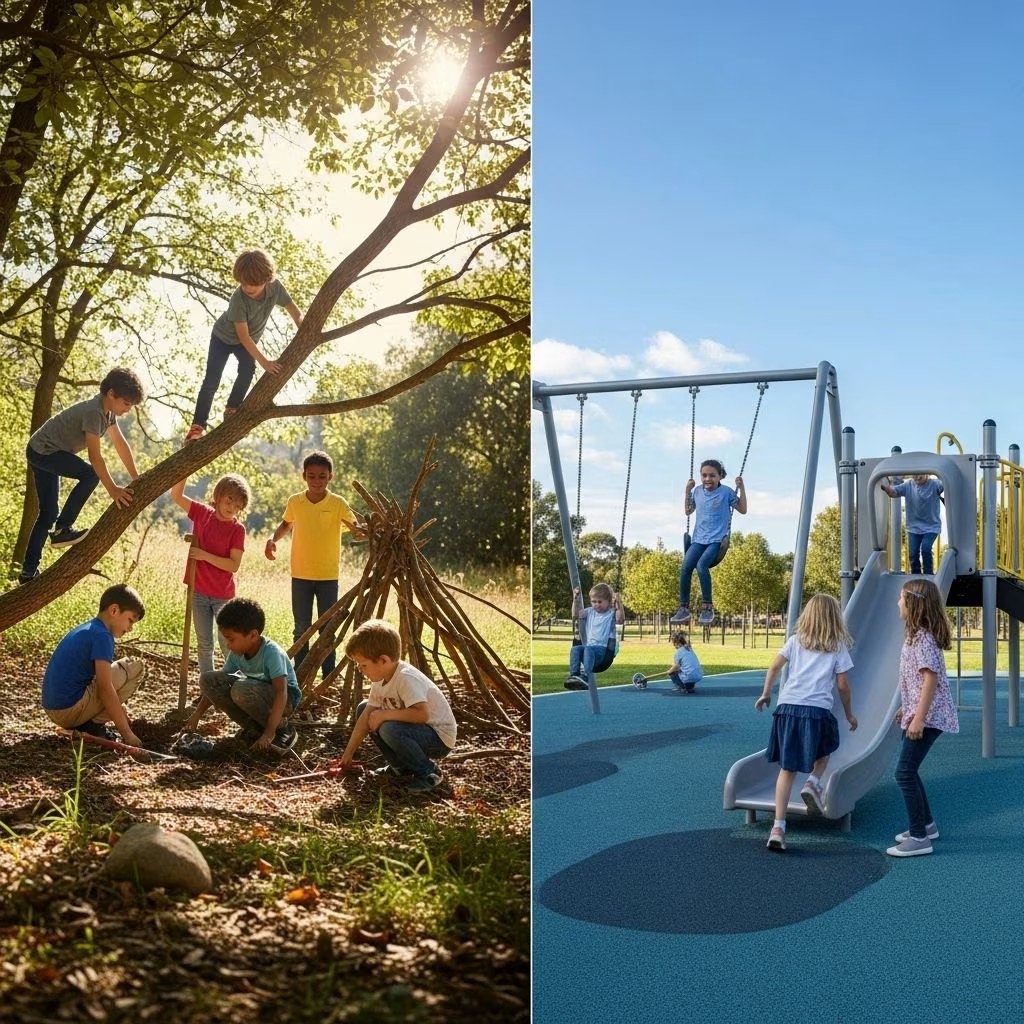
Introduction to Unstructured vs Structured Outdoor Play for Kids
Play is an essential component of child development, offering numerous benefits that span cognitive, social, and physical growth. It is broadly categorized into structured and unstructured play, each with distinct characteristics and advantages. This article explores the differences and benefits of unstructured and structured outdoor play for children, highlighting their impact on development and well-being.
Structured vs Unstructured Play: Definitions and Differences
Structured Play involves activities that are organized and guided by adults, often with predetermined goals and rules, such as sports or educational games. In contrast, unstructured play allows children to engage in free-form activities without adult direction, fostering creativity and self-expression.
Structured Play Features:
- Adult-Guided: Activities are planned and monitored by adults.
- Goal-Oriented: Focuses on achieving specific skills or outcomes.
- Rule-Based: Adheres to rules and standards set by the activity.
Unstructured Play Features:
- Child-Led: Activities are initiated and directed by children.
- Imagination-Centric: Encourages creativity and open-ended exploration.
- Spontaneous: Activities evolve organically without pre-defined rules.
Benefits of Unstructured Outdoor Play
Unstructured outdoor play is pivotal in fostering a child’s holistic development. It offers numerous benefits across cognitive, physical, and social domains.
### Cognitive DevelopmentUnstructured outdoor play enhances cognitive development by encouraging exploration and problem-solving. Children learn to think creatively and critically as they navigate unpredictable natural environments. For instance, building a fort from sticks involves understanding spatial relationships, akin to early engineering principles.### Physical HealthOutdoor environments naturally promote physical activity, such as running, climbing, and jumping, which are essential for developing strength, coordination, and balance. The varied terrain challenges the body in unique ways, contributing to better motor development.### Emotional and Social GrowthUnstructured play fosters emotional growth by encouraging independence and self-regulation. Children develop resilience and learn to manage frustration and celebrate achievements. Socially, it promotes communication, negotiation, and teamwork as children create and modify rules during play.
Benefits of Structured Outdoor Play
Structured outdoor play, while more organized, offers its own set of advantages, particularly in skill development and teamwork.
### Skill DevelopmentStructured activities like sports help children develop specific physical and cognitive skills, such as coordination, strategy, and teamwork. These skills are crucial for academic and professional success.### Teamwork and DisciplineStructured play instills discipline and emphasizes the importance of teamwork and collaboration. It prepares children for group settings and helps them understand the value of rules and cooperation.
Comparison of Unstructured and Structured Outdoor Play
| Aspects | Unstructured Play | Structured Play ||————-|———————-|———————|| Direction | Child-led, spontaneous | Adult-guided, organized || Creativity | High, open-ended | Low, rule-based || Skill Focus | General physical and cognitive skills | Specific skills like sports or dance || Social Interaction | Fosters cooperation and negotiation | Emphasizes teamwork and discipline || Emotional Growth | Encourages independence and resilience | Develops sportsmanship and winning mentality |
Balancing Unstructured and Structured Play
While both types of play are beneficial, finding a balance is crucial. Structured play can provide focus and discipline, while unstructured play encourages creativity and self-regulation. Parents and educators should strive to incorporate both into children’s daily routines to ensure a well-rounded development.
Frequently Asked Questions (FAQs)
Q: Why is unstructured play important?
A: Unstructured play is important because it allows children to develop creativity, problem-solving skills, and emotional resilience. It also fosters independence and self-directed learning.
Q: How much unstructured outdoor play should children have?
A: Children should have at least a few hours of unstructured outdoor play per week. This can include activities like exploring nature, playing freely in parks, or engaging in imaginative games.
Q: What are the benefits of structured outdoor play?
A: Structured outdoor play, such as sports or organized games, helps children develop specific skills like coordination and teamwork. It also teaches discipline and the importance of rules and cooperation.
Conclusion
In conclusion, both unstructured and structured outdoor play are indispensable for child development, each offering unique benefits. By understanding and balancing these types of play, parents and educators can help children grow into well-rounded, confident individuals with a strong foundation in cognitive, social, and physical skills.
References
- https://www.campliveoakfl.com/the-science-of-play-why-unstructured-time-outdoors-is-essential-for-development/
- https://thelearningcommunity.org/the-academic-benefits-of-unstructured-outdoor-play/
- https://www.purdueglobal.edu/blog/education/benefits-outdoor-play/
- https://shinenyc.net/front-page-blog/structured-vs-unstructured-play-which-is-better-for-my-child/
- https://www.apa.org/topics/children/kids-unstructured-play-benefits
- https://rochesterecologypartners.org/2024/07/28/into-the-summer-the-benefits-of-unstructured-outdoor-play-for-kids/
- https://clcfc.org/the-benefits-of-outdoor-play-for-toddlers-preschoolers/
- https://www.horizonhealthnews.com/the-truth-about-children-and-outdoor-play/
- https://www.kidsfirstservices.com/first-insights/the-benefits-of-outdoor-play-for-child-development


