


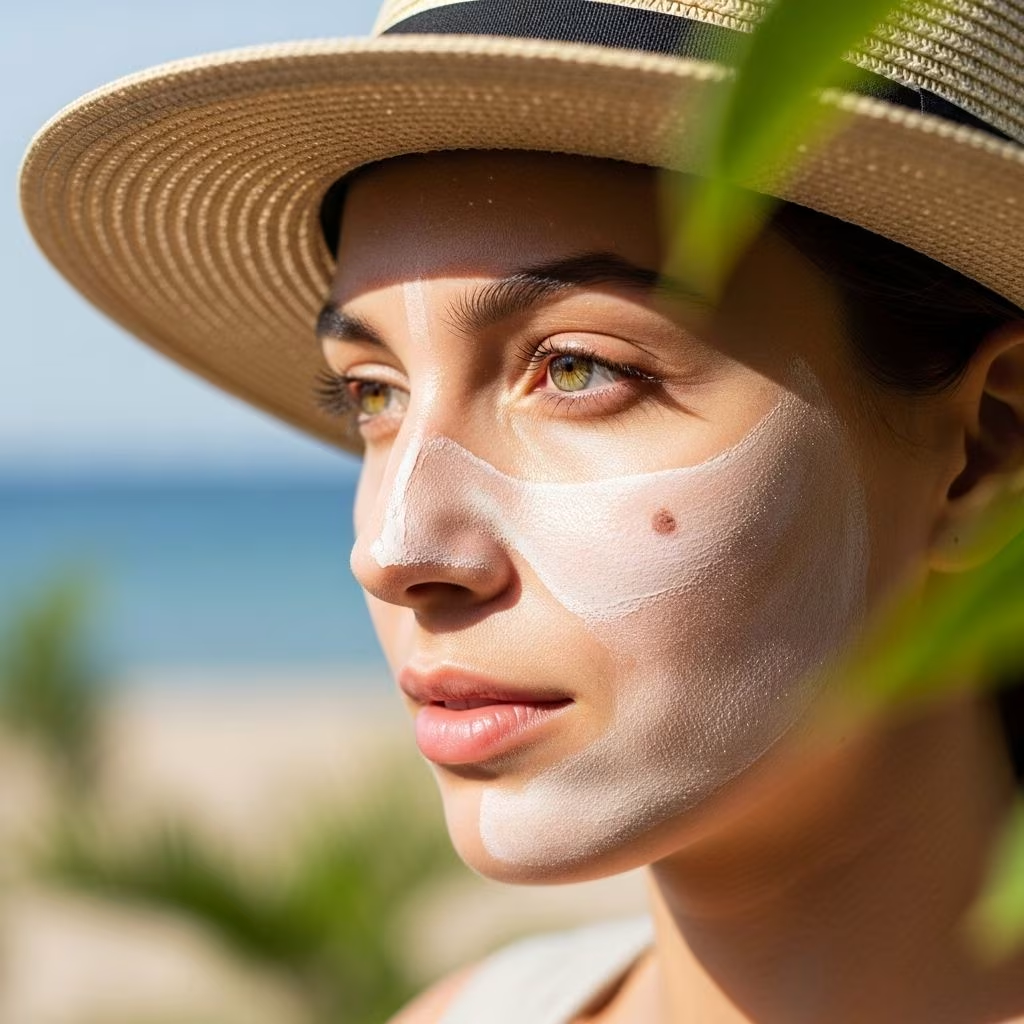
Laser treatments for dark spots—whether for hyperpigmentation, sunspots, or age spots—can dramatically refresh and even skin tone. Yet, the period following a laser procedure is a vulnerable time when your skin is most susceptible to harmful sun exposure, potentially leading to complications such as lingering redness, inflammation, and even worsening pigmentation. This article explores why sun protection is essential after laser for dark spots, how to best protect your skin, what products to use or avoid, and common questions and concerns for achieving optimal, long-lasting results.
Introduction to Laser for Dark Spots
Laser treatments, including Q-switched, fractional, and intense pulsed light (IPL) therapies, are used to target dark spots—areas of hyperpigmentation caused by excessive melanin production due to sun exposure, aging, or inflammation. These lasers work by breaking up pigment beneath the skin surface, stimulating collagen renewal and revealing brighter, more even-toned skin. However, after laser, your skin is more sensitive, less protected, and more prone to environmental damage—especially from ultraviolet (UV) rays.
Why Sun Protection Is Crucial After Laser Treatment
After a laser procedure, wounded skin is similar to a mild sunburn—fragile, inflamed, and highly penetrable to environmental insults. This makes robust sun protection vital for several reasons:
- Prevents post-inflammatory hyperpigmentation (PIH): Exposure to UV rays can trigger excess melanin production, causing new dark spots or making existing ones worse. Post-laser, PIH is the most common complication, especially in skin of color .
- Reduces the risk of skin irritation and inflammation: UV light can inflame or redden healing skin, leading to discomfort, swelling, and delayed recovery .
- Preserves and enhances treatment results: Sun damage after laser undermines results, causing pigment recurrence, uneven skin tone, and longer healing times .
- Minimizes chances of infection and scarring: Sunburned, inflamed skin after laser is more prone to abnormal healing and increased risk of scarring.
Risks of Inadequate Sun Protection Post-Laser
Failing to adequately shield your skin after laser treatment can cause several undesirable effects:
- New hyperpigmentation or dark spots in treated or untreated areas
- Redness, irritation, and increased sensitivity prolonging downtime
- Permanent or long-term discoloration (PIH)—reversed only by further medical intervention
- Heightened risk of scarring and infection
These complications are more prevalent if strict sun avoidance and sunscreen are not followed, particularly during the first 2 weeks post-procedure when the skin’s protective barrier is still compromised .
Essential Sun Protection Strategies
The effectiveness of your laser treatment hinges on how well you shield your skin from UV exposure during recovery and beyond. Dermatologists recommend a multi-pronged approach:
- Strictly avoid sunlight for at least 7–14 days after treatment, staying indoors whenever possible .
- Wear high-SPF, broad-spectrum sunscreen (minimum SPF 30) every day, reapplying every 2 hours—even indoors or on cloudy days .
- Apply sunscreen 15–30 minutes before sun exposure to allow proper absorption.
- Use protective clothing—wide-brimmed hats, UV-protective sunglasses, long-sleeve shirts, and pants—to physically block UV rays .
- Seek shade and avoid peak sunlight (10 a.m. to 4 p.m.) when UV intensity is highest.
- Protect your skin during daily activities; UV rays penetrate glass, so exposure through windows at home, in the office, or in the car can still cause damage .
Sun Protection Table: Practices & Recommended Intervals
| Protection Method | Recommended Duration | Details |
|---|---|---|
| Sun Avoidance | First 7–14 days post-laser (minimum) | Stay indoors or in deep shade; limit outings. |
| Sunscreen (SPF 30+) | Daily, lifelong | Apply 15–30 min prior, reapply every 2 hours or after sweating/washing. |
| Protective Clothing | Whenever outdoors | Wide-brimmed hats, UV sunglasses, long sleeves, pants. |
| Time Outdoor Activities | Avoid 10am–4pm sun | Prefer early morning or evening hours. |
Choosing the Right Sunscreen After Laser
The sunscreen you select after a laser procedure plays a pivotal role in preventing pigmentation and supporting healing. Use these dermatologist-recommended guidelines:
- SPF 30 or higher: A higher SPF gives better protection, but proper reapplication is more important than very high numbers .
- Broad-spectrum coverage: Shielding against both UVA (aging rays) and UVB (burning rays) prevents DNA damage and pigmentation .
- Mineral-based (physical) sunscreens preferred: Zinc oxide and titanium dioxide form a gentle barrier, reflecting UV away; ideal for sensitized, healing skin .
- Fragrance-free, hypoallergenic formulations: Opt for pro-grade or dermatologist-approved products made for sensitive skin .
- Water-resistant (optional): Bonus for those anticipating sweating or swimming, as protection lasts longer.
Chemical sunscreens (avobenzone, octinoxate, etc.) may be tolerated, but some can cause stinging or irritation directly after laser—do a patch test or consult your provider before using.
Application Tips
- Apply generously—most people under-apply sunscreen. Use a nickel-sized dollop for face and neck.
- Reapply every 2 hours and after sweating, toweling, or washing your face.
- Combine with other protection (clothing, hats, sunglasses) for best results.
Additional Aftercare Products and Habits
Besides sun protection, optimal healing post-laser for dark spots relies on gentle aftercare. Consider the following additions to your regimen:
- Moisturizers: Keep skin hydrated with non-comedogenic, fragrance-free creams containing ceramides or hyaluronic acid; this restores barrier function and soothes dryness .
- Emollient ointments: Healing balms (like petrolatum or Aquaphor) can lock in moisture and protect against friction if scabbing or flaking occurs.
- Antioxidant serums: Introduce gentle formulas with vitamin C or niacinamide gradually (a few days post-laser if skin allows), as these support repair and brighten pigment .
- Thermal water sprays: Offer quick, soothing relief for redness and sensitivity without rubbing or friction.
Healthy Habits That Support Healing
- Wash with mild, fragrance-free cleansers; never scrub or use rough tools.
- Resist picking, scratching, or peeling treated areas—this prevents infection and scarring.
- Avoid makeup for at least 1–2 days post-laser; when resuming, choose mineral-based products .
- Delay vigorous exercise and activities that cause sweating for up to 1 week—sweat can irritate and inflame healing skin .
- Follow all personalized aftercare instructions from your dermatologist or provider.
Products and Ingredients to Avoid
During the post-laser period, certain products can slow healing, trigger irritation, or even reverse your results. Steer clear of the following:
- Harsh exfoliants: Scrubs, retinoids, and strong acids (AHAs/BHAs) should be avoided for at least 1–2 weeks.
- Fragranced/irritating products: Scented creams, “natural” but reactive ingredients (tea tree oil, undiluted essential oils), and alcohol-based lotions.
- Heavy makeup: Pore-clogging foundations or powders can delay recovery and introduce bacteria .
- Unapproved OTC spot treatments: Only use pigment-lightening products suggested by your dermatologist.
Sample Post-Laser Aftercare Routine
This simple regimen helps maximize recovery, prevent new dark spots, and maintain your skin’s glow:
- Morning: Gently cleanse; apply rich, fragrance-free moisturizer; apply broad-spectrum, mineral sunscreen (SPF 30+); put on protective clothing and hat if outdoors.
- Throughout the Day: Reapply sunscreen every 2 hours; seek shade; hydrate skin if needed.
- Evening: Gently cleanse; apply moisture-rich emollient or calming ointment; consider using an antioxidant serum if appropriate.
Long-Term Skin Maintenance Tips
Once initial healing has passed (2–4 weeks), sun protection remains the foundation of dark spot recurrence prevention and overall skin health. Continue these habits:
- Use sunscreen daily, even in winter or on overcast days.
- Incorporate antioxidants (vitamin C, E, or niacinamide) regularly to ward off oxidative stress.
- Address any early pigment recurrence with guidance from your dermatologist.
- Maintain hydration, and avoid unnecessary UV exposure for sustained results.
Frequently Asked Questions (FAQ)
Q: How soon after laser treatment can I go outside?
A: It is best to avoid sun exposure entirely for the first 7–14 days, as your skin is highly susceptible to sun-induced pigmentation. If you must go outdoors (for medical appointments or urgent needs), wear a high-SPF, mineral sunscreen, wide-brimmed hat, and protective clothing.
Q: What should I do if I get accidental sun exposure post-laser?
A: If exposure is brief, apply a cool compress and gently cleanse the area. Reapply sunscreen, and monitor for any increased redness or spots. If you notice worsening pigmentation or irritation, contact your provider.
Q: Can I use makeup after my laser procedure?
A: Wait at least 1–2 days before applying cosmetics. Once skin is less red and not tender, choose mineral-based, non-comedogenic makeup to avoid irritation and support healing.
Q: Why do I need sunscreen while indoors?
A: UVA rays can penetrate glass windows at home, in the car, and at the office, contributing to pigmentation and aging. Daily sunscreen ensures all-round protection.
Q: Who is more at risk for post-laser pigmentation?
A: Individuals with medium-to-dark skin tones (Fitzpatrick types III–VI), those with a history of hyperpigmentation, or those who tan easily are at higher risk. These patients should be especially meticulous about sun protection for at least one month post-procedure.
Conclusion
Sun protection after laser treatment for dark spots is not optional—it is the single most important factor in ensuring swift healing and sustained, even-toned results. Immediate and long-term adherence to sunscreen, protective clothing, diligent aftercare, and healthy skin habits will help you reap the maximum benefits from your laser experience, keeping new dark spots at bay.
Always consult your dermatologist for personalized advice and never hesitate to request clarification on aftercare instructions or suitable products for your skin type and treatment history.
References
- https://shantiquemedspa.com/health/tips-for-protecting-your-skin-after-a-laser-treatment/
- https://revealplasticsurgery.com/blog/sun-exposure-tips-after-laser-treatments/
- https://naderm.com/how-we-minimize-skin-discoloration-after-laser-treatments/
- https://metropolisdermatology.com/post-treatment-skincare-products-to-use-and-avoid-after-sunspot-removal/
- https://aptmedicalaesthetics.com/blog/myth-laser-treatments-harmful-during-summer/
- https://www.thomsonmedical.com/blog/aftercare-for-laser-treatment-for-pigmentation
- https://www.mskcc.org/cancer-care/patient-education/skin-care-after-fractionated-carbon-dioxide-laser-treatment
- https://www.bderm.com/services/cosmetic-procedures/post-op-laser-instructions/
- https://www.woodlandsonline.com/blps/article.cfm?page=14591


