


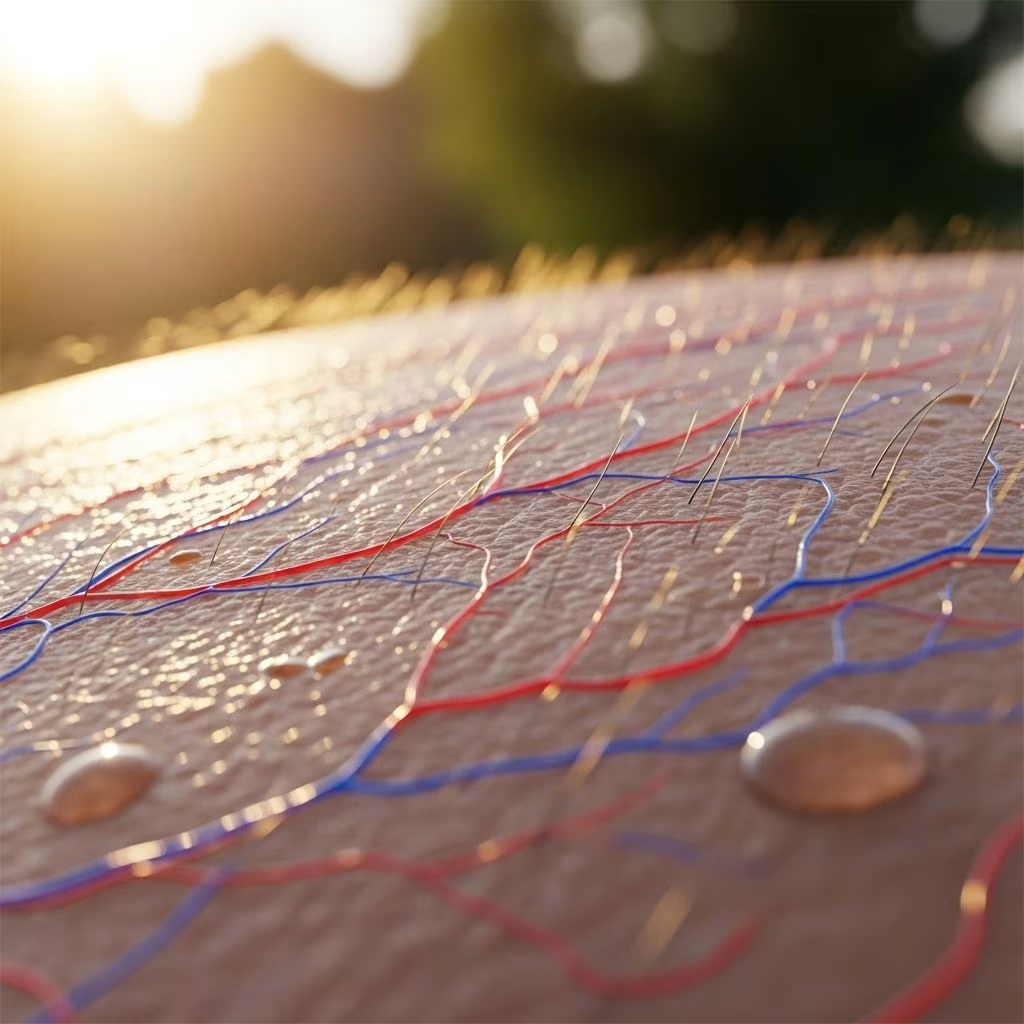
Daily Sunlight Exposure & Capillary Health Analysis
This article delves into the complex relationship between daily sunlight exposure and capillary health, examining both the positive and negative impacts of sunlight on our skin and blood vessels.
Introduction
Sunlight is a double-edged sword when it comes to health. On one hand, it is essential for vitamin D synthesis, which is crucial for bone health and potentially for preventing certain cancers. On the other hand, prolonged exposure to ultraviolet (UV) rays can lead to various skin and vascular issues, including the development of spider veins or varicose veins. In this article, we will explore the effects of sunlight on capillary health, discussing both the risks and benefits associated with regular exposure.
Benefits of Sunlight Exposure
Sunlight provides several health benefits:
- Vitamin D Synthesis: UV exposure is crucial for the synthesis of vitamin D3, which is essential for bone health and potentially offers protective effects against certain cancers.
- Circadian Rhythms and Mood: Exposure to sunlight helps regulate circadian rhythms and can improve mood by enhancing endorphin levels.
- Nitric Oxide Production: Sunlight can enhance subdermal nitric oxide production, which supports cardiovascular health.
Risks Associated with Sunlight Exposure
Despite its benefits, prolonged sunlight exposure poses several risks to capillary and skin health:
The most notable risks include:
- Skin Damage and Photoaging: UV radiation can cause photoaging, leading to wrinkles and skin thinning. This can weaken the support for blood vessels, making them more visible and prone to damage.
- Broken Blood Vessels (Telangiectasias): Chronic UV exposure can break down elastin fibers, causing blood vessels to dilate and become visible as spider veins.
- Increased Risk of Skin Cancer: UV exposure is a well-known risk factor for skin cancer, including melanoma and non-melanoma types.
Impact on Capillary Health
Sunlight’s impact on capillary health is multifaceted:
UV rays can weaken the skin’s ability to support small blood vessels, which can lead to:
- Spider Veins: These are tiny, visible veins that often appear as red or purple lines just beneath the skin’s surface. They are more common in areas frequently exposed to sunlight, such as the legs and face.
- Varicose Veins: Larger and more pronounced than spider veins, varicose veins can be a sign of chronic venous insufficiency and are influenced by factors like genetics, age, and prolonged standing or sitting.
Prevention and Protection Measures
To mitigate the negative effects of sunlight on capillary health, consider these protective measures:
- Sunscreen Application: Regular use of sunscreen with a Sun Protection Factor (SPF) of at least 30 can significantly reduce UV damage to the skin.
- Protective Clothing: Wear clothing that covers your skin, especially during peak sun hours, and choose fabrics with built-in UPF protection.
- Shade and Hats: Whenever possible, seek shade and wear wide-brimmed hats to reduce direct sun exposure.
- Regular Check-Ups: Regularly monitor your skin and vascular health with a dermatologist or vein specialist to catch any issues early.
Frequently Asked Questions
Q: Can sunlight exposure cause spider veins?
A: Yes, prolonged sunlight exposure can contribute to the development of spider veins by weakening skin elasticity and vein support structures.
Q: How can I protect my skin from sun damage?
A: Use sunscreen daily, wear protective clothing, seek shade, and avoid peak sun hours to minimize sun damage.
Q: What are the benefits of vitamin D synthesis through sunlight exposure?
A: Vitamin D, synthesized through sunlight exposure, is crucial for bone health and may offer protective effects against certain cancers.
Conclusion
In conclusion, while sunlight is essential for certain health benefits, its impact on capillary health can be detrimental if not managed properly. By understanding both the risks and benefits, individuals can take proactive steps to protect their skin and vascular systems while still enjoying the advantages of sunlight exposure.
References
- https://www.metroveincenters.com/blog/sun-exposure-and-spider-veins
- https://www.skincancer.org/blog/surprising-signs-of-sun-damage/
- https://en.wikipedia.org/wiki/Health_effects_of_sunlight_exposure
- https://www.news-medical.net/health/Broken-Veins-from-the-Sun.aspx
- https://pmc.ncbi.nlm.nih.gov/articles/PMC4075775/
- https://pmc.ncbi.nlm.nih.gov/articles/PMC2290997/
- https://medicover-genetics.com/the-long-term-effects-of-uv-radiation-from-sun-exposure-on-skin-health/


