


Introduction
Modern lifestyles often disrupt our natural sleep-wake cycles, leading to challenges in waking up feeling refreshed and energized. Sunrise clocks and circadian lighting solutions have emerged as powerful tools for improving sleep quality and optimizing morning routines. By mimicking the gentle increase in natural light that occurs at dawn, these technologies align indoor lighting with the body’s biological rhythms, setting the stage for healthier mornings and improved daytime alertness.
Understanding Circadian Rhythms and Lighting
At the heart of sunrise clocks and lighting solutions is the concept of circadian rhythms—the body’s internal clock that orchestrates physiological processes over a 24-hour cycle. These rhythms are regulated by the suprachiasmatic nucleus (SCN) in the brain, which relies heavily on light cues received through the eyes. Natural daylight signals alertness, while darkness signals the release of melatonin for sleep.
The synchronization of artificial lighting with natural circadian phases helps prevent sleep disorders, lethargy, and mood disturbances. Research shows that exposure to the right light spectrum and intensity at appropriate times enhances cognitive functioning, mood, and overall health.
What Are Sunrise Clocks?
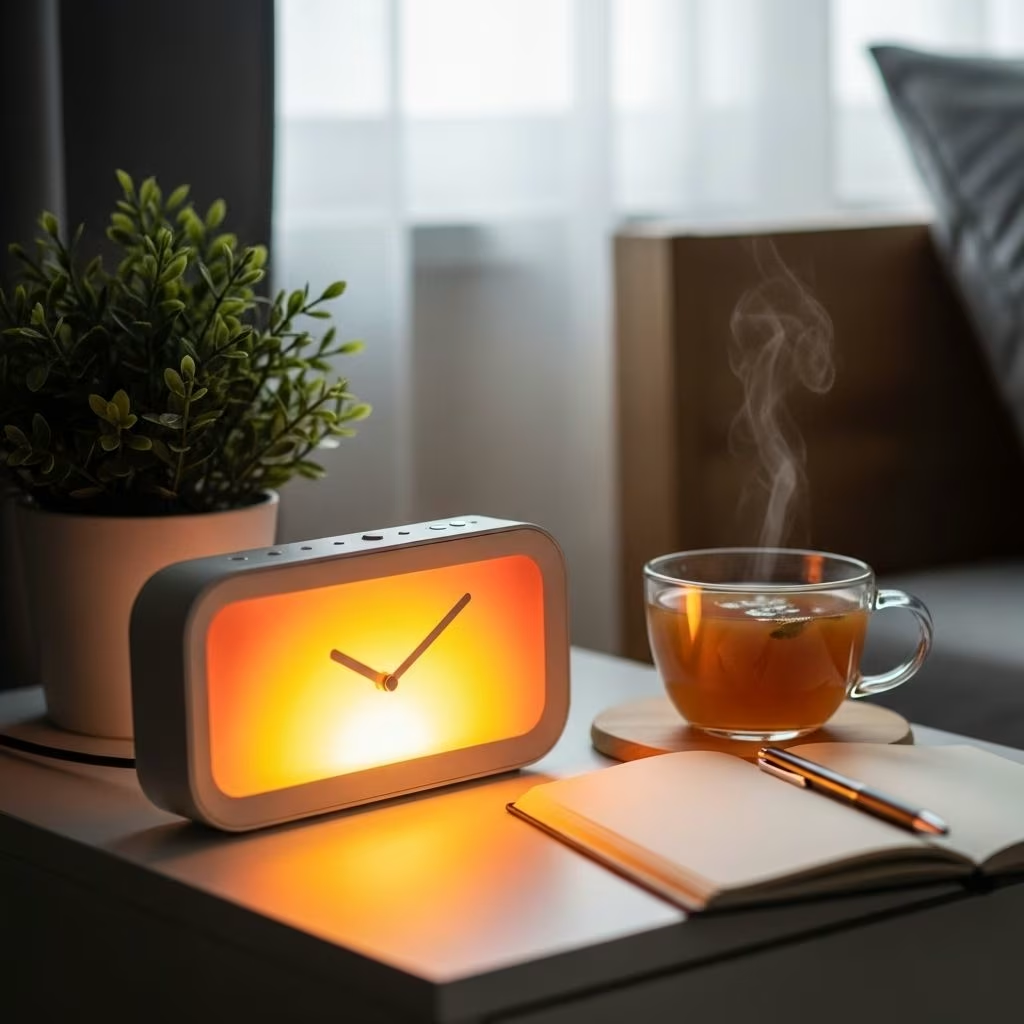
Sunrise clocks are specialized alarm clocks that gradually increase light intensity and color temperature in the room, simulating a natural sunrise. Unlike traditional alarms that disrupt sleep abruptly, sunrise clocks gently rouse sleepers by mimicking dawn’s slow brightening, helping the body transition naturally from sleep to wakefulness. Key characteristics include:
- Progressive increase in light intensity over a set period (typically 30–60 minutes)
- Adjustable color temperature, often starting with warm amber and transitioning to cool white
- Optional nature sounds or gentle melodies accompanying the light ramp-up
- Integration with smart home systems for personalized wake routines
A sunrise clock’s main advantage is its ability to reinforce circadian signals in the absence of natural daylight, making it especially beneficial in winter months or for those with windowless bedrooms.
The Science Behind Light and Waking
Light functions as the most powerful external cue (or zeitgeber) for the circadian system. Early morning light exposure suppresses melatonin production and increases cortisol levels, encouraging alertness and wakefulness. The ideal light features for waking include:
- Gradual intensity increase: Prevents abrupt sleep interruption
- Color temperature progression: Warm hues (2700–3500K) promote a gentle wake, cool hues (4000K–6500K) further rouse the senses
- Blue light modulation: Blue wavelengths (~480nm) stimulate alertness; timed exposure avoids nighttime melatonin suppression
Evidence suggests that syncing indoor lighting with natural light rhythms resynchronizes the circadian clock, resulting in improved mood, cognitive performance, and metabolic health.
Specific Lighting Solutions: Technologies & Approaches
Sunrise clocks are one component of broader circadian lighting systems, which employ three main approaches to emulate daily light cycles:
| Lighting Approach | Description | Waking Suitability |
|---|---|---|
| Intensity Tuning | Adjusts brightness to match time of day (low morning, high midday, low evening) | Ideal for gradual wake-up sequences |
| Color Tuning | Shifts between warm and cool color temperatures to mimic sunrise/sunset | Supports gentle transition from sleep to alertness |
| Stimulus Tuning | Modulates spectrum, reducing disruptive blue light at night, boosting it in morning | Enhances morning alertness, protects melatonin cycle in evening |
These technologies are incorporated in a range of products, from smart bulbs to integrated lighting panels. Many systems combine all three approaches for maximum effect.
Home Applications & Product Types
Creating a circadian-friendly environment at home can help reinforce healthy wake-sleep cycles. Common product options include:
- Sunrise simulation clocks (e.g., Philips Wake-Up Light, Lumie Bodyclock)
- Smart LED bulbs with adjustable intensity and color (e.g., CYNC Soft White Smart Bulb)
- Sunlight-mimicking bulbs (e.g., Sun Filled™ LED)
- Daylight panels and ceiling fixtures with tunable spectrum
- Integrated lighting systems for whole-home circadian support (manual, programmable, or app-controlled)
These products can be installed in bedrooms, home offices, and living spaces to reflect the natural light curve, improving sleep hygiene and energy flow throughout the day.
Wellness Benefits and Health Impacts
Numerous studies show that specific lighting solutions tuned to the body’s circadian rhythm offer both immediate and long-term health benefits:
- Improved sleep quality: Proper sunrise simulation helps regulate melatonin, resulting in easier waking and falling asleep.
- Enhanced mood: Morning light exposure can reduce risk for seasonal affective disorder (SAD) and depression.
- Cognitive alertness: Increased daylight-equivalent lighting boosts focus, memory, and energy, especially after waking.
- Better productivity: Employees and students exposed to circadian-lighting report quicker mental recovery and task completion.
- Reduced risk of metabolic and cardiovascular ailments: Light-regulated circadian rhythms support immune, hormonal, and metabolic functions.
Importantly, the psychological connection to natural lighting—even subconsciously—can foster a sense of well-being and comfort in indoor environments.
Designing Your Morning Light Environment
To optimize your wake routine and indoor health, follow these principles for effective morning light design:
- Place your sunrise clock or light source where it reaches your eyes without causing discomfort.
- Set the sunrise simulation to begin 30–60 minutes before your desired wake time for the smoothest transition.
- Choose products offering adjustable color temperature, starting sunrise with warm hues and ending with cooler whites.
- Avoid blue-white light sources after sunset to prevent melatonin suppression.
- Integrate lighting with your sleep ritual, using soothing sounds, aromatherapy, or smart home routines for personalized ease.
Combining these design choices maximizes the circadian effect and fosters long-term sleep and mood improvements.
Choosing the Right Sunrise Clock: Features to Consider
When selecting a sunrise clock or circadian lighting system, evaluate the following features:
- Gradual light ramp-up: Simulation should allow for slow brightness increase, preventing abrupt wakefulness.
- Color tuning: Look for models offering both warm and cool spectrum transition (amber to daylight white).
- Sound options: Gentle nature sounds or customizable alarms can complement the light experience.
- Personalization: Adjustable ramp duration, intensity levels, and event scheduling for individual needs.
- Smart compatibility: Integration with smartphone apps or home automation systems enhances usability.
- Bulb technology: Sunlight-emulating LEDs or full spectrum lights protect melatonin while energizing mornings.
Not all sunrise clocks offer full circadian support; prioritize models with research-backed light curves and spectrum fidelity.
Common Misconceptions & FAQs
- Misconception 1: “Any bright alarm clock light is sufficient.”
Fact: The gradual intensity and spectrum tuning are essential; abrupt or overly blue lights can disrupt sleep more than assist waking. - Misconception 2: “Circadian lighting is only necessary for sleep disorders.”
Fact: Everyone benefits from natural light-mimicking routines; even mild shifts improve energy and mood. - Misconception 3: “Blue light is always bad.”
Fact: Morning exposure to blue light is healthy; avoidance is critical only in the evening . - Misconception 4: “Sunrise clocks work instantly.”
Fact: While benefits begin quickly, full circadian adjustment may take days or weeks of consistent use.
Frequently Asked Questions (FAQs)
Q: Do sunrise clocks help with insomnia?
A: Yes. Gradual sunrise simulation supports better sleep onset and waking, helping regulate the circadian rhythm and alleviate symptoms for many insomnia sufferers.
Q: How does circadian lighting differ from regular lighting?
A: Circadian lighting systems adjust intensity and spectrum throughout the day to mimic natural daylight progression, unlike static brightness or color bulbs which do not engage biological rhythms.
Q: Can sunrise clocks improve mood during winter?
A: Absolutely. Simulating morning sunlight indoors can reduce symptoms of seasonal affective disorder and winter “blues” by triggering natural alertness hormones.
Q: What is the ideal wake-up light color temperature?
A: Best results occur with sunrise simulation beginning at warm amber hues (2700–3000K) and finishing with daylight white (4000–6000K). This progression stimulates alertness and emotional well-being.
Q: Can I use circadian lighting in tandem with smart home systems?
A: Yes. Many modern lighting solutions, including sunrise clocks and tunable bulbs, are compatible with smart home platforms for automated wake-sleep routines and personalized settings.
Conclusion
Sunrise clocks and targeted circadian lighting solutions represent the future of healthy mornings and productive days. By harnessing the science of light and biological rhythms, these technologies enable a gentle, natural transition from sleep to wakefulness, fortifying well-being, mood, and cognitive function. Consistent use—integrated with wellness-oriented design and smart home technology—empowers every individual to seize their best morning, every day.
References
- https://www.thelightingpractice.com/what-is-circadian-lighting/
- https://www.arup.com/en-us/insights/light-and-wellness-a-circadian-approach-to-lighting-design/
- https://biofilico.com/news/smart-circadian-lighting-for-home-office
- https://www.gelighting.com/inform/circadian-lighting-body-rhythm
- https://www.walalight.com
- https://www.signify.com/global/innovation/circadian-lighting
- https://www.thetuolife.com
- https://www.kazzar.net/circadian-lighting


