


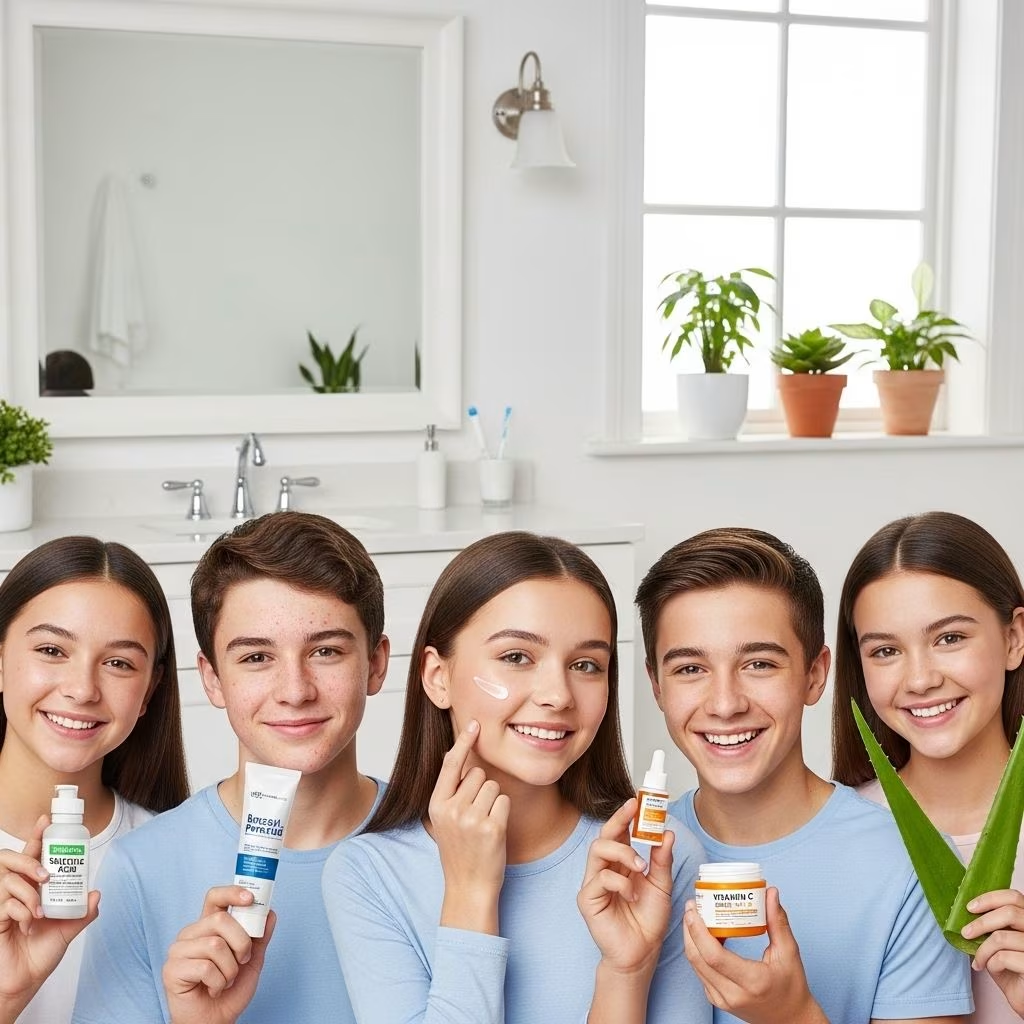
Healthy skin starts with knowledge. For many teens, managing breakouts, oiliness, and sensitivity is a daily challenge. The right skincare ingredients can transform your skin, boost your confidence, and empower you to make smart choices as you build your first skincare routine. This comprehensive, SEO-optimized guide will take you from A to Z through essential ingredients every teen should know, including what they do, who they suit, and how to use them safely for clear, glowing skin.
Why Teenage Skin Needs Special Care
Teen skin is unique because puberty triggers a surge of hormones, especially androgens, which increase oil (sebum) production. This can result in acne, blackheads, whiteheads, and a tendency for clogged pores. Additionally, some teens may experience sensitivity and dryness, making it critical to select ingredients that target these concerns effectively without irritation. Consistent, gentle care and smart ingredient choices set the foundation for lifelong healthy skin.
Skincare Routine Fundamentals for Teens
A teen’s routine doesn’t need to be complicated. The basics should include:
- Gentle cleansing twice daily to remove dirt and excess oil
- Moisturizing to keep the skin barrier healthy, even for oily skin
- Sun protection every single morning, regardless of the weather
- Targeted treatments for specific issues like acne, blackheads, or dryness
Let’s look closer at the ingredients that make the biggest difference for teen skin.
A–Z Skincare Ingredients for Teens
Below is an A–Z glossary of the most relevant, effective, and safe skincare ingredients for teens, explaining their benefits, best uses, and caution notes.
| Ingredient | Main Benefits | Best For | Notes |
|---|---|---|---|
| Azelaic Acid | Reduces acne, fades dark spots, calms redness | Acne-prone, sensitive, uneven skin | Mild irritation possible; well-tolerated |
| Benzoyl Peroxide | Kills acne bacteria, controls oil | Mild to moderate acne | Can cause dryness or bleaching of fabric; introduce gradually |
| Centella Asiatica (Cica) | Soothes and repairs skin, reduces redness | Sensitive, irritated skin | Good for calming after breakouts |
| Glycerin | Intense hydration (humectant) | All skin types | Rarely causes irritation |
| Hyaluronic Acid | Boosts hydration, plumps skin | All skin, especially dry or dehydrated | Look for in lightweight gel moisturizers |
| Niacinamide (Vitamin B3) | Reduces oil, improves texture, soothes redness | Oily, combination, enlarged pores | Non-irritating, excellent starter active |
| Panthenol (Vitamin B5) | Moisturizes, calms and repairs skin | Sensitive, dry, sun-exposed | Supports barrier function |
| Salicylic Acid (BHA) | Clears pores, reduces acne and blackheads | Oily, acne-prone, blackhead-prone | Use in cleansers or spot treatments |
| Succinic Acid | Antibacterial, reduces oil/excess sebum | Acne-prone | Gentler than some other acids |
| Titanium Dioxide/Zinc Oxide | Physical (mineral) sunscreen filters | All skin types, sensitive | Non-irritating; ideal for daily sun protection |
| Vitamin C (Ascorbic Acid) | Brightens skin, fights free radicals | Dull, uneven skin, mild pigmentation | Introduce slowly; may tingle |
Key Ingredients Explained
- Azelaic Acid: Excellent for teens with acne and post-inflammatory dark spots, it calms redness, fights bacteria, and reduces excess sebum. Works well for sensitive and redness-prone skin, with rare, mild irritation during first use.
- Benzoyl Peroxide: A classic over-the-counter acne treatment that kills bacteria and clears existing blemishes. Teens should use a low concentration and start with limited application to prevent dryness or irritation.
- Niacinamide: One of the most versatile ingredients—balances oil, reduces redness, strengthens the moisture barrier, and helps fade leftover acne marks.
- Salicylic Acid: A beta-hydroxy acid (BHA) that goes deep into pores to break up clogs and target blackheads, whiteheads, and pimples. Ideal for oily and breakout-prone teens, especially as a cleanser or leave-on spot treatment.
- Hyaluronic Acid & Glycerin: Both are powerful hydrators that draw water into the skin. Even oily skin needs moisture to repair the barrier and prevent extra oil production.
- Succinic Acid: A newer, gentle acne-fighting ingredient with antibacterial effects, commonly used for mild to moderate breakouts.
Other Beneficial Ingredients for Teens
- Panthenol (Vitamin B5): Calms irritation, strengthens the skin barrier, and helps fragile or inflamed skin heal faster.
- Centella Asiatica (Cica): Not strictly essential, but increasingly popular for its healing and soothing properties—especially if your skin is prone to redness or irritation after treating pimples.
- Vitamin C: Consider for extra glow and to fade dark marks left by spots, but go slowly and patch test to avoid sensitivity.
Ingredients to Avoid as a Teen
- Alcohol-based toners: Can dry out and irritate teen skin.
- Fragrance and harsh essential oils: Increase the risk of allergies and irritation.
- Physical scrubs with sharp particles (like apricot kernels): Can damage and inflame young skin.
- High concentrations of retinol, glycolic acid, or other strong exfoliants: These can cause sensitivity, excessive peeling, and even worsen acne if not used carefully. Retinol is rarely recommended for teens unless prescribed by a dermatologist.
Tips for Choosing Skincare Products as a Teen
- Read ingredient lists and look for non-comedogenic (won’t clog pores) products.
- Patch test any new product for irritation by applying a small amount near your jaw for a few days.
- For acne-prone skin, seek lightweight gels or oil-free lotions with proven actives (salicylic acid, niacinamide, benzoyl peroxide).
- For sensitive skin, prioritize fragrance-free, hypoallergenic formulas and barrier-repair ingredients (ceramides, panthenol).
- Sunscreen is a daily non-negotiable—choose a broad-spectrum SPF 30+ with mineral (zinc, titanium) or gentle chemical filters.
- Ask a dermatologist before adding strong products or starting new medications for acne.
Common Mistakes and Ingredients to Avoid
- Over-cleansing: Washing more than twice daily can strip the skin.
- Mixing too many actives: Combining benzoyl peroxide with retinoids or strong acids can cause irritation.
- Skipping moisturizer: Oily and acne-prone skin still needs moisture for barrier repair.
- Ignoring sun protection: Sun exposure can worsen spots, scars, and overall skin health.
Frequently Asked Questions (FAQs)
Q: Can I use adult skincare products on my teen skin?
A: Some adult products contain high concentrations of actives or rich oils not suited for teen skin. It’s usually best to choose products formulated for younger, more sensitive skin or check with a dermatologist first.
Q: How do I deal with acne as a teen?
A: Use a gentle cleanser, a non-comedogenic moisturizer, and targeted spot treatment with ingredients like salicylic acid or benzoyl peroxide. Avoid picking at spots and always use SPF.
Q: My skin is getting drier with acne treatment—what should I do?
A: Add a fragrance-free, lightweight moisturizer with ingredients like glycerin or hyaluronic acid. Reducing how often you use your acne treatment may also help; talk to your dermatologist if it persists.
Q: Should teens exfoliate?
A: Exfoliation helps unclog pores, but harsh scrubs can damage skin. Use gentle chemical exfoliants like a BHA (salicylic acid) toner no more than 1–2 times/week, unless advised otherwise.
Q: How important is sunscreen if I’m inside most days?
A: UV rays penetrate windows and clouds. Daily sunscreen prevents sunburn, protects against premature aging, and reduces the risk of dark marks and skin cancer.
Final Thoughts
Teens deserve simple, effective, and safe skincare. Find ingredients that suit your unique needs, introduce new ones slowly, and stick to gentle, supportive routines. Confidence grows as skin health improves—start your journey with knowledge and patience!
References
- https://bareaddiction.com/blogs/age-specific-education/the-best-teenage-skincare-guide-key-ingredients-for-13-19-year-olds
- https://drhanandermatologyclinic.com/best-skincare-products-for-teens/
- https://answers.childrenshospital.org/tween-skin-care-ingredients-information/
- https://annepeledmd.com/2025/02/safe-skincare-choices-for-teens-and-tweens/
- https://woodscopenhagen.com/blogs/journal/skincare-for-teens-a-step-by-step-guide
- https://www.sephora.com/beauty/teens-tweens-skincare
- https://www.cerave.com/skin-smarts/skin-concerns/acne/teenage-acne-skincare-routine
- https://skincarejunkie.com/blogs/news/teen-skincare-101-dermatologist-tips-for-healthy-skin


