


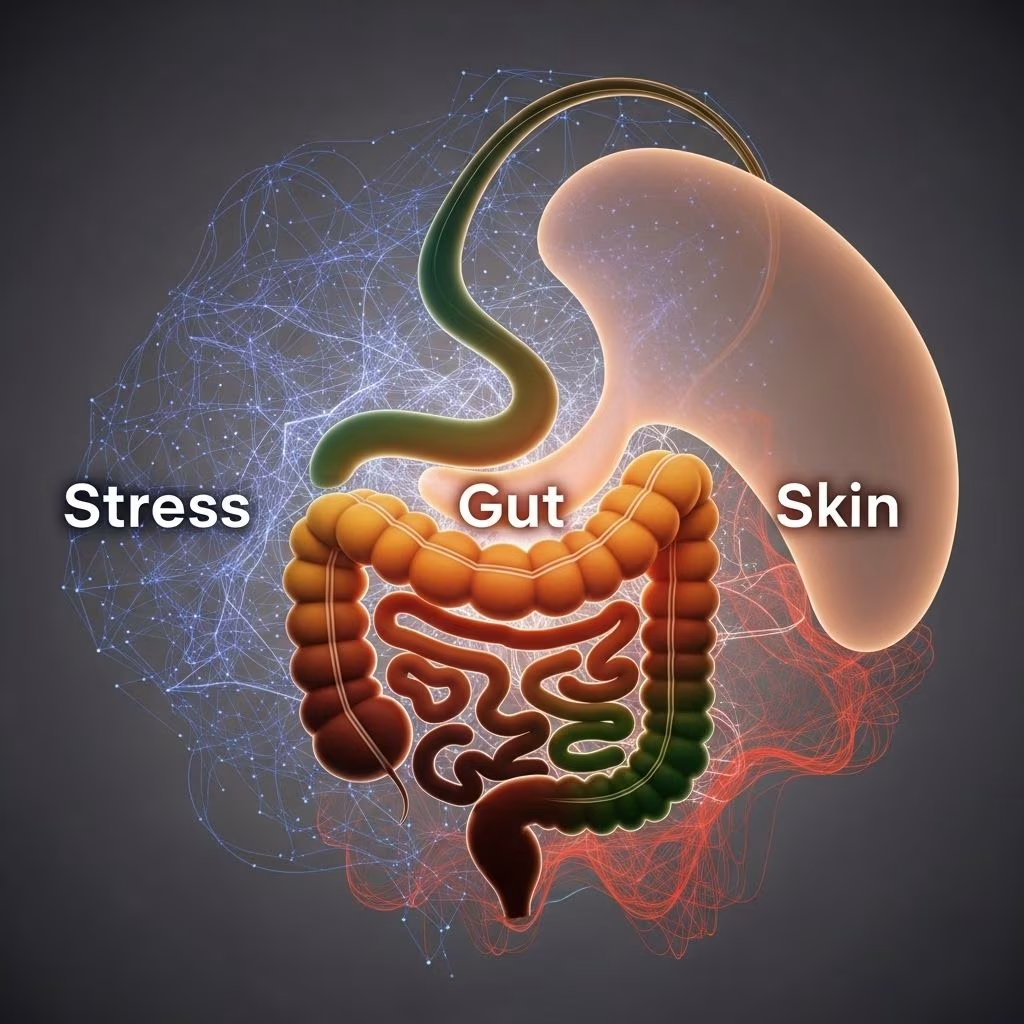
The relationship between what happens inside your body and what shows up on your skin is far more profound than most people realize. When chronic skin conditions flare up repeatedly, the answer may not lie solely in topical treatments or skincare routines, but rather in the complex interplay between stress, gut health, and systemic inflammation. This intricate connection, known as the gut-skin-brain axis, represents a revolutionary understanding of how our bodies function as integrated systems rather than isolated parts.
Introduction: The Invisible Connection
For decades, dermatologists and healthcare providers treated skin conditions as localized problems requiring localized solutions. However, emerging research has revealed that persistent skin issues often have roots that extend far deeper than the epidermis. The gut-skin-brain axis represents a bidirectional communication pathway linking the digestive system, nervous system, and integumentary system in ways that profoundly influence health and disease.
When you experience chronic stress, your gut microbiome composition changes. When your gut becomes imbalanced, inflammation spreads throughout your body. When inflammation becomes systemic, your skin reacts with flare-ups, redness, acne, eczema, psoriasis, or rosacea. This cascade effect explains why approximately 30% of patients with skin disorders also suffer from comorbid psychological conditions such as depression or anxiety, and why managing skin health requires a holistic approach that addresses multiple interconnected systems.
Understanding the Gut-Skin Axis
The gut-skin axis refers to the complex communication pathway that links the digestive system with the skin. This connection operates through multiple mechanisms, including immune regulation, inflammatory responses, and the production of metabolites that influence skin health. The gut plays a crucial role in maintaining overall health by supporting digestion, regulating the immune system, and acting as a barrier against harmful pathogens.
When the gut microbiome becomes disrupted due to factors such as poor diet, stress, antibiotics, or illness, it can lead to dysbiosis—an imbalance in the microbial community. This imbalance may result in increased intestinal permeability, often referred to as leaky gut, which allows toxins and bacteria to enter the bloodstream and trigger systemic inflammation. This inflammation does not remain confined to the digestive tract but travels throughout the body, manifesting in various ways on the skin.
The gut houses over 100 trillion microbes, which is more than 10 times the number of cells in the human body. This means humans are technically composed of more microbial cells than their own cells, making the microbiome an integral part of human physiology rather than simply a collection of foreign organisms. These microbes perform essential functions including synthesizing vitamins, breaking down complex carbohydrates, training the immune system, and producing neurotransmitters that affect mood and behavior.
The Stress Factor: How Psychological Pressure Triggers Physical Symptoms
Chronic stress serves as a powerful trigger for both gut dysfunction and skin flare-ups. When you experience stress, your body releases cortisol and other stress hormones that have widespread effects throughout multiple organ systems. These hormones increase systemic inflammation, compromise gut barrier integrity, alter immune function, and directly affect skin physiology.
Psychological stress can cause intestinal microbes to trigger neurotransmitter release, leading to cytokines entering the bloodstream and causing systemic inflammation. This stress-induced alteration to microbial flora increases the likelihood of intestinal permeability, creating a vicious cycle where stress damages the gut, the damaged gut promotes inflammation, and inflammation worsens both stress responses and skin conditions.
The mechanism works through the hypothalamic-pituitary-adrenal (HPA) axis, which coordinates the body’s response to stress. When activated repeatedly or chronically, the HPA axis remains in a state of hyperactivation, continuously releasing cortisol and other stress mediators. These substances directly impact gut motility, digestive enzyme secretion, mucus production, and the composition of the gut microbiome. Simultaneously, elevated cortisol levels affect skin by increasing oil production, reducing skin barrier function, and promoting inflammatory pathways that manifest as acne, eczema flares, psoriasis plaques, or rosacea episodes.
The Gut Microbiome: Your Body’s Hidden Ecosystem
The gut microbiome represents one of the most complex and dynamic ecosystems on Earth, with thousands of different bacterial species, fungi, viruses, and other microorganisms coexisting in a delicate balance. This microbial community performs essential functions that extend far beyond digestion, influencing immunity, metabolism, hormone production, and even brain function through the production of neurotransmitters like serotonin and dopamine.
A healthy gut microbiome exhibits high diversity, with numerous different species present in appropriate proportions. This diversity provides resilience, allowing the ecosystem to maintain stability even when challenged by dietary changes, occasional stress, or environmental factors. However, when diversity decreases and certain harmful bacteria overgrow while beneficial species decline, dysbiosis occurs.
Research demonstrates that diet can rapidly alter gut microbiome composition. When participants switched from a meat-based to a plant-based diet, their microbiota makeup changed after just one day. Fiber-rich prebiotic foods and fermented probiotic foods can stimulate the growth of resident bacteria and increase microbial biodiversity in the gut. Conversely, processed foods, excessive sugar, artificial sweeteners, and chronic antibiotic use can devastate microbial diversity and promote the growth of inflammatory bacterial species.
Environmental exposure, inadequate sleep, and environmental toxins all modulate microbiotic environments. This means that gut health is not determined by diet alone but by the totality of lifestyle factors that either support or undermine microbial balance.
Oxidative Stress and Inflammation: The Common Denominator
Oxidative stress plays a dominant role in inflammatory skin diseases. This biochemical imbalance occurs when reactive oxygen species (ROS) overwhelm the body’s antioxidant defenses, leading to cellular damage, DNA mutations, and widespread inflammation. Emerging evidence has shown that close interaction occurs between oxidative stress and the gut microbiome, creating a bidirectional relationship where each influences the other.
Local excess of ROS in the gut can be caused by diet ingestion or gut-specific bacteria. Certain dietary patterns, particularly those high in processed foods, refined sugars, and unhealthy fats, promote the production of ROS within intestinal cells. Some pathogenic bacterial species also generate ROS as metabolic byproducts, further contributing to oxidative stress within the gut environment.
A specific diet can lead to localized oxidative stress in the gut, which disrupts gut barrier function. This disruption can cause bacterial translocation from the ROS-stressed gut microbiome or induce further ROS production in intestinal epithelial cells, resulting in intestinal injury, disturbance of redox balance, and inflammation activation. Detection of intestinal bacterial DNA in the blood of patients with inflammatory skin conditions may indicate the presence of intestinal barrier dysfunction and bacterial translocation.
Depression represents an antioxidant defense system disorder, and skin biopsies from patients with depression show higher levels of oxidative stress. This connection helps explain the frequent comorbidity between mental health conditions and chronic skin disorders, as both share underlying mechanisms involving oxidative stress and inflammation.
Chronic Skin Conditions Linked to Gut Health
Multiple chronic skin conditions have demonstrated clear connections to gut health and dysbiosis. Understanding these specific relationships helps illuminate the mechanisms through which gut imbalances manifest as skin problems.
Acne Vulgaris: Patients with acne vulgaris have a distinct gut microbiota in comparison to healthy controls. Inflammation and excess oil production can be influenced by gut bacteria imbalances. Certain strains of harmful bacteria may promote inflammatory pathways that affect sebaceous oil glands and exacerbate acne. The connection extends beyond simple correlation, with studies showing that probiotic supplementation can reduce acne severity in some patients.
Eczema and Atopic Dermatitis: Gut microbiota is closely related to the development of atopic dermatitis. Individuals with eczema often have reduced gut microbial diversity, and dysbiosis may affect the immune response, contributing to flare-ups and skin sensitivity. The relationship appears to begin early in life, with infant gut microbiome composition predicting later development of atopic conditions.
Psoriasis: Many inflammatory skin diseases are often associated with inflammatory bowel disease, and psoriasis is no exception. The detection of intestinal bacterial DNA in the blood of patients with psoriasis may indicate the presence of intestinal barrier dysfunction and bacterial translocation. Some reports suggest patients with psoriasis have a higher risk of developing intestinal disease, highlighting the bidirectional nature of this relationship.
Rosacea: Some studies have linked gut disorders such as small intestinal bacterial overgrowth (SIBO) with rosacea. Reducing SIBO through diet and probiotics has shown improvement in some patients’ symptoms, suggesting that addressing gut imbalances may provide therapeutic benefit for this chronic facial skin condition characterized by redness, visible blood vessels, and inflammatory papules.
Vitiligo: Some intestinal diseases such as vitiligo, inflammatory bowel disease, and celiac disease show complex interrelationships. A 10-year retrospective study of the American population showed that IBD incidence in vitiligo patients was 2.13 times higher than normal. This autoimmune skin condition, characterized by loss of skin pigmentation, appears to share underlying mechanisms with autoimmune gut disorders.
The Gut-Brain-Skin Triangle: A Three-Way Connection
While the gut-skin axis represents a powerful two-way communication pathway, adding the brain to this equation creates an even more comprehensive understanding of chronic inflammatory conditions. The gut-brain-skin axis acknowledges that psychological factors, gut health, and skin conditions all influence each other in complex, bidirectional ways.
The brain communicates with the gut through the vagus nerve and through hormonal signals. When you experience stress, anxiety, or depression, these signals alter gut motility, change digestive secretions, and modify the gut microbiome composition. The altered microbiome then produces different metabolites, some of which have pro-inflammatory effects that travel through the bloodstream to affect the skin.
Simultaneously, the gut microbiome produces neurotransmitters including serotonin, dopamine, and gamma-aminobutyric acid (GABA), which influence mood, anxiety levels, and stress responses. An estimated 90% of the body’s serotonin is produced in the gut, not the brain, making gut health a critical factor in mental health. When gut dysbiosis occurs, neurotransmitter production becomes imbalanced, potentially worsening psychological symptoms.
The skin itself also participates in this communication network. Chronic skin conditions cause psychological distress, social anxiety, and depression, which then trigger stress responses that worsen gut function and skin inflammation. This creates a self-perpetuating cycle where each component of the triangle influences the others, making it difficult to break the pattern without addressing all three elements simultaneously.
Dietary Influences on the Gut-Skin Connection
Diet represents one of the most powerful modifiable factors influencing the gut-skin axis. The foods you consume directly impact gut microbiome composition, intestinal inflammation, systemic oxidative stress, and ultimately skin health. Understanding which dietary patterns support or undermine this connection is essential for managing chronic skin conditions.
Pro-Inflammatory Dietary Patterns: Diets high in processed foods, refined sugars, unhealthy fats, and artificial additives promote dysbiosis and inflammation. These foods encourage the growth of harmful bacteria while starving beneficial species that require fiber and complex carbohydrates. High-fat diets and alcohol exacerbate skin inflammation and oxidative stress, potentially delaying wound healing and worsening chronic skin conditions.
Anti-Inflammatory Dietary Approaches: Whole foods rich in fiber, antioxidants, and anti-inflammatory compounds support both gut and skin health. Fruits, vegetables, whole grains, legumes, nuts, seeds, and fatty fish provide nutrients that feed beneficial bacteria, reduce oxidative stress, and modulate inflammatory pathways. The Mediterranean diet, characterized by abundant plant foods, healthy fats from olive oil, and moderate fish consumption, has shown particular promise for reducing systemic inflammation.
Fermented Foods and Probiotics: Fermented foods like yogurt, kefir, sauerkraut, kimchi, miso, and kombucha contain live beneficial bacteria that can colonize the gut and improve microbial diversity. Regular consumption of these foods has been associated with reduced inflammation, improved gut barrier function, and better skin health outcomes in some populations.
Prebiotic Fiber: Prebiotics are non-digestible fibers that feed beneficial gut bacteria. Foods rich in prebiotic fiber include bananas, onions, garlic, leeks, asparagus, oats, and Jerusalem artichokes. These foods support the growth and activity of beneficial bacterial species, promoting a healthier gut environment that translates to reduced systemic inflammation and improved skin condition.
Breaking the Cycle: Therapeutic Strategies
Breaking the stress-gut-skin cycle requires a multifaceted approach that addresses all components of this interconnected system. No single intervention will likely prove sufficient, but combining multiple strategies creates synergistic effects that can significantly improve outcomes.
Probiotic and Prebiotic Supplementation: Probiotic supplements containing specific beneficial bacterial strains can help restore healthy gut flora, particularly after antibiotic use or during periods of high stress. Research has shown that certain probiotic strains reduce systemic inflammation by promoting a healthy gut environment, which can translate to improved skin conditions. Combining probiotics with prebiotic fiber creates a synbiotic approach that both introduces beneficial bacteria and provides the nutrients they need to thrive.
Stress Management Techniques: Since chronic stress affects both gut and skin health by increasing cortisol levels and promoting inflammation, stress management represents a critical therapeutic component. Effective techniques include mindfulness meditation, progressive muscle relaxation, yoga, deep breathing exercises, regular physical activity, adequate sleep, and cognitive-behavioral therapy for those with anxiety or depression.
Gut-Healing Protocols: For individuals with significant intestinal permeability or inflammatory gut conditions, targeted gut-healing protocols may be necessary. These often include removing inflammatory foods, adding gut-supportive nutrients like L-glutamine and zinc, consuming bone broth or collagen, and working with a healthcare provider to address underlying infections or imbalances.
Antioxidant Support: Since oxidative stress represents a common pathway linking gut dysfunction and skin inflammation, increasing antioxidant intake can help break this connection. Foods rich in antioxidants include berries, leafy greens, colorful vegetables, green tea, dark chocolate, and spices like turmeric and ginger. Supplemental antioxidants may also prove beneficial under professional guidance.
Targeted Medical Interventions: For some individuals, addressing specific gut conditions like small intestinal bacterial overgrowth, inflammatory bowel disease, or celiac disease requires medical intervention. Working with gastroenterologists and dermatologists who understand the gut-skin connection can lead to more comprehensive treatment approaches that address root causes rather than simply suppressing symptoms.
Lifestyle Modifications for Optimal Gut and Skin Health
Beyond diet and supplementation, several lifestyle factors significantly influence the gut-skin-brain axis and can either support or undermine efforts to manage chronic skin conditions.
Hydration: Adequate water intake supports digestion, nutrient absorption, toxin elimination, and skin hydration. Dehydration compromises gut barrier function and reduces skin elasticity, making adequate fluid intake essential for both systems. Aim for at least eight glasses of water daily, adjusting for activity level, climate, and individual needs.
Sleep Quality: Poor sleep disrupts gut microbiome composition, increases stress hormones, promotes inflammation, and impairs skin barrier function. The relationship is bidirectional, with gut dysbiosis also contributing to sleep disturbances. Prioritizing consistent sleep schedules, creating a restful sleep environment, and addressing sleep disorders can significantly improve both gut and skin health.
Exercise: Regular physical activity beneficially modulates gut microbiome composition, reduces systemic inflammation, improves stress responses, and enhances skin health through improved circulation and detoxification. However, excessive exercise without adequate recovery can increase oxidative stress and cortisol, so balance is essential.
Toxin Avoidance: Environmental toxins, including pesticides, heavy metals, endocrine disruptors, and air pollution, can damage gut microbiome composition and increase oxidative stress. Choosing organic produce when possible, filtering drinking water, using natural cleaning and personal care products, and minimizing exposure to air pollution can reduce this toxic burden.
Antibiotic Stewardship: While antibiotics are sometimes necessary and life-saving, they can devastate gut microbiome diversity and create lasting dysbiosis. Use antibiotics only when truly necessary, and when they are required, support gut recovery with probiotics and prebiotic fiber during and after the course of treatment.
Frequently Asked Questions
How long does it take to see skin improvements after improving gut health?
The timeline varies significantly between individuals depending on the severity of gut dysbiosis, the specific skin condition, and the interventions used. Some people notice improvements within 2-4 weeks of implementing dietary changes and probiotic supplementation, while others may require 3-6 months of consistent effort to see significant changes. Patience and consistency are essential, as gut microbiome restoration is a gradual process.
Can stress alone cause skin flare-ups even with a healthy gut?
Yes, stress can directly trigger skin flare-ups through multiple mechanisms including increased cortisol production, immune system modulation, and direct effects on skin physiology such as increased oil production and reduced barrier function. However, a healthy gut microbiome can buffer some of these stress effects by producing anti-inflammatory compounds and supporting balanced immune responses, making stress-related flare-ups less severe than they would be with concurrent gut dysbiosis.
What are the signs that my gut health is affecting my skin?
Common indicators of a gut-skin connection include experiencing both digestive issues and skin flare-ups simultaneously, noticing that certain foods trigger both gut symptoms and skin problems, having chronic skin conditions that do not respond well to topical treatments alone, experiencing fatigue and mood changes alongside skin issues, and having food sensitivities or intolerances. If you notice these patterns, addressing gut health may significantly improve skin outcomes.
Are all probiotics equally effective for skin health?
No, different probiotic strains have different effects, and not all are equally beneficial for skin health. Research suggests that specific strains such as Lactobacillus rhamnosus, Lactobacillus plantarum, Bifidobacterium longum, and Lactobacillus acidophilus may be particularly beneficial for skin conditions. The effectiveness also depends on the dose, viability of the organisms, and individual factors. Working with a healthcare provider to select appropriate probiotic strains based on your specific condition can improve outcomes.
Should I eliminate all dairy and gluten to improve my skin?
Not necessarily. While some individuals with specific sensitivities or conditions like celiac disease benefit from eliminating gluten, and some people find that dairy worsens their acne or eczema, blanket elimination is not necessary for everyone. A more personalized approach involves identifying your specific trigger foods through an elimination diet conducted under professional guidance, then removing only those foods that actually cause problems for you. This prevents unnecessary dietary restrictions while addressing genuine sensitivities.
How does the gut-skin connection differ between different skin conditions?
Different skin conditions involve somewhat different mechanisms within the gut-skin axis. Acne often relates to inflammatory pathways and hormonal influences from gut bacteria, eczema frequently involves immune dysregulation and reduced microbial diversity, psoriasis shows strong links to intestinal permeability and systemic inflammation, and rosacea has been specifically connected to small intestinal bacterial overgrowth. Despite these differences, all share common themes of inflammation, oxidative stress, and immune dysfunction rooted in gut dysbiosis.
Conclusion
The connection between stress, gut health, and chronic skin flare-ups represents far more than a simple correlation—it reflects fundamental principles of human physiology and the interconnected nature of bodily systems. The gut-skin-brain axis demonstrates that persistent skin conditions often have roots extending deep into digestive health and psychological wellbeing, requiring comprehensive approaches that address multiple factors simultaneously.
Understanding that your gut houses over 100 trillion microbes performing essential functions, that chronic stress directly damages both gut integrity and skin health, and that systemic inflammation originating in the gut manifests visibly on the skin empowers you to take meaningful action. Rather than simply treating surface symptoms with topical medications, addressing root causes through dietary modification, stress management, probiotic supplementation, and lifestyle optimization offers the potential for lasting improvement.
The research is clear: there is no immediate fix for inflammatory diseases related to the gut-brain-skin axis. However, managing skin health holistically with more nutritious foods, effective stress reduction techniques, targeted supplementation, adequate hydration and sleep, and professional guidance when needed provides a better path toward gut, skin, and brain health. By recognizing the profound connections between these systems and implementing comprehensive strategies that support all three, you can break the cycle of chronic flare-ups and achieve more resilient, healthier skin that reflects improved internal wellness.
References
- https://www.frontiersin.org/journals/cell-and-developmental-biology/articles/10.3389/fcell.2022.849985/full
- https://ssmc.ae/health-blog/the-link-between-gut-health-and-skin-conditions/
- https://www.dermatologytimes.com/view/analyzing-the-gut-skin-brain-axis
- https://pmc.ncbi.nlm.nih.gov/articles/PMC7916842/
- https://www.gutmicrobiotaforhealth.com/the-gut-skin-axis-feel-it-in-your-gut-wear-it-on-your-skin/
- https://pmc.ncbi.nlm.nih.gov/articles/PMC9311318/
- https://camelbackderm.com/2025/02/21/the-role-of-gut-health-in-skincare-how-probiotics-can-transform-your-complexion/


