


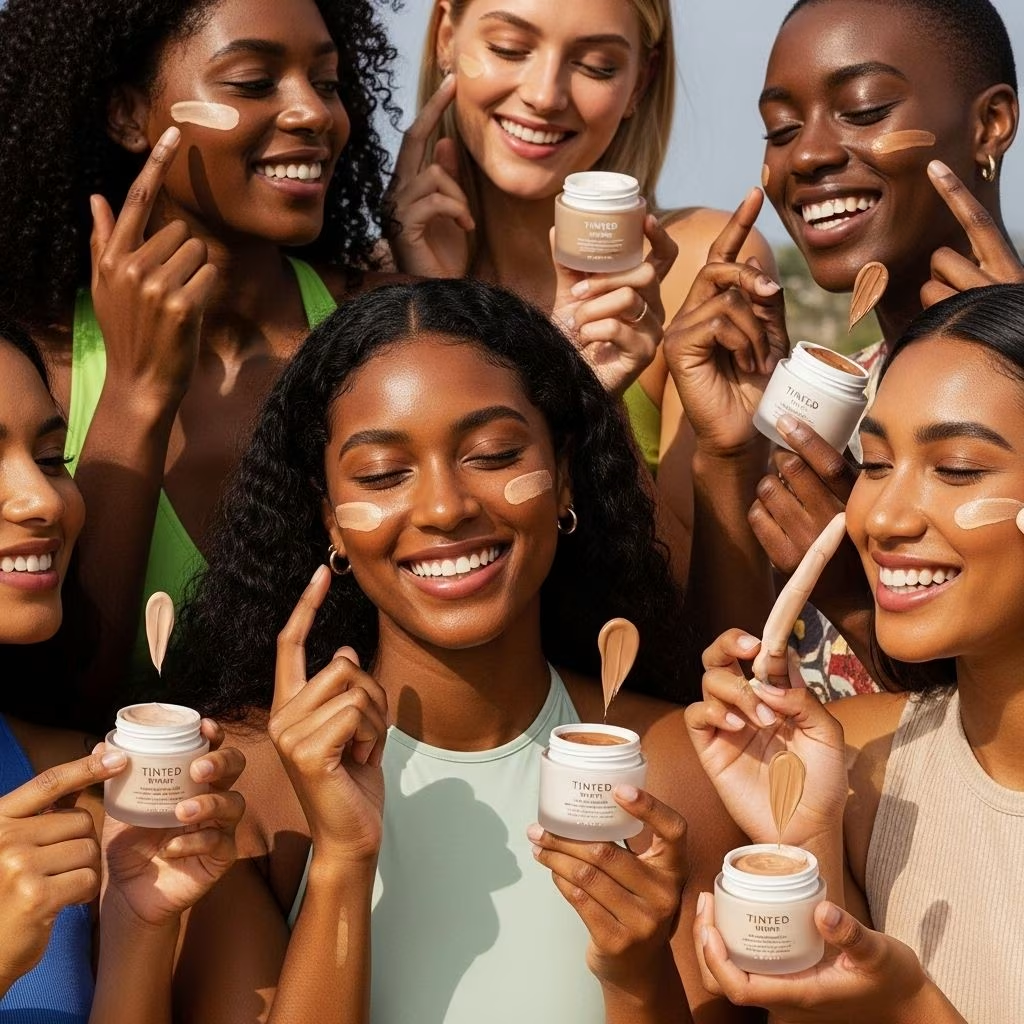
Protecting deep skin tones from sun and visible light damage is more complex than meets the eye. Traditional sunscreens often fail cosmetically and functionally for people of color, leaving unflattering residues and not addressing challenges like hyperpigmentation. Tinted mineral sunscreens now offer a transformative solution—delivering broad-spectrum coverage without a white cast and helping to prevent and treat pigmentary disorders. This comprehensive guide explores the science, practical tips, and top product selections for deep skin tones.
Why Sunscreen Matters for Deep Skin Tones
It’s a persistent myth that melanin-rich skin is immune to sun damage. While deeper skin tones naturally have more melanin, which provides some protection (an estimated SPF 13), it’s far below the dermatologist-recommended minimum SPF of 30. This misconception leads to lower sunscreen use in communities of color, despite evidence that:
- Skin cancer can and does occur in people with darker skin—often with worse outcomes due to late detection.
- Sun exposure is a significant trigger for hyperpigmentation and conditions like melasma.
- Blue and visible light from sunlight and devices contribute to persistent skin discoloration and signs of aging.
Unique Sun Damage and Hyperpigmentation in Deep Skin Tones
Deeper skin tones (Fitzpatrick types IV–VI) face distinct sun-related challenges, which traditional sunscreens often fail to address:
- Post-Inflammatory Hyperpigmentation (PIH): The skin forms dark spots following inflammation, sun exposure, or healing of acne. These spots can be persistent and resistant to treatment.
- Melasma: A condition characterized by patchy brown discoloration, often worsened by both UV and visible light.
- Photoaging: While deep skin tones are less prone to wrinkling, they are highly susceptible to uneven pigmentation, dullness, and textural changes with chronic sun exposure.
- Sunscreen Residue: Many sunscreens leave a visible white or grayish film, leading to poor cosmetic acceptance and reduced use among people of color.
The Science Behind Tinted Mineral Sunscreens
Tinted mineral sunscreens have evolved to address the limitations of traditional sunscreen formulas for deep skin tones. They work through several mechanisms:
- Broad-spectrum UV protection: Active mineral filters like zinc oxide and titanium dioxide reflect and scatter harmful UVA and UVB rays.
- Visible and blue light protection: The inclusion of iron oxides—yellow, red, and black—blocks visible wavelengths, especially blue light that triggers hyperpigmentation in rich skin.
- Cosmetic integration: The tint is not only for looks—it’s scientifically necessary, since the pigment layer must be visible on the skin to effectively reflect visible light.
Clinical research confirms that tinted mineral sunscreens are superior for preventing and treating hyperpigmentation in melanin-rich skin, especially when compared to untinted formulas.
Why “Tint” Matters: Beyond Cosmetics
The “tinted” element in sunscreen is more than aesthetic. Tinted mineral sunscreens provide:
- Protection from blue light and visible light: Pigments (primarily iron oxides) are necessary to block the blue and visible spectrum of light, which untinted, “invisible” mineral sunscreens do not address.
- Reduced white cast: Greater cosmetic elegance reduces the residual chalky film, a common deterrent for melanin-rich consumers.
- Blurring imperfections: Many tinted options provide additional skin-evening benefits, helping to minimize the appearance of discoloration, pores, and lines.
Essential Ingredients in Tinted Mineral Sunscreens
The performance and benefits of these sunscreens stem from key ingredients:
- Zinc Oxide: Offers stable protection across both UVA and UVB rays. Non-irritating and safe for sensitive skin.
- Titanium Dioxide: Complements zinc oxide, especially effective for scattering UVB rays.
- Iron Oxides (Red, Yellow, Black): Critical for blocking visible and blue light. Also responsible for the tint range matching all skin depths.
- Antioxidants and Hydrators: Many tinted mineral sunscreens also include skin-calming and moisturizing agents for added skin barrier support.
How Tinted Mineral Sunscreen Ingredients Compare
| Ingredient | Main Function | Role in Deep Skin Tones |
|---|---|---|
| Zinc Oxide | Blocks UVA/UVB | Key broad-spectrum protection; gentle and mineral-based |
| Titanium Dioxide | Blocks UVB (some UVA) | Minimizes burning and boosts SPF, partners with zinc oxide |
| Iron Oxides (red, yellow, black) | Blocks visible/blue light; pigment/tint | Prevents hyperpigmentation; prevents white cast |
| Antioxidants, hydrating agents | Calms, moisturizes, repairs | Enhances cosmetic feel and skin barrier comfort |
Choosing the Right Tinted Mineral Sunscreen
With innovation expanding the options for deep skin, consider the following when selecting a product:
- Breadth of shades: Choose brands that offer multi-hue ranges, from medium to very deep tones, for blendable, natural finish.
- No white cast: Prioritize formulas labeled “invisible,” “sheer,” or “for dark skin,” tested by people of color.
- SPF 30 or higher: Higher SPF ensures greater, longer-lasting protection.
- Iron oxides visible in ingredient list: A signifier of true visible-light protection.
- Additional skincare benefits: Hydrators, antioxidants, and anti-aging actives complement sun care.
- Non-comedogenic, fragrance-free: Ideal for sensitive or acne-prone skin.
Tips for Seamless Application on Deep Skin Tones
Proper use ensures both cosmetic and protective effectiveness:
- Apply liberally: A nickel-sized amount for the face, more for neck and ears.
- Blend thoroughly: Warm sunscreen in hands first to ensure even spread and optimal color match.
- Use as last skincare step: Apply after moisturizer, before makeup (if used).
- Reapply every 2 hours: Especially after sweating, swimming, or towel-drying.
- Pair with hats and shade: Physical barriers are always beneficial, especially for prolonged outdoor activities.
Top Product Recommendations
While personalization is key, these brands and products are frequently recommended for deeper skin:
- Colorescience Sunforgettable Total Protection Face Shield Flex SPF 50: Offers four flexible shades, iron oxides, and no white cast for a seamless blend on medium to deep skin.
- Buttah Skin Mineral Tinted Sunscreen SPF 30: Specifically developed for melanin-rich skin, blends transparently and includes hydrating agents.
- SkinMedica Essential Defense Mineral Shield SPF 32 (Tinted): Lightweight, broad-spectrum formula with a tint adaptable to a range of brown and deep hues.
- Other options: Look for mineral sunscreens from brands like EltaMD, La Roche-Posay, and Black Girl Sunscreen’s mineral line, prioritizing those that advertise “tinted,” “sheer,” and “iron oxides.” Always test for your specific undertone (warm, cool, or neutral).
Myths, FAQs & Science-Backed Answers
Q: Do people with deep skin tones really need sunscreen every day?
A: Yes. Melanin offers only minor protection (about SPF 13). Sunscreen is necessary daily to prevent both immediate and long-term pigment changes, as well as skin cancer.
Q: Why is tinted sunscreen better than regular for people of color?
A: Tinted mineral sunscreens with iron oxides protect against visible and blue light—the main causes of stubborn hyperpigmentation in deep skin. Regular (untinted) sunscreens do not address this unique risk.
Q: Will tinted mineral sunscreens clog pores or worsen acne?
A: Most modern formulas are non-comedogenic and non-irritating. Always check labels for “non-comedogenic” and “fragrance-free,” especially if you have sensitive or acne-prone skin.
Q: How can I avoid a white or gray cast?
A: Choose mineral sunscreens labeled as “invisible,” “sheer,” or explicitly formulated for dark skin, and ensure iron oxides are listed. Warm product in your hands before applying and blend thoroughly.
Q: Are chemical sunscreens a good option for deep skin tones?
A: Chemical sunscreens may be less likely to leave a residue, but they do not protect against visible or blue light. For hyperpigmentation-prone skin, mineral-tinted options are the best evidence-based choice.
Q: Can I use tinted mineral sunscreen as my only makeup?
A: Many offer light to medium coverage, blurring imperfections and evening skin tone—making them a great multitasking option for minimalist routines.
The Path Toward Confident, Protected Skin
For deep skin tones, traditional sunscreen options have long been inadequate, both in preventing sun-induced skin changes and in cosmetic elegance. Tinted mineral sunscreens represent a science-backed, aesthetically pleasing solution—offering broad-spectrum UV defense, blue light protection, and seamless coverage that addresses unique pigmentary concerns. The growing shade diversity in formulations means every person, regardless of undertone or depth, can find their match and enjoy confident, radiant, and well-protected skin every day.
References
- http://midwestderm.com/the-healthy-effect-of-tinted-sunscreen-for-people-of-color/
- https://skincarma.substack.com/p/the-benefits-of-a-tinted-mineral
- https://www.colorescience.com/collections/sunscreen-for-dark-skin
- https://www.health.harvard.edu/blog/tinted-sunscreens-benefits-beyond-an-attractive-glow-2020071320534
- https://zoskinhealth.com/us/blog/sun-protection-advice/tinted-sunscreen-benefits.html
- https://www.buttahskin.com/en-ca/products/sunscreen-for-dark-skin
- https://www.skinmedica.com/us/skin-concern/sun-protection/95675.html


