


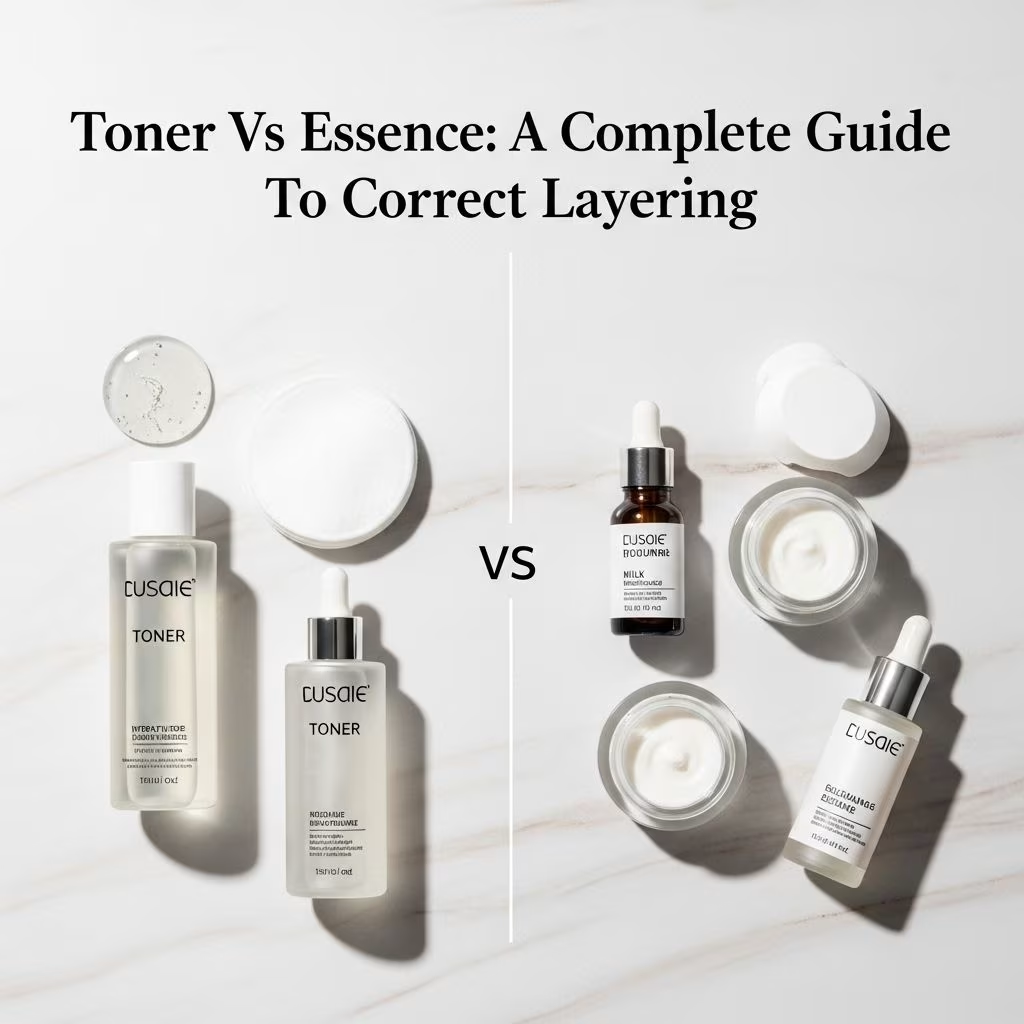
Navigating the world of skincare can feel overwhelming, especially when faced with products that seem remarkably similar. Two such products that often cause confusion are toner and essence. While both are liquid formulations applied after cleansing, they serve distinct purposes in your skincare routine. Understanding the difference between these two powerhouse products and learning how to layer them correctly can transform your skin’s health, hydration, and overall radiance. This comprehensive guide will demystify toner and essence, providing you with the knowledge to create an effective skincare routine that delivers visible results.
Understanding Toner and Essence: The Foundation of Great Skin
The confusion between toner and essence is entirely understandable. Both products come in liquid form, both are applied after cleansing, and both promise to improve your skin’s condition. However, their formulations, purposes, and positions in your skincare routine differ significantly. The fundamental distinction lies in their primary functions: toner acts as a cleansing and balancing agent that prepares your skin, while essence functions as a nourishing and hydrating treatment that amplifies the benefits of your subsequent products.
Toners have undergone a remarkable evolution in recent years. Traditional toners were harsh, alcohol-based formulations that stripped the skin of natural oils and often caused irritation, particularly for those with dry or sensitive skin. Modern toners have completely transformed, now offering gentle, water-based formulas that provide multiple benefits without the harsh side effects. Today’s toners focus on balancing skin pH, removing residual impurities, and delivering that crucial first layer of hydration that prepares your skin for deeper treatment.
Essence, on the other hand, has its roots firmly planted in Korean skincare philosophy. Korean beauty routines have long recognized essence as one of the most critical steps in achieving that coveted glass skin effect. An essence bridges the gap between toner and serum, offering a lightweight yet concentrated formula that delivers active ingredients deep into the skin. Think of essence as the hydration hero that ensures all your subsequent products work at their optimal level.
Key Differences Between Toner and Essence
While toner and essence may appear similar at first glance, understanding their distinct characteristics will help you use them effectively. The primary difference lies in their core functions: toner cleanses and balances, while essence nourishes and hydrates. Toner removes any lingering traces of dirt, oil, or makeup that your cleanser might have missed, and it rebalances your skin’s pH level to maintain the protective acid mantle. This pH balancing is crucial because cleansing can temporarily disrupt your skin’s natural pH, making it more vulnerable to bacteria and moisture loss.
Essence takes a different approach entirely. Rather than focusing on cleansing or balancing, essence concentrates on delivering a potent dose of hydration and active ingredients. Its formulation is more concentrated than toner but lighter than serum, creating the perfect consistency for maximum absorption. Essences contain powerful ingredients like hyaluronic acid, niacinamide, peptides, antioxidants, and glycerin that work to repair, protect, and revitalize your skin at the cellular level.
The texture difference between these two products is also noteworthy. Toners typically have a very watery, almost water-like consistency that feels refreshing and lightweight on the skin. Some toners may have a slightly viscous texture if they contain additional hydrating ingredients like hyaluronic acid, but they generally remain quite fluid. Essences, conversely, have a slightly thicker, more viscous texture that falls somewhere between water and gel. This silkier consistency allows essences to deliver more concentrated ingredients while still absorbing quickly without leaving a heavy residue.
The Power of Toner in Your Skincare Arsenal
Modern toners offer a multitude of benefits that make them indispensable in any comprehensive skincare routine. The first and most immediate benefit is residual cleansing. Even after thorough cleansing, traces of makeup, sunscreen, dirt, and sebum can remain on your skin’s surface. Toner acts as a final sweep, ensuring your skin is completely clean before you apply treatment products. This cleansing action is particularly important because any residue left on your skin can block the absorption of your expensive serums and moisturizers, reducing their effectiveness.
pH balancing represents another crucial benefit of toner use. Your skin naturally maintains a slightly acidic pH of around 4.5 to 5.5, which helps protect against harmful bacteria and environmental damage. Cleansing, particularly with alkaline cleansers, can temporarily raise your skin’s pH, leaving it vulnerable. A good toner quickly restores this optimal pH balance, strengthening your skin’s natural barrier function and improving its ability to defend against external aggressors.
Hydration delivery marks another key advantage of incorporating toner into your routine. Modern toners are formulated with humectants like hyaluronic acid and glycerin that attract and bind moisture to your skin. This initial hydration layer creates a moist environment that allows subsequent products to penetrate more effectively. When you apply serum or moisturizer to properly toned skin, the active ingredients can travel deeper into the skin layers rather than sitting on the surface.
Additionally, many contemporary toners include specialized ingredients that address specific skin concerns. Exfoliating toners contain alpha hydroxy acids (AHAs) or beta hydroxy acids (BHAs) that gently remove dead skin cells, refining texture and preventing clogged pores. Soothing toners incorporate ingredients like centella asiatica, chamomile, or green tea to calm inflammation and redness. Brightening toners may include vitamin C or niacinamide to even out skin tone and reduce the appearance of dark spots.
Why Essence is a Skincare Game-Changer
Essence has earned its reputation as a transformative skincare product for excellent reasons. The primary benefit of essence lies in its exceptional ability to deliver intense hydration to the skin. Unlike toners that provide a light layer of moisture, essences penetrate deeper into the skin layers, flooding cells with hydration that plumps, smooths, and revitalizes. This deep hydration doesn’t just make your skin look better temporarily; it actually improves skin health at the cellular level, supporting proper cell function and turnover.
One of the most valuable properties of essence is its ability to enhance the absorption of subsequent skincare products. When you apply essence, you’re essentially priming your skin to receive and utilize the active ingredients in your serums and moisturizers more effectively. The hydrating components in essence create pathways that allow other products to penetrate more deeply, maximizing their efficacy. This absorption-boosting property means that every product you apply after essence works harder and delivers better results.
Essences also excel at skin conditioning, improving overall texture and suppleness. Regular use of essence can transform rough, dull skin into smooth, radiant skin with a healthy glow. The concentrated active ingredients in essences work to strengthen the skin barrier, improve elasticity, and promote a more even skin tone. Many essences contain powerful antioxidants that protect against free radical damage, helping to prevent premature aging and environmental damage.
Another significant benefit of essence is its targeted treatment capabilities. While providing universal hydration benefits, many essences are formulated to address specific skin concerns. Anti-aging essences contain peptides and growth factors that stimulate collagen production and improve firmness. Brightening essences use vitamin C, niacinamide, or alpha-arbutin to fade hyperpigmentation and create a more luminous complexion. Essences designed for acne-prone skin may incorporate tea tree oil, salicylic acid, or other clarifying ingredients that control excess sebum and prevent breakouts.
The Perfect Layering Order: Step-by-Step Guide
Understanding the correct order for applying toner and essence is essential for achieving optimal results from your skincare routine. The golden rule of skincare layering is to apply products from thinnest to thickest consistency, allowing each layer to absorb properly before adding the next. This method ensures that lighter products aren’t blocked by heavier formulations and that each product can penetrate effectively.
Step 1: Cleanse Your Face
Begin with a thorough cleanse using a gentle cleanser appropriate for your skin type. Double cleansing is recommended if you wear makeup or sunscreen. Start with an oil-based cleanser to dissolve makeup and sunscreen, then follow with a water-based cleanser to remove any remaining impurities and excess oil. Rinse thoroughly with lukewarm water and gently pat your face dry with a clean towel, leaving skin slightly damp.
Step 2: Apply Toner
Immediately after cleansing, while your skin is still slightly damp, apply toner. This is the critical first step in your treatment routine. Toner should always come before essence because its primary function is to cleanse away any final impurities and rebalance your skin’s pH. Applying toner on damp skin helps lock in moisture and enhances absorption. Wait approximately 30 seconds to one minute after applying toner to allow it to absorb fully before moving to the next step.
Step 3: Apply Essence
Once your toner has absorbed, it’s time to apply essence. This is where the magic happens. Essence goes on after toner but before heavier treatments like serums and moisturizers. The essence will build upon the foundation created by your toner, delivering concentrated hydration and active ingredients that prepare your skin to receive maximum benefits from subsequent products. Allow the essence to absorb for about one to two minutes before continuing with your routine.
Step 4: Continue with Serums and Treatments
After essence has absorbed, apply any targeted treatment serums you use. These might include vitamin C serums, retinol treatments, or specialized serums for specific concerns. The properly prepared and hydrated base created by toner and essence will allow these concentrated treatments to penetrate more effectively and work more efficiently.
Step 5: Seal Everything with Moisturizer
Complete your routine by applying moisturizer to seal in all the beneficial ingredients you’ve layered onto your skin. The moisturizer creates a protective barrier that prevents moisture loss and locks in all the hydrating and treating ingredients from your previous steps. Don’t forget to follow with eye cream and, during daytime routines, finish with broad-spectrum sunscreen.
Application Techniques for Maximum Absorption
The method you use to apply toner and essence can significantly impact their effectiveness. Proper application techniques ensure maximum absorption, minimize product waste, and enhance the overall benefits of these products.
Toner Application Methods
For toner, you have two primary application methods: cotton pad application and hand application. The cotton pad method involves saturating a cotton pad with toner and gently swiping it across your face in upward motions. This method provides gentle exfoliation as the cotton pad picks up any remaining dead skin cells and impurities. It’s particularly effective for oily or acne-prone skin types. However, be aware that cotton pads can absorb a significant amount of product, potentially wasting some of your toner.
The hand application method, also called the patting method, involves pouring a small amount of toner into your palms and gently pressing it into your skin. This method is more economical as no product is absorbed by cotton pads, and the warmth of your hands can help the toner absorb more effectively. To use this method, pour a nickel-sized amount of toner into your palm, rub your hands together briefly to warm the product, then press your palms against your face and gently pat the toner into your skin. Repeat until your entire face is covered.
Essence Application Techniques
Essence application is best done with clean hands using the pressing and patting method. Pour a small amount of essence into your palm, typically about the size of a nickel or quarter depending on the product’s consistency. Rub your hands together gently to warm the essence slightly, which can enhance absorption. Press your palms against your cheeks, then gently press and pat the essence into your skin rather than rubbing. This pressing motion helps the essence penetrate deeply without causing friction or tugging at your skin.
Focus on pressing the essence into areas that need extra attention, such as dry patches, fine lines, or areas of hyperpigmentation. Continue patting and pressing until the essence is fully absorbed and your skin no longer feels wet. The entire process should take about one to two minutes. Remember, the goal is gentle, deliberate application that allows your skin to drink in the product rather than rushing through the step.
Choosing the Right Products for Your Skin Type
Selecting the appropriate toner and essence for your specific skin type and concerns is crucial for achieving optimal results. Not all formulations work equally well for every skin type, so understanding what to look for based on your individual needs will help you make informed choices.
For Oily and Acne-Prone Skin
If you have oily or acne-prone skin, look for toners containing ingredients like salicylic acid, witch hazel, tea tree oil, or niacinamide. These ingredients help control excess sebum production, minimize the appearance of pores, and prevent breakouts. Avoid toners with heavy oils or thick, creamy textures that might clog pores. For essence, choose lightweight, water-based formulations with ingredients like hyaluronic acid for hydration without heaviness, niacinamide to regulate oil production, or centella asiatica to calm inflammation associated with acne.
For Dry and Dehydrated Skin
Dry skin types benefit from hydrating toners rich in humectants like hyaluronic acid, glycerin, and sodium PCA. Look for toners that are alcohol-free and contain soothing ingredients like aloe vera, rose water, or chamomile. For essence, choose formulations with multiple molecular weights of hyaluronic acid for deep hydration, ceramides to strengthen the skin barrier, and ingredients like squalane or natural oils that provide nourishment without feeling heavy.
For Sensitive Skin
Sensitive skin requires gentle, fragrance-free formulations that won’t trigger irritation or inflammation. Look for toners with calming ingredients like centella asiatica, chamomile, calendula, or green tea. Avoid toners containing alcohol, synthetic fragrances, or essential oils that might cause reactions. For essence, choose products with minimal ingredients, focusing on soothing and barrier-strengthening components like panthenol, allantoin, and beta-glucan.
For Mature or Aging Skin
Mature skin benefits from toners that provide both hydration and anti-aging benefits. Look for formulations containing antioxidants like vitamin C or E, peptides, or adenosine. Exfoliating toners with gentle AHAs can help improve texture and promote cell turnover. For essence, choose products rich in anti-aging ingredients like peptides, growth factors, retinol alternatives like bakuchiol, or fermented ingredients that boost skin renewal and improve firmness.
For Combination Skin
Combination skin requires a balanced approach. Look for toners that provide hydration without being too heavy, containing ingredients like hyaluronic acid and niacinamide that address both dry and oily areas. For essence, choose lightweight, fast-absorbing formulations that hydrate without adding excess oil to already oily zones while providing sufficient moisture to dry areas.
Common Layering Mistakes to Avoid
Even with the best products, improper application can diminish their effectiveness. Avoiding these common mistakes will help you get the most from your toner and essence routine.
Skipping the Wait Time Between Products
One of the most frequent mistakes is rushing through your routine without allowing each product to absorb properly. Applying essence immediately after toner, or serum immediately after essence, can cause products to pill or prevent proper absorption. Each layer needs time to penetrate your skin before the next product is applied. Wait at least 30 seconds to one minute between toner and essence, and one to two minutes after essence before applying heavier products.
Using Too Much Product
More isn’t always better in skincare. Using excessive amounts of toner or essence won’t necessarily deliver better results and can actually prevent proper absorption. Your skin can only absorb a certain amount of product at once, and excess product will simply sit on the surface, potentially causing pilling when you layer additional products. Stick to the recommended amounts: a nickel-sized amount for toner and a nickel to quarter-sized amount for essence.
Applying to Completely Dry Skin
Applying toner to completely dry skin is less effective than applying it to slightly damp skin. The moisture on your skin helps the toner spread more easily and enhances absorption. Similarly, applying essence to properly toned skin that still has a bit of moisture creates the ideal environment for the essence to penetrate deeply.
Rubbing Instead of Patting
Rubbing products vigorously into your skin creates unnecessary friction that can damage the skin barrier and cause irritation, particularly for sensitive skin types. The patting and pressing technique is gentler and more effective for promoting absorption without causing stress to your skin.
Inconsistent Application
Skincare results require consistency. Using toner and essence sporadically won’t deliver the cumulative benefits these products offer. Incorporate them into both your morning and evening routines, applying them daily for at least four to six weeks to see significant improvements in your skin’s hydration, texture, and overall health.
Ignoring Expiration Dates
Skincare products have a limited shelf life, and using expired toner or essence can be ineffective at best and potentially harmful at worst. Most toners and essences should be used within six to twelve months after opening. Check the period-after-opening (PAO) symbol on your products and replace them as needed to ensure you’re getting maximum benefits and avoiding potential irritation from degraded ingredients.
Frequently Asked Questions
Q: Do I really need both toner and essence, or can I choose just one?
A: While you can use just one, using both toner and essence provides optimal results. Toner prepares and balances your skin while essence delivers concentrated hydration and active ingredients. Together, they create a powerful foundation that enhances the effectiveness of your entire skincare routine. If you must choose one due to budget or time constraints, consider your primary skin concern: if you need basic cleansing and pH balancing, prioritize toner; if you need intense hydration and treatment, choose essence.
Q: In what order should I apply toner and essence?
A: Always apply toner first, immediately after cleansing, followed by essence. Toner removes final impurities and balances pH, preparing your skin for the concentrated ingredients in essence. This order ensures maximum absorption and effectiveness of both products.
Q: How long should I wait between applying toner and essence?
A: Wait approximately 30 seconds to one minute after applying toner before applying essence. This allows the toner to absorb properly and creates the ideal base for your essence to penetrate effectively. The skin should feel slightly damp but not dripping wet.
Q: Can I use toner and essence twice a day?
A: Yes, both toner and essence can and should be used twice daily, morning and evening, for optimal results. Consistent application helps maintain skin hydration, balance, and health throughout the day and supports overnight skin repair processes.
Q: Should I apply toner and essence with my hands or a cotton pad?
A: For toner, both methods work, though hand application is more economical and gentle. For essence, hand application using the pressing and patting technique is recommended as it maximizes absorption and minimizes product waste while allowing you to give your skin extra attention in areas that need it most.
Q: Can I skip moisturizer if I use both toner and essence?
A: No, moisturizer is still essential even when using both toner and essence. While these products provide hydration, moisturizer creates a protective barrier that seals in all the beneficial ingredients and prevents moisture loss. Think of toner and essence as delivering hydration into your skin, while moisturizer locks it in.
Q: How much toner and essence should I use per application?
A: For toner, use enough to saturate a cotton pad or about a nickel-sized amount in your palm. For essence, use a nickel to quarter-sized amount depending on the product’s viscosity and your skin’s needs. These amounts are sufficient to cover your entire face without waste.
Q: Will layering toner and essence make my skin oily?
A: No, if you choose products appropriate for your skin type and allow proper absorption time between layers, layering toner and essence should not make your skin oily. In fact, proper hydration can help regulate sebum production. Choose lightweight, water-based formulations if you’re concerned about excess oil.
Q: Can I use different brands for toner and essence?
A: Absolutely. You don’t need to use products from the same brand or line. Focus on choosing a toner and essence that address your specific skin concerns and work well for your skin type, regardless of brand. Many people successfully mix products from different brands to create their ideal routine.
Q: How long does it take to see results from using toner and essence?
A: You may notice immediate improvements in skin hydration and texture, but significant, lasting results typically appear after four to six weeks of consistent daily use. Improvements in specific concerns like fine lines, hyperpigmentation, or skin tone may take longer, often eight to twelve weeks of regular application.
References
- https://www.wanderbeauty.com/blogs/the-essentials-edit/essence-vs-toner
- https://jurlique.com/blogs/news/behind-the-skincare-debate-toner-or-essence-or-both
- https://thechrisellefactor.com/2018/03/toner-vs-essence/
- https://www.lizearle.com/beauty-blog/our-blog/011125/toner-vs-essence.html
- https://theordinary.com/en-us/blog/essence-vs-toner.html
- https://ernolaszlo.com/blogs/news/essence-vs-toner-vs-serum-whats-the-difference
- https://www.lancome-usa.com/essence-vs-toner-whats-the-difference.html
- https://www.youtube.com/watch?v=ZGB8BDIGHE4


