


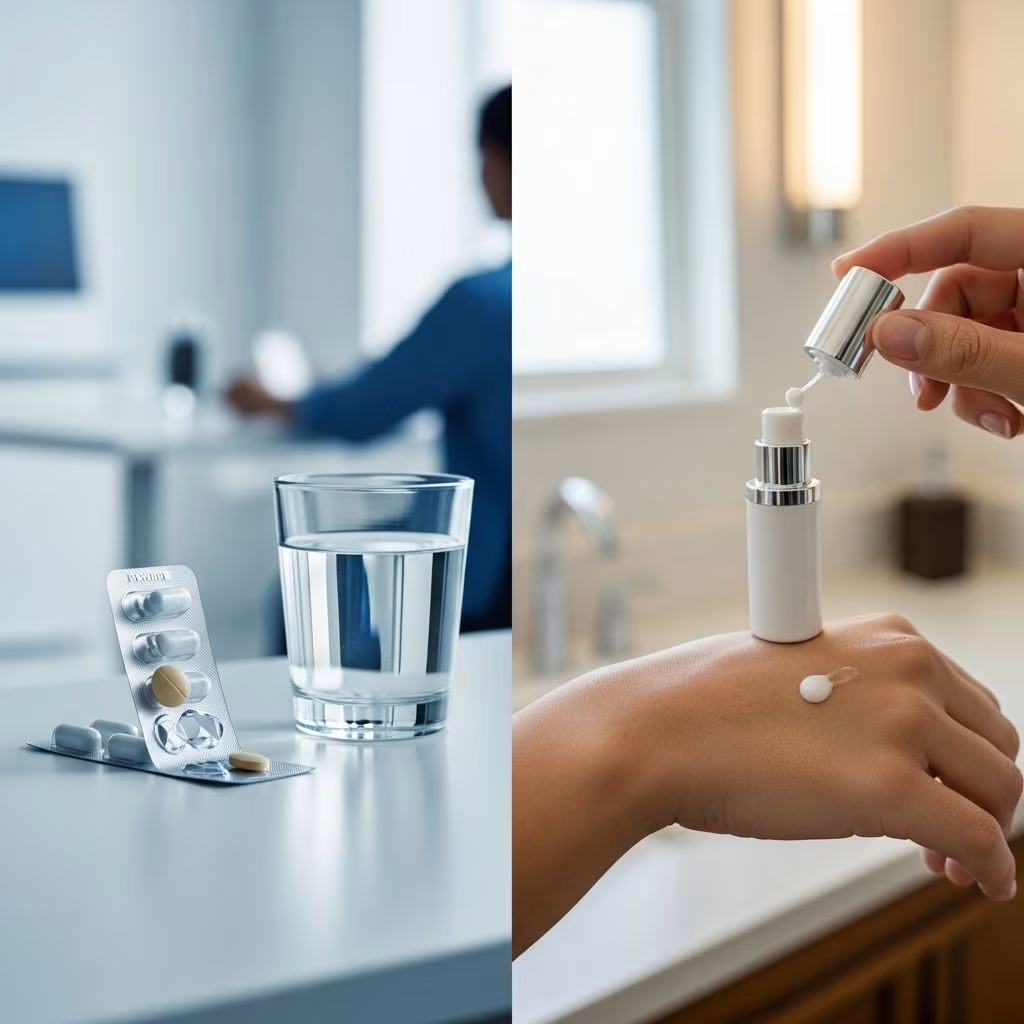
Melasma is a common skin condition marked by symmetrical, blotchy, brown to gray-brown patches on sun-exposed areas of the face. Though benign, melasma can be persistent and psychologically distressing. Among emerging interventions, tranexamic acid (TXA)—traditionally used to reduce bleeding in medical contexts—has become a promising therapy for melasma. Both oral and topical formulations are used worldwide, but how do they compare in efficacy, safety, and clinical application?
What is Melasma?
Melasma is an acquired hyperpigmentation disorder, most prevalent in women and individuals with darker skin types. It is often triggered or exacerbated by:
- Sun exposure
- Hormonal changes (pregnancy, oral contraceptives)
- Genetic predisposition
- Certain medications
Commonly affected areas include the forehead, cheeks, upper lip, and chin. While harmless, it can significantly affect psychological wellbeing and quality of life.
Understanding Tranexamic Acid
Tranexamic acid is a synthetic derivative of the amino acid lysine, originally developed as an antifibrinolytic agent to prevent bleeding. Over the past decade, TXA has been repurposed for dermatologic applications, especially for managing melasma, due to its unique effects on pigmentation pathways.
How Tranexamic Acid Works in Melasma
Tranexamic acid reduces pigmentation through several mechanisms:
- Inhibits Plasminogen/Plasmin Pathway: By blocking plasminogen activation, TXA limits interaction between melanocytes (melanin-producing cells) and keratinocytes (skin barrier cells), reducing melanin transfer and synthesis.
- Downregulates Tyrosinase Activity: Tyrosinase is a key enzyme in melanin biosynthesis. TXA’s inhibition results in less melanin production.
- Decreases Vascularity: TXA inhibits new blood vessel formation (angiogenesis), which is believed to play a role in melasma pathogenesis.
- Reduces Prostaglandin and Angiogenic Factors: Lowering these signals helps decrease inflammation and hyperpigmentation.
Clinical studies support that both oral and topical TXA decrease pigmentation severity based on standardized indices such as the Melasma Area and Severity Index (MASI).
Oral vs. Topical Use: Comparative Overview
| Formulation | Mechanism | Efficacy | Onset of Effect | Common Side Effects | Ideal Patient |
|---|---|---|---|---|---|
| Oral TXA | Systemic inhibition of plasminogen pathway and melanogenesis | Moderate to high (noted especially in refractory cases) | Usually seen in 8–12 weeks | Gastrointestinal upset, menstrual changes, rare thromboembolic risk | Resistant, extensive, or recurrent melasma |
| Topical TXA | Local inhibition of tyrosinase and melanin transfer | Mild to moderate; enhanced by microneedling or laser | Seen in 4–12 weeks | Local irritation, transient erythema | Milder melasma, patients avoiding systemic drugs |
Oral Tranexamic Acid for Melasma
Oral TXA is typically administered at doses of 250–500 mg twice daily, although regimens may vary between studies. Key findings:
- Multiple clinical trials confirm statistically significant improvements in melasma severity after 8–12 weeks of oral TXA.
- A meta-analysis of 11 studies with over 600 participants found oral TXA reduced the MASI score by an average of 1.60, confirming meaningful clinical benefit.
- Improvements are noted even at lower doses (500 mg daily), especially in patients with Asian or darker skin.
- Oral TXA is often reserved for moderate-to-severe cases, or those unresponsive to standard topical treatments like hydroquinone or triple therapy creams.
- Clinical response may last beyond cessation, but recurrences can occur, particularly with ongoing sun exposure or hormonal triggers.
Key advantages: Systemic action, ease of administration, and rapid onset in refractory melasma. However, careful patient screening is essential due to rare but serious possible side effects.
Clinical Studies on Oral TXA
- One 8-week, placebo-controlled trial found a significant improvement in epidermal pigmentation with oral TXA—especially when combined with topical therapy.
- Longer-term use (6–15 months) has shown improvement in up to 80.9% of patients, with reported side effects being generally mild and reversible.
Topical Tranexamic Acid for Melasma
Topical TXA is available in solutions or creams (usually 2–5%, sometimes up to 10%). It is applied directly to affected areas, often once or twice daily. Topical TXA offers a favorable safety profile and is well-suited for mild or localized melasma.
- Several studies demonstrate effectiveness, with improvement noted as early as 4 weeks and peaking at 8–12 weeks.
- Topical TXA may reduce MASI scores, lighten pigmentation, and is generally associated with minimal side effects (transient burning, redness).
- Higher concentrations (up to 10%) are sometimes more effective but may slightly increase risk of irritation.
- Response rates may not be as high as with oral TXA for severe or resistant cases, but topical TXA remains an important first-line or adjunctive therapy.
Enhanced Delivery: Combination with Devices
- Microneedling or fractional CO2 laser techniques can enhance TXA delivery through the skin, boosting efficacy.
- Studies show that patients receiving TXA in combination with such devices experience greater reductions in pigmentation than with TXA cream alone.
- However, certain devices (e.g., fractional CO2 laser) may carry a risk of post-inflammatory hyperpigmentation, especially in patients with skin of color and should be used with care.
Combination Therapies and Adjuvant Use
Tranexamic acid can be combined with other established melasma therapies:
- Topical hydroquinone
- Triple combination creams (hydroquinone, tretinoin, corticosteroid)
- Intense Pulsed Light (IPL) and Q-switched Nd:YAG lasers
- Other depigmenting agents: azelaic acid, kojic acid, vitamin C
Meta-analyses show that adding TXA (oral or topical) to routine melasma treatments further decreases pigmentation compared to routine treatments alone, supporting its role as an adjuvant therapy. Combination with microneedling or laser enhances topical TXA penetration and outcome, with patient satisfaction usually improving as well.
Side Effects and Safety Considerations
Oral Tranexamic Acid
- Most commonly, minor gastrointestinal symptoms (bloating, nausea, abdominal discomfort)
- Less frequently, menstrual changes (shortened or lighter menses)
- Rare but potentially serious risk of thromboembolic events (deep vein thrombosis, pulmonary embolism); risk appears low but patient history must be screened
- No evidence for increased risk of thrombosis in most published studies, but caution advised in those with history of clotting disorders or cardiovascular disease
Topical Tranexamic Acid
- Generally very well tolerated
- Mild, transient skin burning, redness, or irritation may occur—especially with higher concentrations
- Post-inflammatory hyperpigmentation is a risk when combined with ablative lasers in darker skin types
Clinical Guidelines and Patient Selection
- Oral TXA: Best suited for adults with recalcitrant, extensive melasma unresponsive to topical agents. Should be avoided in pregnant/breastfeeding women, those with active clotting disorders, or prior thromboembolic events.
- Topical TXA: Good first-line for mild-to-moderate, localized, or first-episode melasma. Can be used in patients who cannot tolerate systemic medications.
- Patients should use strict photoprotection (daily sunscreen, hats, shade) to maximize and maintain results.
- Avoid combining oral and topical TXA except under specialist supervision; combining topical with routine topical therapies or device-based treatments can improve outcomes.
- Maintenance therapy may be needed as recurrence of melasma is common upon cessation, especially without sun protection.
Frequently Asked Questions (FAQs)
Q: How quickly will I see results with tranexamic acid?
A: Significant lightening is often observed within 8–12 weeks for oral TXA and 4–12 weeks for topical TXA. Response times vary by melasma severity and individual factors.
Q: Is TXA safe for long-term use?
A: Both oral and topical TXA have favorable safety profiles. Oral TXA should be used for short-term courses and with careful screening. Topical TXA is safe for longer periods but should be monitored for skin irritation.
Q: Are the effects of TXA permanent?
A: Melasma recurrence is common after stopping treatment, as underlying triggers (sun, hormones) remain. Maintenance therapy and sun avoidance improve durability of results.
Q: Can I use TXA if I am pregnant or breastfeeding?
A: TXA is generally avoided in pregnancy and breastfeeding due to insufficient safety data. Speak with your healthcare provider for personalized recommendations.
Q: Does TXA increase risk of blood clots?
A: Studies do not show an increased risk in healthy individuals, but TXA is contraindicated in those with a history of thromboembolic disease or clotting disorders. Consult your provider for screening before oral use.
Summary and Future Directions
Tranexamic acid, both oral and topical, is a valuable addition to the armamentarium against melasma. Oral TXA is potent and well-suited to recalcitrant cases, with robust evidence for efficacy, although clinician judgment and safety screening are vital. Topical TXA provides a safe and accessible alternative, especially effective when combined with delivery-enhancing procedures.
Maintenance strategies, comprehensive sun protection, combination regimens, and careful patient selection are pillars for optimal outcomes. Ongoing research will clarify long-term safety, ideal dosing, and patient subgroups most likely to benefit from specific approaches to TXA therapy in melasma.
References
- https://www.michelegreenmd.com/tranexamic-acid-pill-for-melasma
- https://www.medicaljournals.se/acta/content/html/10.2340/00015555-2668
- https://dpcj.org/index.php/dpc/article/view/3102
- https://pubmed.ncbi.nlm.nih.gov/29677015/
- https://pmc.ncbi.nlm.nih.gov/articles/PMC10238972/
- https://onlinelibrary.wiley.com/doi/10.1111/jocd.15589
- https://weloveskin.com/dermatology-blog/interrupting-the-melasma-cycle-with-tranexamic-acid
- https://univmed.org/ejurnal/index.php/medicina/article/view/1549


