


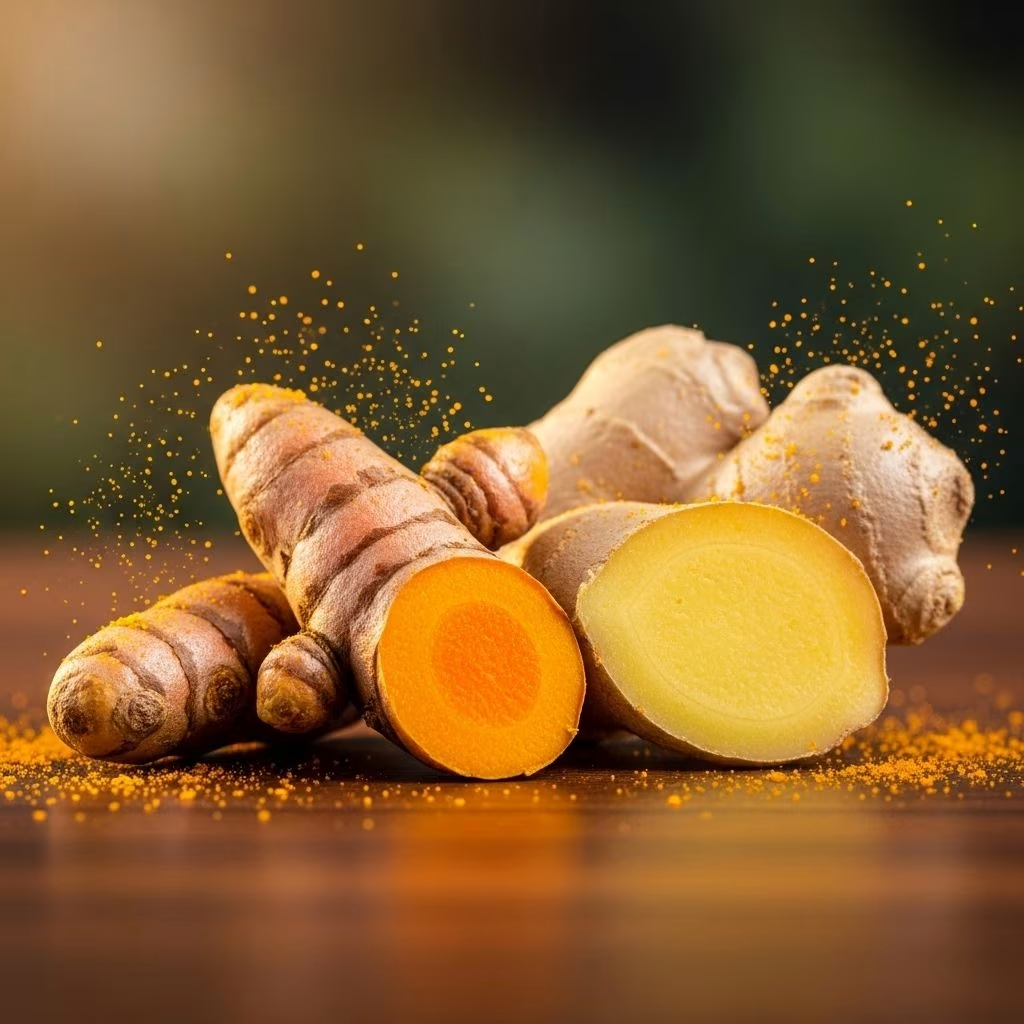
Healthy, luminous skin is a reflection of robust circulation beneath the surface. Among nature’s most powerful skin allies, turmeric and ginger stand out for their unique ability to boost skin microcirculation, support wound healing, and promote overall dermal wellness. This article presents a comprehensive, evidence-based exploration of how these ancient spices impact skin vitality, along with practical tips, scientific mechanisms, and frequently asked questions.
Introduction: What is Skin Microcirculation?
Skin microcirculation refers to the blood flow in the smallest vessels of the skin, including capillaries, arterioles, and venules. Efficient microcirculation ensures
- Optimal oxygen and nutrient delivery to skin cells
- Efficient removal of metabolic waste
- Better wound healing and recovery from irritation
- Improved hydration and skin tone
When microcirculation is compromised, skin can appear dull, uneven, slow to heal, or inflamed. Enhancing microcirculatory flow is therefore vital for achieving and maintaining healthy skin.
Turmeric: The Golden Healer
Turmeric (Curcuma longa), long revered in South Asian traditional medicine, is known for its signature golden pigment and its active polyphenol, curcumin. This bioactive compound imparts potent antioxidant, anti-inflammatory, and healing properties that directly affect the skin’s microenvironment.
How Turmeric Boosts Skin Microcirculation
- Anti-inflammatory action: Curcumin inhibits key inflammatory mediators (like NF-κB), reducing swelling and redness while allowing healthy blood flow to support skin repair.
- Antioxidant capacity: Curcumin neutralizes reactive oxygen species, protecting vascular structures and skin cell membranes against oxidative damage.
- Collagen synthesis: Turmeric stimulates fibroblasts to produce more collagen, vital for healthy skin structure and accelerated turnover, indirectly supporting vessel function.
- Reduction of matrix-degrading enzymes: It suppresses matrix metalloproteinases (MMPs), preventing excessive tissue and vessel breakdown in response to stress or aging.
Prominent Skin Benefits of Turmeric
- Brightening and toning: Reduces pigmentation, dark spots, and dullness for a more radiant complexion.
- Soothing inflammation: Calms redness and discomfort, helping those with sensitive or reactive skin.
- Combatting acne: Its antibacterial qualities help minimize breakouts and accelerate healing.
- Delaying aging: Antioxidants protect collagen, slow wrinkle formation, and fight environmental free radicals.
Ginger: Nature’s Circulatory Stimulant
Ginger (Zingiber officinale) is another culinary spice with centuries of medicinal use. Its active components, especially 6-gingerol, endow ginger with invigorating, anti-inflammatory, and antimicrobial effects that benefit skin health and microcirculation.
Mechanisms by Which Ginger Enhances Microcirculation
- Vasodilation: Gingerol promotes widening of small blood vessels, directly increasing skin blood flow and oxygen supply for cell renewal.
- Angiogenesis support: Research highlights ginger’s ability to stimulate the formation of new capillaries, key to tissue repair and healthy complexion.
- Anti-inflammatory action: Reduces cytokine and prostaglandin levels, thereby lowering chronic skin inflammation and improving vessel function.
- Antimicrobial properties: Fights off bacteria that contribute to breakouts and wound infections.
Visible Effects of Ginger on the Skin
- Improved radiance: Enhanced blood flow delivers nutrients more efficiently, imparting a natural, healthy glow.
- Faster healing: Boosted microcirculation accelerates the resolution of blemishes, scars, and minor wounds.
- Detoxification: Supports removal of waste products, reducing puffiness and congestion.
- Anti-aging: Antioxidants protect against premature loss of firmness and resilience.
Scientific Evidence for Microcirculation Enhancement
Recent research highlights multiple pathways by which turmeric and ginger support skin health, especially in damaged or at-risk skin:
- Wound healing in corticosteroid-treated skin: Studies in animal models reveal that pretreatment with curcumin and ginger extract results in improved abrasion wound healing and increased blood vessel density compared to either agent alone.
- Role of ginger: Ginger-rich extract raises the number of cutaneous blood vessels, supporting the hypothesis that ginger’s primary contribution is vascular enhancement through angiogenesis.
- Role of turmeric: Turmeric (curcumin) mainly promotes collagen production while suppressing detrimental enzymes (like MMP-1), effectively supporting a stable dermal and vessel matrix.
- Complementary and synergistic effects: When combined, turmeric’s matrix-building prowess complements ginger’s microvascular stimulation, making them highly effective in tandem for skin repair.
- Human relevance: Early data from human skin cultures mirror these findings; ginger increases growth signals for new vessels, while turmeric balances this by supporting matrix integrity.
| Spice | Main Active | Microcirculation Effect | Skin Structure Effect |
|---|---|---|---|
| Turmeric | Curcumin | Reduces inflammation, protects vessels | Promotes collagen synthesis, reduces matrix breakdown |
| Ginger | 6-Gingerol | Increases blood vessel number, stimulates blood flow | Accelerates healing, detoxification |
| Combined | Curcumin & 6-Gingerol | Enhanced microvascular growth and repair | Faster wound closure, healthier skin structure |
Synergy: Turmeric and Ginger Together
While each spice individually confers significant skin benefits, evidence suggests a synergistic effect when turmeric and ginger are used together. Their complementary mechanisms address both the structure and vascular integrity of the skin:
- Improved vessel formation (+ more collagen): Ginger extract boosts vessel growth and blood flow while turmeric ensures a resilient collagen matrix.
- Better wound recovery: Accelerated closure and healing of skin breaches, with lower risk of infection and inflammation.
- Enhanced radiance and tone: Optimal microcirculation translates to visible brightness, nourishment, and even texture.
Topical pretreatment with both agents, according to controlled studies, resulted in no irritation and measurable improvements in vessel density and tissue resilience, especially for skin compromised by medications or environmental stress.
Incorporating Turmeric and Ginger into Skincare
You can leverage the power of these spices for microcirculation through both internal and external applications. Below are some popular evidence-backed approaches:
Topical Formulations
- Turmeric & ginger creams: Look for products or DIY masks featuring concentrated extracts for direct microcirculatory support.
- Soap blends: Specialty soaps with turmeric and ginger can provide gentle, daily stimulation and cleansing.
- Combined serums: Formulas incorporating both actives offer an ideal approach for regular use on the face or problem areas.
- Patch treatments: Useful for spot application on wounds, blemishes, or irritated patches.
Internal Use: Dietary Integration
- Herbal teas: Drinking turmeric and ginger tea delivers anti-inflammatory, antioxidant, and circulatory benefits from within.
- Culinary addition: Incorporate these spices into your diet through curries, smoothies, or wellness shots for systemic as well as skin-specific effects.
Sample DIY Recipe: Turmeric-Ginger Detox Tea
Ingredients:- 1 cup hot water - 1/2 teaspoon fresh grated turmeric (or 1/4 tsp powder)- 1/2 teaspoon fresh grated ginger (or 1/4 tsp powder)- Juice of half a lemon (optional)- 1 teaspoon honey (optional)Directions:1. Add turmeric and ginger to hot water.2. Stir and let steep for 5 minutes.3. Strain, add lemon juice and honey if desired, and enjoy.This daily ritual may help calm inflammation, clear congestion, and bring clarity and glow to the skin.
Safety and Potential Side Effects
- Topical precautions: Both turmeric and ginger, especially in concentrated form, may cause skin irritation or allergic reactions in some individuals. Always patch test new formulas before widespread use.
- Staining: Turmeric’s natural pigment may temporarily stain skin or fabrics; use caution and proper cleansing.
- Internal moderation: Excessive oral consumption can lead to gastrointestinal upset or interact with medications (e.g., blood thinners).
- Medical conditions: Consult a healthcare provider if you have existing conditions, particularly related to bleeding, gallbladder disease, or skin disorders.
Frequently Asked Questions (FAQs)
Does turmeric really boost skin microcirculation?
Yes, multiple studies have shown that turmeric supports healthier microcirculation by reducing inflammation, protecting blood vessels, and stimulating collagen synthesis for improved vessel and skin integrity.
Is ginger effective for skin radiance?
Ginger increases blood flow to skin cells, which enhances oxygen delivery and nutrient uptake, directly resulting in a more radiant and even skin tone.
Can I use turmeric and ginger together in my skincare routine?
Yes, their combined use is supported by research, as turmeric fortifies the dermal structure while ginger promotes microvascular growth and detoxification. Look for products or recipes blending both for enhanced results.
Will turmeric stain my skin?
Turmeric’s yellow pigment can stain skin temporarily, but this effect can usually be minimized with gentle cleansing and using it in diluted or commercial forms.
What’s better: topical or internal use?
Both applications can be beneficial, and many routines combine the two. Internal use (via diet or tea) provides systemic anti-inflammatory and circulatory support, while topical use targets specific areas directly.
Conclusion
Turmeric and ginger are not just culinary staples—they offer a powerful, science-backed approach to enhancing skin microcirculation, promoting healing, and restoring radiance to stressed complexions. Their combined use maximizes skin structure, vascular function, and resilience. With proper use, these ancient spices bridge the gap between natural wellness and modern skin science, offering accessible, effective solutions for healthier, more luminous skin.
References
- https://pmc.ncbi.nlm.nih.gov/articles/PMC2819156/
- https://wiproappliances.com/blogs/recipes/turmeric-ginger-detox-tea-recipe
- https://redrosenaturals.com/blogs/news/turmeric-and-ginger
- https://www.neutrogena.com/the-bar/spice-it-up-7-turmeric-benefits-for-skin
- https://timesofindia.indiatimes.com/life-style/health-fitness/diet/ginger-turmeric-shot-for-glowing-skin-and-immunity-how-to-make-it/articleshow/118683759.cms
- https://www.mtmerumedicines.com/learn-1/health-benefits-of-ginger-and-turmeric-shots
- https://evidation.com/blog/tumeric-ginger-tea-benefits
- https://nw-derm.com/skincare-benefits-of-turmeric/
- https://www.youtube.com/watch?v=Hq5mUy7b4UU


