


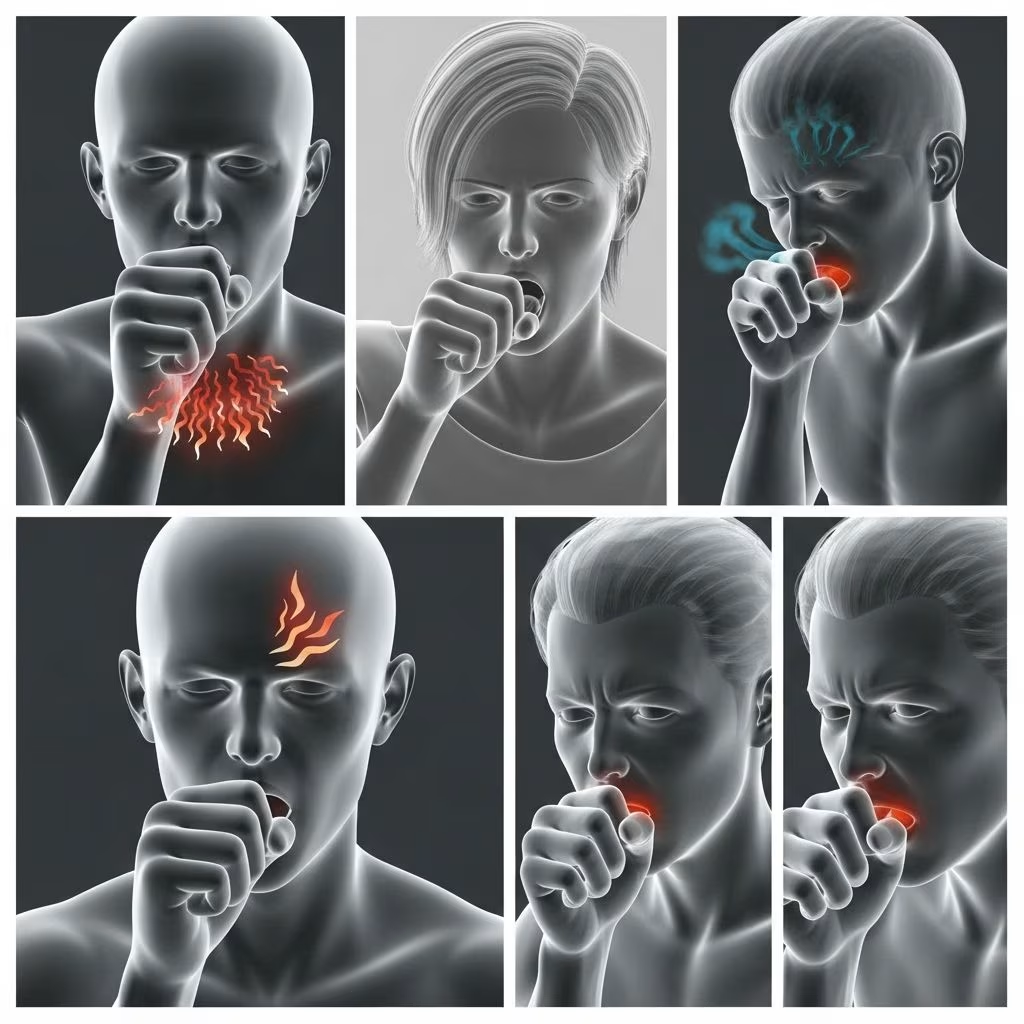
A cough is one of the most common symptoms prompting visits to doctors globally. While most coughs are harmless and self-limiting, some can indicate serious underlying health problems. This comprehensive guide explains the various types of cough, their severity classifications, common and uncommon causes, when a cough may be a sign of a health emergency, and frequently asked questions about coughs.
What Is a Cough?
A cough is a rapid expulsion of air from the lungs that helps clear the airways of mucus, irritants, or foreign materials. It is a protective reflex, but persistent or severe coughing can indicate underlying disease. Understanding why a cough is present and its characteristics can help determine whether it is harmless or a signal to seek care.
Classification of Cough by Duration
Coughs are generally classified based on how long they last. Duration helps guide the likely causes and the need for further evaluation:
| Age Group | Acute | Subacute | Chronic |
|---|---|---|---|
| Adults (>14 years) | Less than 3 weeks | 3 to 8 weeks | More than 8 weeks |
| Children (≤14 years) | Less than 2 weeks | 2–4 weeks | Daily cough for more than 4 weeks |
- Acute Cough: Most often due to infections or acute irritants. Usually resolves spontaneously.
- Subacute Cough: Persists after an infection or inflammation but should gradually resolve.
- Chronic Cough: Lasts longer than expected and may necessitate extensive evaluation for underlying diseases.
Main Types of Cough
Coughs are also described based on their characteristics and the nature of what, if anything, is brought up during coughing.
1. Dry (Non-Productive) Cough
Dry coughs do not produce sputum (mucus or phlegm). They are often caused by viral infections, allergies, asthma, air pollution, or irritation from smoke. Dry coughs can also occur with conditions like gastroesophageal reflux disease (GERD) or as a side effect of certain medications (notably ACE inhibitors for blood pressure).
- Sounds harsh and scratchy
- May cause throat irritation
- Usually doesn’t clear any secretions
2. Wet (Productive) Cough
Wet coughs are characterized by the production of sputum or mucus. These typically result from infections—such as the common cold, influenza, bronchitis, pneumonia—or chronic respiratory conditions, including chronic obstructive pulmonary disease (COPD) and cystic fibrosis.
- Sounds rattly or gurgling
- Clears mucus and secretions from the lungs
- May be accompanied by congestion or difficulty breathing
3. Paroxysmal Cough
This term refers to sudden bursts of intense coughing fits, often exhausting the patient. The classic example is whooping cough (pertussis), where intense coughing may end with a “whoop” sound as the person breathes in.
4. Croup Cough
Croup is a viral infection primarily in children, causing a distinctive barking cough and stridor (a harsh, grating noise with breathing), especially at night.
5. Uncontrollable or Persistent Cough
This refers to coughing fits that can’t be suppressed, sometimes caused by airway irritants or severe respiratory illnesses.
6. Medication-Related Cough
Certain medications, especially ACE inhibitors used for high blood pressure, can cause a chronic, dry cough. Beta-blockers, NSAIDs, and calcium channel blockers have also been implicated.
Common Causes of Cough
The cause of a cough varies with its type and duration. All of the following are common triggers across the acute, subacute, and chronic spectrum.
Acute Cough Causes
- Upper respiratory infections (cold, influenza)
- Acute bronchitis
- Acute rhinosinusitis
- Allergic rhinitis
- Pneumonia
- Asthma attack
- Pulmonary embolism (rare but serious)
- Heart failure with pulmonary edema
Subacute Cough Causes
- Post-infectious cough (lingering irritation after a cold or infection)
- Resolving bronchitis or pneumonia
Chronic Cough Causes
- Chronic bronchitis or COPD
- Gastroesophageal reflux disease (GERD)
- Asthma or allergic conditions
- Upper airway cough syndrome
- Medication side effects (notably ACE inhibitors)
- Lung cancer
- Interstitial lung diseases
- Obstructive sleep apnea (in some cases)
Recognizing Serious Coughs: Red Flags
While most coughs are benign, recognition of red flags is critical to identify potentially life-threatening conditions. The following symptoms alongside a cough warrant prompt medical attention:
- Significant smoking history (cancer or COPD risk)
- Fever, especially prolonged or high-grade
- Unintentional weight loss
- Hemoptysis (coughing up blood)
- Severe shortness of breath or difficulty breathing
- Pain when breathing in or out (pleuritic chest pain)
- Night sweats
- Recurrent pneumonia or chest infections
- Chronic cough not improving after weeks
- Hoarseness, dysphagia (difficulty swallowing), or persistent vomiting
- Excessive sputum production
- History of tuberculosis exposure
Any combination of these symptoms with a cough could indicate infections (such as pneumonia or tuberculosis), cancer, pulmonary embolism, or severe cardiac or allergic reactions.
Severity of Cough: When to Seek Help
Knowing when a cough signals a harmless condition and when to seek medical help is crucial:
- Mild coughs: Occasional, short-lived, no alarming symptoms; usually from a simple cold or allergy. Watchful waiting and supportive care suffice.
- Moderate coughs: Persistent for several days to weeks, may disrupt sleep or daily activities, or is associated with mild symptoms (like low-grade fever).
- Severe coughs or coughs with red flags: As detailed above—prompt medical attention is needed to rule out serious illness.
The following situations require emergency evaluation:
- Severe difficulty breathing or chest pain
- Lip or face swelling, rash, or signs of anaphylaxis
- Coughing up blood
- Sudden onset, especially in young children (possible foreign body inhalation)
- Altered mental status
Diagnosis and Management
Diagnostic Approach
Evaluation typically depends on cough duration, risk factors, symptoms, and exam findings. In the absence of red flags, many acute and subacute coughs are treated supportively. Key steps include:
- Detailed symptom history (onset, duration, associated symptoms, exposures)
- Physical examination (listening for abnormal sounds, wheezing, etc.)
- Chest X-ray or advanced imaging if serious conditions are suspected (cancer, pneumonia, TB)
- Blood tests if infection or inflammation is suspected
- Sputum cultures or targeted infectious workup if indicated
Management Principles
- Treat the underlying cause (e.g., antibiotics for pneumonia, inhalers for asthma)
- Supportive measures: hydration, throat lozenges, and expectorants (such as guaifenesin) as needed
- For medication-induced cough, substituting the causative agent (if possible)
- Hospitalization or emergency treatment for life-threatening causes (severe asthma, heart failure, etc.)
Frequently Asked Questions (FAQs)
Q: When should I worry about a cough?
A: Worry if the cough lasts more than three weeks, is associated with high fever, weight loss, severe chest pain, difficulty breathing, blood in sputum, or if you have significant risk factors such as smoking or immune compromise.
Q: Can allergies cause a chronic cough?
A: Yes, chronic allergies (allergic rhinitis or post-nasal drip) are a common cause of an ongoing cough and are usually not dangerous, but persistent symptoms should be evaluated by a doctor.
Q: Is cough ever a sign of cancer?
A: Persistent cough (especially with blood in sputum and weight loss) can be a presenting symptom of lung cancer, particularly in older adults or those with a history of smoking. Early evaluation is critical if these features are present.
Q: When does a child’s cough need urgent attention?
A: Urgent care is needed if a child’s cough is accompanied by difficulty breathing, stridor, a blue tinge to lips/face, suspected inhalation of a foreign object, very high fever, or lethargy.
Q: What home remedies can help a harmless cough?
A: Staying hydrated, honey (for children over 1 year), humidified air, avoiding smoke and irritants, and using over-the-counter throat soothing medications as appropriate. See a doctor if symptoms persist or worsen.
Summary Table: Types and Severity of Cough
| Type | Typical Causes | Severity | What to Watch For |
|---|---|---|---|
| Dry | Viral infection, allergies, asthma, medications | Mild to moderate | Persistence, worsening, associated red flags |
| Wet (Productive) | Infection, chronic lung diseases | Moderate to severe | Colored sputum, chest pain, persistency |
| Paroxysmal | Pertussis, airway irritation | Moderate to severe | Whooping sound, exhaustion, vomiting |
| Croup | Viral infection (children) | Mild to severe | Barking cough, stridor, nighttime worsening |
| Medication-induced | ACE inhibitors, others | Mild to moderate | Persistence after starting new drugs |
Tips for Managing Coughs
- Avoid known irritants such as smoke, dust, or strong odors.
- Use a humidifier if dry air exacerbates symptoms.
- Stay hydrated—fluids help soothe and loosen mucus.
- Rest and avoid strenuous activity during illness.
- Monitor for new symptoms or red flags listed above.
Conclusion
Most coughs do not signal a serious problem, but understanding their types, duration, and warning signs is crucial. Never ignore a cough that is persistent, worsening, or associated with red flag symptoms. Timely medical evaluation can identify treatable causes and prevent serious outcomes.
References
- https://www.amboss.com/us/knowledge/cough/
- https://www.ncbi.nlm.nih.gov/books/NBK493221/
- https://truecare.org/blog/the-meaning-behind-different-types-of-coughs/
- https://www.pharmacytimes.com/view/cough-navigating-the-classifications
- https://my.clevelandclinic.org/health/symptoms/17755-cough
- https://www.medicalnewstoday.com/articles/327142
- https://onewelbeck.com/news/types-of-coughs-and-treatments/
- https://pmc.ncbi.nlm.nih.gov/articles/PMC1413549/
- https://www.benadryl.co.in/common-types-of-coughs-in-adults


