


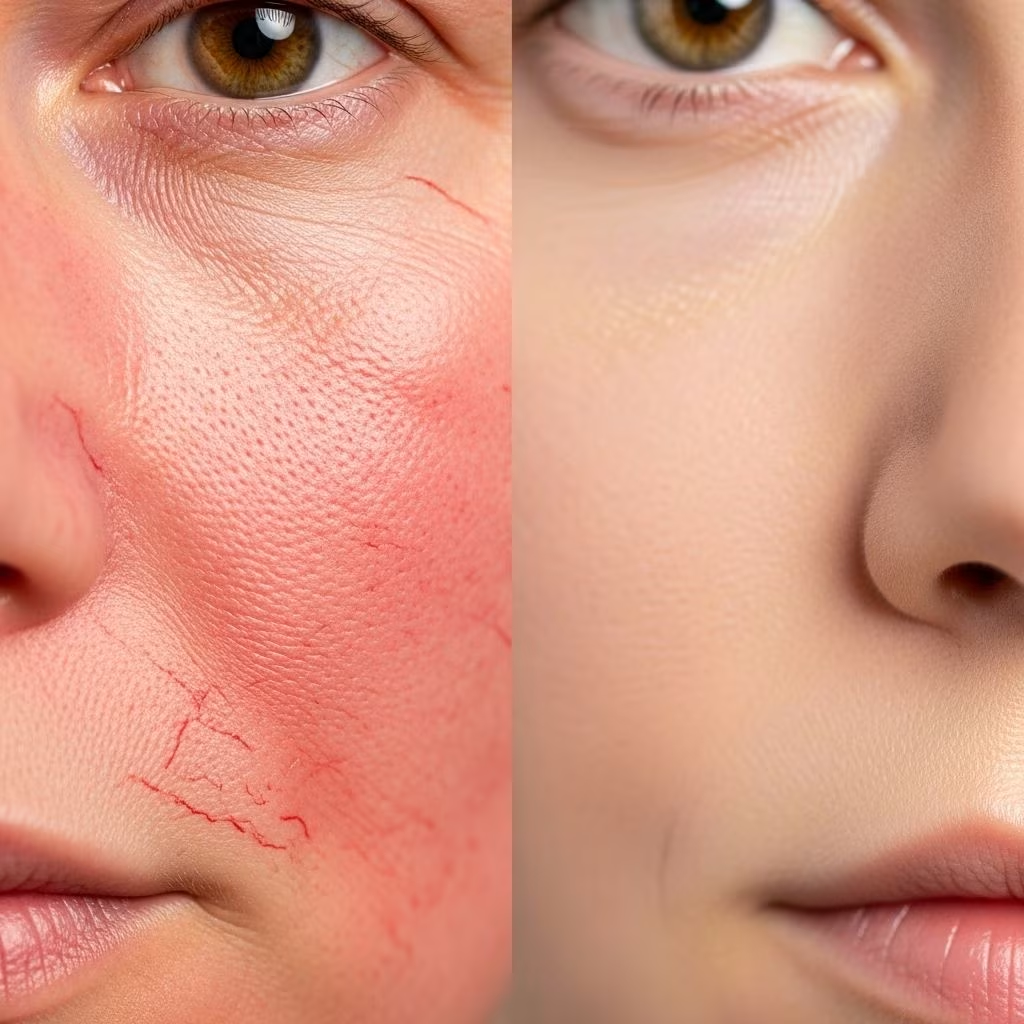
Persistent facial redness, visible blood vessels, and recurring flushing are hallmark symptoms of rosacea—a chronic inflammatory skin condition that affects millions of people worldwide. Among the most effective modern interventions to alleviate these symptoms are vascular lasers and intense pulsed light (IPL) systems. These technologies offer not only cosmetic improvement but also long-lasting relief for those struggling with broken capillaries and vascular skin lesions.
Understanding Rosacea and Broken Capillaries
Rosacea is a chronic skin disorder characterized by facial redness, visible blood vessels (telangiectasia), and sometimes acne-like bumps. While it can affect anyone, it is most common among adults aged 30–50 with fair skin. The exact cause of rosacea is not fully understood but is thought to involve a complex interaction between genetic, immune, and environmental factors.
Broken capillaries—also known as facial telangiectasias or “spider veins”—are small, visible blood vessels that often develop as a consequence of rosacea, sun damage, aging, or trauma to the skin. These vessels appear as red, purple, or blue lines, commonly on the cheeks, nose, or chin.
What is Vascular Laser Treatment?
Vascular laser treatment is a minimally invasive, targeted approach for eliminating or reducing the appearance of visible blood vessels and redness. Using specific wavelengths of light, these devices selectively destroy abnormal blood vessels while sparing surrounding skin. This results in a significant reduction in facial redness, visible capillaries, and sometimes even rosacea-driven inflammation.
This technology has evolved to include several advanced systems designed for safety, precision, and maximum efficacy across various skin types and conditions.
How Do Vascular Lasers Work?
Vascular lasers operate on the principle of selective photothermolysis. This involves emitting light at wavelengths absorbed preferentially by hemoglobin (the red pigment in blood cells inside blood vessels), causing the target vessel to heat up, collapse, and eventually be reabsorbed by the body. The process leaves surrounding tissues largely unaffected, resulting in focused treatment of unwanted blood vessels with minimal downtime.
- Heating and Collapsing Vessels: The heat generated by the laser coagulates the vessel walls, resulting in closure and gradual fading from the skin’s surface.
- Minimal Pain: Most modern vascular lasers incorporate cooling devices to enhance comfort and protect the top layers of the skin during treatment.
- Multiple Sessions: Since facial vascularity can be extensive and vessels differ in size and depth, multiple sessions may be required for optimal results.
Types of Vascular Lasers and Light-Based Treatments
Several devices and systems are employed to treat rosacea and broken capillaries, each with unique advantages and indications. The main types include:
- Pulsed Dye Laser (PDL): PDL (typically at 585–595 nm) is widely recognized for its efficacy in targeting superficial blood vessels and treating redness associated with rosacea. It is particularly effective for flushing, general erythema, and telangiectasia.
- Nd:YAG Laser (Neodymium-doped Yttrium Aluminum Garnet): The long-pulsed Nd:YAG laser (at 1064 nm) penetrates more deeply, making it suitable for larger and deeper vessels and inflamed lesions of rosacea. It is often employed for patients with papulopustular rosacea and can be safely used in darker skin types.
- Intense Pulsed Light (IPL): While technically not a laser, IPL devices emit broad-spectrum light filtered to target vascular and pigmented lesions. IPL is highly effective for both diffuse redness and visible capillaries, providing an alternative or complement to true lasers, particularly for individuals with mixed pigmentation concerns.
- Innovative Technologies (e.g., DermaV Laser): New-generation systems like the DermaV combine two wavelengths (532 nm and 1064 nm) for customized treatment of both superficial and deeper blood vessels. These devices are recognized for precision, comfort, and versatility—treating not only rosacea but also other vascular and pigmented lesions.
Comparison of Vascular Lasers and IPL for Rosacea
| Device/Technology | Best For | Advantages | Limitations |
|---|---|---|---|
| Pulsed Dye Laser (PDL) | Redness, flushing, superficial vessels | Highly effective, less painful | Limited for deeper vessels or thick skin |
| Nd:YAG Laser | Deeper & larger vessels, inflamed lesions | Safe for darker skin, versatile | May require more sessions, less effective for only superficial redness |
| Intense Pulsed Light (IPL) | Diffuse redness, mixed pigment/vascular issues | Broad area coverage, treats multiple concerns | Less precise targeting than single-wavelength lasers |
| DermaV Laser | Superficial and deep vessels, combined lesions | Dual wavelength, customizable, minimal downtime | Newer technology; may not be widely available |
Effectiveness of Vascular Laser for Rosacea
Numerous clinical studies confirm that vascular lasers and IPL significantly reduce redness, visible blood vessels, and overall rosacea symptoms. Key outcomes documented include:
- Photographic evidence of improvement can often be seen within 3 days after completion of treatment cycles.
- Most patients experience a 50–75% reduction in symptoms (redness, vessels, flushing) after just one to three sessions, with effects lasting up to five years.
- Long-pulsed Nd:YAG laser is particularly successful for patients with both vascular (erythematotelangiectatic rosacea) and inflammatory (papulopustular) lesions, with significant improvement noted after a few sessions.
- IPL and PDL are both effective for telangiectasia, with IPL sometimes showing higher efficacy but PDL offering less discomfort for sensitive patients.
Benefits of Vascular Laser for Rosacea and Broken Capillaries
The advantages of vascular lasers over conventional therapies and self-care measures include:
- Precision Targeting: Lasers can be finely tuned to destroy only abnormal vessels, minimizing collateral skin irritation.
- Quick Sessions and Rapid Recovery: Procedures commonly last 15–30 minutes, with minimal downtime. Temporary redness or swelling may occur but often resolves within hours to a day.
- Long-Lasting Results: Addressing the underlying vascular changes delivers sustained improvement; some patients report benefits lasting several years.
- Versatility: Modern devices treat not only rosacea but also other vascular and pigmentary conditions such as sunspots and port wine stains.
- Minimal Risk of Side Effects: With trained providers and proper devices, risks of scarring, discoloration, or adverse reactions are low.
- Enhanced Skin Clarity and Quality: Beyond visible redness, treatment often produces a noticeable improvement in overall texture and complexion.
Procedure: What Patients Can Expect
The typical experience with vascular laser or IPL treatment for rosacea and broken capillaries involves:
- Consultation: A dermatologist assesses your skin type, rosacea subtype, and vascularity to determine the best device and approach.
- Preparation: The area is cleansed, and a cooling gel or topical anesthetic may be applied for comfort. Eye protection is mandatory during the procedure.
- Treatment: The laser or IPL device emits brief pulses of light that specifically target visible blood vessels. Most patients describe the sensation as a mild snap, similar to a rubber band flick.
- Post-Treatment Care: Mild redness and swelling may occur. Applying gentle cooling or a soothing moisturizer can help alleviate these side effects.
- Follow-up Sessions: Depending on the extent of the vascular issues, two to four treatments spaced several weeks apart are typically recommended for optimal outcomes.
Side Effects and Precautions
Although generally safe, vascular laser and IPL procedures carry some risk of side effects. Proper patient screening and device choice can minimize complications.
- Common Side Effects: Redness, swelling, and mild bruising/temporary purpura are the most common effects and typically resolve in a day or two.
- Uncommon Side Effects: In rare cases, patients may experience blistering, changes in skin pigmentation, or atrophic scarring—more likely in those with very sensitive skin or darker complexions.
- Precautions: Recent sun exposure, a history of photosensitivity or poor wound healing, and certain medications (such as isotretinoin) may contraindicate the treatment.
- Operator Skill: Choosing a board-certified dermatologist or qualified laser technician is critical for safety and optimal results.
Aftercare and Long-Term Results
- Sun Protection: Diligent use of SPF 30+ sunscreen is essential following any laser or IPL procedure to minimize the risk of pigmentation changes and optimize healing.
- Skin Soothing: Apply cool compresses and gentle emollients as directed by your provider to manage post-treatment discomfort.
- Avoid Triggers: Identifying and avoiding personal rosacea triggers (such as spicy food, alcohol, and extremes of temperature) supports long-term results.
Longevity of improvement varies by individual and device, but many patients enjoy relief for several years after a treatment series. Maintenance sessions—typically once or twice a year—may be needed to preserve results, as new vessels can develop over time.
Choosing the Right Treatment
The ideal approach is individualized based on:
- The type and distribution of vessels (superficial or deep; redness vs. large capillaries)
- Rosacea subtype (erythematotelangiectatic, papulopustular, rhinophyma, etc.)
- Skin type and history of response to prior treatments
- Patient tolerance for discomfort and downtime
Consult with a dermatologist experienced in vascular laser therapy to determine the most suitable modality and treatment plan for your needs.
Frequently Asked Questions (FAQs)
Q: Are vascular laser treatments painful?
A: Most patients describe only mild to moderate discomfort, often likened to the snap of a rubber band. Many devices incorporate cooling for greater comfort.
Q: How many sessions will I need for rosacea or broken capillaries?
A: Most individuals achieve significant results with 2–4 sessions, spaced several weeks apart. The exact number depends on severity, vessel size, and device used.
Q: How soon will I notice results after vascular laser treatment?
A: Improvement often becomes apparent within several days post-treatment, with continued enhancement over the following weeks as vessels fade and inflammation diminishes.
Q: Are the results of vascular laser or IPL permanent?
A: Treated vessels are permanently removed; however, rosacea is a chronic condition, and new vessels may form, so periodic maintenance may be needed.
Q: Can vascular laser be performed on all skin types?
A: Some devices, such as Nd:YAG lasers, are generally safe for darker skin tones, but others (like PDL and IPL) may require special consideration or settings for those with more melanin. Always consult a knowledgeable provider for assessment.
Q: Are there alternatives to vascular laser for treating rosacea?
A: Yes, topical and oral medications, lifestyle modification, and IPL are alternatives or complements. Vascular lasers provide rapid, targeted improvement for visible vessels unresponsive to other therapies.
Q: What is the cost of vascular laser treatment for rosacea?
A: Costs vary widely based on the provider, geographic location, and device used. Expect a per-session average between $300–$600 in many regions; packages or insurance coverage are uncommon for cosmetic indications.
Takeaway
Advances in vascular laser and light-based therapies have transformed the management of rosacea and broken capillaries. With multiple safe, effective options now available, patients can achieve significant, long-lasting improvements in redness, vessel visibility, and overall skin confidence—often with minimal downtime or discomfort. As technology evolves, customizable, multi-wavelength devices like the DermaV laser promise even greater precision and versatility for optimal skin health.
References
- https://metropolisdermatology.com/the-latest-innovations-in-laser-technology-for-rosacea-whats-new/
- https://pmc.ncbi.nlm.nih.gov/articles/PMC10970793/
- https://pmc.ncbi.nlm.nih.gov/articles/PMC4587890/
- https://www.healthline.com/health/beauty-skin-care/laser-treatment-for-rosacea
- https://www.webmd.com/skin-problems-and-treatments/what-to-know-about-laser-treatment-rosacea
- https://www.medicalnewstoday.com/articles/laser-treatment-for-rosacea
- https://zecca.com.au/pros-and-cons-of-vascular-laser/
- https://onlinelibrary.wiley.com/doi/10.1111/jocd.16549
- https://www.mayoclinic.org/diseases-conditions/rosacea/diagnosis-treatment/drc-20353820


