


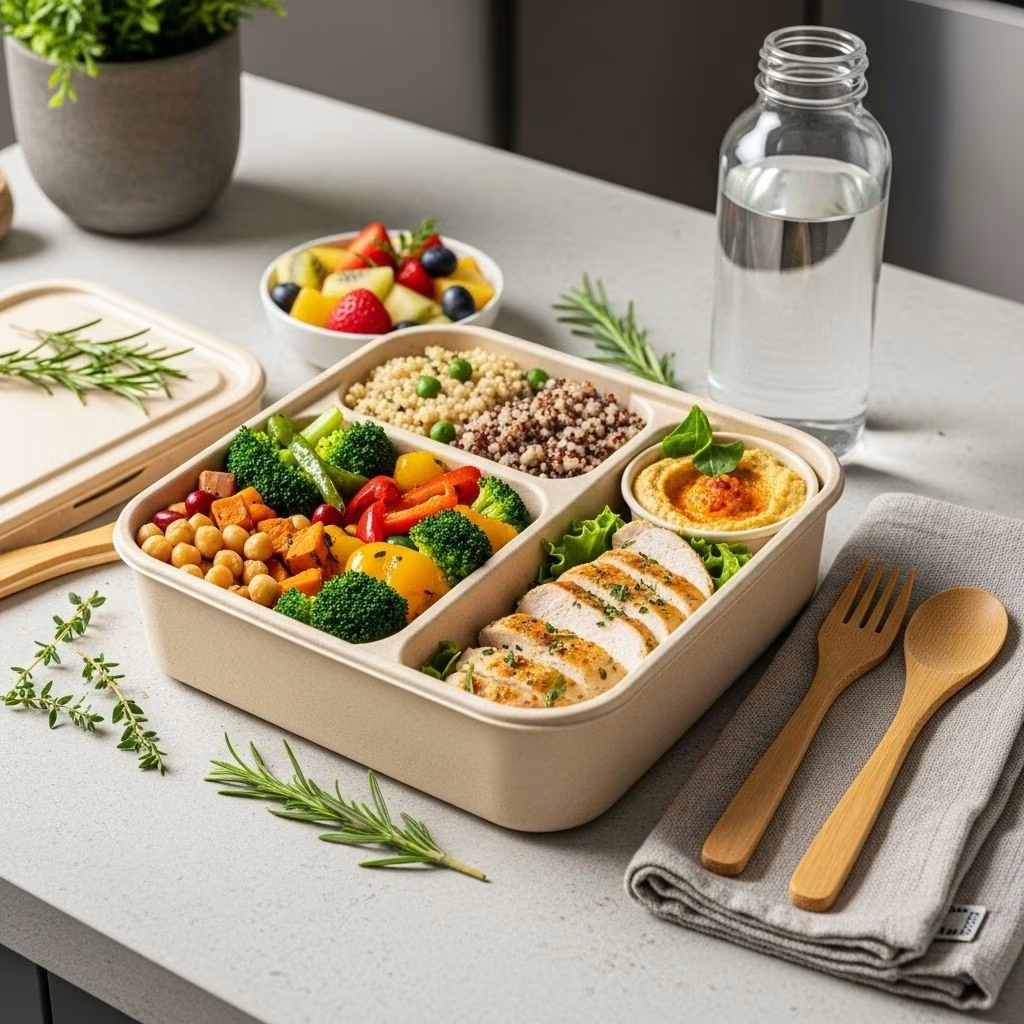
Weekly Leftover Lunch Repack Routine Guide
Are you tired of throwing away food, feeling overwhelmed by weekday lunches, or eating the same thing two days in a row? A Weekly Leftover Lunch Repack Routine empowers you to transform fridge odds-and-ends into exciting, nutritious lunches while slashing food costs and waste. Embrace a kitchen habit that balances flavor, efficiency, and sustainability.
Why Adopt a Weekly Leftover Lunch Repack Routine?
Most households waste 20% or more of their weekly food—often due to forgotten leftovers or a lack of planning. A dedicated leftover lunch repack routine can have significant benefits:
- Cut food waste: Use up odds and ends before they spoil, giving forgotten food a second life.
- Reduce grocery costs: Stretch meals further and avoid last-minute takeout or expensive convenience lunches.
- Save time: Batch lunch prep eliminates daily scramble and stress.
- Boost variety and nutrition: Creative repacking avoids boredom and encourages using a diverse range of ingredients.
- Foster sustainability: Less waste means a smaller environmental footprint.
Routine Overview: Your Weekly Schedule
This repack system works best if you dedicate a short window once each week—often Sunday night or Monday morning, but any day that aligns with your household’s rhythm. Here’s a snapshot of the process:
- Inventory the fridge for leftovers and unused ingredients.
- Plan a menu of easy, appealing lunches using a mix of prepared dishes and versatile staples.
- Prep and repack leftovers into portable, ready-to-eat portions.
- Store, label, and organize lunches for grab-and-go convenience.
By building this weekly habit, you’ll find meal prep less intimidating and weekday lunches much easier and more appealing.
Step 1: Fridge Reset & Assessment
Starting with a clean slate is crucial. Set aside 20–30 minutes each week for a fridge reset:
- Clear expired or unidentifiable items. Compost or dispose of anything questionable.
- Gather all leftovers and odds-and-ends:
- Cooked grains (rice, pasta, quinoa)
- Proteins (roast chicken, lentils, beans, tofu, steak, etc.)
- Roasted/steamed vegetables or raw cut produce that risks spoiling
- Cheese, dips, sauces, assorted small containers
- Check nearly-empty jars or condiments (pesto, salsa, pickles) that can jazz up lunchboxes.
- Wipe down any spills or crumbs to keep your fridge organized.
This cleanout primes your fridge for incoming groceries and ingredient restocking, ensuring nothing gets neglected week after week.
Step 2: Planning Creative Repack Meals
Turn your leftovers into new, enticing meals so no one is bored or feels like they’re “eating the same thing twice.” Use a mix-and-match mindset:
- Pair leftover proteins with fresh salads, wraps, or pasta.
- Combine several single servings into “buffet box” lunches — a little of everything!
- Utilize sauces and condiments to transform flavors: leftover roast chicken in a spicy wrap is a whole new meal.
- Leverage grains and roasted veggies for hearty grain bowls, casseroles, or fried rice.
- Incorporate raw produce or pantry items to fill out lunches as needed.
Tools for Meal Planning Success
- Meal planners or whiteboards to jot down lunch ideas for the week.
- Internet recipe searches for creative pairings, such as:
- Leftover pasta + veggies = Pasta Salad
- Roast potatoes + greens + egg = Breakfast bowl or frittata
- Grilled chicken + tortillas + cheese = Quesadillas or burritos
- Stew or chili = Sloppy Joes, casserole topping, or wrap filling
- Inspiration from cookbooks, blogs, and personal favorites keeps things varied.
Step 3: Prepping and Packing Lunches
With your menu mapped out, it’s time to prep and pack for maximum freshness and portability:
- Invest in quality, leak-proof lunch containers. Compartmentalized boxes reduce sogginess and keep flavors distinct.
- Batch-portion all lunches at once. Stack neatly in the fridge for grab-and-go ease.
- Include an ice pack or use insulated bags if storing unrefrigerated until lunch.
- Label containers with dates and contents, especially if you have several types of leftovers.
- Pack sauces, dips, and dressings separately to avoid mushy meals.
- Include sides like fruit, raw veggies, or trail mix for balanced nutrition.
Pro tip: If you’re short on containers, single-use compostable wraps or waxed paper can help bundle sandwiches and wraps without much waste.
Leftover Repurposing Ideas and Recipes
Give everyday leftovers a delicious makeover with these ideas:
| Leftover Item | Lunchbox Transformation Ideas |
|---|---|
| Roast Chicken | Chicken salad, quesadillas, wraps, added to green salad, sandwich filling |
| Rice/Grains | Fried rice, grain bowls, burrito filling, cold pasta/rice salad |
| Vegetable Stir Fry | Stuffed pitas, mix with eggs for a frittata, added to noodle soups |
| Baked or Mashed Potatoes | Potato cakes, breakfast hash, creamy soup base |
| Pasta | Pasta salad (with pickles, cheese, ham), casserole, repacked with sauce and veggies |
| Cooked Lentils/Beans | Wrap filler, taco base, salad topper, vegetarian burgers |
| Grilled Tofu or Meats | Wraps, sandwich, chopped atop a veggie bowl, stir-fry |
| Leftover Chili or Stew | Chili-mac, served over rice, sloppy joes, as a dip with chips |
| Roasted Vegetables | Mixed into couscous, frittata, salad, packed alone with dip |
With a little imagination, nearly anything can become a lunchbox favorite:
- Pasta frittata, rice salads, or noodle stir-fry can all be spiced up for lunch.
- Leftover meats become wraps or protein-rich salads.
- Veggies and grains offer endless possibilities when tossed together with a flavorful dressing.
- Bake thick stews into hand pies or pocket buns.
Storage, Labeling, and Food Safety Tips
- Cool leftovers quickly and refrigerate in shallow containers.
- Label all containers with date and contents to ensure rotation and prompt use.
- Consume leftovers within 3–4 days, or freeze single portions for up to 2 months.
- Reheat thoroughly for hot lunches, using a microwave at work or school if available.
- For cold lunches, pack with ice packs and avoid highly perishable dairy or seafood if not refrigerated.
- Regularly inspect packed lunches for freshness before consuming.
Kid-Friendly Leftover Lunch Tips
Many children are open to leftovers when re-presented creatively:
- Chop large pieces and pack in smaller bite-sized containers or bento boxes.
- Give familiar meals a fun twist (quesadillas, pizza bagels, or pinwheel sandwiches).
- Include their favorite dip or sauce as an incentive for finishing veggies or proteins.
- Use stickers or fun labels to make lunchboxes feel special.
- Let kids help pick which leftovers go into their lunch, offering some control and variety.
Sample Weekly Routine Table
| Day | Main Task | Example Lunches |
|---|---|---|
| Sunday | Fridge Cleanout & Assessment | N/A |
| Monday | Lunch Planning & Menu List | Chicken wraps, roast veggie couscous bowls |
| Tuesday | Batch Repurposing & Packing | Pasta frittata, fried rice bowls, chili wraps |
| Wednesday – Friday | Grab-and-Go Lunches | Assorted picks based on packed leftovers |
| Friday/Saturday | Buffet-style ‘leftover smorgasbord’ for dinner (use up remaining bits) | Mix-and-match plates, soup from extras |
Frequently Asked Questions (FAQs)
How do I prevent leftovers from getting soggy in lunchboxes?
Use compartment containers to keep wet and dry foods separated. Pack dressings, sauces, and dips in small side containers and assemble just before eating.
Can all leftovers be eaten cold?
Many dishes—such as pasta salads, cooked grains, and marinated veggies—taste great cold. For meats, soups, and rice dishes, ensure they’re properly cooled and refrigerated. If you prefer hot meals, use a thermos or heat at work/school if possible.
How can I keep lunch variety high so we don’t get bored?
Change up extras (dips, sides, toppings), swap out grains and proteins, or combine leftovers into new formats—like bowls, wraps, or salads. Try rotating world cuisines and exploring new flavors.
What if I have a mix of unrelated leftovers?
Create a “buffet box” lunch—include small servings of several items for a grazing meal, or turn them into a grain bowl or loaded salad with a flavorful dressing.
How do I involve my family or kids in the repack process?
Have kids pick their favorite leftovers and help assemble their own lunchboxes. Offer choices of sauces, veggies, and fruit for more ownership and excitement at lunchtime.
Final Tips for a Successful Routine
- Keep a notepad or phone app to track leftovers and reduce forgotten items.
- Plan to cook a little extra at dinners where possible for planned leftovers.
- Include fresh elements (greens, fruit, nuts) to revive meals.
- Be flexible—routine is a tool, not a strict rule!
Adopting a Weekly Leftover Lunch Repack Routine isn’t about perfection. It’s about using what you have, saving time and money, and ensuring delicious, sustainable lunches all week—no food left behind.
References
- https://thedollarstretcher.com/frugal-living/food/meal-planning-around-leftovers/
- https://thefoodwastediaries.com/category/meal-planning-tips/
- https://www.plantoeat.com/blog/2023/12/how-to-meal-plan-series-maximizing-leftovers/
- https://www.bbcgoodfood.com/howto/guide/eat-budget-week-thrifty-suppers-and-leftover-lunches
- https://www.plantoeat.com/blog/2023/10/maximizing-leftovers-how-to-make-the-most-of-your-meals/
- https://www.laparent.com/lunch-ideas-made-with-leftovers/
- https://www.whatlisacooks.com/school-lunch/2016/10/3/leftover-pasta-and-hot-dogs
- https://sweetpeasandsaffron.com/my-weekly-meal-prep-routine/
- https://www.719woman.com/2024/08/13/school-lunch-ideas-on-a-budget-leftovers/


