


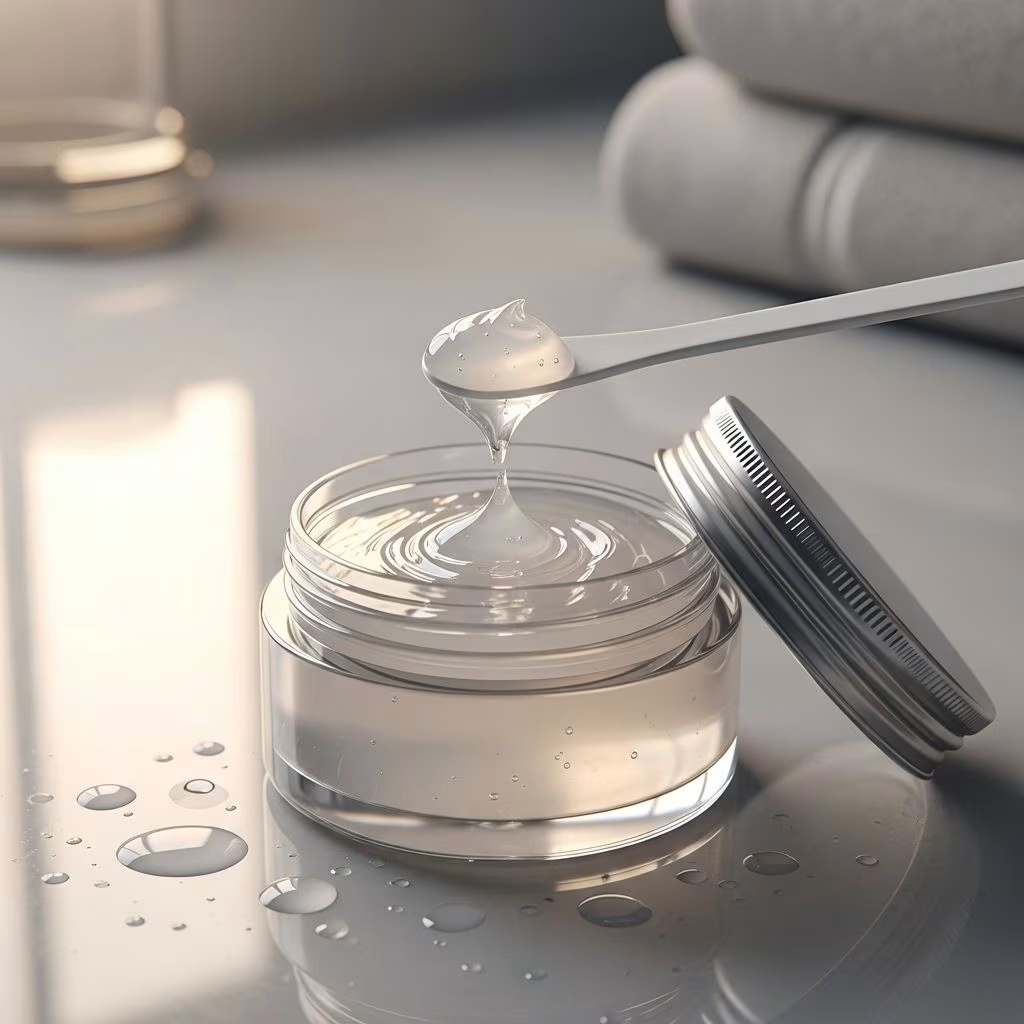
Slugging has emerged as a skincare phenomenon, promising enhanced hydration, repairing dehydrated complexions, and helping to achieve radiant, dewy skin by morning. This comprehensive guide explores every facet of slugging, from its roots and scientific foundation to step-by-step instructions, product recommendations, troubleshooting, and expert tips for all skin types.
What Is Slugging? Origins and Popularity
Slugging is a skincare technique in which an occlusive layer (usually petroleum jelly or a similar ointment) is applied over moisturizers and serums as the final step of your nighttime regimen. The term is derived from the shiny, “slug-like” look the skin takes on after application, which is part of the K-beauty (Korean beauty) movement but has roots extending back decades in other cultures as well.
Originally a household remedy for dry or irritated skin, slugging has surged in popularity due to viral attention and endorsements from dermatologists, estheticians, and skincare enthusiasts. Its simplicity and visible results have made it especially appealing for those struggling with dryness, dullness, or a compromised skin barrier.
How Slugging Works: The Science of Occlusives
The core principle behind slugging is the use of occlusives—substances that form a physical barrier over the skin, sealing in moisture and preventing water loss. Skin naturally loses water daily through transepidermal water loss (TEWL). By applying an occlusive, you trap the hydrating ingredients from your moisturizer and the skin’s natural moisture, helping both absorb more effectively overnight.
Unlike humectants (which draw water into the skin) and emollients (which soften), occlusives act as a defensive shield against environmental dehydration and barrier damage. Common occlusives used for slugging include:
- Petrolatum (petroleum jelly)
- Mineral oil
- Squalane or Jojoba oil
- Ceramide-rich ointments
By reducing TEWL, slugging delivers a significant boost in skin moisture, making your complexion appear plumper and more resilient.
Benefits of Slugging for Intensive Moisture
- Deep hydration & plumpness: Slugging locks in water and hydrators, delivering overnight replenishment.
- Enhanced skin barrier repair: Regular slugging helps restore the lipid barrier, healing damage and improving tolerance and resilience against irritants.
- Improved radiance and smoothness: Wake up to smoother, glowing skin due to minimized water loss during sleep.
- Protection against environmental aggressors: Occlusives shield skin from pollution and harsh weather overnight.
- Synergy with active ingredients: Enhages efficacy of humectants and emollients while reducing potential for irritation (when paired thoughtfully).
Clinical evidence shows that petrolatum can reduce up to 99% of transepidermal water loss, making it one of the most effective barrier protectants available without a prescription.
Is Slugging Right for You? Ideal Skin Types and Precautions
Slugging is most beneficial for individuals with:
- Dry, flaky, or rough skin
- Mature or aging skin lacking natural oils
- Compromised skin barriers (e.g., from over-exfoliation, cold weather, or retinoid use)
- Occasional irritation or sensitivity (with non-comedogenic occlusives)
However, slugging is not for everyone. Those with oily or acne-prone skin are at increased risk of breakouts or clogged pores, as occlusives can trap excess oil and sebum. In these cases, seek alternatives or consult a board-certified dermatologist before starting slugging.
Precautions
- Never apply occlusives over active acne treatments (like benzoyl peroxide, retinoids, or chemical exfoliants), as the barrier effect can intensify irritation.
- Always use on freshly cleansed, makeup-free skin to minimize risk of trapped debris or bacteria.
The Complete Slugging Routine: Step-by-Step Guide
Slugging is a straightforward process best performed at night. Adhering to these steps boosts both safety and efficacy:
- Start with a gentle cleanse: Use a mild, non-stripping cleanser to remove makeup, sunscreen, dirt, and debris. Pat skin dry, leaving it slightly damp for maximum hydration.
- Apply lightweight hydrating serums/essence (optional): If desired, use a hyaluronic acid serum or gentle toner. Avoid actives like acids or retinoids before slugging.
- Layer on your moisturizer: Choose a nourishing moisturizer suited to your skin type. This step is essential—occlusives seal in moisture, but do not provide it by themselves.
- Apply the occlusive: Warm a pea-sized amount of your chosen occlusive (petroleum jelly, ointment, etc.) between your fingers and gently pat it over your face, focusing on driest areas first. Avoid thick layers that can transfer to pillows or clog pores.
- Let it set: Wait a few minutes before getting into bed to reduce transfer and allow the barrier to begin sealing in moisture.
Slugging Routine Table
| Step | Product Type | Key Tips |
|---|---|---|
| Cleansing | Gentle face cleanser | Pat skin nearly dry, don’t rub |
| Hydrating Serum (optional) | Hyaluronic acid, lightweight essences | Avoid acids or retinoids |
| Moisturizing | Cream, lotion, or gel moisturizer | Massage in, allow partial absorption |
| Occlusive Application | Petroleum jelly, ointment, or oil | Use a thin, even layer |
Best Occlusive Products and Alternatives
While petroleum jelly (such as Vaseline) is the most traditional occlusive used in slugging, there are several alternatives to consider if you have ingredient sensitivities, personal preferences, or environmental concerns:
- Petrolatum-Based: Vaseline, Aquaphor Healing Ointment, CeraVe Healing Ointment – highly effective at reducing water loss.
- Ceramide-Rich Ointments: Enhanced with skin-identical lipids for extra barrier support.
- Plant Oils: Jojoba oil, squalane oil – lighter occlusives, beneficial for some with sensitivity to mineral oils.
Be mindful that oils may offer less occlusion compared to petrolatum, but can still aid in sealing in hydration, especially for combination skin or those looking for a lighter finish.
How Often Should You Slug?
Frequency depends on your skin type, environment, and routine:
- Dry, mature, or compromised skin: 2–4 nights a week, increasing or decreasing as needed.
- Normal or combination skin: 1–2 nights weekly or as a targeted treatment after harsh weather, travel, or sensitizing treatments.
- Oily or acne-prone skin: Only as a spot treatment for specific dry areas (e.g., around nostrils), if at all.
Monitor for breakouts or irritation and adjust frequency accordingly.
Common Mistakes & How to Avoid Them
- Skipping cleansing: Application over residual makeup, dirt, or sunscreen can lead to breakouts or skin irritation.
- Using actives before slugging: Strong ingredients may increase in potency under occlusion and lead to irritation or burn (e.g., AHAs/BHAs, retinoids, benzoyl peroxide).
- Applying too much occlusive: Excessive product can clog pores and feel uncomfortable. Use a thin layer for best results.
- Slugging with acne-prone/oily skin: Risk of flare-ups is higher; opt for lighter occlusives (if any) and monitor skin closely.
- Slugging in hot, humid climates: Can feel heavy or exacerbate oiliness. Limit use or switch to lightweight alternatives.
Frequently Asked Questions (FAQs)
Q: Who should avoid slugging?
A: Those with oily, acne-prone, or highly reactive skin should proceed with caution or consult a dermatologist before adopting slugging, as occlusives may trap sebum and exacerbate breakouts.
Q: Can I slug with oils instead of petroleum jelly?
A: Yes, lighter oils like jojoba or squalane oil are alternatives for those wary of petrolatum; however, they may be less occlusive and suitable mainly for slightly dry or combination skin.
Q: Will slugging clog my pores?
A: For acne-prone or oily skin types, the risk of clogged pores and breakouts is increased, particularly with petrolatum-based products. Apply only where needed and monitor skin response.
Q: Can I slug every night?
A: Many experience best results with 2–4 nights weekly. Sensitive, oily, or breakout-prone skin types may tolerate only occasional or targeted application.
Q: Can slugging help with eczema or irritations?
A: Occlusives like petrolatum can aid in barrier repair and acute dryness, and are sometimes recommended to alleviate eczema or irritation (but always check with a healthcare provider for medical skin conditions).
Q: Should I avoid slugging during hot weather?
A: Yes; slugging may feel heavy or worsen oiliness in humid climates. Reduce frequency or swap for lighter occlusives as needed.
Conclusion & Pro Tips for Safe, Effective Slugging
- Always prep skin with thorough cleansing and gentle hydration.
- Avoid actives with risk for irritation immediately before slugging.
- Start with 1–2 times per week; adjust based on your skin’s needs and tolerance.
- Opt for reputable, fragrance-free, dermatologist-tested occlusives for best results.
- Apply a thin, even layer; focus on dry, irritated, or barrier-compromised areas.
- Consult a board-certified dermatologist if unsure, especially when managing medical skin conditions.
Slugging offers an accessible and scientifically grounded path to intensive skin moisture. With the right technique and precautions, it can help you wake up with fresh, plump, and resilient skin—no matter the season.
References
- https://www.katesomerville.com/blogs/news/what-is-slugging-3-steps-to-repair-skin
- https://www.goodrx.com/health-topic/dermatology/what-is-slugging
- https://www.cerave.com/skin-smarts/skincare-tips-advice/what-is-slugging
- https://www.webmd.com/beauty/what-is-slugging-for-your-skin
- https://health.clevelandclinic.org/slugging
- https://www.paulaschoice.com/expert-advice/skincare-advice/skin-care-how-tos/what-is-slugging-for-skin.html
- https://www.vaseline.com/us/en/articles/skin-care-basics/what-is-skincare-slugging-face-routine.html
- https://depology.com/blogs/news/what-is-slugging-in-skincare-explained
- https://www.tru-skin.com/blog/the-ultimate-guide-to-petrolatum-and-slugging-debunking-myths-and-revealing-benefits


