


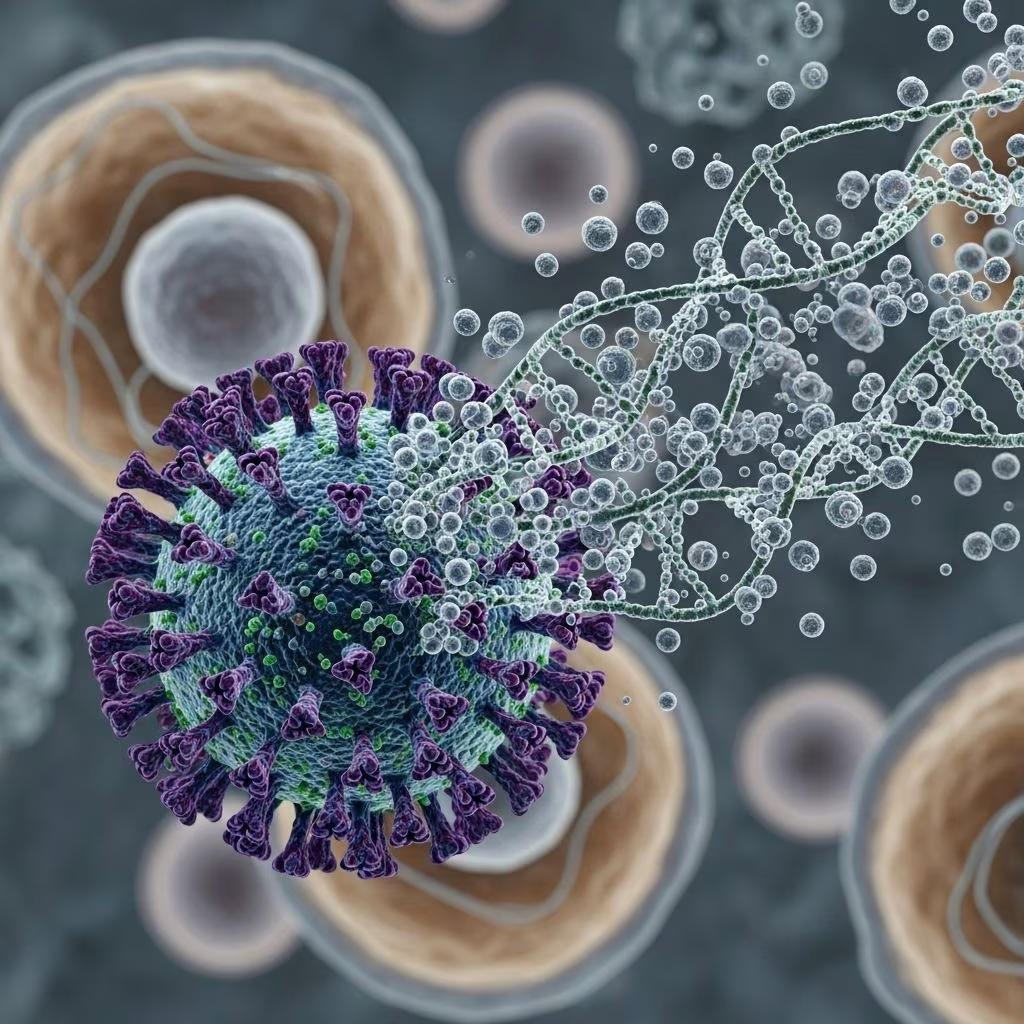
What is Viral Shedding?
Viral shedding represents one of the most critical concepts in understanding infectious disease transmission. At its core, viral shedding refers to the expulsion and release of virus progeny following successful reproduction during a host cell infection. This process is fundamental to how viral infections spread from one individual to another and forms the basis of contagion periods.
When a virus infects a person, it doesn’t simply remain dormant within the body. Instead, it actively reproduces by hijacking the cellular machinery of the host. Viruses are remarkably simple organisms, typically containing only a few proteins and either DNA or RNA, known as nucleic acids. These nucleic acids serve as instructions for creating more viral particles, but viruses lack the necessary machinery to reproduce independently.
The process begins when a virus gains access to a cell within the host organism. Once inside, the virus redirects the cell’s normal activities for its own benefit, essentially transforming the cell into a viral production factory. As new viral particles are produced, they can follow two distinct pathways: they may infect additional cells within the same host, leading to disease progression, or they may exit the host through various bodily secretions, representing the shedding phase.
The Viral Replication Process
Understanding viral shedding requires a comprehensive grasp of how viruses replicate within host cells. The replication process follows a predictable sequence that ultimately leads to the release of infectious particles.
Initial Infection and Cellular Invasion
The process begins when a virus encounters a susceptible host cell. Different viruses have varying mechanisms for cellular entry, but they all share the common goal of accessing the cell’s interior. For example, SARS-CoV-2, the virus causing COVID-19, uses its specialized spike protein to attach to and penetrate cells lining the respiratory system, particularly in the nose and throat.
Viral Reproduction Within Cells
Once inside a cell, the virus inserts its genetic material into the cell’s machinery, effectively reprogramming it to produce viral components instead of performing its normal functions. This hijacking process transforms the infected cell into what can be described as a coronavirus factory, continuously producing new viral particles.
The number of viruses within an individual increases exponentially with each round of replication. The duration and extent of this process depend largely on how quickly the individual’s immune system recognizes the invasion and mounts an effective response. The longer the immune system takes to control the infection, the greater the number of viral particles produced and the more intense the battle between virus and immune defenses becomes.
Cell Death and Viral Release
Eventually, the infected cell becomes overwhelmed by viral production and bursts, releasing numerous copies of the virus into the surrounding environment. These newly released viral particles then have two potential fates: they can infect additional cells within the same host, contributing to disease progression, or they can be shed from the body through various secretions.
Understanding Contagion Periods
The contagion period, also known as the infectious period, represents the timeframe during which an infected individual can transmit the virus to others. This period is intrinsically linked to viral shedding patterns and varies significantly depending on the specific pathogen involved.
Pre-symptomatic Shedding
One of the most concerning aspects of many viral infections is the occurrence of viral shedding before symptoms appear. For COVID-19, individuals typically begin shedding the virus 2 to 3 days before symptom onset. This pre-symptomatic transmission contributes significantly to community spread, as infected individuals may unknowingly expose others while feeling completely healthy.
Symptomatic Phase
During the symptomatic phase, viral shedding typically reaches its peak. The visible manifestations of illness – fever, fatigue, congestion, vomiting, and diarrhea – reflect the ongoing battle between the virus and the immune system. The severity and duration of symptoms often correlate with the intensity of viral shedding, though this relationship isn’t absolute.
Post-symptomatic Shedding
Perhaps one of the most misunderstood aspects of viral infections is the potential for continued shedding after symptoms resolve. Patients may continue to shed virus particles even after feeling better, meaning they can remain contagious despite apparent recovery. This phenomenon emphasizes the importance of following public health guidelines regarding isolation periods, even when individuals feel well.
| Phase | Timing | Shedding Level | Transmission Risk |
|---|---|---|---|
| Pre-symptomatic | 2-3 days before symptoms | Moderate to High | High |
| Early Symptomatic | Days 1-3 of illness | Peak | Very High |
| Late Symptomatic | Days 4-10 of illness | Declining | Moderate |
| Post-symptomatic | After symptom resolution | Low to Moderate | Low to Moderate |
Factors Affecting Viral Shedding
Multiple factors influence the duration, intensity, and patterns of viral shedding, making each infection unique in its transmission potential.
Host Immune Response
The strength and speed of an individual’s immune response significantly impact viral shedding patterns. Individuals with robust immune systems typically clear infections more quickly, resulting in shorter shedding periods. Conversely, immunocompromised individuals may experience prolonged shedding, potentially remaining infectious for extended periods.
Vaccination Status
Vaccination profoundly affects viral shedding dynamics. Vaccinated individuals who experience breakthrough infections typically shed virus for shorter durations and at lower levels compared to unvaccinated individuals. The pre-existing antibodies in vaccinated individuals enable faster immune responses, limiting viral reproduction and subsequent shedding.
Age and Overall Health
Age plays a crucial role in shedding patterns, with older adults and very young children often experiencing prolonged shedding periods. Underlying health conditions, particularly those affecting immune function, can also extend the duration of viral shedding.
Viral Load and Initial Exposure
The amount of virus an individual is initially exposed to can influence subsequent shedding patterns. Higher initial viral loads may lead to more severe infections and potentially longer shedding periods.
Viral Shedding Patterns by Disease
Different viruses exhibit distinct shedding patterns, influencing their transmission characteristics and the public health measures required for control.
COVID-19 (SARS-CoV-2)
COVID-19 demonstrates a specific shedding pattern that has been extensively studied throughout the pandemic. Infected individuals typically shed the virus for approximately 10 days, with shedding beginning 2 to 3 days before symptom onset. Peak shedding usually occurs during the first few days of illness, though some individuals may continue shedding for weeks, particularly those who are immunocompromised.
Influenza
Influenza viruses typically follow a more compressed shedding timeline compared to COVID-19. Most individuals shed influenza virus from approximately one day before symptom onset through 5-7 days after illness begins. Children and immunocompromised individuals may shed for longer periods.
Common Cold Viruses
Rhinoviruses and other common cold viruses generally have shorter shedding periods, typically lasting 7-10 days. However, the wide variety of viruses causing cold symptoms means shedding patterns can vary considerably.
Transmission Mechanisms
Viral shedding enables transmission through various mechanisms, each with different implications for disease control and prevention strategies.
Respiratory Droplet Transmission
The primary mode of transmission for many respiratory viruses occurs through droplets expelled when infected individuals cough, sneeze, talk, or breathe. These droplets contain viral particles that can directly infect nearby individuals or contaminate surfaces.
Airborne Transmission
Some viruses can remain suspended in air for extended periods, particularly in poorly ventilated indoor spaces. This airborne transmission mechanism allows viruses to spread beyond the immediate vicinity of infected individuals.
Contact Transmission
Viral particles shed onto surfaces can survive for varying periods, depending on environmental conditions and the specific virus. Transmission occurs when individuals touch contaminated surfaces and subsequently touch their face, particularly the eyes, nose, or mouth.
Fecal-Oral Transmission
Some viruses are also shed through fecal matter, enabling transmission through contaminated water, food, or surfaces. This mechanism is particularly important for gastrointestinal viruses but can also occur with respiratory viruses like SARS-CoV-2.
Prevention and Control Strategies
Understanding viral shedding patterns enables the development of effective prevention and control strategies to limit disease transmission.
Personal Protective Measures
Mask-wearing represents one of the most effective interventions for reducing viral transmission during shedding periods. Masks act as barriers that capture respiratory droplets containing viral particles before they can enter the environment. The effectiveness of masks depends on proper fit, material quality, and consistent use during periods of potential transmission.
Hand hygiene remains crucial for preventing transmission via contact routes. Regular handwashing with soap and water for at least 20 seconds, or using alcohol-based hand sanitizers, helps eliminate viral particles that may have been acquired through contact with contaminated surfaces.
Environmental Controls
Improving ventilation in indoor spaces helps dilute and remove airborne viral particles, reducing transmission risk. This includes increasing outdoor air circulation, using air filtration systems, and avoiding crowded, poorly ventilated areas during periods of high community transmission.
Isolation and Quarantine
Isolation of infected individuals during their contagious period represents a fundamental public health strategy. The challenge lies in determining appropriate isolation durations that account for individual variation in shedding patterns while remaining practical for implementation.
Vaccination Programs
Vaccination not only prevents severe disease but also significantly reduces viral shedding in breakthrough infections. This dual benefit makes vaccination programs essential for both individual protection and community-wide transmission reduction.
Clinical and Public Health Implications
Understanding viral shedding has profound implications for clinical practice and public health policy development.
Healthcare Settings
In healthcare environments, knowledge of shedding patterns informs infection control protocols, including the appropriate use of personal protective equipment, patient isolation procedures, and environmental decontamination practices. Healthcare workers must be particularly vigilant during periods of peak viral shedding to prevent nosocomial transmission.
Contact Tracing
Effective contact tracing programs rely on understanding when infected individuals are most likely to transmit viruses to others. This knowledge helps public health officials identify high-risk exposure periods and prioritize testing and monitoring efforts.
Return-to-Work Policies
Workplace policies regarding when infected employees can safely return to work must balance the risk of ongoing transmission against practical considerations. These decisions require careful consideration of individual shedding patterns, vaccination status, and workplace risk factors.
Frequently Asked Questions
Q: How long does viral shedding typically last?
A: Viral shedding duration varies by virus and individual factors. For COVID-19, most people shed virus for about 10 days, while influenza shedding typically lasts 5-7 days. Immunocompromised individuals may shed viruses for longer periods.
Q: Can you be contagious without having symptoms?
A: Yes, many viruses can be transmitted during pre-symptomatic periods when individuals feel well but are actively shedding virus. COVID-19 transmission can begin 2-3 days before symptoms appear.
Q: Does vaccination eliminate viral shedding?
A: Vaccination doesn’t completely eliminate viral shedding in breakthrough infections, but it significantly reduces the duration and amount of virus shed, making transmission less likely.
Q: How can I reduce my risk of transmitting viruses during shedding periods?
A: Key strategies include wearing masks, maintaining physical distance from others, improving ventilation, practicing good hand hygiene, and isolating when sick or potentially infectious.
Q: Are some people more likely to shed viruses than others?
A: Yes, factors such as age, immune system status, vaccination history, and overall health can influence viral shedding patterns. Immunocompromised individuals and the elderly may shed viruses for longer periods.
Q: Can viral shedding occur after recovery from illness?
A: Yes, some individuals may continue shedding virus particles even after symptoms resolve, which is why isolation recommendations often extend beyond the symptomatic period.
References
- https://www.chop.edu/parents-pack/parents-pack-newsletter/newsletter-archive/feature-article-viral-shedding-and-covid-19
- https://www.goodrx.com/health-topic/infections/viral-shedding-and-how-to-prevent-the-spread-of-infection
- https://www.urgentcare247.com/blog/what-does-viral-shedding-mean
- https://en.wikipedia.org/wiki/Viral_shedding
- https://www.news-medical.net/health/What-is-Viral-Shedding.aspx
- https://www.youtube.com/watch?v=n-MOY8NfKoc
- https://pmc.ncbi.nlm.nih.gov/articles/PMC7853554/
- https://newsnetwork.mayoclinic.org/discussion/mayo-clinic-qa-podcast-what-is-viral-shedding/
- https://www.nature.com/articles/s41579-022-00822-w


