


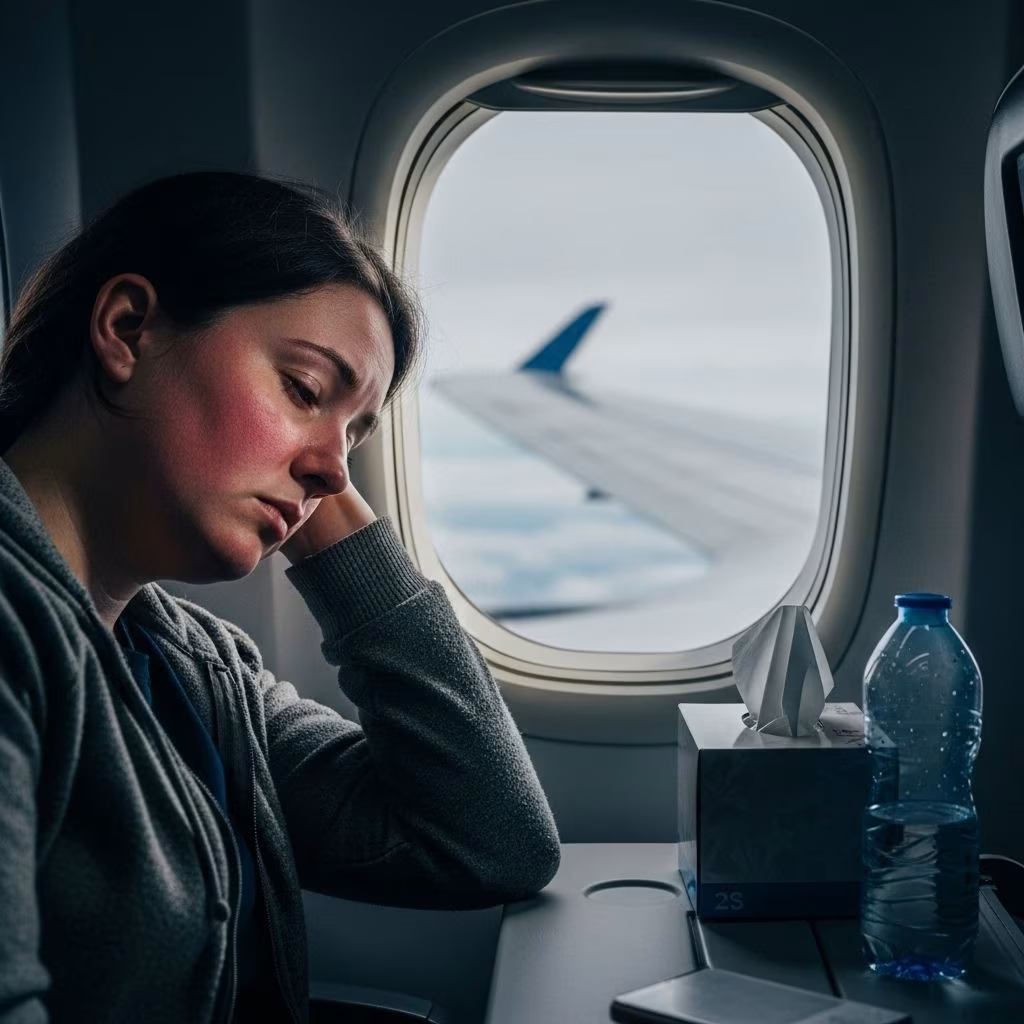
Many travelers experience feeling unwell after a flight, ranging from mild fatigue to more serious symptoms. Understanding why flying can trigger illness is crucial for frequent flyers and occasional travelers alike. This guide investigates the scientific reasons behind post-flight sickness, identifies key symptoms and risk factors, and offers practical troubleshooting tips to stay healthier in the air and after landing.
Introduction
Getting sick after flying is a widespread experience. Some travelers attribute it to jet lag, while others worry about catching a cold or flu from the circulating air. In reality, multiple factors—physical, environmental, and psychological—combine to challenge your body during and after air travel. By breaking down these components, travelers can better anticipate problems and minimize risks.
Common Symptoms After Flying
Post-flight sickness can present in a variety of ways. Not all symptoms mean you’ve caught an infection; many are caused by disruptions in your body’s normal rhythms and physical environment.
- Fatigue or sleepiness
- Headache or dizziness
- Dry throat or nasal passages
- Sore muscles or stiff joints
- Sinus or ear discomfort
- Digestive disturbances (bloating, constipation, indigestion)
- General malaise or feeling “under the weather”
- Increased susceptibility to colds or respiratory infections
Understanding what drives these symptoms is key to troubleshooting and preventing post-flight illness.
Root Causes of Post-Flight Sickness
It is rarely a single cause that makes people feel sick after flying. Instead, various factors interact and can amplify each other. Here are the top scientifically recognized root causes:
- Jet lag and circadian rhythm disruption
- Dehydration due to low cabin humidity
- Immobility leading to poor circulation and muscle stiffness
- Exposure to germs from other passengers or contaminated surfaces
- Changes in air pressure affecting airways and ears
- Dietary changes, altered meal timing, and digestive slowdown
- Travel-related psychological stress
Below, we’ll look at each in detail before offering strategies to troubleshoot and recover from these effects.
Jet Lag: Disrupting the Body’s Clock
Jet lag is a circadian rhythm disorder caused by flying across time zones, confusing your body’s natural sleep-wake cycle. Symptoms include sleep disturbances, fatigue, cognitive impairment, and general malaise.
- Jet lag severity increases with the number of time zones crossed and is worse with eastward travel (losing hours) than westward (gaining hours).
- Common symptoms: insomnia, excessive daytime sleepiness, difficulty concentrating, irritability, and gastrointestinal problems.
- Light exposure and melatonin influence circadian adjustment; strategic exposure to sunlight at the right local times helps.
Jet lag can impair your immune system, making you temporarily more susceptible to illness.
How to Prevent or Minimize Jet Lag
- Gradually shift your sleep schedule before flying (earlier for eastward travel, later for westward).
- Get good rest before your trip to avoid starting out sleep-deprived.
- Expose yourself to natural light at your destination according to travel direction (morning light eastward, evening light westward).
- Stay active and avoid naps longer than 30 minutes upon arrival.
- Consider using melatonin supplements as advised by your doctor to speed adaptation.
Dehydration and Dry Cabin Air
The cabin air in airplanes is extremely dry (10–20% humidity), much lower than most indoor environments. This dries out mucous membranes in your nose and throat, leading to:
- Increased risk of catching respiratory viruses
- Dry, sore throat and nosebleeds
- Dehydration, which worsens jet lag and can cause headache, dizziness, and fatigue
Dehydration is also made worse by alcohol and caffeine, which have diuretic effects.
Tips to Stay Hydrated
- Drink plenty of water before, during, and after your flight.
- Avoid alcohol and caffeine, especially on long-haul flights.
- Use saline nasal spray to keep airways moist.
- Moisturize lips and skin to minimize discomfort.
Immobility and Circulatory Issues
Extended periods of sitting in a cramped seat can lead to:
- Stiffness and muscle aches
- Swelling of feet and legs due to fluid pooling
- Increased risk of blood clots (deep vein thrombosis, DVT) especially on long-haul or overnight flights
How to Support Circulation
- Get up and move every 1–2 hours. Take trips to the aisle, do gentle stretches, or flex your ankles and calves at your seat.
- Wear loose clothing and compression socks if you are at risk for DVT.
- Avoid crossing your legs for long periods.
- Stay hydrated to lower blood viscosity.
Germ Exposure and Immunity
| Germ Source | Transmission Risk | Comments |
|---|---|---|
| Other passengers | High (especially nearby coughs/sneezes) | Confined air, close seating |
| Cabin air/HEPA filters | Low to moderate | Modern filtration is very effective, but not perfect |
| Shared surfaces | Moderate | Tray tables, seat belts, lavatories |
While airplanes recycle air, modern HEPA filtration greatly limits the spread of airborne pathogens. However, close physical proximity and contact with contaminated surfaces mean respiratory viruses can still spread. Immune suppression from jet lag and dehydration makes you more vulnerable.
Prevention Strategies for Germ Exposure
- Wash hands frequently and use sanitizer after touching common surfaces.
- Avoid touching eyes, nose, and mouth.
- Bring disinfectant wipes for the tray table, armrests, and screen.
- Consider wearing a mask in crowded airports or during outbreaks.
- Support your immune health with proper sleep and nutrition in the days before your flight.
In-Flight Digestive Distress
Air travel often causes digestive discomfort due to:
- Cabin pressure changes causing gas expansion and bloating
- Changes in routine diet and timing of meals
- Decreased activity levels slowing digestion
- Fatty, processed airline foods causing indigestion
Constipation, stomach upset, or loss of appetite are frequent traveler complaints.
Tips for Digestive Comfort
- Eat light meals and avoid heavy or greasy foods.
- Include fruits and vegetables for fiber and hydration.
- Walk around and move when possible to support gut motility.
- Bring healthy snacks if you have dietary restrictions.
Sinus and Ear Barotrauma
Pressure changes during takeoff and landing can cause:
- Ear popping, fullness, or pain
- Sinus pressure or headache
This is usually temporary but may trigger or worsen existing sinus or ear conditions.
Barotrauma Prevention and Relief
- Chew gum, suck on candy, or yawn/swallow during ascent and descent to equalize ear pressure.
- Use nasal decongestant spray before boarding if prone to sinus issues (check with your doctor).
- If you have an ear infection, discuss with your physician before flying.
Psychological Factors and Travel Stress
Travel stress and anxiety can weaken your immune system and make post-flight symptoms feel worse. Sources of stress during air travel include:
- Time pressures, security lines, and crowded airports
- Fear of flying or unfamiliar environments
- Disrupted routines
- Uncertainty about health and safety
Chronic stress not only disrupts sleep but also impairs the body’s immune defenses against viral and bacterial infections.
Managing Travel Stress
- Allow extra time for unexpected delays.
- Practice deep breathing or mindfulness exercises en route.
- Plan healthy meals and rest before your trip to buffer stress effects.
Troubleshooting: How to Prevent and Recover from Post-Flight Sickness
Mitigating sickness after flying involves proactive preparation before, smart choices during, and restorative habits after your trip.
Before You Fly
- Get enough sleep several nights before travel.
- Adjust your sleep schedule gradually if crossing time zones.
- Eat balanced meals and stay hydrated.
- Palm vitamins and supplements only if recommended by your physician.
During the Flight
- Drink water regularly; bring your own refillable bottle.
- Minimize alcohol and caffeine.
- Stand, stretch, and walk frequently.
- Wipe down tray tables, seat belts, and other surfaces.
- Eat light, easy-to-digest foods.
- Use saline nasal spray and moisturize skin and lips.
- Practice good hand hygiene.
After Arrival
- Spend time in daylight to help your body adjust.
- Begin normal exercise and meal routines promptly.
- Avoid naps longer than 30 minutes if adjusting to a new time zone.
- Continue to drink plenty of water.
- If symptoms persist (e.g., fever, severe pain, breathing issues), seek medical attention.
Frequently Asked Questions (FAQs)
Q: Is it normal to always catch a cold after flying?
A: While many report “plane colds,” not all post-flight illness is due to infection. Fatigue, dehydration, and irritation from dry air can cause similar symptoms. However, the confined quarters and close contact may increase risk of catching a virus, especially if the immune system is suppressed.
Q: Can jet lag make me physically sick?
A: Yes, severe jet lag can mimic illness with symptoms such as headache, stomach problems, malaise, and cognitive fog. Immune function is also temporarily impaired after crossing time zones.
Q: Should I wear a mask when flying?
A: Wearing a mask, especially when viral infections are common, can reduce the risk of catching airborne germs. High-risk individuals should especially consider this precaution.
Q: Are airplane germs worse than in other public places?
A: Not necessarily. Modern aircraft use HEPA filters, but the close proximity to other passengers and frequently touched surfaces still pose a risk. Good hygiene is your best defense.
Q: How long does it take to recover from post-flight sickness?
A: Most symptoms—such as fatigue, mild malaise, or dryness—resolve within 12–72 hours with good sleep, hydration, regular meals, and self-care. Seek medical advice if symptoms worsen or persist beyond a few days.
Conclusion
Feeling sick after flying is frustrating yet common. Recognizing the multifaceted causes—from jet lag and dehydration to cabin environment and immune suppression—enables travelers to take effective preventive steps and recover quickly. Smart preparation, in-flight habits, and post-arrival care are the keys to minimizing illness and maximizing enjoyment on your journeys.
References
- https://www.mayoclinic.org/diseases-conditions/jet-lag/symptoms-causes/syc-20374027
- https://www.sleepfoundation.org/travel-and-sleep/jet-lag
- https://ufhealth.org/care-sheets/jet-lag-prevention
- https://www.cdc.gov/yellow-book/hcp/travel-air-sea/jet-lag-disorder.html
- https://www.healthline.com/health/jet-lag
- https://pubmed.ncbi.nlm.nih.gov/15310477/
- https://www.uhhospitals.org/blog/articles/2024/09/8-strategies-for-reducing-jet-lag
- https://www.betterhealth.vic.gov.au/health/healthyliving/jet-lag


