


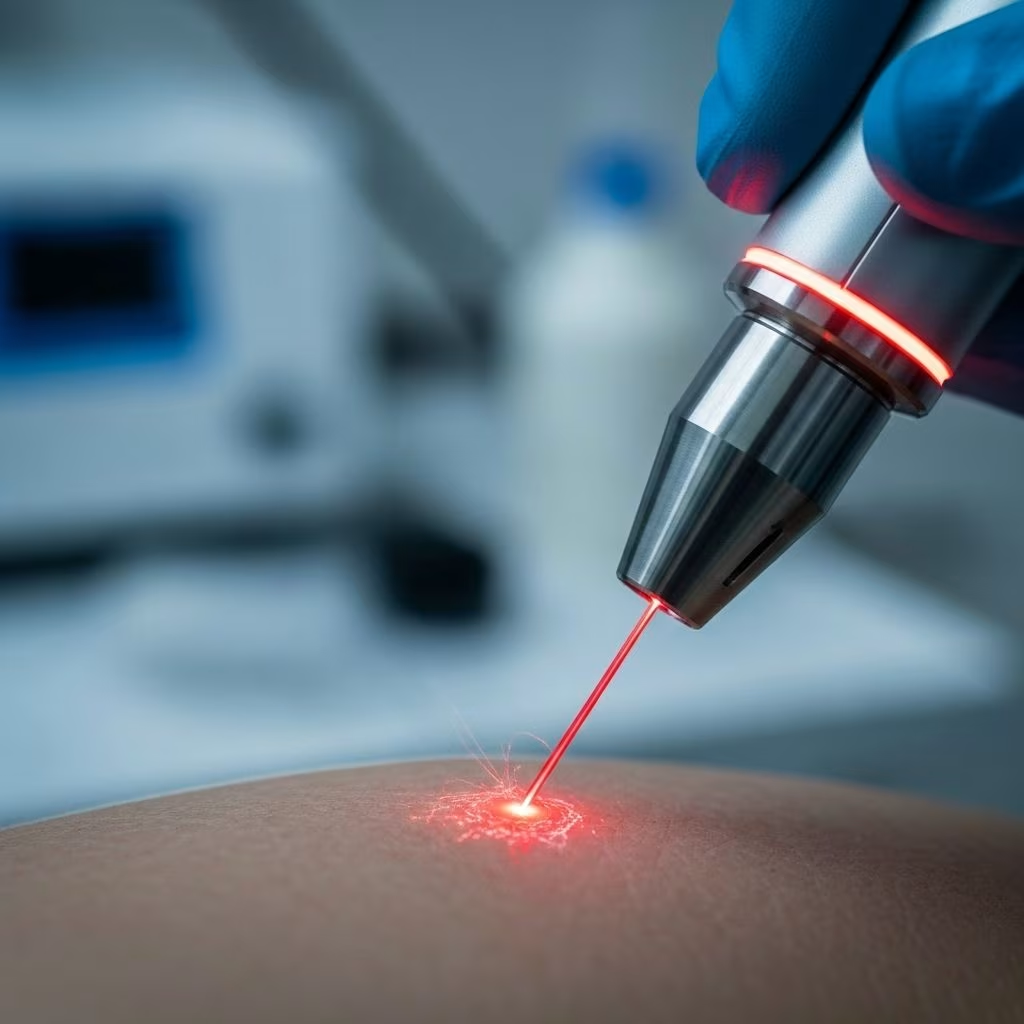
Laser therapies are promoted as high-tech solutions for a host of skin and hair concerns. Many people, however, are disappointed to see no results or less improvement than expected after several sessions. If you’re frustrated by ineffective laser hair removal, laser resurfacing, or other laser-based treatments, you’re not alone. This comprehensive troubleshooting guide uncovers the most common causes for treatment failure and explains how to optimize the outcome of your next session.
Understanding Laser Treatments
Laser therapy uses focused light energy to target specific tissues. The most common cosmetic applications include:
- Laser Hair Removal: Targets the pigment (melanin) in hair to damage follicles and reduce growth.
- Laser Skin Resurfacing: Removes damaged skin layers to improve texture, pigmentation, and fine lines.
- Vascular & Pigmented Lesion Treatment: Treats visible veins or spots by targeting hemoglobin or melanin.
While lasers are highly effective in the right circumstances, a range of internal and external factors can cause a procedure to fall short of expectations.
Why Do Laser Treatments Sometimes Fail?
Laser treatments sometimes fail for a combination of equipment, operator, biological, and patient-related reasons. It’s crucial to identify which factors contributed to your unsatisfactory results.
The Six Most Common Reasons for Laser Hair Removal Failure
- Wrong laser device or type for your skin and hair.
- Incorrect energy settings or inadequate customization.
- Poor timing or insufficient number of sessions.
- Unsuitable hair or skin color.
- Underlying hormonal imbalances or medical conditions.
- Lack of practitioner training or improper technique.
We’ll examine each cause in detail below, covering both hair removal and general laser therapies.
Device and Practitioner Factors
1. Wrong Laser Device or Settings
The effectiveness of laser therapy is heavily dependent on the technology used. Not all lasers are equally powerful or suited to every hair/skin type. Common issues include:
- Old, underpowered, or non-medical-grade lasers: These may fail to produce enough energy to destroy hair follicles or treat deeper skin layers.
- Wrong type of device: IPL (intense pulsed light) is not a true laser and is often less effective than modern alexandrite, diode, Nd:YAG, or combined-wavelength systems—especially on dark skin or fine hair.
- Incorrect settings: Too-low energy or wrong wavelengths mean the hair follicle or pigmented target isn’t sufficiently damaged. Conversely, too-high settings raise burn or pigment risk without improving results.
- Improper calibration or device malfunction: Rarely, equipment performs below specified output or isn’t maintained, leading to reduced efficacy.
Example: A device set too cautiously on a low energy density may only stun the hair, resulting in initial regrowth with no permanent reduction after several sessions.
2. Inadequate Practitioner Experience or Training
Your provider’s skill and experience are major factors in treatment success. Red flags for inexpert practitioners include:
- Failure to tailor the settings to your unique skin and hair.
- One-size-fits-all approach rather than customized protocols by body area (e.g., face vs. legs vs. bikini).
- Poor use of cooling and protective techniques, increasing risk and reducing comfort.
- Inadequate explanation of what you can realistically expect based on your skin, hair, or medical history.
- Lack of credentials or insufficient training in laser safety and device operation.
Solution: Seek experienced providers under medical supervision who offer a detailed consultation and adjust treatment to your needs.
3. Unsuitable Laser Parameters for Specific Body Areas
Different body sites require different laser energies and spot sizes to achieve results and minimize burns. For example:
| Area | Hair Type | Recommended Approach |
|---|---|---|
| Face | Fine, short cycle | Lower settings, higher frequency |
| Underarms | Thin, delicate skin | Lower intensity, careful cooling |
| Bikini | Coarse, resilient | Higher intensity tolerated |
| Legs | Thicker | More aggressive treatment possible |
Lack of customization leads to ineffectiveness or excessive side effects depending on the site.
Biological and Patient Factors
4. Hair or Skin Color Not Suitable for Laser
Laser hair removal is most successful when there’s a strong pigment contrast: dark hair on light skin works best. Why?
- Dark hair absorbs laser energy, which travels down the shaft to destroy the follicle.
- Light, red, gray, or very fine hair may reflect, not absorb, energy—so follicles aren’t harmed.
- Dark skin absorbs laser light in melanin, which makes targeting the hair without harming surrounding skin trickier. This increases burn/hyperpigmentation risk and demands the correct device (longer wavelength lasers) and very experienced operators.
Some clinics don’t explain these limitations upfront, so it’s important to ask about your predicted outcomes before treatment begins.
5. Timing and Hair Growth Cycle
Hair grows in cycles: anagen (active), catagen (transitional), and telogen (resting) phases. Laser only destroys hair in the anagen phase, which is why multiple treatments are required. Factors impacting effectiveness:
- Too few sessions (often fewer than 6 to 10) or sessions spaced incorrectly result in missing active hairs.
- Extended gaps between sessions reduce the likelihood all hair will be caught in the right phase.
Following a recommended schedule—usually every 4 to 8 weeks, depending on the area—is essential for optimal results.
6. Hormonal Imbalances and Medical Factors
Certain medical and hormonal conditions can stimulate persistent or excessive hair growth even after a technically successful treatment.
- PCOS (Polycystic Ovary Syndrome): Women with PCOS often experience stubborn facial/body hair that can regrow despite multiple laser sessions. Ongoing or top-up treatments may be necessary.
- Thyroid problems, hormonal fluctuations (puberty, menopause, pregnancy), medication side effects can all make hair more resistant to permanent removal.
- Genetic differences: Some people have naturally more resilient hair follicles.
7. Patient-Specific Skin Reactions & Safety
Laser treatment can sometimes induce unwanted effects instead of working as planned, such as:
- Hypopigmentation (loss of skin color) may occur after aggressive sessions, particularly in darker skin types.
- Burns, blistering, or scarring if settings are not precisely calibrated for your skin.
- Stimulation (rather than destruction) of the target tissue—rare but possible with mild settings.
If you notice any severe or persistent side effects, notify your provider. Sometimes these must be managed medically before further sessions.
Preparation and Aftercare Pitfalls
1. Inadequate Pre-Treatment Preparation
- Recent tanning: Sun exposure increases melanin, making skin more susceptible to burns or less responsive to lasers targeting pigment.
- Waxing, tweezing, or depilatories within weeks of treatment remove the follicle, leaving no target for the laser to act on.
- Use of certain medications (e.g., isotretinoin within the past year) can contraindicate certain laser treatments[10].
2. Failure to Follow Aftercare Advice
- Lack of sun protection: Increases risk of pigmentation problems after treatment.
- Poor hygiene, application of irritating products, or not managing post-treatment skin as directed can lead to prolonged redness, hyper/hypopigmentation, or infection.
3. Unrealistic Expectations
- Expecting complete hair/blemish removal after one or two sessions: This is unlikely for any laser procedure.
- Lack of understanding that some regrowth (or the need for maintenance) is normal, particularly for hormone-driven concerns.
Troubleshooting Checklist: Steps to Better Results
- Ensure your device is state-of-the-art and FDA-cleared for your skin/hair type.
- Seek highly trained practitioners, preferably under dermatological or medical supervision.
- Insist on a personalized treatment plan with settings and frequencies adapted to your body area, skin, and hair characteristics.
- If you have a medical or hormonal condition, disclose this and work with your physician to address underlying causes.
- Follow pre- and post-care instructions rigorously—avoid sun, skip waxing, and don’t use photosensitizing products or medications as instructed.
- Be patient—expect 6–10 sessions to achieve results, and understand maintenance/top-ups may be necessary.
When Laser Treatment Could Be Unsafe or Contraindicated
- Active infection or inflammation at treatment site.
- Recent use of isotretinoin, certain photosensitizing drugs, or ongoing pregnancy without provider consent[10].
- History of keloids or abnormal scarring—requires special caution[10].
When to Consult a Specialist
If you’ve followed all recommended protocols, but still see no improvement after several sessions, consult:
- A board-certified dermatologist for expert assessment and potential device/parameter adjustment.
- Endocrinologist if hormonal imbalance is suspected.
- An experienced laser technician or medical spa with a track record in treating your skin/hair type.
They may recommend alternative laser types, a longer/fuller course, or address any underlying medical issues for optimal results.
Frequently Asked Questions (FAQs)
Q: Can laser hair removal completely fail?
A: Complete treatment failure is rare with the right technology and experienced providers, but setbacks are often linked to improper preparation, session timing, or equipment.
Q: How many laser sessions do I need for permanent results?
A: Most areas require 6 to 10 sessions spaced 4–8 weeks apart. More may be needed for hormone-related hair growth or resistant anatomical regions.
Q: Is laser therapy effective for light or gray hair?
A: Traditional lasers target melanin, making gray, white, red, or very blonde hair less responsive. Newer lasers, although still being studied, may offer alternatives, but results remain less predictable.
Q: Can hormone issues cause regrowth after successful laser treatment?
A: Yes, conditions like PCOS can prompt hair to return despite otherwise effective treatments. Ongoing management and maintenance may be needed.
Q: What should I do if I haven’t seen results after several treatments?
A: Confirm your provider’s credentials, ask if they are using the right device/type, review the schedule and preparation protocols, and consider underlying health factors. A second opinion from a dermatologist or switching clinics may help resolve the issue.
Conclusion
Disappointing laser results are usually rooted in device limitations, practitioner expertise, timing, biological variation, or preparation/aftercare missteps. Identifying the underlying cause empowers you to adjust your approach, select a more suitable provider, or seek complementary treatment pathways. Modern technology and experienced professionals can usually resolve most challenges with adequate troubleshooting and patient persistence.
References
- https://www.victoriahouseclinic.co.uk/laser-hair-reduction-failed/
- https://derma-health.com/%D9%85%D8%AA%D9%89-%D9%84%D8%A7-%D9%8A%D9%86%D8%AC%D8%AD-%D9%84%D9%8A%D8%B2%D8%B1-%D8%A7%D8%B2%D8%A7%D9%84%D8%A9-%D8%A7%D9%84%D8%B4%D8%B9%D8%B1/
- https://www.antechdiagnostics.com/equipment-resources/4-common-problems-laser-therapy-avoid/
- https://www.ncbi.nlm.nih.gov/books/NBK532248/
- https://myethosspa.com/8-reasons-why-laser-hair-treatment-may-not-be-working-for-you/
- https://www.montana-laser.com/post/why-didn-t-laser-therapy-work-for-me
- https://houseofskincare.co.uk/why-your-laser-hair-removal-isnt-working/
- https://www.lasermeout.com/posts/laser-hair-removal-not-working-fixes
- https://www.allstatesmed.com/blogs/medical-equipment-reviews-sales-repair-service/common-cosmetic-laser-treatment-errors-and-how-to-avoid-them
- https://www.mayoclinic.org/tests-procedures/laser-resurfacing/about/pac-20385114


