


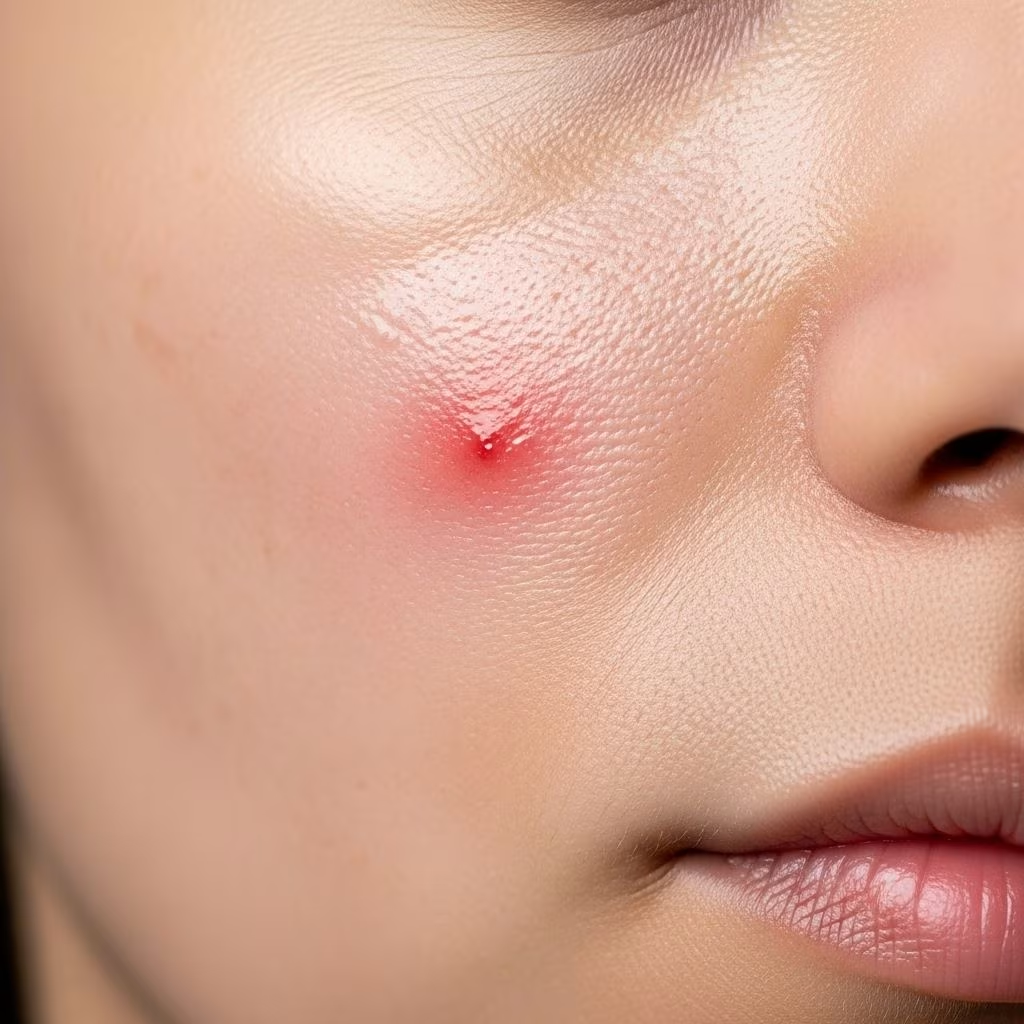
What Causes Spot Treatment Burning?
Spot treatments, especially those formulated for acne, often contain potent active ingredients designed to combat bacteria, reduce inflammation, and speed up healing. While effective, these ingredients can sometimes irritate the skin, leading to a burning sensation. This discomfort may range from a mild tingling to severe pain, depending on the product, skin type, and frequency of use.
The burning sensation is not a sign that the product is “working”—instead, it indicates that the skin is being irritated or even damaged. Common causes include allergic reactions, overuse of active ingredients, compromised skin barrier, and using products not suited for your skin type. Some people may also have underlying skin conditions such as eczema, rosacea, or contact dermatitis, which can heighten sensitivity to skincare products.
Common Culprits: Ingredients and Products
Not all spot treatments are created equal. Some ingredients are more likely to cause irritation or burns, especially when used incorrectly or on sensitive skin. Here’s a table of common ingredients and their potential effects:
| Ingredient | Typical Use | Risk of Burning | Notes |
|---|---|---|---|
| Benzoyl Peroxide | Antibacterial acne treatment | High, especially in first week | Redness, stinging, peeling common |
| Salicylic Acid | Exfoliates, unclogs pores | Moderate | Overuse can lead to burning, dryness |
| Retinoids (Retinol, Tretinoin) | Cell turnover, acne, anti-aging | High | Intense irritation if over-applied or not acclimated |
| Glycolic Acid | Chemical exfoliant | High | Stronger formulations risk chemical burns |
| Alcohol (Ethanol, Denatured Alcohol) | Antiseptic, astringent | High | Dries out skin, disrupts barrier |
Even “natural” or “gentle” products can cause reactions in some individuals, especially if they contain essential oils, fragrances, or certain preservatives. Always read labels and be aware of your own sensitivities.
Recognizing the Signs: Symptoms of Burning
Spot treatment burning can manifest in several ways, depending on the severity of the reaction:
- Mild Reactions: Tingling, warmth, or slight redness immediately after application. These symptoms usually fade within a few minutes to an hour.
- Moderate Reactions: Persistent stinging, redness, itching, dryness, or peeling. The skin may feel tight or look flushed for several hours.
- Severe Reactions: Intense burning pain, swelling, blistering, oozing, or the development of yellow or pus-filled blisters. These symptoms may indicate a chemical burn or allergic reaction requiring medical attention.
Chronic irritation from repeated burning can lead to compromised skin barrier function, increased sensitivity, and even scarring if not addressed.
Immediate Steps to Take When Burning Occurs
If you experience burning from a spot treatment, act quickly to minimize damage and discomfort:
- Rinse Immediately: Use cool (not cold) water to flush the affected area for at least several minutes. This removes residual product and soothes the skin.
- Discontinue Use: Stop using the offending product immediately. Do not attempt to “push through” the discomfort, as this can worsen the reaction.
- Apply a Cold Compress: A clean, cool damp cloth can help reduce inflammation and provide relief.
- Moisturize Gently: Apply a fragrance-free, hypoallergenic moisturizer to support barrier repair.
- Avoid Other Irritants: Skip exfoliants, retinoids, and other actives until your skin has fully healed.
- Monitor Symptoms: Watch for worsening redness, swelling, blistering, or signs of infection (pus, increased pain, warmth).
- Sun Protection: Damaged skin is more vulnerable to UV rays. Use a broad-spectrum sunscreen daily to prevent further irritation.
Treatment Options for Skin Burning
Once the immediate threat is addressed, focus on healing and restoring your skin. Treatment depends on the severity of the reaction:
Home Care for Mild to Moderate Reactions
- Hydrocortisone Cream: An over-the-counter topical steroid can reduce inflammation and itching. Use as directed and avoid prolonged use.
- Petroleum Jelly: Keeps the area moist, promotes healing, and protects the skin.
- Gentle Cleansing: Use a mild, pH-balanced cleanser free of sulfates and fragrances.
- Cold Compresses: Continue to soothe the area as needed.
- Over-the-Counter Pain Relief: Nonsteroidal anti-inflammatory drugs (NSAIDs) like ibuprofen can help with discomfort.
Medical Treatments for Severe Reactions
- Prescription Medications: A dermatologist may prescribe stronger corticosteroids, antihistamines, or antibiotics if infection is present.
- Debridement: In severe chemical burns, a healthcare provider may need to remove dead tissue to prevent infection.
- Follow-up Care: Regular check-ins with a dermatologist ensure proper healing and adjustment of treatment as needed.
Preventing Spot Treatment Burning
Prevention is always better than cure. Follow these guidelines to minimize the risk of burning from spot treatments:
- Patch Test New Products: Before full-face application, test the product on a small, inconspicuous area for at least 24–48 hours to check for reactions.
- Introduce Gradually: Start with a lower frequency (e.g., every other day) and increase as your skin tolerates.
- Choose Gentle, pH-Balanced Formulas: Opt for products formulated for sensitive skin, free from alcohol, harsh surfactants, and synthetic fragrances.
- Read Labels: Be aware of irritating ingredients and avoid products with known allergens.
- Avoid Overuse: More is not better—using too much product or applying too often increases the risk of irritation.
- Strengthen Your Skin Barrier: Regularly use moisturizers with ceramides, hyaluronic acid, or glycerin to maintain skin health.
When to See a Dermatologist
While mild irritation can often be managed at home, certain situations require professional medical evaluation:
- Persistent or Worsening Symptoms: If redness, pain, or swelling does not improve within a few days, or if symptoms worsen, consult a dermatologist.
- Signs of Infection: Blisters that ooze pus, yellow crusting, increased pain, or warmth may indicate infection and require prompt treatment.
- Underlying Skin Conditions: If you have a history of eczema, rosacea, or contact dermatitis, professional guidance is essential to prevent flare-ups.
- Severe Reactions: Intense burning, blistering, or open wounds should be evaluated immediately to prevent scarring or long-term damage.
During a consultation, expect the dermatologist to review your skincare routine, examine your skin, and possibly perform patch testing to identify specific allergens or irritants. They may recommend a “skincare detox” (temporarily stopping all actives), prescribe topical or oral medications, and suggest gentle, soothing alternatives for future use.
Frequently Asked Questions (FAQs)
Q: Is it normal for spot treatments to burn or sting?
A: Mild tingling or warmth can occur with certain active ingredients, but persistent burning, stinging, or pain is not normal and indicates irritation or damage.
Q: How can I tell if my burning is an allergic reaction?
A: Allergic reactions may involve intense itching, swelling, hives, or blistering in addition to burning. Patch testing can help identify specific allergens.
Q: Can I continue using a product if it burns a little?
A: No. Discontinue use immediately to prevent further damage. Burning is a sign your skin is being harmed, not treated.
Q: How long does it take for skin to heal after a chemical burn from skincare?
A: Mild irritation may resolve in a few days with proper care. Moderate to severe reactions can take weeks, and professional treatment may be necessary to prevent scarring.
Q: What ingredients should I avoid if I have sensitive skin?
A: Avoid alcohol, synthetic fragrances, essential oils, strong acids (like high-percentage glycolic acid), and sulfates. Opt for fragrance-free, hypoallergenic, and pH-balanced products.
Q: Should I pop blisters caused by a skincare burn?
A: No. Popping blisters increases the risk of infection and scarring. Keep the area clean, moist, and protected. Seek medical attention if blisters are large, numerous, or show signs of infection.
Q: Can sun exposure make spot treatment burning worse?
A: Yes. UV exposure can further irritate compromised skin and increase sensitivity to products. Always use sunscreen on healed skin and avoid direct sun on damaged areas.
Final Thoughts
Spot treatment burning is a common but preventable skincare concern. Understanding the causes, recognizing the signs, and knowing how to respond can help you maintain healthy, comfortable skin. Always prioritize gentle care, listen to your skin’s signals, and seek professional advice when needed. With the right approach, you can effectively manage acne and other skin issues without unnecessary discomfort or risk.
References
- https://lovekinship.com/blogs/news/skincare-burning-face
- https://www.healthline.com/health/nair-burning
- https://www.medicalnewstoday.com/articles/chemical-burn-on-face-from-skin-care
- https://curology.com/blog/the-burn-means-its-working/
- https://navamd.com/face-forward-blog/acne-medication-and-burns/
- https://cprfirstaid.com.au/why-acne-treatments-may-burn-your-skin/
- https://www.mdacne.com/questions/i-started-a-new-acne-treatment-why-is-it-making-my-face-burn
- https://www.refinery29.com/en-us/skin-care-product-burn
- https://acneintelligence.com/blogs/news/feeling-the-burn-why-your-acne-treatment-shouldn-t-sting


