


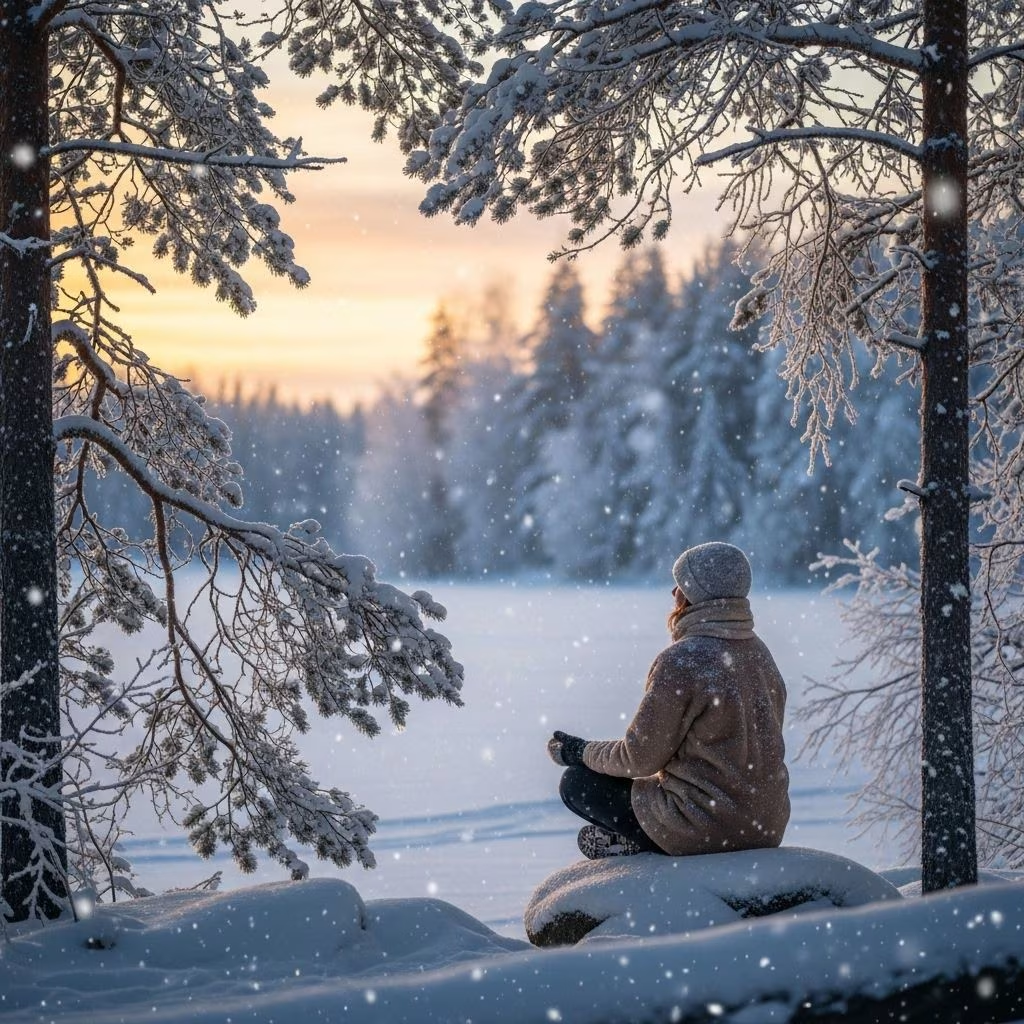
Winter often feels like nature’s invitation to retreat indoors, away from the cold and darkness. However, embracing nature-based mindfulness during the winter months can transform this challenging season into a profound opportunity for growth, healing, and self-discovery. Rather than fighting against winter’s natural rhythms, these practices teach us to harmonize with the season’s unique energy and discover its hidden gifts.
Understanding Winter Mindfulness
Winter mindfulness represents a fundamental shift in how we approach the colder months. Instead of viewing winter as something to endure, this practice teaches us to channel nature’s quieter energy and embrace the season’s natural pace. Your body and mind naturally slow down during these months, and winter mindfulness helps you work with this rhythm rather than against it.
The core principle involves accepting your thoughts and feelings about darker days without judgment while discovering the opportunities for deep self-reflection that winter uniquely provides. This seasonal approach to mindfulness recognizes that just as trees shed their leaves and animals prepare for hibernation, humans too can benefit from honoring winter’s call for introspection and renewal.
The Science Behind Seasonal Mindfulness
Research demonstrates that our bodies respond to seasonal changes through complex hormonal and neurological adaptations. Winter triggers the production of melatonin, which naturally promotes rest and reflection. By aligning our mindfulness practices with these biological rhythms, we can optimize our mental and physical well-being throughout the coldest months.
Benefits of Winter Nature Practice
Scientific research reveals powerful advantages of maintaining nature-based mindfulness practices during winter months. These benefits extend far beyond simple stress reduction, offering comprehensive support for both physical and mental health.
Physical Health Benefits
Regular winter mindfulness practice strengthens your immune system, providing natural protection during cold and flu season. The controlled exposure to cold air through breathing exercises triggers beneficial physiological responses, including:
- Activation of brown adipose tissue, which burns calories and generates heat
- Improved circulation through peripheral vasoconstriction and dilation cycles
- Enhanced respiratory function and lung capacity
- Reduction in systemic inflammation markers
Mental Health Improvements
Winter mindfulness practices show remarkable effectiveness in supporting mood regulation and emotional stability. Medical studies indicate that mindfulness-based approaches can significantly help people cope with Seasonal Affective Disorder (SAD), addressing the specific challenges of shorter days and reduced sunlight exposure.
Even brief practice sessions of just three to ten minutes can reset your nervous system’s stress response, leading to improved sleep patterns and enhanced overall well-being. The combination of natural settings and mindful awareness creates a powerful synergy for mental health support.
Essential Preparation and Equipment
One of the most appealing aspects of winter nature-based mindfulness is its simplicity. You don’t need expensive equipment or elaborate setups to begin your practice.
Basic Equipment List
- Warm, layered clothing suitable for outdoor temperatures
- Insulated, waterproof boots with good traction
- A supportive cushion or portable seat for outdoor meditation
- Thermos for warm beverages during longer sessions
- Weather protection items like hats, gloves, and wind-resistant outer layers
Creating Your Practice Space
Whether practicing indoors or outdoors, establishing a dedicated space enhances the effectiveness of your winter mindfulness routine. Indoor spaces should offer views of nature when possible, while outdoor locations should provide some shelter from harsh winds while maintaining connection to natural elements.
Outdoor Winter Mindfulness Techniques
Winter’s raw elements offer unique opportunities for deepening awareness and building resilience. These outdoor practices help you develop a profound connection with nature’s cycles while strengthening both body and mind.
Snow Walking Meditation
Snow walking meditation transforms winter locomotion into a mindful practice that anchors awareness in the present moment. Each deliberate step through snowy landscapes teaches lessons of balance, patience, and adaptation. The rhythmic crunch of snow beneath your feet becomes nature’s metronome, guiding your attention to the immediate sensory experience.
To practice snow walking meditation:
- Begin with three deep breaths to center yourself
- Start walking at half your normal pace
- Focus attention on the sensation of each footstep
- Notice the sound, texture, and resistance of snow
- When your mind wanders, gently return focus to your steps
- Pause periodically to observe the winter landscape
Cold Air Breathing Techniques
Cold air breathing awakens your body’s innate healing responses while promoting mental clarity and emotional balance. This practice should be approached gradually and with proper technique to ensure safety and effectiveness.
The optimal cold air breathing method includes:
- Deep nasal inhalations that engage both belly and chest breathing
- Gentle, controlled exhales through slightly parted lips
- Natural pauses between breath cycles
- Gradual extension of breath retention as comfort increases
This technique triggers powerful physiological changes, including activation of the sympathetic nervous system, release of beneficial hormones, and improvement in inflammatory markers.
Winter Nature Sound Awareness
Winter’s unique acoustic environment provides exceptional opportunities for sound-based mindfulness practice. The season’s relative quiet amplifies subtle natural sounds that often go unnoticed during busier months.
Effective winter sound awareness involves positioning yourself comfortably outdoors and systematically tuning into different layers of environmental sound. You might notice the whisper of wind through bare branches, the distant call of winter birds, or the subtle sounds of settling snow and ice.
Indoor Nature-Based Practices
When weather conditions make outdoor practice impractical, numerous indoor techniques maintain your connection to natural rhythms and seasonal awareness.
Window Watching Meditation
Transform any window view into a meditation portal by spending 10-15 minutes observing the outdoor winter scene. Notice how light changes throughout the day, observe wildlife activity, and track weather patterns as they develop. This practice maintains nature connection while providing the comfort of indoor warmth.
Mindful Tea Meditation
Combine the warming ritual of hot beverages with mindful awareness to create a nurturing winter practice. Choose teas with seasonal connections like pine needle tea, birch tea, or warming spices. Focus on the preparation process, the steam rising from your cup, the warmth against your palms, and the flavors and sensations of each sip.
Indoor Plant Connection
Houseplants provide year-round access to living nature energy. Spend time each day observing your plants’ growth patterns, caring for their needs, and using them as focal points for breathing meditations. This practice maintains the human-plant connection that supports well-being throughout winter months.
Supporting Seasonal Affective Disorder
Nature-based mindfulness offers powerful support for managing Seasonal Affective Disorder (SAD) and related winter mood challenges. The combination of natural light exposure, physical movement in natural settings, and mindful awareness creates a comprehensive approach to seasonal mood support.
Light and Nature Integration
Maximize natural light exposure by timing outdoor practices during peak daylight hours, even on cloudy days. The broader spectrum light available outdoors provides benefits that artificial indoor lighting cannot replicate. Even 15-20 minutes of outdoor mindfulness practice can significantly impact mood and energy levels.
Movement-Based Nature Practices
Incorporating gentle movement into your winter nature practices combats the lethargy and low energy common in SAD. Winter-appropriate activities like snowshoeing meditation, mindful sledding, or simple winter gardening tasks provide the physical activation needed to support mood stability.
Safety Considerations
Winter nature practices require additional safety awareness to ensure beneficial rather than harmful experiences.
Weather Guidelines
| Temperature Range | Practice Duration | Special Precautions |
|---|---|---|
| Above 20°F (-6°C) | Up to 60 minutes | Standard winter clothing |
| 10°F to 20°F (-12°C to -6°C) | 30-45 minutes | Extra insulation, face protection |
| Below 10°F (-12°C) | 15-30 minutes | Limited skin exposure, frequent warming breaks |
Recognition of Cold-Related Issues
Learn to recognize early signs of hypothermia and frostbite, including excessive shivering, numbness, confusion, or skin color changes. Always have a warm indoor space readily accessible and avoid pushing through concerning symptoms.
Building a Consistent Winter Practice
Consistency proves more important than duration when establishing winter mindfulness routines. Start with brief 5-10 minute sessions and gradually extend practice time as comfort and familiarity increase.
Weekly Practice Structure
Design a weekly routine that balances outdoor and indoor practices based on weather conditions and personal schedule. Aim for at least one outdoor session per week, supplemented by daily indoor nature-based practices. Flexibility remains key, as winter weather can be unpredictable.
Seasonal Progression
Allow your practice to evolve throughout the winter months. Early winter might focus on adaptation and acceptance of seasonal changes, while deep winter emphasizes nurturing and restoration. Late winter can incorporate themes of renewal and preparation for spring’s return.
Frequently Asked Questions
Q: How cold is too cold for outdoor winter mindfulness practice?
A: Generally, temperatures above 10°F (-12°C) are safe for most people with proper clothing. Below this temperature, limit sessions to 15-30 minutes and watch for signs of cold-related issues. Always prioritize safety over practice duration.
Q: Can winter nature practices really help with seasonal depression?
A: Research shows that nature-based mindfulness practices can significantly support mood regulation and help manage SAD symptoms. The combination of natural light exposure, physical activity, and mindful awareness provides comprehensive mood support, though severe cases may require additional professional treatment.
Q: What if I live in an urban area with limited nature access?
A: Urban parks, tree-lined streets, or even balcony gardens can serve as nature connection points. Focus on whatever natural elements are available – sky watching, urban wildlife observation, or indoor plant meditation can all provide benefits.
Q: How long should I practice winter mindfulness each day?
A: Start with just 5-10 minutes daily and gradually increase as comfort develops. Even brief sessions provide significant benefits. Consistency matters more than duration, so choose a realistic timeframe you can maintain throughout the season.
Q: Is special equipment necessary for winter nature practices?
A: Basic winter clothing and footwear are sufficient for most practices. Optional items like portable seats, thermoses for warm drinks, or weather protection can enhance comfort but aren’t essential for effective practice.
Nature-based mindfulness during winter months offers a powerful pathway to not just surviving the coldest season, but truly thriving within it. By embracing winter’s unique gifts and working with its natural rhythms, we can transform what many consider the most challenging time of year into a period of profound growth, healing, and renewal. The practices outlined here provide practical tools for anyone seeking to deepen their relationship with both nature and their own inner landscape during winter’s transformative embrace.
References
- https://www.drselhub.com/winter-mindfulness-your-natural-path-to-resilience-and-well-being/
- https://getoutside.ordnancesurvey.co.uk/guides/mindfulness-in-nature-in-winter/
- https://therapeutic-hort.ces.ncsu.edu/2024/12/the-healing-power-of-nature-a-winter-perspective/
- https://adoreyouroutdoors.co.uk/beat-the-winter-blues-with-nature-connection/
- https://continentalhospitals.com/blog/mindfulness-tips-for-winter-wellness/
- https://www.manduka.com/blogs/mandukamag/embrace-the-stillness-a-guide-to-winter-meditation
- https://natureconnectionguide.com/10-tips-winter-wellness/
- https://www.spiritualityhealth.com/winter-nature-meditation
- https://www.webmd.com/balance/news/20250123/feeling-the-winter-blues-notice-nature-for-a-well-being-boost


