


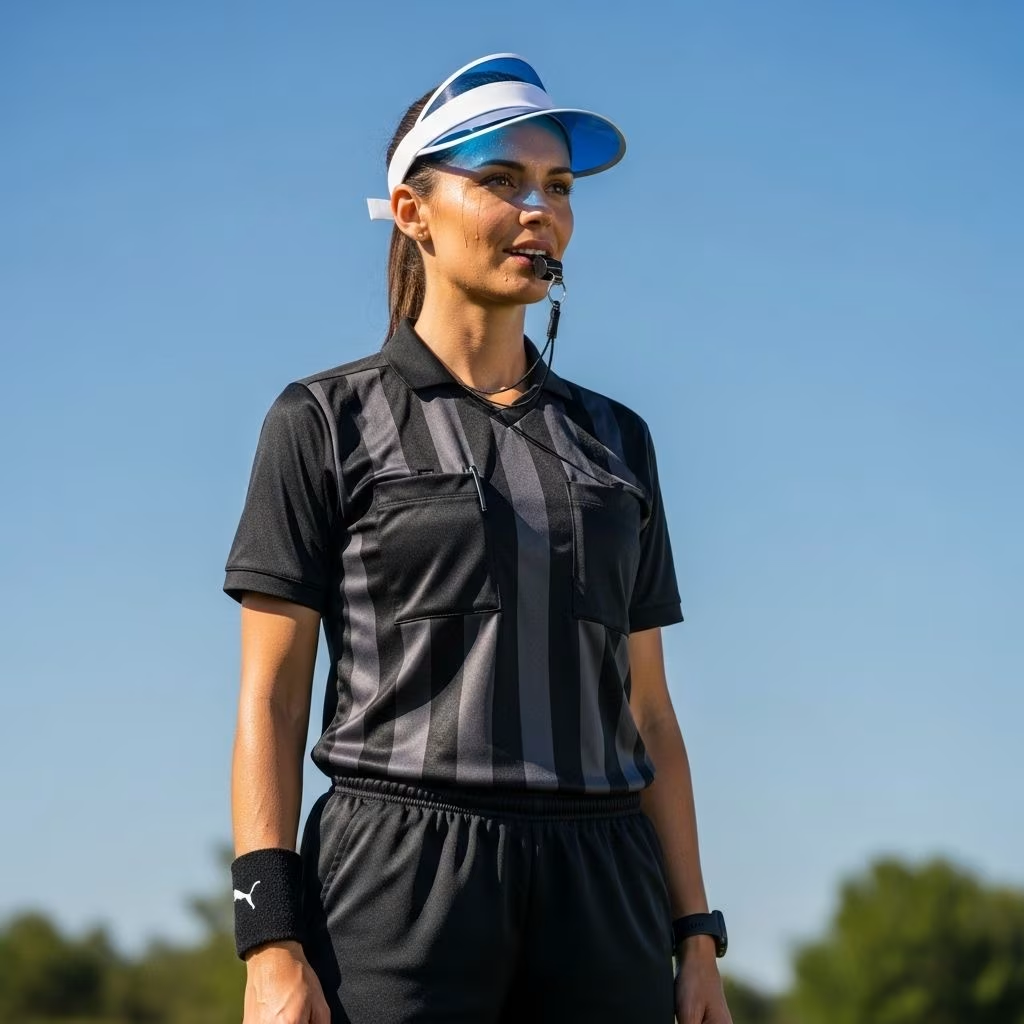
Referees are critical guardians of fair play in sports—but they are also continuous outdoor performers, routinely exposed to intense sun, biting winds, rain, humidity, and freezing temperatures. While game readiness and physical conditioning are prioritized, skin health is an often-overlooked cornerstone of long-term well-being and optimal field performance. This comprehensive guide delivers actionable, medically backed advice for outdoor referees to achieve all four seasons skin protection, minimizing the risk of sun damage, dryness, irritation, and even skin cancer.
Why Skincare Matters for Referees
Referees spend hours each week outside and are often overlooked in sun- and weather-safety campaigns. Regular exposure increases the risk of:
- Sunburn, premature skin aging, and skin cancer
- Dehydration, dryness, and windburn
- Heat rash or sweat-related irritations
- Chapped lips, cracked hands, and eczema flare-ups
Proper skincare enables not only healthier skin, but also ensures comfort, reduces distractions, and supports the confidence and poise required to make high-pressure calls.
Core Skincare Principles: Year-Round Essentials
- Daily Sunscreen Use: Apply a broad-spectrum sunscreen with SPF 30 or higher 15 minutes before sun exposure—even on cloudy or winter days. Reapply every two hours, or more often if sweating extensively or toweling off.
- Hydration: Maintain skin hydration inside and out—drink water regularly, and use a suitable moisturizer for your skin type to combat environmental stress.
- Protective Clothing: Whenever allowed, consider UPF-rated long sleeves, wide-brimmed hats, and sunglasses for extra protection. Look for technology-enhanced fabrics that wick sweat and block UV.
- Lip and Eye Care: Use SPF-rated lip balms and, if possible, UV-blocking sports sunglasses to protect delicate areas.
- Routine Checks: Examine your skin monthly for new or changing spots, and consult a dermatologist at least annually.
Spring Skincare: Transition and Allergy Management
Spring brings variable weather—sometimes sunny, other times wet and windy. Skin can react with dryness, oiliness, or allergic flare-ups due to pollen. Key strategies include:
- Maintain a balanced cleansing routine: Use a gentle, fragrance-free cleanser to remove pollen, sweat, and dirt without excessive drying. Avoid harsh scrubbing.
- Switch to lighter, breathable moisturizers: Gel-based or lightweight creams help manage fluctuating humidity while keeping the skin barrier intact.
- Continue daily sun protection: UV exposure increases as days lengthen; don’t wait for summer to resume sunscreen use.
- Watch for allergies: If prone to eczema or skin allergies, consider a barrier repair cream and avoid known triggers after outdoor exposure.
Summer Protection: Beating UV and Heat
Summer is the peak season for UV risk. Referees face high sweat rates and amplified sun exposure, resulting in aggravated irritation, sunburn, and even accelerated skin aging. Adopt these focused summer strategies:
- Use water-resistant, broad-spectrum sunscreen (SPF 30+ at minimum): Key for both UVB and UVA protection. Mineral sunscreens (zinc oxide, titanium dioxide) are ideal for sensitive or sweat-prone skin. Apply 15 minutes before exposure and reapply at halftime and fulltime.
- Choose oil-free or non-comedogenic moisturizers: Helps prevent clogged pores and heat-induced acne.
- Cover up with light, UV-blocking attire: When permitted, use UPF-rated shirts, neck gaiters, and caps. Opt for colors that reflect rather than absorb sunlight.
- Hydrate continuously: Replace lost fluids and use mist sprays for cooling without removing sunscreen.
- Lip and ear protection: Don’t overlook ears and lips—use SPF balms and apply sunscreen to exposed areas.
Table: Summer Skincare Essentials for Referees
| Item | Recommended Type | Application Tips |
|---|---|---|
| Sunscreen | SPF 30+ Broad-spectrum, water-resistant | 15 mins before game, reapply every 2 hours/halftime |
| Moisturizer | Oil-free, lightweight gel or lotion | AM pregame, post-cleansing |
| Lip Balm | SPF 15–30 | Before exposure and every 2 hours |
| Apparel | UPF 50+, sweat-wicking | Wear under/over uniform as allowed |
Autumn Skincare: Wind and Dryness Defense
Cooler winds and lower humidity challenge skin’s moisture barrier. Autumn skincare pivots toward repair and pre-winter fortification:
- Switch to hydrating cleansers and creams: As temperatures drop, ease off drying gels and introduce creamier cleansers and emollient moisturizers.
- Continue regular exfoliation: Gentle exfoliation removes dry, flaky skin but avoid over-exfoliating, which can amp up irritation.
- Shield from wind: Use balms and thicker creams on exposed hands, lips, and cheeks. Wind can chap skin—apply product before heading out, not after damage occurs.
- Maintain sun protection: UV remains present even as daylight wanes; stick to the SPF routine.
Winter Defense: Cold, Sun, and Wind Challenges
Many underestimate the skin dangers of winter. UV rays bounce off snow, amplifying sunburn risk, while freezing air and wind sap moisture. Critical winter referee skincare steps include:
- Broad-Spectrum Sunscreen, SPF 30+ Even on Overcast Days: Snow reflects more UV; mineral sunscreens are less likely to irritate chapped skin.
- Rich Moisturizers and Barrier Creams: Switch to occlusive creams (with shea butter, ceramides, petrolatum) to trap moisture against the skin.
- Lip, Hand, and Cheek Protection: Apply heavy balms to lips and hands; consider thin, moisture-wicking gloves between matches or while warming up.
- UPF-Rated, Wind-Blocking Clothing: Wear neck gaiters, hats, and base layers where uniform regulations permit.
Pro-Tip: Avoid hot showers immediately after winter games—lukewarm water preserves skin oils and reduces post-match dryness.
Special Challenges: Rain, Humidity, and Unique Outdoor Threats
- Rainy or Humid Conditions
- Use water-resistant sunscreen that adheres even when exposed to perspiration and rain.
- Pick oil-free, non-comedogenic formulas to minimize clogged pores, especially around the face and neck.
- Carry blotting papers to control excess shine and avoid friction from towels, which can irritate skin.
- Bug Protection
- When refereeing in insect-heavy months, opt for skin-kind, non-greasy insect repellents. Wash off and reapply sunscreen as per package instructions after repellents.
- Allergy and Sensitivity Support
- If you have a known sensitivity (e.g., fragrance, nickel), choose products labeled hypoallergenic and patch-test new gear or skincare before extended use.
Uniform and Equipment Tips
- Caps and Headwear: Official guidelines allow caps that match uniform, without commercial marks/logos, and do not compromise safety or visibility.
- Long Sleeves, Neck Gaiters, and Arm Sleeves: Use UPF-treated materials. For severe weather, some leagues allow removable layers during warmups or weather disruptions—follow your authority’s rules.
- Gloves and Eyewear: Choose close-fitting gloves and wraparound sunglasses where allowed.
- Color Compliance: Ensure protective gear does not conflict with referee uniform codes or team colors.
Annual Skin Checkups and Self-Monitoring
Routine monthly skin self-exams are your frontline defense in early detection of issues such as:
- New moles or persistent blemishes
- Changing or irregular spots
- Areas that itch, bleed, or don’t heal
Schedule a dermatologist visit once a year for a professional skin exam. Sporting authorities recommend reporting any changes or concerns that arise during your seasonal exposure for timely care.
Top Product Recommendations for Referees
- Broad-Spectrum Sunscreen SPF 30–50+ (zinc oxide or titanium dioxide)
- SPF Lip Balm
- Lightweight, sweat-resistant moisturizer for summer and hydrating barrier cream for winter
- Natural, nonirritating bug repellent (if applicable)
- Fragrance-free, gentle cleanser for post-game skin restoration
- UPF-rated apparel (sleeves, hats, base layers)
- Soothing recovery gels or ointments for after-sun or windburned skin (aloe vera, calendula creams)
Look for products labeled as non-comedogenic (won’t clog pores), sweat-resistant, and appropriate for sensitive skin.
Frequently Asked Questions (FAQs)
Q: Do referees need to wear sunscreen on cloudy or snowy days?
A: Yes. Up to 80% of UV rays penetrate clouds or reflect off snow, so sunscreen and protective gear are needed year-round.
Q: How often should I reapply sunscreen during a tournament day?
A: At least every two hours and whenever you towel off sweat or after each match—especially when sweating or if it rains.
Q: What type of moisturizer is best for referees in hot weather?
A: Oil-free, gel-based moisturizers that hydrate without clogging pores are best for muggy, sweaty conditions.
Q: Can I use the same sunscreen on my face and body?
A: Preferably use facial sunscreens on the face as they’re formulated to be non-irritating and non-comedogenic, but broad-spectrum body sunscreens are fine for rest of exposed areas.
Q: Are mineral sunscreens better for sensitive skin?
A: Yes; mineral sunscreens with zinc oxide or titanium dioxide are less likely to cause irritation, especially in winter or for those with eczema or allergies.
Q: How can referees protect against windburn and chapping?
A: Apply a thick, occlusive balm on vulnerable skin before exposure, use wind-blocking clothing, and avoid alcohol-based products that further dry skin.
Q: What is UPF clothing, and why is it beneficial for referees?
A: UPF-rated apparel (Ultraviolet Protection Factor) blocks significant percentages of UV rays, offering a physical barrier against sun damage and reducing the need for frequent sunscreen reapplication on covered areas.
References & Expert Resources
- U.S. Soccer Referee Skin Care Guidelines
- American Academy of Dermatology—Outdoor Activity Sun Protection
- National Weather Service UV Awareness
- Sports Health Professional Advisory Boards
References
- https://www.cnra.net/2015/07/new-recommendations-for-referee-skin-care/
- https://www.revieraoverseas.com/knowledge-center/weatherproof-skincare-products/
- http://www.wareferees.org/documents/US%20Soccer%20-%20WSRC%20Skin%20Care.pdf
- https://livejoju.com/blogs/news/winter-skincare-for-outdoor-exercisers-sun-protection
- https://www.naturalskinrevival.com/product-category/a/outdoor-skin-treatments
- https://www.mickeysrefhub.com/learn/detail.php
- https://www.enrichclinic.com.au/protecting-your-skin-when-you-work-outside/
- https://www.theskinsophisticate.com/skin-care/how-to-protect-your-skin-when-working-outdoors
- https://www.outsideonline.com/health/wellness/best-sun-protection-skin-care/


