


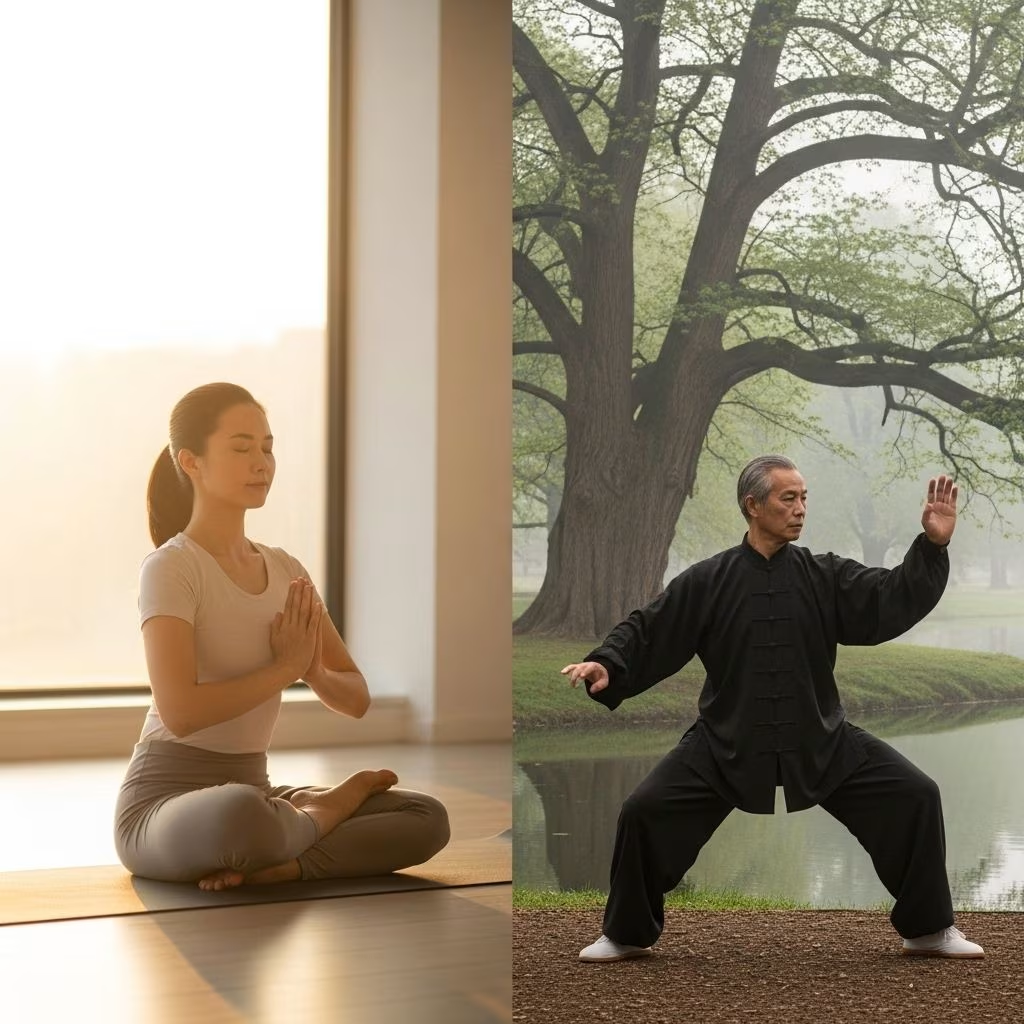
Stress-related hives, medically known as stress-induced urticaria, represent a physical manifestation of psychological tension that affects countless individuals worldwide. These raised, itchy welts on the skin serve as a visible reminder of how deeply our mental state influences our physical health. When stress hormones flood our system, they can trigger an immune response that results in the characteristic swollen patches that define hives. Finding effective management strategies becomes crucial for those experiencing this uncomfortable condition.
Both Yoga and Tai Chi have emerged as powerful mind-body practices that address the root cause of stress-related hives rather than merely treating symptoms. These ancient disciplines offer holistic approaches to stress management, combining physical movement with mental focus and breathing techniques. Understanding the nuances of each practice can help individuals make informed decisions about which method might best serve their specific needs in managing stress-related skin reactions.
Understanding Stress-Related Hives
Stress hives manifest as swollen, raised patches of skin called welts or wheals that can appear anywhere on the body. Unlike other types of hives triggered by allergies or physical stimuli, stress hives emerge specifically in response to psychological tension and anxiety. The condition occurs when stress hormones, particularly cortisol and adrenaline, trigger the release of histamine and other chemicals from cells beneath the skin’s surface.
The connection between stress and hives demonstrates the profound interplay between our nervous system and immune function. When we experience chronic stress or acute anxiety, our body enters a heightened state of alert, activating inflammatory pathways that can result in skin reactions. These hives typically appear as red or skin-colored bumps that may change shape, fade, and reappear in different locations. They can range from small spots to large patches and often cause intense itching or burning sensations.
Managing stress-related hives requires a comprehensive approach that addresses both the physical symptoms and the underlying psychological triggers. While antihistamines and topical treatments can provide temporary relief, long-term management necessitates stress reduction strategies that calm the nervous system and reduce the frequency and intensity of stress responses. This is where mind-body practices like Yoga and Tai Chi demonstrate their remarkable value.
The Mind-Body Connection in Stress Management
The mind-body connection represents the fundamental relationship between our psychological state and physical health. Research has consistently demonstrated that practices emphasizing this connection can significantly reduce stress levels and improve overall well-being. Both Yoga and Tai Chi operate on the principle that mental and physical health are inseparable, using movement, breath, and focused attention to create harmony within the body.
These practices work by activating the parasympathetic nervous system, often called the “rest and digest” response, which counteracts the stress-induced “fight or flight” state. When we engage in mindful movement combined with controlled breathing, we signal to our body that we are safe, allowing stress hormones to decrease and inflammatory responses to subside. This physiological shift can directly impact the frequency and severity of stress-related hives.
The effectiveness of mind-body practices in managing stress-related conditions stems from their ability to enhance body awareness and promote mindfulness. By cultivating present-moment awareness, individuals become more attuned to early signs of stress and can implement coping strategies before physical symptoms like hives manifest. This preventive approach makes mind-body practices particularly valuable for those dealing with chronic stress-related skin conditions.
Yoga for Stress-Related Hives Management
Yoga, rooted in ancient Indian traditions, offers a comprehensive system for uniting body, mind, and spirit through physical poses, breathing exercises, and meditation. For individuals managing stress-related hives, Yoga provides multiple mechanisms of relief that address both the psychological triggers and physical manifestations of the condition.
Physical Benefits of Yoga
Yoga strengthens muscles and enhances flexibility through various poses that stretch and tone the body. This physical engagement helps release tension stored in muscles and tissues, which often accumulates during periods of stress. The practice improves circulation, promoting better oxygen and nutrient delivery throughout the body, including to the skin. Enhanced blood flow supports the body’s natural healing processes and may help reduce inflammation associated with hives.
Different styles of Yoga offer varying levels of physical intensity, making the practice accessible to individuals with diverse fitness levels and physical capabilities. Gentle, restorative Yoga focuses on relaxation and stress relief through supported poses held for extended periods. More dynamic styles like Vinyasa or Power Yoga provide cardiovascular benefits while still incorporating mindfulness and breath awareness. This versatility allows individuals to select a practice that matches their current physical condition and stress management needs.
Mental and Emotional Benefits
Yoga incorporates meditation and breathing techniques that directly alleviate stress and anxiety, the primary triggers of stress-related hives. Pranayama, the yogic practice of breath control, includes various techniques designed to calm the nervous system and shift the body out of stress mode. These breathing exercises can be practiced independently throughout the day, providing accessible tools for managing stress in real-time situations.
The meditative aspects of Yoga cultivate mindfulness and heightened awareness, helping practitioners recognize stress patterns before they escalate into physical symptoms. Regular practice has been linked to improvements in mood, reduced anxiety levels, and better emotional regulation. Research indicates that Yoga may help protect brain function and potentially decrease inflammation in the body, addressing multiple pathways through which stress contributes to hives.
Specific Yoga Practices for Stress Relief
Certain Yoga poses and sequences prove particularly effective for stress management. Restorative poses like Child’s Pose, Legs-Up-The-Wall, and Corpse Pose activate the relaxation response and promote deep rest. Forward folds and gentle twists massage internal organs and release tension in the spine and surrounding muscles. Inversions and gentle backbends can help shift perspective and energy, countering the heavy feeling that often accompanies chronic stress.
Breathing practices such as alternate nostril breathing, extended exhale breathing, and three-part breath specifically target the nervous system, inducing relaxation and reducing stress hormone production. Many Yoga classes conclude with Savasana, a final relaxation pose that allows the body to integrate the benefits of the practice and enter a deeply restful state. This combination of physical movement, breathwork, and conscious relaxation creates a powerful antidote to stress.
Tai Chi for Stress-Related Hives Management
Tai Chi, originating in ancient China, represents an internal martial art often described as “meditation in motion.” This practice emphasizes slow, flowing movements combined with deep breathing and mental focus, creating a moving meditation that calms both body and mind. For individuals dealing with stress-related hives, Tai Chi offers unique benefits that complement and sometimes surpass those of Yoga.
Physical Benefits of Tai Chi
Tai Chi enhances balance and coordination through gentle, weight-shifting movements that strengthen the lower body and improve reflexes. The practice is particularly noted for reducing the risk of falls, especially beneficial for older adults, due to its focus on stability and body awareness. These gentle movements engage muscles and joints without placing excessive strain on the body, making Tai Chi an ideal choice for those seeking a softer, flowing form of exercise.
The continuous, circular movements of Tai Chi promote deep, abdominal breathing that enhances lung capacity and oxygenation. This improved respiratory function supports the body’s natural relaxation response and may help reduce inflammation throughout the body. The practice gently strengthens the core and surrounding muscles, improving posture and reducing physical tension that accumulates during stressful periods.
Mental and Emotional Benefits
Tai Chi fosters mind-body integration through its requirement for focused attention on precise movements and breath coordination. This concentrated awareness naturally quiets mental chatter and promotes a state of calm clarity. Studies have demonstrated that Tai Chi can effectively help healthcare workers manage stress and assist college students in relaxing and sleeping better, indicating its broad applicability for stress management.
The meditative nature of Tai Chi movements encourages practitioners to remain present in the moment, cultivating mindfulness that extends beyond practice sessions. This enhanced awareness helps individuals recognize stress triggers earlier and respond more skillfully to challenging situations. The practice promotes inner peace and mental calmness, directly addressing the psychological factors that contribute to stress-related hives.
Tai Chi’s Unique Approach to Stress Relief
Tai Chi typically practices standing movements, which engage the body differently than Yoga’s varied positions. The continuous flow from one posture to another creates a rhythmic, almost dance-like quality that many find deeply soothing. The emphasis on slow, deliberate movements requires patience and presence, naturally counteracting the hurried pace and scattered attention that characterize stressful lifestyles.
The martial arts foundation of Tai Chi provides an additional dimension of empowerment and confidence that can benefit stress management. As practitioners progress, they develop a sense of strength and capability that extends beyond the physical practice, enhancing overall resilience to stress. This psychological benefit complements the direct physiological effects of stress reduction.
Comparing Yoga and Tai Chi for Hives Management
Both Yoga and Tai Chi offer substantial benefits for managing stress-related hives, yet they differ in approach, execution, and specific advantages. Understanding these distinctions helps individuals choose the practice that best aligns with their preferences, physical capabilities, and stress management needs.
| Aspect | Yoga | Tai Chi |
|---|---|---|
| Origin | Ancient India, spiritual practice | Ancient China, martial art foundation |
| Movement Style | Holding poses, varied positions | Continuous flowing movements, primarily standing |
| Primary Focus | Flexibility, strength, spiritual union | Balance, coordination, energy flow |
| Breathing | Various techniques including pranayama | Deep diaphragmatic breathing |
| Physical Intensity | Ranges from gentle to vigorous | Generally low-impact and gentle |
| Best For | Flexibility, varied intensity options | Balance, gentler continuous movement |
| Accessibility | Highly adaptable with props and modifications | Easy to modify for different fitness levels |
Similarities Between Practices
Both Yoga and Tai Chi emphasize the mind-body connection, encouraging practitioners to cultivate present-moment awareness and mindfulness. They incorporate breathing techniques that promote relaxation and reduce stress, directly addressing the underlying cause of stress-related hives. Both practices effectively reduce stress and anxiety while promoting inner peace and calm through their meditative aspects.
These mind-body disciplines improve flexibility and balance through gentle movements and intentional positioning, enhancing overall physical coordination and body awareness. As low-impact exercises, both are suitable for individuals of various ages and fitness levels, making them accessible options for stress management. Research supports both practices for pain management and improved health outcomes, demonstrating their therapeutic value beyond stress reduction.
Key Differences in Approach
The fundamental difference lies in movement execution. Yoga involves holding positions for varying durations, creating static strength and deep stretches, while Tai Chi emphasizes continuous movement flowing from one posture to another. This distinction affects how each practice engages the body and mind during sessions.
Yoga offers greater variety in physical intensity through different styles ranging from restorative to power yoga, allowing practitioners to adjust their practice based on current needs and energy levels. Tai Chi maintains a more consistent gentle intensity across styles, though variations like Chen-style offer more dynamic movements. This makes Tai Chi particularly appealing for those seeking a consistently gentle practice, while Yoga provides more flexibility in intensity selection.
Research and Evidence
More extensive research exists on Yoga’s health benefits compared to Tai Chi, though studies support both practices for stress management and overall wellness. Research has found that Yoga may help with stress, depression, and anxiety while protecting brain function and potentially decreasing inflammation in the body. Studies suggest that Tai Chi can help manage stress and improve relaxation and sleep quality, with particular benefits for those with underlying health conditions like heart disease and arthritis.
Strong research points to Tai Chi for better balance improvement, while Yoga demonstrates superior benefits for increasing flexibility. Both practices show promise for pain management and cognitive enhancement, making them valuable tools in comprehensive stress management programs that address the triggers of stress-related hives.
Choosing the Right Practice for Your Needs
Selecting between Yoga and Tai Chi for managing stress-related hives depends on individual preferences, physical capabilities, and specific stress management goals. Several factors merit consideration when making this choice.
Physical Considerations
Individuals seeking to improve flexibility and build varied muscle strength may find Yoga more aligned with their goals. The practice’s diverse poses stretch different muscle groups and can be adjusted for intensity. Those prioritizing balance and coordination, particularly older adults concerned about fall prevention, might prefer Tai Chi’s standing movements and weight-shifting exercises.
Physical limitations or existing health conditions should inform your choice. Yoga’s use of props and modifications accommodates various physical challenges, though certain poses may be contraindicated for specific conditions. Tai Chi’s gentle, flowing movements place minimal stress on joints, making it suitable for those with arthritis or mobility limitations. Consulting with healthcare providers before beginning either practice ensures safety and appropriateness.
Psychological and Emotional Factors
Consider your personality and what type of practice resonates with you emotionally. Some individuals prefer the stillness and introspection of holding Yoga poses, finding peace in focused stretching and breath awareness. Others feel more comfortable with Tai Chi’s continuous movement, appreciating the flowing, dance-like quality that keeps the body constantly engaged.
Your stress patterns and triggers also matter. If your stress manifests as scattered, anxious energy, Yoga’s emphasis on grounding and stillness might provide the counterbalance you need. If stress creates physical tension and restricted movement, Tai Chi’s flowing sequences may help release that tightness more effectively. Both practices reduce stress and anxiety, but the path they take differs.
Practical Considerations
Availability of qualified instructors and classes in your area influences accessibility to each practice. Yoga classes tend to be more widely available in most communities, with numerous studios and gym offerings. Tai Chi classes may be less common, though community centers and parks often host group sessions. Online resources and video instruction exist for both practices, enabling home practice.
Time commitment and practice preferences matter as well. Yoga sessions typically range from thirty minutes to ninety minutes, with significant variety in class length and style. Tai Chi sessions often follow a similar timeframe, though the practice of forms can be adapted for shorter daily sessions. Consider which practice you’re more likely to maintain consistently, as regular practice provides the most significant benefits for stress management.
Integrating Mind-Body Practices into Your Routine
Successfully managing stress-related hives through Yoga or Tai Chi requires consistent practice and integration into daily life. Starting gradually and building a sustainable routine ensures long-term benefits rather than short-term relief.
Beginning Your Practice
Start with beginner-friendly classes or instruction, whether through in-person sessions with qualified teachers or reputable online resources. Proper form and technique matter for both practices, preventing injury and maximizing benefits. Beginning under professional guidance establishes good habits and provides personalized adjustments for your body’s needs.
Set realistic expectations and start with manageable session lengths. Even brief daily practice sessions of fifteen to twenty minutes can produce meaningful stress reduction and contribute to hives management. Consistency matters more than duration, so prioritize establishing a regular practice rhythm over achieving lengthy sessions immediately.
Creating a Supportive Environment
Designate a quiet, comfortable space for home practice free from distractions and interruptions. This dedicated area signals to your mind and body that it’s time for stress relief and self-care. Keep any necessary props or equipment readily accessible to remove barriers to practice.
Consider practicing at consistent times each day to establish routine and habit. Many people find morning practice sets a calm tone for the day, while evening sessions help release accumulated stress. Experiment with timing to discover what works best for your schedule and stress patterns.
Combining Practices and Complementary Approaches
Some individuals benefit from incorporating both Yoga and Tai Chi into their wellness routine, enjoying the distinct advantages each offers. This combined approach provides flexibility in daily practice choices based on current needs and energy levels. Others prefer focusing deeply on one practice to develop proficiency and deepen benefits.
Mind-body practices work synergistically with other stress management strategies like adequate sleep, healthy nutrition, regular cardiovascular exercise, and stress counseling or therapy when needed. A comprehensive approach to stress management typically produces the most significant reduction in stress-related hives frequency and severity.
Additional Stress Management Strategies for Hives
While Yoga and Tai Chi provide powerful tools for managing stress-related hives, incorporating additional strategies creates a more robust defense against stress and its physical manifestations.
Lifestyle Modifications
Prioritizing sleep hygiene supports the body’s natural stress management and immune regulation. Aim for consistent sleep and wake times, creating a calming bedtime routine that might include gentle stretching or breathing exercises from your Yoga or Tai Chi practice. Adequate rest helps regulate cortisol levels and reduces the likelihood of stress-induced skin reactions.
Nutrition plays a role in inflammation and immune function. A diet rich in anti-inflammatory foods like fruits, vegetables, omega-3 fatty acids, and whole grains may help reduce the severity of hives. Staying well-hydrated supports skin health and helps flush stress-related toxins from the body.
Stress Awareness and Management
Developing awareness of your personal stress triggers and early warning signs enables proactive management before hives appear. Journaling, mindfulness meditation, and regular self-reflection help identify patterns and stressors that might otherwise go unnoticed. This awareness empowers you to implement stress reduction techniques at optimal times.
Building a toolkit of quick stress relief techniques complements regular mind-body practice. Brief breathing exercises, progressive muscle relaxation, or short movement breaks throughout the day help manage stress accumulation. These micro-interventions can prevent stress from reaching the threshold that triggers hives.
Medical Support
While mind-body practices address stress-related hives’ underlying causes, medical consultation remains important for proper diagnosis and comprehensive treatment. Healthcare providers can rule out other causes of hives and provide appropriate interventions when needed. Some individuals benefit from combining mind-body practices with medications like antihistamines for optimal symptom management.
Working with healthcare professionals experienced in integrative medicine can help you develop a personalized plan combining conventional treatments with mind-body approaches. This collaborative approach ensures you receive comprehensive care addressing both symptoms and root causes.
Frequently Asked Questions
Q: Can Yoga or Tai Chi completely eliminate stress-related hives?
A: While Yoga and Tai Chi significantly reduce stress and may decrease the frequency and severity of stress-related hives, individual results vary. These practices address underlying stress triggers but may not completely eliminate hives for everyone. They work best as part of a comprehensive stress management approach that may include other lifestyle modifications and medical treatments when necessary.
Q: How long before I see results in my stress-related hives?
A: Many individuals notice reduced stress levels within a few weeks of consistent practice, though improvements in stress-related hives may take longer to manifest. The timeline varies based on stress severity, practice consistency, and individual physiology. Some people experience relief within a month, while others require several months of regular practice to see significant changes in hive frequency and intensity.
Q: Is one practice better than the other for stress-related hives?
A: Neither Yoga nor Tai Chi is universally superior for managing stress-related hives. Both practices effectively reduce stress and promote relaxation, addressing the root cause of stress-induced skin reactions. The best choice depends on individual preferences, physical capabilities, and what type of movement and mindfulness practice resonates with you personally. Some people benefit from trying both to determine which feels more natural and sustainable.
Q: Can I practice Yoga or Tai Chi during a hives outbreak?
A: Yes, gentle Yoga or Tai Chi can be practiced during a hives outbreak, though you should avoid poses or movements that irritate affected skin areas. Choose gentle, restorative practices that emphasize relaxation and stress relief rather than intense physical exertion. Listen to your body and modify or skip movements that cause discomfort. The stress reduction from practice may actually help calm the outbreak.
Q: Do I need special equipment to start Yoga or Tai Chi?
A: Tai Chi requires no special equipment, only comfortable clothing and adequate space for movement. Yoga can be practiced with minimal equipment, though a yoga mat provides cushioning and stability. Props like blocks, straps, and bolsters enhance certain poses but are optional for beginners. Many people start with just comfortable clothes and a non-slip surface before investing in additional equipment.
Q: How often should I practice to see benefits for stress-related hives?
A: Aim for at least three to five practice sessions per week, with daily practice providing optimal benefits for stress management. Even brief daily sessions of fifteen to twenty minutes can produce meaningful stress reduction. Consistency matters more than session length, so establish a regular routine that fits your schedule and lifestyle. Some individuals supplement longer sessions with brief breathing exercises or movements throughout the day.
Conclusion
Managing stress-related hives requires addressing the underlying psychological triggers that cause these uncomfortable skin reactions. Both Yoga and Tai Chi offer powerful, evidence-based approaches to stress reduction that target the root cause rather than merely treating symptoms. These ancient mind-body practices provide accessible, low-cost tools for calming the nervous system, reducing inflammation, and promoting overall well-being.
The choice between Yoga and Tai Chi ultimately depends on individual preferences, physical capabilities, and personal stress management needs. Yoga offers greater variety in intensity and style, with poses that build flexibility and strength while incorporating breathwork and meditation. Tai Chi provides gentle, flowing movements that enhance balance and coordination through continuous motion and deep breathing. Both practices cultivate mindfulness, reduce stress hormones, and support the mind-body connection essential for managing stress-related conditions.
Success in managing stress-related hives through these practices requires commitment to regular, consistent practice integrated into daily life. Combined with other healthy lifestyle choices and appropriate medical care when needed, Yoga or Tai Chi can significantly reduce the frequency and severity of stress-induced skin reactions. By investing time and energy into these transformative practices, individuals gain not only relief from hives but also enhanced overall health, greater resilience to stress, and improved quality of life.
References
- https://www.taoistwellness.online/blog/tai-chi-vs-yoga
- https://www.ewmotiontherapy.com/blog/tai-chi-vs-yoga
- https://www.womenshealthmag.com/fitness/a35766457/tai-chi-vs-yoga/
- https://www.goodrx.com/well-being/movement-exercise/tai-chi-vs-yoga
- https://www.goodrx.com/conditions/hives/stress-hives-and-rashes
- https://multiplesclerosis.net/living-with-ms/yoga-tai-chi
- https://psu.pb.unizin.org/kines082/chapter/yoga-and-tai-chi/


