


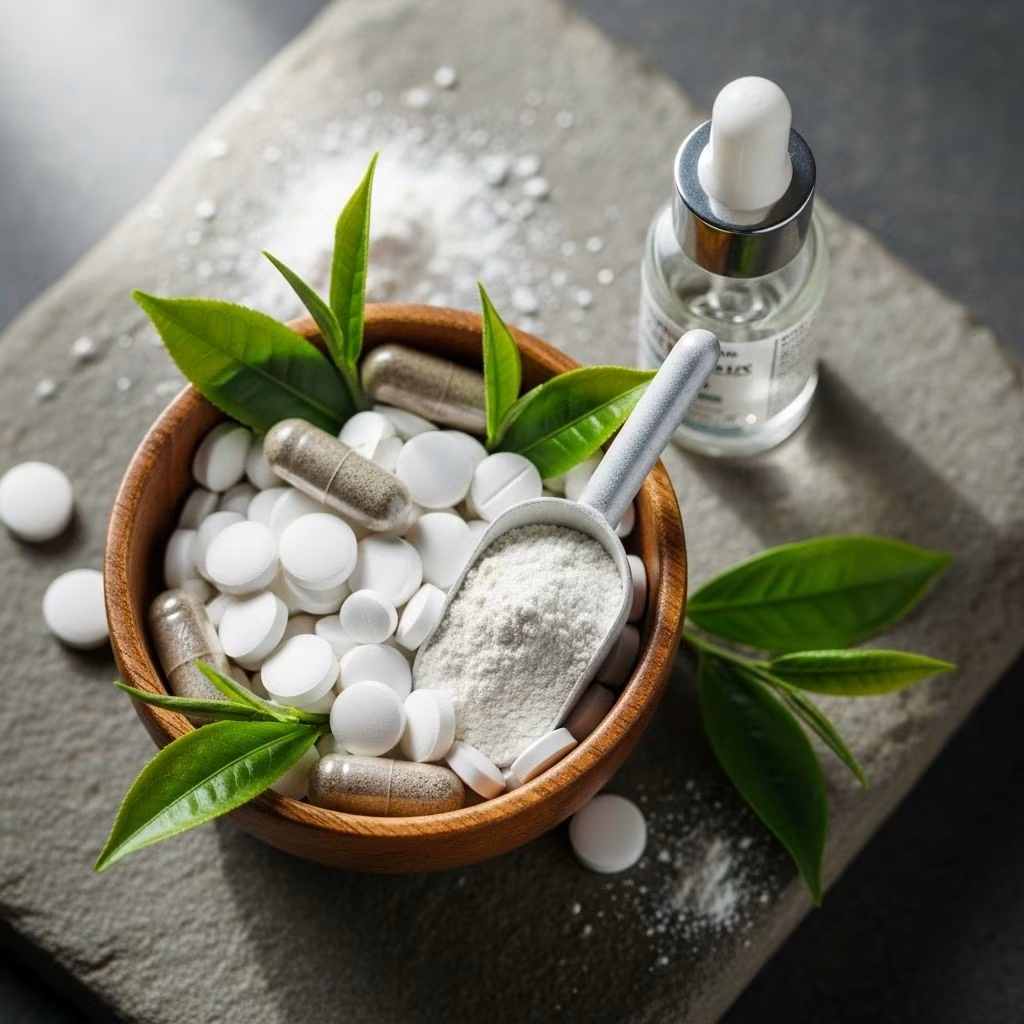
Zinc is a crucial mineral that plays a significant role in skin health, particularly in managing acne and controlling oil production. For years, zinc supplements have been used as a complementary treatment for acne due to their anti-inflammatory and antibacterial properties. In this article, we will delve into the effectiveness of zinc supplements for acne, their role in oil control, and other benefits they offer for skin health.
What is Zinc and How Does it Benefit Skin Health?
Zinc is an essential mineral that supports immune function and has anti-inflammatory properties, which can benefit various aspects of skin health. It is involved in cell turnover and wound healing, which helps in maintaining healthy skin. Moreover, zinc can fight off harmful bacteria and viruses, making it beneficial for conditions like acne and other inflammatory skin issues.
Zinc for Acne Treatment
Zinc has been extensively studied for its effectiveness in treating acne. Research indicates that acne patients often have lower serum zinc levels than those without acne, suggesting a potential link between zinc deficiency and acne severity. Zinc supplements, particularly zinc sulfate, have shown promise in reducing acne lesions by targeting inflammatory and bacterial forms of acne. Studies have demonstrated that oral zinc can decrease the number of papules, pustules, and other inflammatory acne lesions over time.
Effectiveness of Zinc in Acne Treatment
The effectiveness of zinc in acne treatment is attributed to its ability to:
- Reduce inflammation: Zinc’s anti-inflammatory properties help decrease the redness and swelling associated with acne.
- Control bacterial growth: Zinc has antibacterial effects, which can help combat the bacteria that contribute to acne development.
- Improve wound healing: By supporting tissue repair, zinc aids in the faster healing of acne lesions.
Zinc and Oil Control
Zinc not only helps in treating acne but also plays a role in regulating oil production in the skin. Acne is often associated with excessive sebum production, which can clog pores and lead to outbreaks. Zinc helps in reducing the amount of natural oil your skin produces, thereby preventing pore congestion and reducing the likelihood of new acne formations.
Types of Zinc Supplements for Acne
There are several types of zinc supplements available, each with varying effectiveness and absorption rates. The most commonly used forms include:
- Zinc Sulfate: This is often considered the most effective form for acne treatment due to its high bioavailability and absorption rate.
- Zinc Picolinate and Zinc Gluconate: These forms are also effective but may have lower absorption rates compared to zinc sulfate.
It is crucial to choose the right form and dosage of zinc to maximize its benefits for skin health.
Potential Side Effects and Precautions
While zinc supplements are generally safe, high doses can lead to side effects such as nausea, vomiting, and abdominal upset. It is recommended to start with a lower dose and gradually increase as needed. The recommended daily intake for treating acne is between 80 to 140 mg of elemental zinc. Always consult a healthcare professional before starting any new supplements.
Frequently Asked Questions (FAQs)
Q: How long does it take to see results from using zinc for acne?
A: You may start noticing improvements in acne symptoms within 6 to 8 weeks, with maximal effectiveness around 10 to 12 weeks.
Q: Can zinc supplements be used alone or with other treatments?
A: Zinc can be used as a monotherapy or as an adjunctive treatment alongside other acne medications. It is particularly effective when combined with antibiotic treatments for faster results.
Q: Are there any potential interactions with other medications?
A: Zinc can interact with certain medications, such as antibiotics and blood thinners. It is important to consult with a healthcare provider before starting zinc supplements if you are on any other medications.
Q: Can zinc supplements be used for all types of acne?
A: Zinc is particularly beneficial for inflammatory acne and can be effective for mild to moderate acne. However, for severe acne, combining zinc with other treatments may be necessary for optimal results.
In conclusion, zinc supplements offer a promising approach to managing acne and controlling oil production. By understanding the benefits and potential side effects, individuals can make informed decisions about incorporating zinc into their skincare routine.
References
- https://jamanetwork.com/journals/jamadermatology/fullarticle/536705
- https://pubmed.ncbi.nlm.nih.gov/32860489/
- https://drdavinlim.com/a-z-skin-care/zinc-skin-care/
- https://bodybio.com/blogs/blog/zinc-for-acne
- https://www.healthline.com/health/beauty-skin-care/zinc-for-acne
- https://www.medicalnewstoday.com/articles/zinc-for-acne
- https://pmc.ncbi.nlm.nih.gov/articles/PMC4120804/
- https://www.acnesupport.org.uk/treatment/zinc/


