5 Transformative Meditation Retreat Practices You Can Try at Home
Many people long for the unique sense of peace, clarity, and deep presence that a meditation retreat inspires. Yet, travel, time, or life responsibilities can make a formal retreat out of reach for many. The good news: you don’t have to journey far from home to reap the benefits of a retreat. By intentionally adopting retreat-inspired practices, you can bring that tranquility into your daily life—no mountain monastery or silent enclave required.
This article explores five effective meditation retreat practices you can easily try at home, weaving greater mindfulness, presence, and equanimity into your everyday routine.
1. Enjoy a Daily Meditative Meal (or Snack)
One of the hallmarks of most meditation retreats is the invitation to bring mindful attention to even the simplest acts—including eating. Meals on retreat are often silent or taken with minimal conversation, turning food into an opportunity for awareness and gratitude rather than a habitual rush.
To try this at home, set aside one meal or snack a day to practice the following:
- Pause before beginning: Take a few deep breaths. Notice the look, aroma, and colors of your food. Express gratitude for the effort and resources that brought it to your table.
- Eat slowly and attentively: Chew each bite deliberately, savoring textures and flavors. Try to put down your utensils between bites.
- Notice sensory details: Pay attention to sounds, temperatures, scents, and the experience of swallowing.
- Minimize distractions: Turn off electronic devices and avoid reading or multitasking during the meal.
- Check in with your body: Observe hunger and fullness cues, as well as any arising emotions or thoughts tied to eating.
This simple ritual transforms eating from an automatic routine into a restorative, meditative moment—nourishing body, heart, and mind.
2. Ground Yourself by Walking
Walking meditation is a core practice at many retreats, used to break up lengthy sitting sessions and foster a sense of rooted presence. Unlike brisk walking for exercise, meditative walking centers attention on the present moment and the body’s sensations as it moves.
Try the following steps to bring mindful walking into your daily routine:
- Choose a quiet path: Indoors or outdoors, select a stretch where you can walk undisturbed for several minutes.
- Stand for a moment: Take a few deep breaths. Feel your feet connect with the ground.
- Move with awareness: Walk slowly and naturally. Pay attention to how each foot lifts, moves, and lands. Notice weight shifts and the play of muscles.
- Focus on sensations: If your mind wanders, gently bring attention back to the physical experience of walking—contact, movement, balance.
- Integrate with nature (optional): If outside, soak in sounds, sights, air, and light, letting each sense anchor you to the moment.
A few mindful paces—even between rooms or on a short errand—can settle anxious thoughts and foster a more grounded, embodied presence throughout your day.
3. Befriend Yourself Through Self-Compassion
Retreats often encourage us to cultivate kindness and gentleness toward ourselves—in our meditation practice and in daily life. The truth is, frustration and self-criticism are common, especially for those new to mindfulness or facing emotional turbulence.
Integrating self-compassion at home can be transformative. Here’s how to start:
- Practice loving-kindness: In a quiet moment, close your eyes and silently repeat simple, kind phrases to yourself, such as, “May I be happy. May I be safe. May I be at ease.”
- Acknowledge difficult emotions: Notice when you feel stressed, sad, or restless. Rather than judging or pushing these feelings away, try saying to yourself, “This is hard, and it’s okay to feel this way.”
- Place a hand on your heart: Gentle touch can activate the body’s soothing response and reinforce care for yourself.
- Name your needs: Reflect on what you need in moments of difficulty—rest, reassurance, forgiveness—and offer them to yourself as you would to a dear friend.
Treating yourself with friendly presence doesn’t eliminate challenges, but it makes them easier to bear, turning each moment into an opportunity for healing and wholeness.
4. Periodically Let Go of Distraction
Silence and intentional digital disconnection are built into most retreat environments, allowing participants to release distractions and turn inward. While it may seem tough to unplug completely at home, even brief periods of deliberate silence and tech-free time can foster clarity and deep rest.
Bring this practice to your day with these suggestions:
- Create “sacred silent times”: Choose certain hours or moments in your day (such as the first 30 minutes after waking, or during lunch) when you refrain from conversations, phone use, and screens.
- Turn off notifications: Silence alerts and put digital devices out of reach as often as possible.
- Use visual cues: Place gentle reminders or visual prompts (like a sticky note or small object) in your space to re-center you when the tug of distraction grows strong.
- Embrace “mini-retreats”: Take 5-10 minute breaks throughout the day to sit quietly, breathe, and notice what’s happening inside without distraction.
Gradually, these intentional pauses from stimulation become an oasis—spaces for reflection and renewal that bring more conscious choice to your day.
5. Begin and End Each Day Mindfully
Retreats often start and end with group practice, setting a tone of presence and intention for the day. At home, you can re-create this rhythm by “bookending” your day with brief, structured mindfulness practices.
Some ideas to incorporate:
- Morning ritual: Upon waking, sit quietly for a few minutes. Tune into your body and breath. Set an intention for how you wish to move through the day (e.g., with kindness, focus, gratitude).
- Evening check-in: Before bed, reflect. Review your day with gentle awareness, noting moments of calm or reactivity without judgment. You might say, “Today I experienced…” and silently accept whatever arises.
- Gratitude practice: List three things, big or small, that you’re grateful for before sleep. This simple habit shifts awareness toward the positive and promotes restful sleep.
With just a few mindful minutes at the start and close of day, you reaffirm your intention to live with conscious reflection, reinforcing the essence of retreat.
Tips for Creating Your Own At-Home Meditation Retreat
To go deeper, you can create a more immersive at-home retreat experience—even if for just a day or a weekend. Here’s how to get started:
- Set a Clear Intention: Know why you’re dedicating this time and what you hope to experience or explore. A clear intention supports motivation and focus.
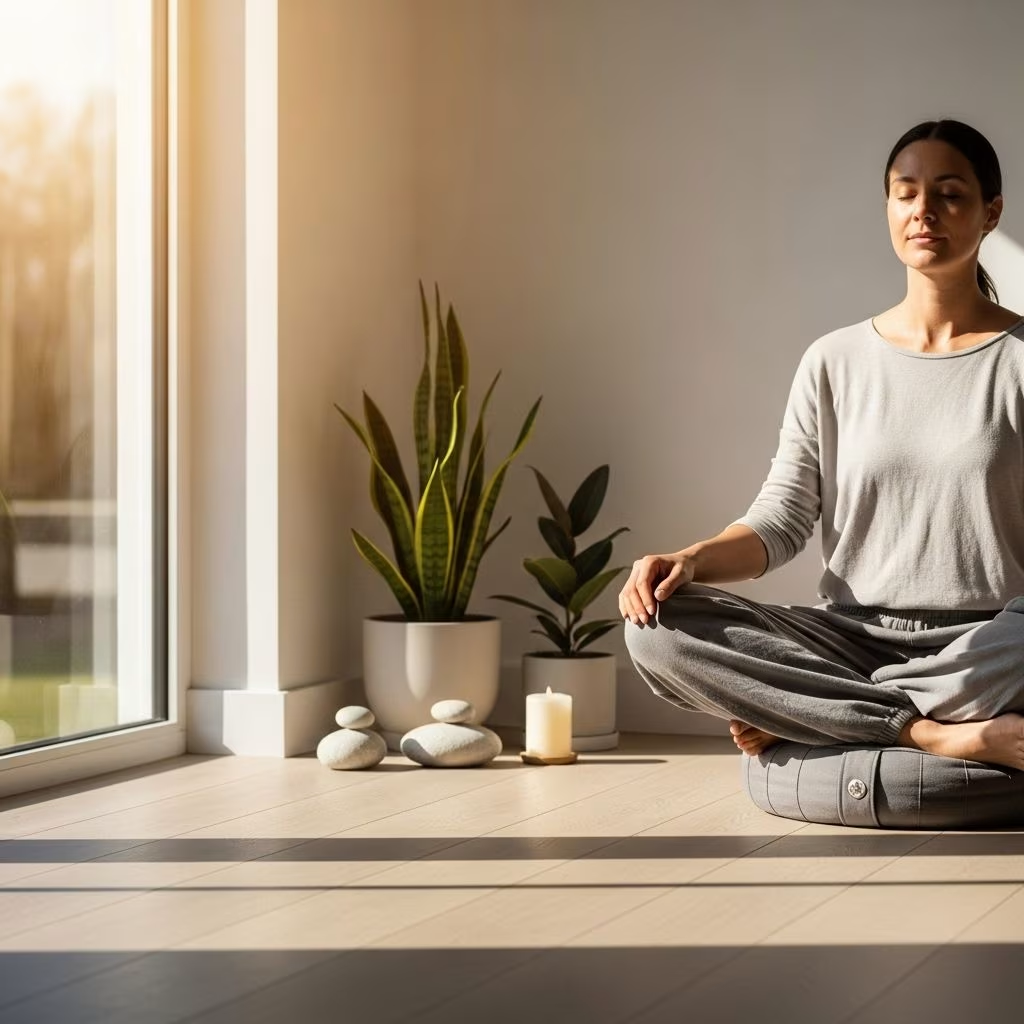
- Designate a Retreat Space: Find a quiet, comfortable place where you’ll meditate, eat, and rest with minimal interruptions. Prepare and tidy it, perhaps adding a candle or inspiring object.
- Run on a Retreat Schedule: Structure your day with alternating periods of sitting, walking, eating, journaling, or restorative movement. Retreats rely on a gentle yet intentional rhythm.
- Minimize Outside Engagements: Let others know you’ll be less available. Silence phone notifications and set boundaries to support your inner focus.
- Be Flexible and Kind: If your plans change or distractions arise, treat yourself with patience and return to your intention without self-judgment.
| Retreat Element | How to Replicate at Home |
|---|---|
| Dedicated Meditation Space | Choose a quiet corner, tidy it, add cushions or candles |
| Clear Structure | Set time blocks for each practice (e.g., meditation, walking, meals) |
| Silence Periods | Silence devices, set expectations with housemates |
| Mindful Eating | Take at least one meal slowly in silence or with full attention |
| Self-Reflection | Keep a journal nearby for insights and reminders |
The Lasting Benefits: Living Mindfully Beyond the Retreat
The magic of a retreat isn’t in the environment—it’s in a willingness to pause, notice, and relate differently to life’s moments. When you experiment with these five practices at home, you learn:
- To appreciate simple activities, like eating and walking, as opportunities for present-moment awareness
- To respond to yourself with more kindness and less harsh self-judgment
- To create regular, restorative breaks from habitual distraction
- To set intentions and reflect on your days to cultivate gratitude and growth
Each small step helps anchor a life less governed by reactivity and automatic pilot—and more guided by clarity, calm, and conscious care.
Frequently Asked Questions (FAQs)
Q: What if I can’t find a completely quiet space at home?
A: While total silence can be ideal, it’s not always possible. Use noise-cancelling headphones, soft background sounds, or simply bring gentle awareness to whatever sounds are present, using them as anchors rather than distractions.
Q: How long should I devote to these practices each day?
A: Start small—even one mindful meal or a 10-minute walking meditation can make a difference. The key is consistency: regular short practices build more benefit than sporadic, lengthy efforts.
Q: Do I need prior meditation experience to try these at-home retreat practices?
A: No. Each practice is accessible to both beginners and seasoned meditators. Focus on your direct experience and allow curiosity to guide you.
Q: Can I do an at-home retreat with others?
A: Absolutely. Family, housemates, or friends can be invited to join for some or all practices. Shared silent meals or group meditation can deepen connection and support.
Q: What should I do if my mind keeps wandering during practice?
A: Wandering minds are entirely normal. Gently notice the distraction, let go without frustration, and redirect your focus to the present moment—over and over. Each return is part of the practice.
References
- https://www.samadhi.org.uk/how-to-do-a-meditation-retreat-at-home-tips-and-best-practices/
- https://tricycle.org/article/at-home-retreat/
- https://tinybuddha.com/blog/5-meditation-retreat-practices-to-try-at-home-for-a-more-mindful-life/
- https://tinybuddha.com/blog/9-self-guided-meditation-courses-to-deepen-your-practice-and-supercharge-your-spiritual-growth/
- https://tinybuddha.com/blog/8-ways-to-make-meditation-easy-and-fun/
- https://tinybuddha.com/blog/three-unexpected-things-i-learned-at-a-silent-retreat/
- https://thebuddhistcentre.com/stories/toolkit/home-retreats/