The Best Air Purifiers for a Cleaner, Healthier Home in 2025
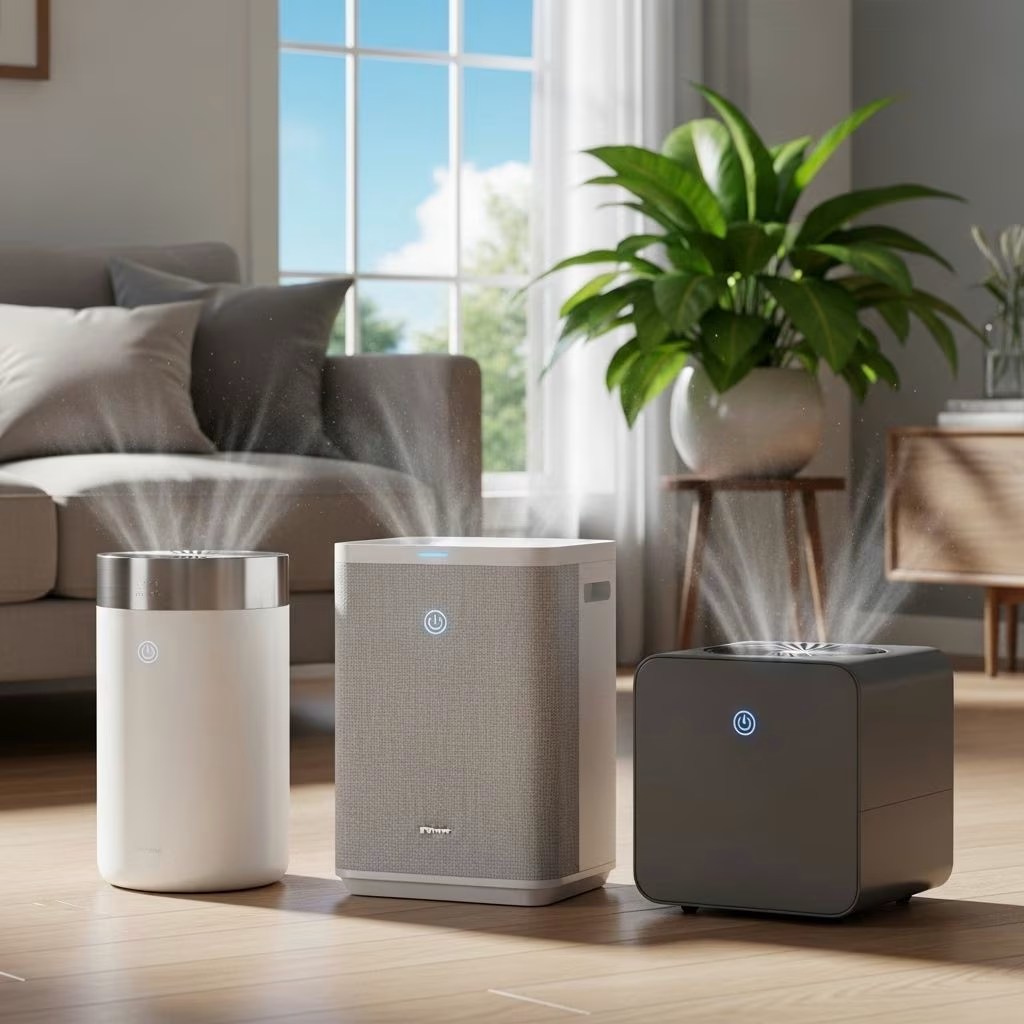
Indoor air quality is more important than ever for maintaining comfort and well-being at home. Whether you’re fighting allergens, pet dander, dust, smoke, or odors, a high-quality air purifier can make a dramatic difference. This guide reviews the best air purifiers of 2025, explores their key features, and offers expert insights to help you select the ideal device for your needs.
Why Air Purifiers Matter
Air purifiers use advanced filtration technologies to remove airborne contaminants, including:
- Dust and pollen – Major triggers for allergies and respiratory issues.
- Pet dander – Essential for households with cats or dogs.
- Smoke and cooking fumes – Important for kitchens or homes affected by wildfires.
- Odors and VOCs – Volatile organic compounds from paints, cleaning products, and furniture.
- Germs and mold spores – Crucial for families concerned about seasonal illness.
Choosing the right purifier depends on your room size, filtration needs, noise sensitivity, and budget.
How We Test Air Purifiers
Our recommendations are based on rigorous, real-world testing and expert lab reviews. We consider:
- Clean Air Delivery Rate (CADR) – Measures how rapidly a unit removes smoke, dust, and pollen from indoor air.
- Filtration Technology – HEPA, carbon, pre-filters, UV-C, ionization, and others.
- Ease of Use – Includes smart controls, app connectivity, maintenance, and filter swaps.
- Noise Level – Rated in decibels (dB) at different fan speeds.
- Value – Factoring purchase price, filter replacement, and energy usage.
Consumers also rate their devices for durability and owner satisfaction, confirming lab results with real-life experiences.
Top Air Purifiers of 2025
Below, we highlight leading air purifiers for different room sizes and needs, including detailed specifications and what stands out in testing.
Blueair Blue Pure 311i+ Max
- Best for Large Spaces & Rapid Cleaning
| Coverage Area | 456 sq ft recommended |
|---|---|
| Filtration | Washable fabric pre-filter + True HEPA |
| Noise Level | 23–50 dB |
| CADR | 300 (Smoke/Pollen/Dust) |
| Dimensions | 23.5″ x 14.5″ x 14.5″ |
| Weight | 12 lbs |
| Smart Features | WiFi, app control, standby mode |
This model earns top marks for its fast and effective multi-level filtration, easily removing contaminants of all sizes—including pet hair, dust mites, cooking fumes, and pollen. It is notably quiet, even at higher speeds, and smart controls let you schedule use and monitor air quality remotely. The washable pre-filter catches larger debris, reducing maintenance costs. It is ideal for medium to large rooms but may not suit very expansive spaces. Owners consistently rate Blueair as reliable for long-term use.
NuWave OxyPure
- Best for Allergy Sufferers & Cost Savings
| Coverage Area | Large rooms (see product details) |
|---|---|
| Filtration | 5-stage (washable pre-filter, Bio-Guard, ozone, HEPA, activated carbon) |
| Special Features | Washable filters (20-year lifespan except HEPA/carbon), auto-mode, app control |
This premium purifier delivers strong particle filtration with impressive CADR ratings. Its multi-stage system features several washable/reusable filters—cutting recurring expenses substantially. Only the HEPA/carbon needs annual replacement, saving money over time. Ideal for pet homes, allergies, or mold concerns, it adjusts fan speed automatically using built-in particle sensors. The app enables remote monitoring and scheduling. It’s quieter at low settings but gets louder at higher speeds.
Levoit Vital 200S
- Best Value & Performance for Most Homes
| Recommended Room Size | 343 sq ft |
|---|---|
| Filtration | True HEPA, activated carbon, pre-filter mesh |
| Extra Tech | PlasmaWave bipolar ionization (optional) |
| Noise Level | 35–62.5 dB (varies by speed) |
| Filter Life | 12 months |
| Energy Cost | Est. $47/year |
| Yearly Filter Cost | $79.99 |
A versatile pick for medium spaces or bedrooms. The Vital 200S is effective against smoke, dust, pollen, and pet-related pollutants. PlasmaWave ionization boosts cleaning (and is safe for ozone-sensitive households). Easy-to-replace filters and simple controls make it popular with consumers. Reasonable running costs, solid warranty, and reliable build make it a go-to choice for value-focused buyers.
Honeywell AirGenius 5 HFD-320
- Lowest Maintenance Costs
| Coverage | Medium-sized rooms |
|---|---|
| Main Filter | Washable (no costly replacements) |
| Annual Cost | $88 |
Honeywell’s AirGenius 5 is one of the rare models with a washable primary filter, saving hundreds over years of use. It scores well in smoke and dust removal, particularly at higher speeds (at the expense of increased noise). Owner satisfaction is mixed—some wish for more power or quieter operation, but reliability is above average, making this a good choice for budget-minded users.
Bissell Basic Air Purifier
- Best Basic Model for Pet Owners
This affordable air purifier punches above its weight for pet dander and odors, offering solid performance for smaller spaces. While it lacks advanced smart and filtration features, it impresses on value and simplicity. Ideal for those seeking straightforward operation without paying for premium extras.
Other Noteworthy Models and Tips
- Dyson Purifier Big+Quiet Formaldehyde BP04/BP03: Ultra-quiet operation, but lower clean air delivery rate than top picks.
- Whole-Home Filtration: High-efficiency whole-house systems and portable HEPA models prove effective; low-efficiency filters do not.
Choosing the Right Air Purifier
When selecting an air purifier, consider:
- Room Size – Match the purifier’s coverage area to your intended space for best results.
- Filter Type – True HEPA catches particles down to 0.3 microns; activated carbon is essential for odors/VOCs.
- Maintenance – Factor in how often filters need cleaning or replacement and relative costs.
- Smart Features – WiFi, auto-sensors, and smart apps improve ease of use and efficiency.
- Noise Level – Bedroom and nursery models should be under 40 dB in sleep mode.
- Owner Satisfaction – Real-world reviews, warranties, and customer service matter for long-term peace of mind.
Key Filtration Technologies Explained
- Pre-filter: Captures larger debris (fur, dust), prolonging primary filter life.
- True HEPA: Removes ≥99.97% of microscopic particles as small as 0.3 micron—crucial for allergies and smoke.
- Activated Carbon: Absorbs odors and volatile organic compounds (VOCs), tackling chemical smells and kitchen fumes.
- UV-C/Bio-Guard: Targets germs, bacteria, and mold spores for added protection.
- Ionization/Plasma: Charges particles for more effective trapping, but may not suit ozone-sensitive environments.
Comparative Feature Table
| Model | Best For | Coverage | Filtration Type | Notable Features | Yearly Filter Cost | Noise Level |
|---|---|---|---|---|---|---|
| Blueair Blue Pure 311i+ Max | Large rooms | 456 sq ft | HEPA, washable pre-filter | WiFi, app, standby mode | $50 | 23–50 dB |
| NuWave OxyPure | Allergy/Pet homes | Large spaces | Multi-stage (5) | Washable filters, app, auto-mode | HEPA only annually | Low to moderate |
| Levoit Vital 200S | Most homes | 343 sq ft | HEPA, carbon, optional ionization | Quiet; easy maintenance | $79.99 | 35–62.5 dB |
| Honeywell AirGenius 5 | Low maintenance | Medium rooms | Washable filter | Low annual costs | None (washable) | Low/medium |
| Bissell Basic | Budget, pet dander | Small rooms | Standard HEPA | Simple operation | Low | Quiet to moderate |
Tips for Better Air Quality at Home
- Locate purifiers centrally and away from obstructions for best airflow.
- Change or clean filters as recommended (typically every 6–12 months).
- Consider running units on high speed after heavy cleaning or cooking, then switch to low for daily use.
- Pair portable air purifiers with regular dusting, vacuuming, and ventilation.
- Use smart features to schedule operation when air quality is typically poorest (e.g., mornings, after cooking, or during allergy seasons).
Frequently Asked Questions (FAQs)
How often should I replace air purifier filters?
The frequency depends on model and usage. True HEPA and carbon filters typically last 6–12 months, while some pre-filters and advanced models offer washable or reusable options. Always follow manufacturer instructions.
Do air purifiers help with allergies?
Yes—HEPA models are highly effective at removing allergens such as pollen, dust, and pet dander, often providing clear benefit for allergy sufferers and asthmatics.
Can air purifiers remove odors and smoke?
Purifiers with activated carbon filters are best for absorbing odors and smoke. Look for models with strong CADR ratings for smoke if you have specific concerns.
Are air purifiers safe for homes with pets and children?
Yes, most air purifiers are designed with safety in mind. Avoid units with ozone or ionization features in sensitive environments, or choose models where these functions can be disabled.
Will running a purifier increase my electricity bill?
Modern purifiers are energy-efficient. Expect roughly $30–$60 in annual electricity costs, but high-efficiency or smart models can help minimize usage with features like standby mode and auto-sensing.
Summary: Find The Perfect Air Purifier for Your Needs
The best air purifier for your home depends on your unique needs: coverage area, main pollutants (allergens, pet dander, smoke), desired features (smart controls, washable filters), and budget. Premium models excel in all categories, while value picks still offer impressive cleanliness. By referencing lab-tests, expert advice, and consumer feedback, you can invest in a device that delivers fresher, healthier air for years to come.
References
- https://www.goodhousekeeping.com/appliances/air-purifier-reviews/g22866172/best-air-purifiers/
- https://www.rtings.com/air-purifier/reviews/best/air-purifiers
- https://housefresh.com/best-air-purifiers-we-tested/
- https://www.consumerreports.org/appliances/air-purifiers/best-air-purifiers-of-the-year-a1197763201/
- https://www.langdimould.com/blog/the-6-best-air-purifiers-for-pets-tested-by-bhg
- https://pmc.ncbi.nlm.nih.gov/articles/PMC3165134/