The Best C Batteries for Every Device in 2025: Comprehensive Guide
C batteries, also known as C cell batteries, remain a popular power source for many medium-drain and high-drain devices found in homes, workplaces, and outdoors. While AA and AAA batteries are more common overall, C batteries provide higher capacity and longer-lasting performance, making them crucial for devices like flashlights, radios, toys, and some medical equipment. With so many brands and battery chemistries available today—ranging from affordable long-life alkalines to high-performance lithiums and eco-friendly rechargeables—choosing the best C battery for your needs can be confusing. This comprehensive guide explores different battery types, reviews the top-rated C batteries for 2025, and answers your most frequently asked questions.
Quick Summary: Our Top Picks for 2025
- Best Overall: Energizer Industrial Alkaline C Batteries
- Best Value: Amazon Basics C Cell Batteries
- Best for High-Drain Devices: Rayovac Fusion Alkaline C Batteries
- Best Eco-Friendly Option: Tenergy Centura NiMH Rechargeable C Batteries
- Best for Long-Term Storage: Panasonic Super Heavy Duty C Batteries
- Honorary Mention: Impecca Platinum Series C Batteries
What Are C Batteries and Why Choose Them?
C batteries are cylindrical single-cell batteries, usually measuring about 50 millimeters (1.97 inches) in length and 26.2 millimeters (1.03 inches) in diameter. Their substantial capacity—often between 6,000 and 8,000 mAh for standard alkaline cells—makes them ideal for powering devices that need steady, reliable energy over extended periods.
Key features include:
- Voltage: 1.5V (alkaline and lithium), similar to AA and D batteries but with higher capacity
- Shape: Cylindrical, ensuring compatibility with most mid-sized electronics
- Long-lasting: Excellent for medium-to-high drain devices needing sustained power
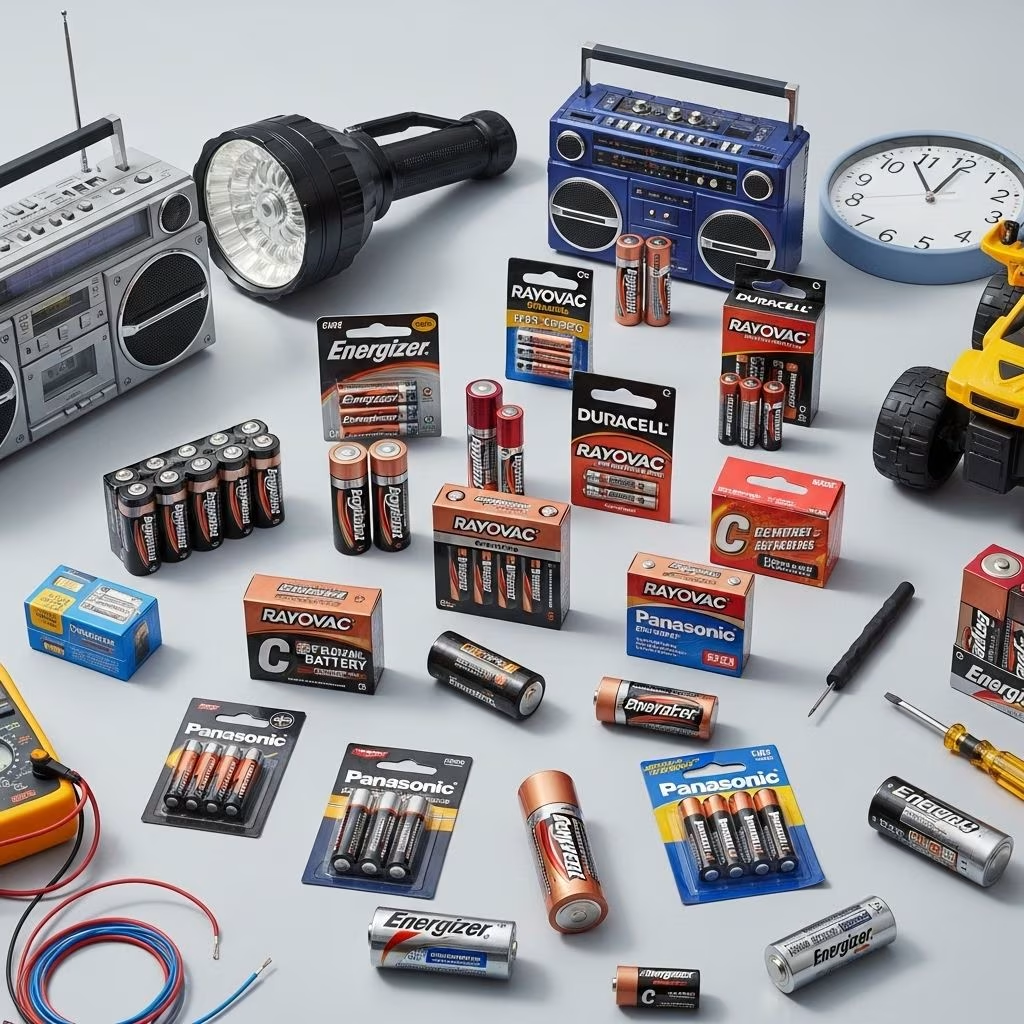
Most Common Uses for C Batteries
- Flashlights and lanterns: For consistent illumination during emergencies and outdoor trips
- Radios and portable speakers: Steady power for uninterrupted audio
- Toys and motorized gadgets: Hours of high-powered play
- Medical devices: Reliable performance for monitors and specialized tools
- Some clocks and larger household devices
Types of C Batteries: What’s the Difference?
Understanding the three main types of C batteries is crucial before purchasing. Each has unique pros and cons based on chemistry, lifespan, and cost.
| Type | Cost | Rechargeable | Leakage Risk | Best For |
|---|---|---|---|---|
| Alkaline | Low | No | Moderate | Occasional use, moderate-drain devices |
| Lithium | High | No | Low | High-drain, long-term use, emergencies |
| NiMH (Rechargeable) | High | Yes | Low | Frequent use, eco-conscious users |
1. Alkaline C Batteries
Alkaline C batteries are the most widespread, offering a balance of price, energy capacity, and shelf life (often up to 10 years). They are disposable and provide solid performance for most household devices. Look for reputable brands for better leak resistance and consistent power.
2. Lithium C Batteries
Lithium C batteries excel in high-drain applications and extreme conditions. They’re less likely to leak, offer a longer shelf life, and maintain steady voltage output even as they near depletion. However, they are pricier and harder to find than alkalines.
3. Rechargeable NiMH C Batteries
Nickel-metal hydride (NiMH) C batteries can be recharged hundreds of times, reducing waste and long-term costs. Ideal for daily-use devices like lanterns and radios, they require an appropriate charger and generally have a slightly lower initial voltage (1.2V), though real-world usage is similar. Their upfront cost is higher, but eco-friendly users will appreciate the savings and reduced landfill contribution.
How to Choose the Best C Battery for Your Devices
The right battery depends on your device, usage frequency, and long-term needs. Here are key considerations:
- Device Requirements: High-drain devices (power-hungry toys, radios, lanterns) benefit from higher capacity or lithium options. For seldom-used items, alkaline is typically sufficient.
- Cost vs. Value: Rechargeable batteries cost more initially but are cheaper in the long run. For emergencies, non-rechargeable batteries with a long shelf life are best.
- Replacement Frequency: How often will you realistically replace or recharge batteries? For frequent users, rechargeables are a great investment.
- Environmental Impact: If sustainability matters, opt for NiMH rechargeables and ensure proper recycling of depleted batteries.
- Manufacturer Guidelines: Always check your device’s manual for recommended battery type.
Top 5 Best C Batteries of 2025: Detailed Reviews
Based on expert recommendations, user reviews, and consistent reliability, here are the best C batteries you can buy in 2025:
1. Energizer Industrial Alkaline C Batteries
- Type: Alkaline
- Pack Sizes: 12, 24, 36, 48
- Strengths:
- Superb shelf life (up to 10 years)
- Designed for commercial and everyday use
- Reliable performance in high and low drain devices
- Leak-resistant construction
- Ideal for: Flashlights, toys, radios, medical equipment
2. Amazon Basics C Cell Batteries
- Type: Alkaline
- Pack Sizes: 12, 20, 36
- Strengths:
- Affordable without sacrificing quality
- 6,000+ mAh capacity
- 10-year shelf life
- Resistant to leaks and suitable for bulk purchase
- Ideal for: General home devices, emergency kits, toys
3. Rayovac Fusion Alkaline C Batteries
- Type: Alkaline
- Pack Sizes: 4, 8, 12
- Strengths:
- Exceptional performance in high-drain applications
- Up to 10 years of power in storage
- Known as “#1 value brand” worldwide
- Leakproof design
- Ideal for: Flashlights, camping lanterns, toys, stereos
4. Tenergy Centura NiMH Rechargeable C Batteries
- Type: Rechargeable NiMH
- Pack Sizes: 4, 8
- Strengths:
- Up to 2,000 charge cycles
- Low self-discharge (holds power for up to 12 months unused)
- Eco-friendly and cost-effective long term
- Strong output even in demanding devices
- Ideal for: Frequent-use electronics, professional settings, sustainability-conscious users
5. Panasonic Super Heavy Duty C Batteries
- Type: Zinc-carbon (heavy duty)
- Pack Sizes: 4, 8, 24
- Strengths:
- Excellent shelf life for infrequently used devices
- Affordable for bulk buying
- Ideal for: Clocks, low-drain electronics, backups
6. Impecca Platinum Series C Batteries
- Type: Premium Alkaline
- Pack Sizes: 12, 24
- Strengths:
- Long-lasting energy and reliability
- Consistent output for both high and low-drain devices
- Ideal for: Flashlights, radios, toys, clocks
Proper C Battery Usage and Care
To maximize the efficiency and extend the lifespan of your batteries, follow these essential battery care tips:
- Storage: Keep batteries in a cool, dry place away from direct sunlight. Avoid extreme hot or cold temperatures, which degrade performance.
- Disposal: Do not throw batteries in the trash. Use designated recycling centers or programs for both single-use and rechargeable types.
- Avoid Mixing: Never mix old with new batteries or different chemistries. Replace all batteries in a device at the same time to prevent leaks.
- Check Expiry Dates: Always use batteries before their expiration for optimal performance.
- Device Suggestions: Remove batteries if storing devices long-term without use to avoid leakage.
Frequently Asked Questions (FAQs) About C Batteries
Q: How long does a C battery typically last in a device?
A: Battery life depends on the type of device, battery chemistry, and usage frequency. In general, alkaline C batteries can last anywhere from several days in high-drain gadgets (like powerful flashlights) to several months in low-drain devices (such as clocks or radios). Rechargeable NiMH C batteries can be used hundreds of times, offering years of service with proper care.
Q: Are C batteries interchangeable with other sizes such as AA or D batteries?
A: While C, AA, and D batteries operate at the same voltage (1.5V for primary types), they differ in physical size and capacity. Adapters can sometimes be used to fit smaller batteries into C compartments, but this may impact device performance and runtime.
Q: Can I mix rechargeable and non-rechargeable C batteries in the same device?
A: No, mixing different battery chemistries can cause uneven discharge rates, leaks, or damage to your device. Always use the same type and brand within a device for optimal safety and longevity.
Q: What’s the best way to store C batteries long-term?
A: Store batteries at room temperature in a dry environment, ideally in their original packaging. Keeping them in a fridge or freezer is not necessary and can cause condensation issues.
Q: Are there eco-friendly options for C batteries?
A: Yes! Rechargeable NiMH C batteries are the most eco-friendly option available, as they dramatically reduce battery waste over their lifetime. Remember to recycle them responsibly at end of life.
Expert Buying Tips for C Batteries
- For occasional use (emergency flashlights, radios): Invest in high-quality alkaline or lithium batteries with a long shelf life so they’re ready when needed.
- For frequent use: Choose NiMH rechargeables to save money and reduce waste. Make sure you have a compatible charger.
- Always buy from trusted retailers—counterfeit batteries are a growing concern and may leak, underperform, or even damage your devices.
- Compare bulk pricing: Batteries are often cheaper per unit in larger packs, especially for brands like Amazon Basics or Impecca.
- Check warranty and satisfaction guarantees before buying, especially for rechargeable batteries.
Summary Table: Top C Batteries of 2025
| Brand | Chemistry | Rechargeable | Best Use |
|---|---|---|---|
| Energizer Industrial | Alkaline | No | All-purpose, commercial, long shelf life |
| Amazon Basics | Alkaline | No | Bulk home use, toys |
| Rayovac Fusion | Alkaline | No | High-drain devices |
| Tenergy Centura | NiMH | Yes | Frequent use, eco-friendly |
| Panasonic Super Heavy Duty | Zinc-carbon | No | Low-drain, storage |
| Impecca Platinum Series | Alkaline | No | All-purpose, reliability |
How to Dispose of and Recycle Old C Batteries
Always recycle batteries rather than tossing them in household trash. Most cities offer recycling programs for both alkaline and rechargeable batteries. Many electronics stores also accept used batteries for safe recycling. Check local regulations and use official drop-off sites to help the environment and prevent improper disposal.
Conclusion: The Right Power for Every Situation
With advanced chemistry and reputable brands, today’s C batteries serve nearly every need—from powering emergency flashlights to fueling kids’ favorite toys and backing up essential medical devices. By picking the right battery type, handling them responsibly, and recycling old cells, you ensure safe and efficient use while caring for the environment.
References
- https://www.batterypkcell.com/news/discover-the-best-c-battery-options-for-your-devices/
- https://www.youtube.com/watch?v=fW39HpAZlJs
- https://www.lowes.com/pl/batteries/c-batteries/top-rated/3637070986-5007197
- https://shopclassla.com/best-rechargeable-batteries/
- https://www.batteryproducts.com/BestBatteries/CBatteriesFlashlights