Shore Up Your Emergency Kit: The Smart Choice of Flashlights and Headlamps
When it comes to emergency preparedness, reliable lighting is an absolute necessity. Unexpected situations like power outages, natural disasters, or simply venturing into the wilderness require dependable gear that performs when you need it most. In this guide, we detail why lighting matters in emergencies, core features to look for, and our top picks for flashlights and headlamps to suit every need and budget.
Why Lighting Is Essential in Any Emergency Kit
Whether you’re assembling a home emergency kit, prepping your car for roadside incidents, or packing for your next camping trip, lighting is a cornerstone of safety and functionality. The right flashlight or headlamp can help you:
- Navigate unfamiliar or hazardous terrain in darkness
- Signal for help or alert others to your presence
- Perform critical tasks, from first aid to equipment repairs
- Reduce injury risk during power failures or evacuations
- Stay calm and oriented in stressful situations
Experts recommend every emergency essentials kit includes at least one flashlight or headlamp, plus spare batteries or backup power options. Prioritize lighting solutions that are durable, efficient, and versatile.
Top Flashlights for Emergency Kits
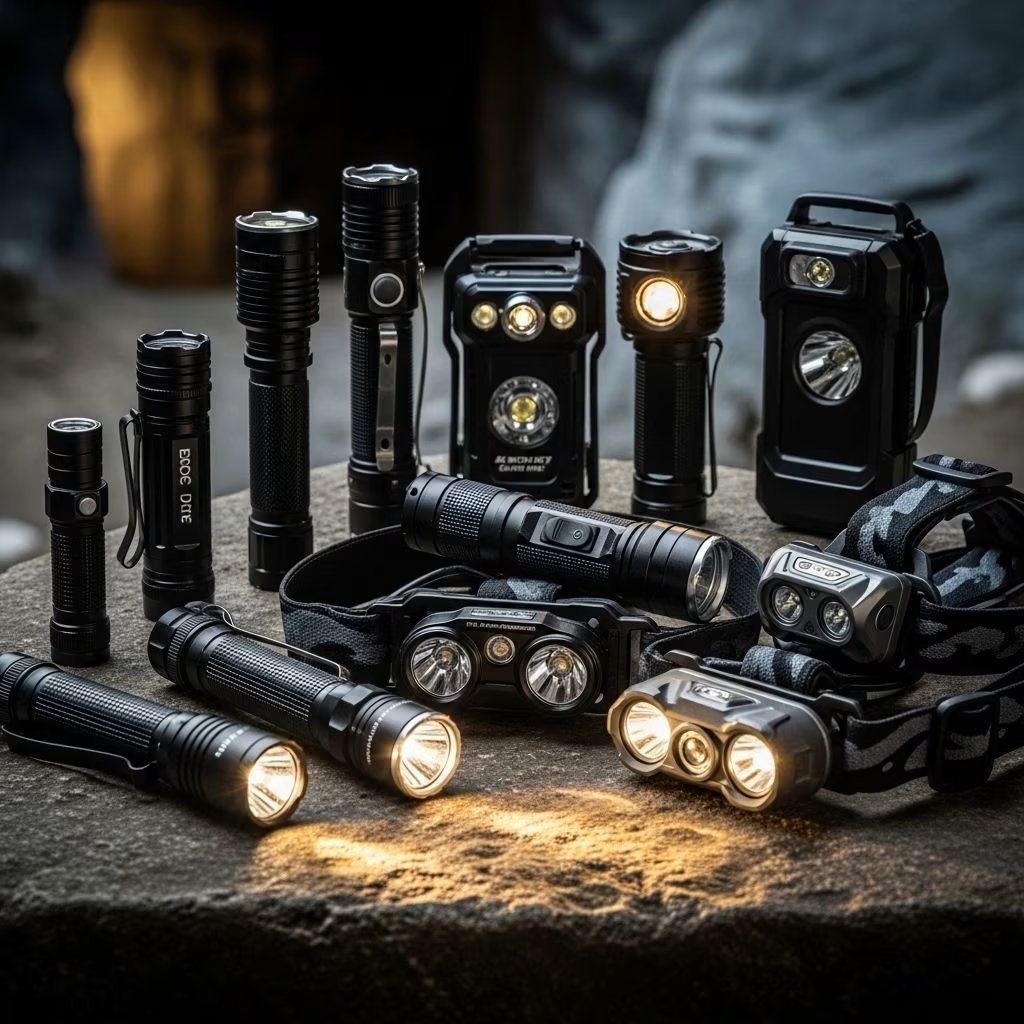
Choosing the right flashlight isn’t just about brightness—it’s about runtime, reliability, ruggedness, and ease of use. Here are our top picks, each tested for responsive performance in real emergency situations.
1. Rechargeable EDC Flashlights
Modern flashlights offer impressive output and advanced features, designed for both everyday carry and emergency deployment. Our top recommendations:
- PD25R Rechargeable EDC Flashlight: Compact yet powerful, this flashlight boasts up to 800 lumens and a beam distance of 250 meters. A rechargeable battery means you’re not reliant on disposable cells, while the anti-roll and anti-slip design makes it easy and safe to handle in stressful scenarios. An included body clip offers convenient attachment to clothing or packs, making it ideal for both home use and travel .
- LED options from reputable brands often offer water resistance, impact protection, and multiple lighting modes for signaling or conserving power during long blackouts.
2. Traditional Battery-Powered Flashlights
While rechargeable lights are gaining in popularity, battery-powered models remain a staple due to the widespread availability of AA, AAA, or D-cell batteries in emergencies.
- Choose models rated for extended battery life in low-power modes.
- Look for waterproof and shockproof construction for resilience.
- Carry spare batteries stored in a waterproof pouch.
Must-Have Headlamps for Emergencies
Headlamps are invaluable for freeing your hands, which is crucial for tasks like carrying loads, administering first aid, or making repairs. Here’s what makes them indispensable—and which models shine brightest in crisis scenarios.
Choosing a Reliable Headlamp
- Hands-free illumination: Essential for safety and multitasking.
- Wide beam and adjustable angles: Lets you see your work area and surrounding hazards.
- Multiple light modes: High-beam for signaling, low-beam for reading or conserving power, and emergency strobe/SOS features.
- Durable, water-resistant housing: Ensures long-term performance even in harsh conditions.
Top Headlamp Picks
- HM50R V2.0 Rechargeable Headlamp: Packs an impressive 700 lumens into a compact shell, with a durable aluminum body and a secure, comfortable headband for extended wear. The lamp detaches easily, converting into a mini right-angle flashlight for added utility.
- HM61R V2.0 Rechargeable Headlamp: Designed for demanding conditions, this headlamp features a top output of 1600 lumens, multiple lighting modes, and a high-capacity rechargeable battery for up to 300 hours of runtime on eco mode. Quick USB charging ensures you’re ready for prolonged emergencies or fieldwork .
- Other contenders—such as the ThruNite TH20 Pro and Liteband ACTIV 400—offer custom light profiles for different tasks, from broad-area illumination for campsite chores to concentrated beams for search and rescue .
Lanterns and Area Lighting Options
Lanterns and area lighting serve a unique role when you need to illuminate an entire room, tent, or worksite, particularly in communal settings or family emergencies.
- Rechargeable lanterns are now available in ultra-compact designs with hanging hooks or magnetic bases.
- Battery backup ensures continued lighting even if power sources are limited.
- Many LED lanterns offer adjustable brightness for up to 100+ hours on low settings—perfect for prolonged outages.
- Some headlamps can double as lanterns when wrapped around water bottles, diffusing light evenly in all directions .
What to Look For: Essential Lighting Features
| Feature | Why It Matters |
|---|---|
| Brightness (Lumens) | Dictates ability to see and signal; 100–800 lumens fits most needs |
| Battery Life & Power Source | Rechargeable for sustainability; alkaline for easy replacement |
| Durability | Water and drop resistance guards against harsh conditions |
| Size & Weight | Compact, lightweight designs travel easily in kits or pockets |
| Mounting/Attachment | Body clips, headbands, or magnets for versatile use and storage |
| Emergency Modes | Strobes or SOS signals can attract help or warn others |
| Hands-Free Capability | Critical for multitasking and safety—found in all quality headlamps |
How to Use Your Emergency Lighting Most Effectively
To maximize the value and runtime of your lighting gear during outages or emergencies:
- Check and charge your lights regularly—build this into your emergency readiness routine.
- Store backup batteries in waterproof packaging within your kit.
- Use high or turbo modes only briefly to preserve energy; rely on low- and mid-level beams for prolonged use.
- Take advantage of headlamps’ adjustable angles for tasks from reading maps to checking for hazards underfoot.
- In shared spaces, area lanterns provide safety and comfort for all occupants.
- Test all equipment ahead of time to avoid surprises—the middle of a blackout is not when you want to discover a defective switch or dead LED.
Other Emergency Kit Lighting Essentials
- Small notepad and waterproof pen for documentation.
- Waterproof matches and candles for backup light and fire-starting.
- Solar chargers or hand-crank generators to replenish rechargeable lights and devices.
- Whistle, signal mirror, and reflective tape can aid in attracting attention alongside your flashlight.
- Maps, a basic first aid kit, personal medications, and spare keys round out a comprehensive emergency kit .
Frequently Asked Questions (FAQ)
What’s the difference between a flashlight and a headlamp?
Flashlights provide directional, hand-held light ideal for signaling and scanning. Headlamps let you work hands-free and are designed for direct tasks or navigation in the dark, particularly beneficial in emergencies when multitasking is crucial .
How bright should my emergency light be?
Most emergency needs are met with 100–300 lumens for headlamps and 300–800 lumens for flashlights. Higher outputs may help with signaling, but more brightness quickly drains batteries. Prioritize models with multiple brightness settings for flexibility.
Should I choose rechargeable or battery-powered lights?
Rechargeable models save money and generate less waste, and they can be topped up by car USB ports, portable power banks, or solar panels. However, always have a backup—whether extra batteries or a secondary light source—since charging may not always be possible during extended emergencies .
Can one light serve multiple purposes?
Yes. Some headlamps detach to become pocket flashlights, and both flashlight and headlamp beams can be diffused through water bottles or containers to create lantern-style area lighting. Several models come with clips, magnets, or removable bands to increase versatility .
How do I maintain my emergency lights?
Store lights in easily accessible places—check and recharge or replace batteries at least every three months. Test each light before travel or storms, and keep your kit in a familiar location known by all household members .
Conclusion: Don’t Get Left in the Dark
Upgrading your emergency kit with reliable, quality lighting solutions boosts both your safety and confidence in any crisis. By prioritizing flashlights and headlamps featuring long runtimes, durable builds, and versatile mounting or modes, you’ll be better prepared for everyday outages, outdoor adventures, and unexpected disasters.
Pack smart, check your gear regularly, and stay illuminated—no matter what challenges you face.