The Best Pressure Washers for Every Cleaning Task: 2026’s Top Picks
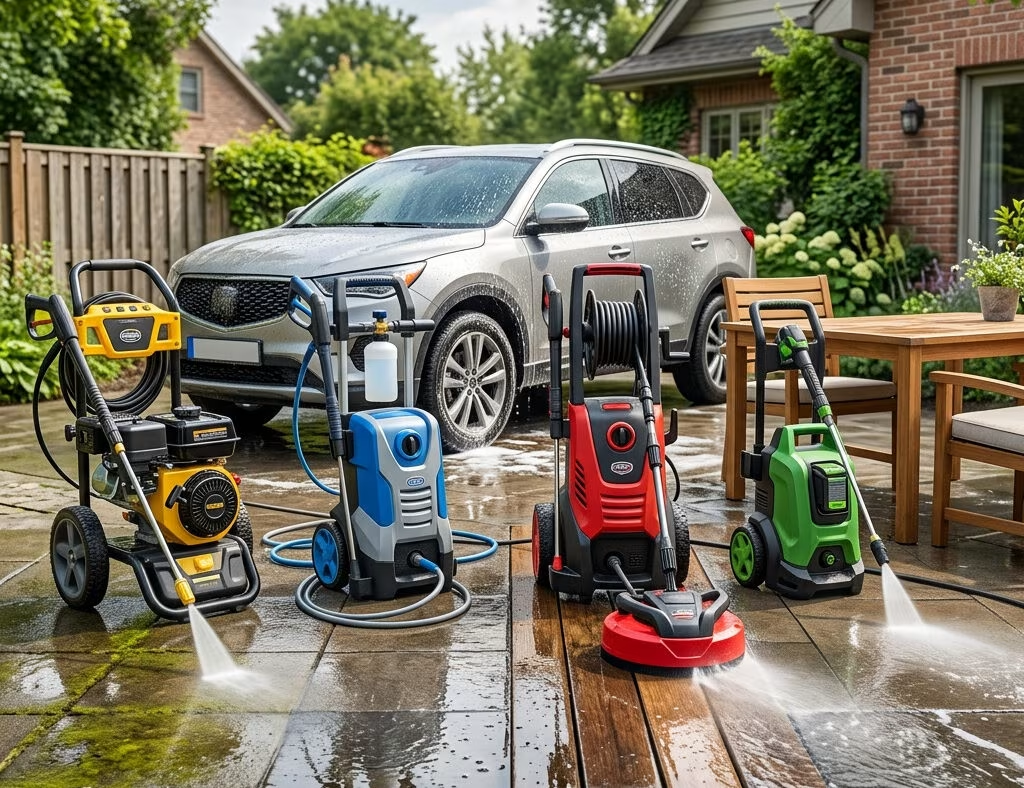
If you’re ready to take your outdoor cleaning game up a notch, a pressure washer is your secret weapon. Whether you need to refresh your deck, blast grime off your driveway, or quickly clean patio furniture, the right pressure washer saves hours of scrubbing and delivers deep, satisfying results. From portable electric models to high-powered gas units, our comprehensive 2026 guide covers the market’s best tools for every budget and task.
Why Invest in a Pressure Washer?
Pressure washers pack powerful cleaning energy by forcing water through a narrow nozzle at high speed. Compared to traditional hoses, they use less water and deliver radically more cleaning force. Key benefits include:
- Versatility: Handles jobs from car washing to stripping paint and removing moss from concrete.
- Efficiency: Cuts hours of effort to minutes—even tough, stuck-on dirt disappears fast.
- Water Savings: Uses up to 80% less water than garden hoses for the same tasks.
How We Chose the Best Pressure Washers
To create this guide, we examined performance metrics such as PSI (pounds per square inch) and GPM (gallons per minute)—the key indicators of cleaning power. We also researched user friendliness, durability, included accessories, and real-world reviews. Both electric and gas-powered models are represented, ensuring there’s an ideal solution for every homeowner.
Best Pressure Washers of 2026
1. Best Overall: Westinghouse WPX3200 Gas Pressure Washer
The Westinghouse WPX3200 stands out as the top pressure washer of 2026, according to extensive performance testing and user reviews. Its 3200 PSI output and 2.5 GPM flow make quick work of driveways, patios, siding, and more.
- Power Type: Gas
- Cleaning Power: 3200 PSI / 2.5 GPM
- Features: Durable steel frame, ergonomic spray gun, onboard detergent tank, and five quick-connect nozzles
- Best For: Homeowners seeking professional-grade performance
Users report exceptional cleaning efficiency, reliable cold starts, and sturdy maneuverability thanks to the 12-inch never-flat wheels. The high cleaning unit score means it can tackle everything from mud-caked SUVs to mildew-coated decks with ease.
Source: Tech Gear Lab testing
2. Best Budget Electric: LWQ S5 Portable Electric Pressure Washer
If affordability and ease of use top your list, the LWQ S5 is a top choice among electric models. Though offering lower pressure than gas units, its portability and wallet-friendly cost make it a favorite for light-duty cleaning.
- Power Type: Electric
- Cleaning Power: ~1500 PSI / 1.2 GPM
- Features: Adjustable nozzle, built-in soap dispenser, lightweight construction
- Best For: Apartment dwellers, cars, outdoor furniture, and patios
Many users appreciate its quiet engine, compact storage, and included accessories. While it isn’t made for heavy-duty tasks, it’s more than capable for most household cleaning jobs at a fraction of the price of premium models.
Source: Tech Gear Lab
3. Best High-Powered Gas Model: Westinghouse WPX3400
The Westinghouse WPX3400 is a heavy-duty powerhouse for stubborn stains and major cleaning jobs. Offering 3400 PSI and a 2.6 GPM flow, it’s designed to handle large concrete surfaces, brick, and even prep work for painting or sealing.
- Power Type: Gas
- Cleaning Power: 3400 PSI / 2.6 GPM
- Features: Five quick-connect nozzles, onboard detergent tank, rugged steel frame, large wheels for mobility
- Best For: Homeowners with frequent, extensive outdoor cleaning needs
The rugged frame and pneumatic wheels provide both stability and easy movement. Professionals and DIYers alike rate this machine highly for its consistent high pressure and overall build quality.
Sources: Tech Gear Lab, AskMen, user reviews
4. Best for Overall Value: Simpson Cleaning PS3228 PowerShot
The Simpson PowerShot PS3228 sits at a sweet spot for power, durability, and price. With a 3200 PSI rating, its Honda GX200 engine is renowned for reliability and ease of starting.
- Power Type: Gas
- Cleaning Power: 3200 PSI / 2.5 GPM
- Features: Five nozzle tips, professional spray wand, steel-braided hose, and industrial frame
- Best For: Serious DIYers and pros needing power and longevity
Users praise its cleaning speed, hose durability, and Honda engine. Many consider it an investment that pays for itself compared to renting commercial washers for big seasonal projects.
5. Best Compact Electric: Sun Joe SPX3000
The Sun Joe SPX3000 remains a top contender among compact electric washers for its usability, versatility, and affordable price point. With 2030 PSI of pressure and dual detergent tanks, it easily switches between soaping and rinsing tasks.
- Power Type: Electric
- Cleaning Power: 2030 PSI / 1.76 GPM
- Features: Two onboard removable detergent tanks, five quick-connect nozzles, 35-foot power cord, and Total Stop System (TSS) for added safety
- Best For: Cars, boats, fences, patios
It’s lightweight, easy to roll, and stores compactly. The consistent spray is great for cleaning vehicles without damage or hassle, making it especially popular for apartment owners and casual users.
Electric vs Gas Pressure Washers: Which Is Right for You?
| Feature | Electric Pressure Washers | Gas Pressure Washers |
|---|---|---|
| Power (PSI/GPM) | 1500–2300 PSI (1.2–1.8 GPM) | 2500–4200+ PSI (2.4–4.0+ GPM) |
| Portability | Lightweight and easy to store | Heavier; best for outdoor storage |
| Noise Level | Quieter | Louder |
| Maintenance | Minimal—just regular cleaning | Requires oil changes, more upkeep |
| Best Use Case | Patios, vehicles, outdoor furniture | Driveways, siding, heavy grime, paint prep |
| Price Range | $90–$250 | $250–$700+ |
Summary: Choose electric if you want lightweight, simple storage, and enough power for most household jobs. Opt for gas for max cleaning ability, prepping large surfaces, or frequent heavy-duty tasks.
Key Features to Look for in a Pressure Washer
- PSI & GPM Ratings: Higher PSI equals more power; look for at least 1500 PSI for basic chores, 3000+ for tough jobs.
- Nozzle Variety: Quick-connect tips (0°, 15°, 25°, 40°, and soap) offer flexibility for different cleaning pressures and spray widths.
- Detergent Tanks: Onboard tanks make applying cleaner fast and convenient, especially for cars and siding.
- Cord & Hose Length: Longer hoses/power cords increase reach and convenience—aim for at least 25 ft of each.
- Wheels & Frame: Large wheels and rugged frames improve portability on uneven ground.
- Storage Solutions: Look for models with compact cord/hose wrapping features for easy storage.
Expert Tips for Getting the Most from Your Pressure Washer
- Always start with the widest spray tip and test on a small area to avoid damaging surfaces.
- Maintain a steady distance—usually 12–18 inches—between the nozzle and the target surface.
- Use detergents formulated for pressure washers to ensure effective cleaning and protect your washer’s pump.
- Flush the system with clean water after detergent use to prevent clogs.
- Never point the spray at people or pets; high-pressure water can cause serious injury.
- For winter storage, drain all water to prevent freeze damage.
Maintaining Your Pressure Washer
Proper maintenance keeps your machine performing at its best for years to come:
- For electric models, regularly inspect the power cord, nozzle tips, and water inlet filter.
- For gas models, check oil levels before use, inspect fuel lines, and clean the air filter according to the manual.
- After each use, run clean water through the system to clear detergent and debris.
- Store the machine in a cool, dry place out of direct sun and freezing temperatures.
Who Should Own a Pressure Washer?
While almost anyone with outdoor cleaning jobs can benefit, pressure washers are especially valuable for:
- Homeowners with patios, decks, siding, or large concrete areas to maintain
- Car or boat owners who want a professional-level clean at home
- Anyone preparing wood or masonry surfaces for staining, painting, or sealing
- Families in wet or wooded areas with frequent moss, mildew, or pollen buildup
Frequently Asked Questions (FAQs)
Q: Is a higher PSI always better?
A: Not always. A higher PSI gives you more cleaning force but can also damage delicate surfaces. For vehicles, outdoor furniture, or painted areas, stick to 1500–2000 PSI. Use 3000+ PSI for hard, durable surfaces like concrete and brick.
Q: Are pressure washers safe to use on cars?
A: Yes, but use a wider spray tip (25° or 40°) and keep the nozzle at least 18 inches from the car’s surface to prevent damaging paint or trim.
Q: Should I buy electric or gas?
A: Electric models are lighter, quieter, and easier for small jobs and storage. Gas models deliver more power for heavy-duty or frequent outdoor cleaning. Choose based on your typical cleaning needs and space.
Q: Can I use any soap in my pressure washer?
A: Only use detergents specifically formulated for pressure washers—regular dish soap can clog the pump or damage components.
Q: What accessories are worth getting?
A: Foam cannons, extension wands, extra hoses, and surface cleaner attachments can enhance performance and tackle specialized cleaning jobs more easily.
Final Thoughts
Whether you’re tackling spring cleaning, prepping surfaces for painting, or simply keeping your car and patio spotless, there’s a pressure washer to meet your needs and budget. By understanding the key features, comparing the top options, and following essential safety tips, you’ll enjoy fast, professional-quality cleaning results for years to come.
References
- https://www.youtube.com/watch?v=K5cMJvmlvv4
- https://www.youtube.com/watch?v=JZp0449Q0n4&vl=en-US
- https://www.techgearlab.com/topics/tools/best-pressure-washer
- https://www.lshydraulichose.com/news/best-pressure-washers-askmen/
- https://www.garagejournal.com/forum/threads/educate-me-on-pressure-washers.528969/