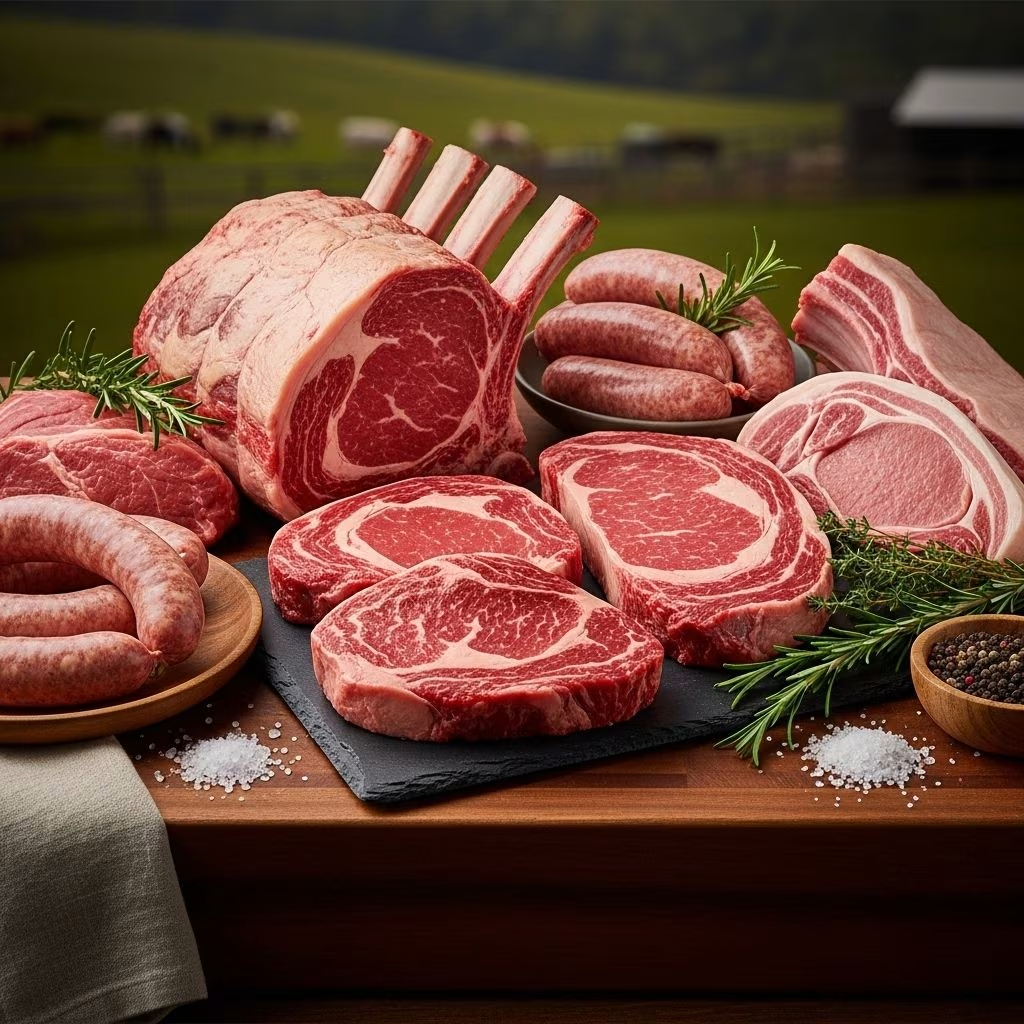
Enjoy Premium Meats Delivered from the Farm to Your Table
Imagine savoring restaurant-quality steak, heritage pork, or free-range chicken with the knowledge that each cut was responsibly sourced, expertly butchered, and delivered straight to your door. Farm-to-table meat delivery is emerging as a coveted way for food lovers and families to bring the best of the field and ranch directly to their kitchens. This article explores how this culinary trend—led by innovative companies—redefines how Americans buy and enjoy meat, focusing on quality, transparency, sustainability, and pure flavor.
The Evolution of Meat Delivery
The concept of direct-from-farm meat delivery is a response to rising consumer demand for transparency, personalization, and quality. Traditional supermarket meats often lack information about sourcing, animal welfare, and freshness. Today’s leading home butchers bridge this gap—connecting families with top-grade, hand-selected meats, often sourced from small, passionate farms and finished just before shipping. The experience is about more than just convenience; it’s about restoring the connection between consumers and the origin of their food.
What Sets Farm-to-Table Delivery Apart?
There are several key features that distinguish premium meat delivery services from traditional supermarket options:
- Source Transparency: Clear information about farm locations, animal breeds, feed, and farming methods.
- Ethical & Sustainable Practices: Focus on pasture-raised, grass-fed, hormone-free and antibiotic-free practices, supporting animal welfare and environmental sustainability.
- Superior Quality & Freshness: Meats are often processed and shipped just in time—some fresh, some flash-frozen—to ensure top-tier flavor and texture.
- Direct Relationships: Members typically support local or regional farms, helping preserve family agriculture and reduce supply chain waste.
- Customization & Variety: From curated boxes to à la carte options, customers select favorites and discover specialty cuts not usually found in stores.
How It Works: The Home Butcher Box Experience
Most farm-to-table meat delivery companies streamline the customer experience, making it simple to upgrade your plate:
- Choose your box size and type (curated or customized).
- Select the frequency—one-time, monthly, or on-demand.
- Enjoy contactless shipping in eco-friendly, insulated packaging, ensuring peak freshness and safety.
- Receive recipe ideas, storage instructions, and detailed info about each cut’s farm origin.
The Quality Difference: What to Expect
One bite of a grass-fed steak, heritage pork chop, or wild-caught seafood from a reputable delivery service makes the difference clear. Here’s what loyal customers and taste testers report:
- Exceptional Flavor: Natural diets and slow finishing impart richer, beefier, or more nuanced flavors.
- Superior Texture: Less water retention and attentive butchering mean tender, juicy results.
- Visual Appeal: Well-raised meats often exhibit deeper hues—think ruby-red beef or rich, marbled pork.
- Peace of Mind: Knowing animals lived well and farms received fair compensation adds ethical satisfaction to each meal.
Case Study: The Rise of Regional Home Butchers
Regional outfits like United Harvest exemplify this new breed of supplier. By working directly with a network of independent American ranchers, United Harvest promises “uncompromising standards,” limiting middlemen and consolidators commonly found in supermarket supply chains. Every animal—be it beef, lamb, or pork—is humanely raised, pasture-fed, and processed at peak freshness. The result: meats that rival boutique steakhouses, minus the markup, conveniently shipped to homes across the country.
Benefits of Farm-to-Table Meat Delivery
| Benefit | Description |
|---|---|
| Nutritional Integrity | Grass-fed and naturally raised meats offer higher Omega-3s, lower saturated fat, and no antibiotic residues. |
| Ethical Assurance | Humane raising and slaughter practices provide confidence for conscious consumers. |
| Freshness & Taste | Meat arrives at peak freshness, often within days of processing—no long stints in cold storage or retail cases. |
| Customization | Customize boxes by cut, animal, and portion size to match your cooking preferences and dietary needs. |
| Sustainability | Lower transportation miles, eco-friendly packaging, and local sourcing reduce environmental impact. |
Comparing Farm-to-Table Butcher Services
Here’s a snapshot comparison of top features found among leading meat delivery brands:
| Service | Source Type | Meat Selection | Packaging | Subscription Options | Unique Benefits |
|---|---|---|---|---|---|
| United Harvest | Small family farms, U.S. ranchers | Beef, pork, lamb | Eco thermal, ships flash-frozen | Single order or recurring | Hand-selected, premium cuts, ethical focus |
| Porter Road | Family farms (KY/TN) | Beef, pork, chicken, sausage | Biodegradable, mostly fresh | À la carte or subscription | Fresh (not frozen), hand-cut meats |
| Crowd Cow | Regenerative, ethical farms | Beef, pork, chicken, seafood, Wagyu | Compostable/recyclable | À la carte/recurring | Farm direct, wide variety, seafood |
| ButcherBox | US Small Farms | Beef, pork, chicken, seafood | Eco-insulated, frozen | Curated or custom box | No added hormones/antibiotics, wild seafood |
Why Home Delivery Is Changing How We Eat
The impact of premium meat delivery goes beyond taste and ethics—it is subtly changing our relationship to food in several meaningful ways:
- At-Home Fine Dining: With restaurant-quality ingredients, home cooks are empowered to elevate everyday meals.
- Food Education: Companies often include detailed notes on cut types, suggested cooking methods, and even culinary history, helping users appreciate their food origins.
- Reduced Waste: Right-sized portions, eco packaging, and local sourcing cut down on spoilage and transportation emissions.
- Convenience: Contactless shipping lets busy families enjoy fresh meat without leaving home, avoiding crowded supermarkets and long lines.
- Community Support: Buying direct helps preserve local agricultural jobs and heritage farming methods.
How to Choose the Right Meat Delivery Service
Here are factors to consider when selecting your ideal provider:
- Farm and Sourcing Transparency: Can you trace your steak to a specific ranch or farming collective?
- Product Offering: Are you seeking exotic cuts, specific proteins, or organic certification?
- Subscription Flexibility: Does the company offer one-time boxes, regular deliveries, or both?
- Packaging Sustainability: Is the insulation reusable or compostable? Is the carbon footprint minimized?
- Customer Service and Guarantees: Can you pause, change, or cancel easily? Are there satisfaction guarantees?
Cooking & Serving Tips for Delivered Meats
- Defrost Properly: Thaw in the refrigerator overnight to preserve optimal texture and flavor.
- Season Thoughtfully: Let natural flavors shine—use sea salt, cracked pepper, and a splash of olive oil or butter.
- Don’t Overcook: Premium grass-fed and heritage meats can be leaner—use a thermometer for best results.
- Rest After Cooking: Allowing meat to rest ensures juices redistribute for maximum succulence.
- Explore New Cuts: Try chef-inspired recipes and unfamiliar cuts for a broader culinary repertoire.
Frequently Asked Questions (FAQs)
Q: What makes farm-to-table meat different from grocery store meat?
A: Farm-to-table meat is typically sourced from smaller, independent farms practicing humane husbandry, sustainable feed, and careful butchering. Transparency about origin, no added hormones, and superior freshness set it apart from most mass-market meats.
Q: Are these meats always organic?
A: Not all farm-to-table meats are certified organic, but most emphasize natural feeds, non-GMO grains or grass diets, and minimal chemical intervention. Many deliver higher standards than conventional organic labels, especially in animal welfare.
Q: How is the meat shipped to comply with safety?
A: Reputable companies ship via insulated boxes with dry ice or gel packs. Meats arrive flash-frozen or fresh, with temperature guarantees and tracking to ensure safety from barn door to your doorstep.
Q: Is it more expensive than store-bought?
A: Per-pound prices are usually higher than grocery store commodity meats due to small-batch farming, fair wages, and premium breeds. However, many customers find the flavor, ethics, and customization are well worth the premium.
Q: What if I have dietary restrictions?
A: Many services accommodate special diets, offering grass-fed, heritage breed, pasture-raised, or even specialty selections for paleo, keto, or gluten-free eaters. Custom boxes let you select the right cuts for your needs.
Q: Can I cancel, pause, or skip meat delivery boxes?
A: Yes, leading services provide flexible subscriptions. You can switch delivery frequency, skip a box if you’re away, or cancel at any time without penalties.
Final Thoughts: The Future of Home Meat Sourcing
As Americans become more food-conscious, farm-to-table meat delivery stands out by connecting ethical farming with modern convenience. Whether you’re a home chef seeking flavor, a family mindful of health, or an advocate for sustainable agriculture, these innovative services offer an easy way to enjoy the best meat the land has to offer—without ever setting foot in a store.
Explore your options, savor the difference, and help cultivate a more transparent, sustainable, and delicious food future—one box at a time.
References
- https://www.goodhousekeeping.com/food-products/g32669091/best-meat-delivery-services/
- https://www.garagegymreviews.com/best-meat-subscription-boxes
- https://www.everydayeasyeats.com/best-sources-for-organic-meat-delivery/
- https://www.entrepreneur.com/living/get-farm-to-table-meat-delivered-to-your-door-for-a/368877