Garage Door Repair: Identify, Fix, and Prevent Common Issues
Garage doors are essential components of your home’s safety, accessibility, and curb appeal. When a garage door malfunctions, it can disrupt your routine and potentially compromise home security. This guide explores common garage door problems, DIY repair tips, professional solutions, and maintenance advice for long-lasting operation and peace of mind.
Why Garage Door Repair Matters
A functioning garage door ensures safety, energy efficiency, and property value. Minor issues, if neglected, can escalate into costly or hazardous failures. Understanding how your garage door operates and what to watch for gives you the power to address problems promptly.
Common Garage Door Problems and Diagnostics
- Springs Snapping or Losing Tension: Loud bangs or visible gaps in the spring.
- Opener Malfunctions: Unusual noises, door reverses direction, or won’t respond to remote.
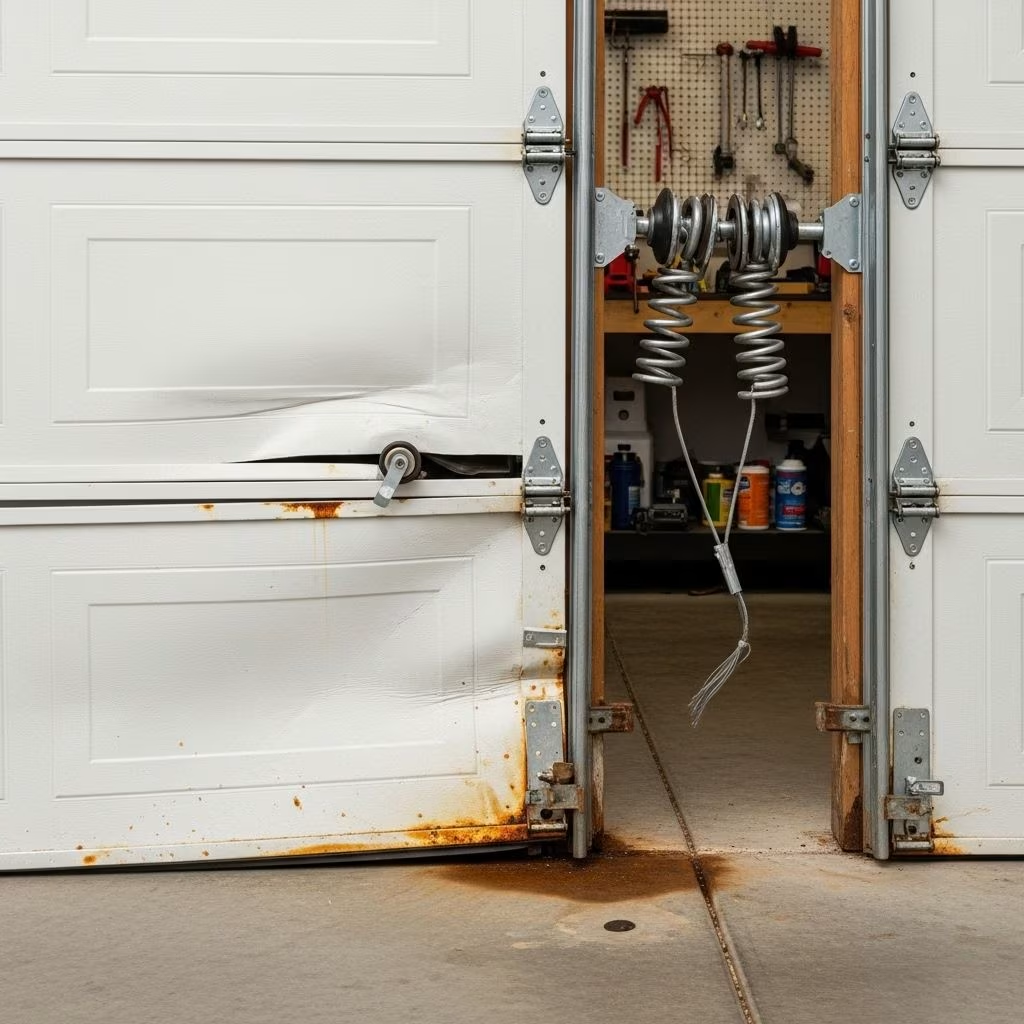
- Panel Damage: Dents, cracks, or warping can affect operation and insulation.
- Track Issues: Door wobbles, screeches, or derails.
- Cable Failures: Frayed or snapped cables leave the door uneven or immobile.
- Sensor Issues: Door doesn’t close properly, signals from safety sensors interrupted.
Problem Diagnostic Guide
| Symptom | Likely Cause | Repair Strategy |
|---|---|---|
| Door won’t open/close | Opener/sensor/cable failure | Check power, align sensors, inspect cables |
| Loud bang, door stuck | Broken spring | Replace spring (professional recommended) |
| Door moves unevenly | Misaligned track/cable issues | Adjust track, replace cables |
| Dented panel | Impact damage | Repair or replace panel |
| Scraping or squeaking | Lack of lubrication/track misalignment | Lubricate parts, realign track |
Spring Repair
The springs do the heavy lifting for your garage door, supporting its weight with controlled tension. When a spring breaks, it produces a loud bang and instantly renders your door inoperable or dangerous.
- Signs of Failure: Loud noise, visible gap in spring, difficulty moving door.
- Safety Warning: Spring replacement should be handled by professionals due to high tension risks.
- DIY Steps (for minor issues): Lubricate regularly to prevent rust; inspect for wear during seasonal maintenance.
Opener Repair
Your garage door opener is a crucial mechanism for remote operation. When it stops working, the culprit may be worn gears, faulty circuit boards, or power issues.
- Common Problems:
- Unusual noises from the motor.
- Door reverses or will not close fully.
- Remote signal not received.
- Repair Tips:
- Check for power supply issues.
- Replace remote batteries.
- Inspect wiring and gears.
- Recalibrate or replace the opener as needed.
Panel Repair
From stray balls to minor collisions, garage door panels are prone to damage. While surface scratches may be minor, deep dents and cracks can disrupt balance and energy efficiency.
- Minor Damage: Use a rubber mallet or block of wood for gentle repairs.
- Severe Damage: Panels may require professional repair or replacement, especially if multiple panels are compromised.
- Efficiency Note: Modern panels often improve insulation, benefiting your energy bills.
Track Repair
Garage door tracks must remain perfectly aligned to guide rollers smoothly. Misalignment can result in scraping noises, wobbling, or the door jumping off its tracks.
- Symptoms of Misalignment:
- Door moves unevenly or wobbles.
- Visible gaps between rollers and track.
- Screeching during operation.
- Repair Methods:
- Professionals use specialized tools for precise alignment.
- Minor adjustments can be attempted, but avoid forceful hammering to prevent structural damage.
- Regular track cleaning and lubrication reduce wear.
Cable Repair
Garage door cables work with springs to lift and lower doors evenly. A frayed or snapped cable leaves your door inoperable or unsafe to use.
- Warning Signs:
- Door hangs unevenly.
- Obvious visual damage to cables.
- DIY vs. Professional:
- Minor cable repositioning possible for experienced DIYers.
- Replacement best left to professional technicians due to tension risks.
Sensor Repair
Garage door safety sensors prevent accidental closure and enhance security. If damaged or misaligned, the door won’t close properly and may reverse direction.
- Fixes:
- Realign sensors to parallel positions.
- Clean lenses to remove dust and debris.
- Check wiring connections.
Minor vs. Major Garage Door Repairs
- Minor Repairs:
- Lubricating moving parts.
- Adjusting tracks.
- Replacing remote batteries.
- Major Repairs:
- Replacing springs or cables.
- Repairing significant panel or opener damage.
- Dealing with severe track misalignment.
- Recommendation: Attempt minor fixes if you’re comfortable; call professionals for major repairs.
Preventive Maintenance Tips
- Schedule a full inspection twice a year.
- Lubricate hinges, rollers, and tracks every 6 months.
- Tighten hardware with a wrench; loose bolts are common sources of noise and misalignment.
- Check weather stripping for wear to maintain insulation.
- Test the safety reverse mechanism monthly by placing a block under the door.
When Should You Call a Professional?
- If the door is stuck and heavy to move, indicating spring or cable issues.
- If panels are severely damaged or multiple are compromised.
- If electrical components (openers, wiring) are malfunctioning.
- Whenever safety is a concern—especially with tensioned springs and cables.
Professionals have specialized tools and training for the most hazardous or technical tasks, ensuring safe and reliable repair.
Frequently Asked Questions (FAQs)
-
Can I fix a bent garage door myself?
Minor dents and bends can often be repaired with tools like a rubber mallet, but significant damage should be evaluated by professionals for full panel replacement or major structural repairs.
-
How often should I lubricate garage door components?
Lubrication every 6 months is recommended for hinges, rollers, and tracks to ensure smooth operation.
-
Why does my garage door reverse before closing?
This is often due to safety sensor misalignment or obstruction. Check and realign sensors, and remove debris from their lenses.
-
Is it safe to replace a garage door spring myself?
No. Springs are under dangerous tension and should only be replaced by trained professionals.
Garage Door Repair Pro Tips
- Document symptoms and issues before troubleshooting; this aids communication with professionals if needed.
- Keep a maintenance log to track repairs and performance over time.
- Don’t ignore unusual noises—they often precede breakdowns.
- Choose energy-efficient panels if replacement is necessary for better insulation and savings.
Importance of Regularly Maintaining Garage Doors
Garage doors cycle thousands of times each year, enduring extensive wear. Small investments in maintenance and prompt minor repairs can stave off expensive breakdowns and keep your home safe, accessible, and efficient. Whether you DIY or call a pro, proactive attention is key to garage door longevity.
References
- https://www.clopaydoor.com/blog/post/blog/2025/01/31/common-garage-door-repairs-what-you-need-to-know
- https://www.safetygaragedoor.com/blog/how-to-repair-a-garage-door
- https://www.youtube.com/watch?v=xOXO01rdZ5c
- https://firstlinegarage.com/garage-door-repair-made-simple-20-causes-for-opening-and-closing-failures/
- https://www.webfx.com/blog/home-services/garage-door-statistics/
- https://www.youtube.com/watch?v=bgX44RvDw-U
- https://www.clopaydoor.com/blog/post/blog/2024/05/01/report-names-garage-door-replacement-an-affordable-home-project–that-doubles-returns-at-resale