Unveiling the Art of Japanese Knife Craftsmanship
When it comes to elevating the quality of your meals at home, the tools you use can make all the difference. Among kitchen essentials, few items have the transformative power of a genuine handmade Japanese knife set. Crafted with centuries-old techniques, these knives are celebrated for their superior performance, resistance to wear, and exquisite beauty.
Whether you’re an aspiring home chef or simply love preparing fresh, vibrant meals, investing in a Japanese knife set means unlocking a world of culinary precision and efficiency. This guide explores why handmade Japanese knives deserve a place in every kitchen, examining their construction, advantages, varieties, care, and value.
The Unmatched Craftsmanship of Japanese Knives
The story of Japanese knives is one of heritage and meticulous artistry. Passed down through generations, master bladesmiths infuse each blade with a blend of tradition and innovation. The process starts with high-quality steel, often high-carbon varieties such as VG-10 or blue steel, acclaimed for their hardness and edge retention.
- Hand-forging Techniques: Japanese artisans heat steel to precise temperatures, repeatedly hammering and folding it to align the grain structure, refine its hardness, and remove any impurities.
- Tempering for Balance: Expert tempering ensures the blade achieves an ideal equilibrium between flexibility and longevity—hard enough for a razor edge, yet resilient against daily wear.
- Unique Finishes: The final steps involve painstaking grinding, polishing, and fitting of custom handles made from fine woods or horn, giving each piece unique tactile and aesthetic character.
- Legacy and Innovation: Many Japanese bladesmiths use techniques developed by legendary sword makers, blending them with modern metallurgy for unmatched results.
Each handmade knife isn’t just a tool – it’s a functional work of art, reflecting the philosophy that form, function, and beauty should be utterly intertwined in daily life.
What Makes Japanese Knives Exceptional?
Professional chefs across the globe seek out Japanese knives for their distinctive qualities. Here are the features that set them apart from ordinary kitchen tools:
| Feature | Japanese Knives | Typical Western Knives |
|---|---|---|
| Steel Hardness | 61–67 HRC; ultra-hard, long-lasting edge | 56–58 HRC; generally softer, needs frequent sharpening |
| Blade Thickness | Thin, precise, lightweight | Thicker, heavier, sometimes less precise |
| Sharpness | Extreme; single or double bevel, exceptional for delicate cuts | Double bevel, sharp but suffers edge loss faster |
| Handle Design | Forward-weighted, ergonomic, allows natural pinch grip | Full tang, heavier handle, sometimes less nimble |
| Balance | Designed as a natural extension of the hand | Function-focused, may be heavier in the handle |
| Heritage | Rooted in samurai sword-making traditions | Mainly based on industrial production methods |
- The razor-sharp edge and thin blade of Japanese knives allow for clean, precise slicing with minimal force—preserving the texture and freshness of delicate ingredients.
- The lightweight build and superior balance help reduce hand fatigue, enabling longer prep sessions without strain.
- Artisanal construction ensures every knife is unique, serving as a collectible piece valued for both utility and aesthetics.
Performance Benefits in Everyday Cooking
Switching to a handmade Japanese knife set can profoundly change your kitchen routine. Here’s how:
- Faster Prep: Ultra-sharp blades cut vegetables, meat, and herbs with a single stroke, reducing prep time by up to 40% compared to conventional knives.
- Cleaner Cuts: The high precision and sharpness minimize damage to cell walls, leading to fresher, longer-lasting ingredients and better texture in your dishes.
- Reduced Waste: You get perfectly uniform slices, resulting in less discarded or uneven food—important for professional presentation and flavor consistency.
- Versatile Use: From sushi and sashimi to Western roasts and everyday vegetables, the various blade types within a set cover every major kitchen task.
- Ergonomic Comfort: The thoughtful design ensures each knife remains comfortable to hold over extended periods, even for users with smaller hands.
Types of Knives Found in a Japanese Set
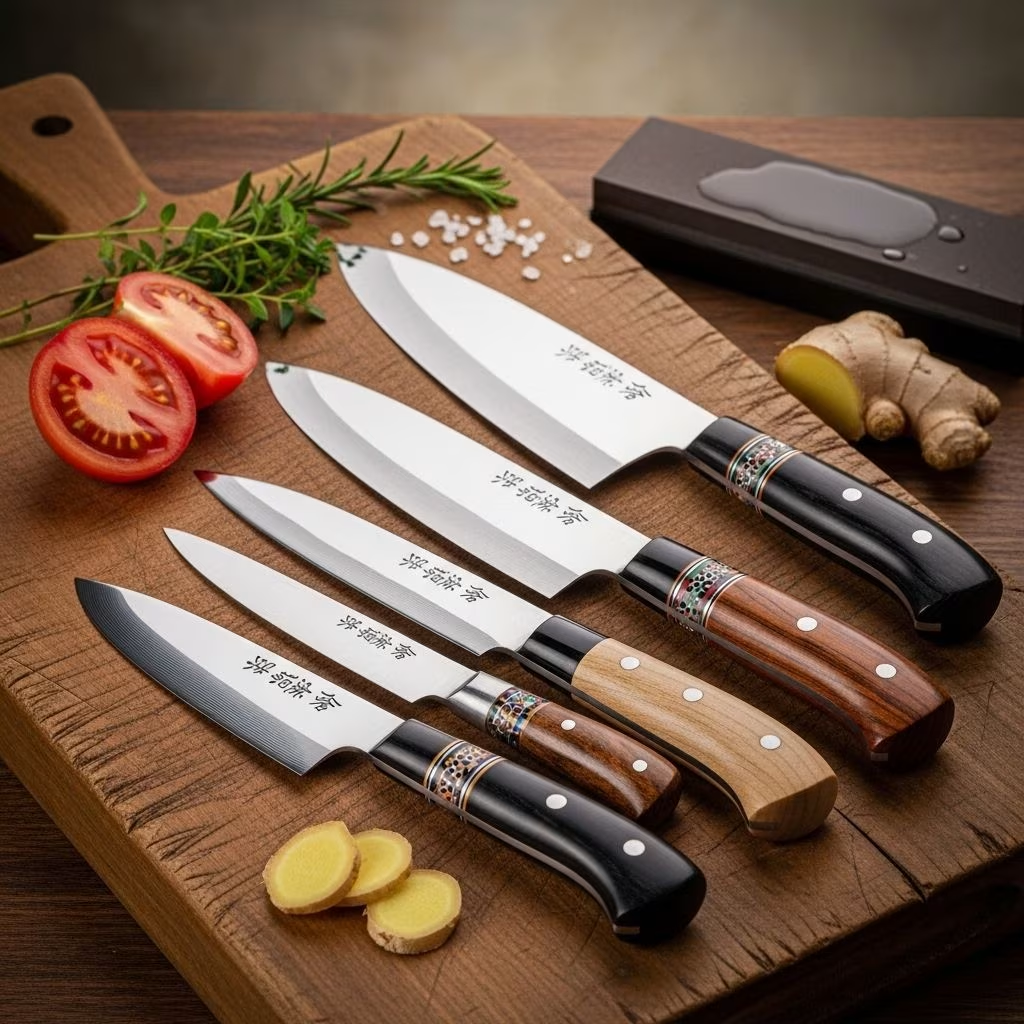
A well-curated Japanese knife set typically includes several essential blade shapes, each refined for specific culinary roles. Here’s what you might find:
- Gyuto (Chef’s Knife): The Japanese all-purpose blade, perfect for slicing, dicing, and mincing meats and vegetables.
Typical Size: 180–240mm. - Santoku: A multipurpose knife slightly shorter and thinner than the Gyuto, ideal for precise vegetable and protein prep.
- Nakiri: Features a rectangular blade, optimized for chopping, slicing, and dicing vegetables with a rocking motion.
- Petty: The Japanese version of a paring knife, useful for small, detailed tasks like peeling and garnishing.
- Sujihiki: A long, narrow slicing knife, perfect for cutting through fish or meat in long, even strokes—especially well-suited for sashimi and roast carving.
- Deba: A thick, heavy-bladed knife, traditionally used for breaking down and filleting fish, but also adaptable to poultry and meat with bones.
Hand-Forged Knives vs. Mass-produced Alternatives
So why opt for a handmade set over cheaper, machine-made knives?
- Edge Retention: Hand-forged knives hold their edge dramatically longer due to the expert alignment of steel grains and higher-quality alloys used.
- Enhanced Durability: Custom forging and careful tempering make the blade resilient to chipping and damage, even when used intensively.
- Personal Touch: Artisans imbue each knife with unique visual details—no two blades are exactly alike. Handles are crafted from select woods and horns for distinctiveness and grip.
- Optimal Balance: The ergonomic, forward-weighted design enhances control, safety, and comfort.
- Aesthetics: Hand-forged Japanese knives often display beautiful Damascus patterns, hammer marks, or polished finishes, making them a centerpiece of any kitchen collection.
Choosing the Right Set: Things to Consider
For novices and experienced home cooks alike, selecting the best Japanese knife set involves consideration of several factors:
- Steel Type: Look for sets forged with high-carbon steel for unmatched edge retention and hardness.
- Bevel and Sharpness: Japanese knives may have a single or double bevel. Single bevels allow unmatched precision in slicing, but double bevels provide versatility for various cuisines.
- Handle Material: Traditional wa handles are made from lightweight woods, providing easy grip and reduced fatigue. Modern options may include resin or composite materials.
- Blade Profiles: Select a set with a variety of blade shapes to cover all prep tasks—from filleting and slicing to fine dicing and peeling.
- Authenticity: True handmade Japanese knives come from reputable knifemakers or brands with a heritage link to traditional sword-smithing towns such as Seki City or Sakai.
How a Quality Knife Set Boosts Your Cooking Experience
The moment you switch to a professionally crafted Japanese knife, you’ll notice immediate advantages in both the preparation process and final results:
- Enhanced Control: The lightweight, finely balanced construction lets you work with greater speed and precision.
- Less Effort: Even tough ingredients can be handled with minimal force, preserving your energy and reducing wrist strain.
- Professional Presentation: Clean, uniform slices heighten your food’s appearance and help ingredients cook evenly.
- Long-lasting Investment: With the right care, a handmade Japanese knife set will offer decades of reliable service—often growing more beautiful with age.
- Culinary Confidence: Whether prepping a weeknight dinner or entertaining guests, the right tools empower you to tackle any recipe with skill and assurance.
Tips for Maintaining Your Japanese Knife Set
To maximize the value and performance of your investment, proper care is essential:
- Hand Wash Only: Machine dishwashers can quickly dull or even damage fine edges. Always rinse and dry knives by hand immediately after use.
- Store Safely: Use a soft blade guard, magnetic strip, or dedicated knife block to protect edges from nicks and protect against accidents.
- Regular Honing: Maintain a razor edge with a ceramic or fine-grit honing rod. Sharpen on a whetstone when performance dulls—avoid pull-through sharpeners for these delicate blades.
- Avoid Hard Surfaces: Cut only on wood or soft plastic boards; glass or ceramics may chip even the hardest steel.
- Oil Carbon Steel: High-carbon blades may require occasional oiling to prevent surface oxidation, especially in humid environments.
Why Japanese Knife Sets Are a Smart Investment
Handmade Japanese knives are not just tools—they’re lifelong companions that elevate skills and joy in the kitchen. Here’s why investing in a high-quality set is especially worthwhile:
- Value Over Time: Superior materials, precision craftsmanship, and edge retention ensure long-term savings, as you avoid constantly replacing dull or damaged blades.
- Functional Luxury: The artistry of a handmade blade adds beauty and status to your kitchen while being fully practical for everyday use.
- Gift-Ready Appeal: These sets make exceptional gifts for birthdays, weddings, holidays, or graduation—a present that’s cherished for decades.
- Culinary Transformation: Enjoy better results on every plate, whether you’re making sashimi, steak, or vegetarian fare.
- Cultural Connection: Owning and using a Japanese knife bridges you to a centuries-old culinary tradition still respected and practiced worldwide today.
Frequently Asked Questions About Japanese Knives
Q: What’s the difference between single and double bevel Japanese knives?
Single-bevel blades are sharpened on only one side, allowing for precise, ultra-clean cuts ideal for sashimi or specialized vegetable work. Double-bevel knives (like most Western knives) offer more versatility and easier maintenance for general cooking tasks.
Q: Are Japanese knives suitable for beginners?
Yes. While they’re precision tools, many modern sets are designed with comfort and safety in mind, making them a great upgrade for any home cook interested in sharpening their skills and efficiency.
Q: What’s the best way to sharpen Japanese knives?
For most Japanese knives, use a water whetstone for sharpening to maintain the delicate, precise edge. Honing with steel is best reserved for Western knives, as the harder Japanese steel can chip if honed incorrectly.
Q: Can I use Japanese knives for bone or frozen foods?
You should avoid using thin, hard-bladed Japanese knives on bone or frozen items, as this can chip or damage the edge. Use dedicated heavy-duty knives like the Deba for fish bones, or Western cleavers for tough materials.
Q: How do handmade Japanese knives differ from factory-made knives?
Handmade knives are forged, shaped, and finished by artisans, resulting in enhanced sharpness, strength, durability, and unique beauty—each is truly one of a kind. Mass-produced knives lack this tailored attention and often suffer in precision and longevity.
Final Thoughts: The Legacy of a Timeless Kitchen Tool
Owning a handmade Japanese knife set is not just about performance—it’s about investing in a tool that deepens your enjoyment of cooking, appreciation for culinary traditions, and passion for mastery. Whether you want to speed up prep work, plate dishes with more finesse, or simply savor the tactile joy of a perfectly balanced blade, these knives offer a daily upgrade worth savoring for years to come.
References
- https://yakushiknives.com/blogs/yakushi-blog-all-thing-knives/10-benefits-of-owning-a-japanese-knife-for-your-kitchen
- https://www.chuboknives.com/blogs/news/the-advantages-of-hand-forged-knives
- https://hasuseizo.com/blogs/japanese-kitchen-knives/10-reasons-to-buy-japanese-knife
- https://howtocuisine.com/blogs/news/a-complete-guide-to-japanese-knives
- https://www.chefs-edge.com/blogs/knife-information
- https://knifewear.com/en-us/blogs/articles/chef-s-knives-for-chefs
- https://dreamofjapan.com/blogs/japanese-knife-stories/eight-types-of-japanese-knives-and-how-to-use-them