How to Clean a Bird Bath: Step-by-Step for a Hygienic Backyard
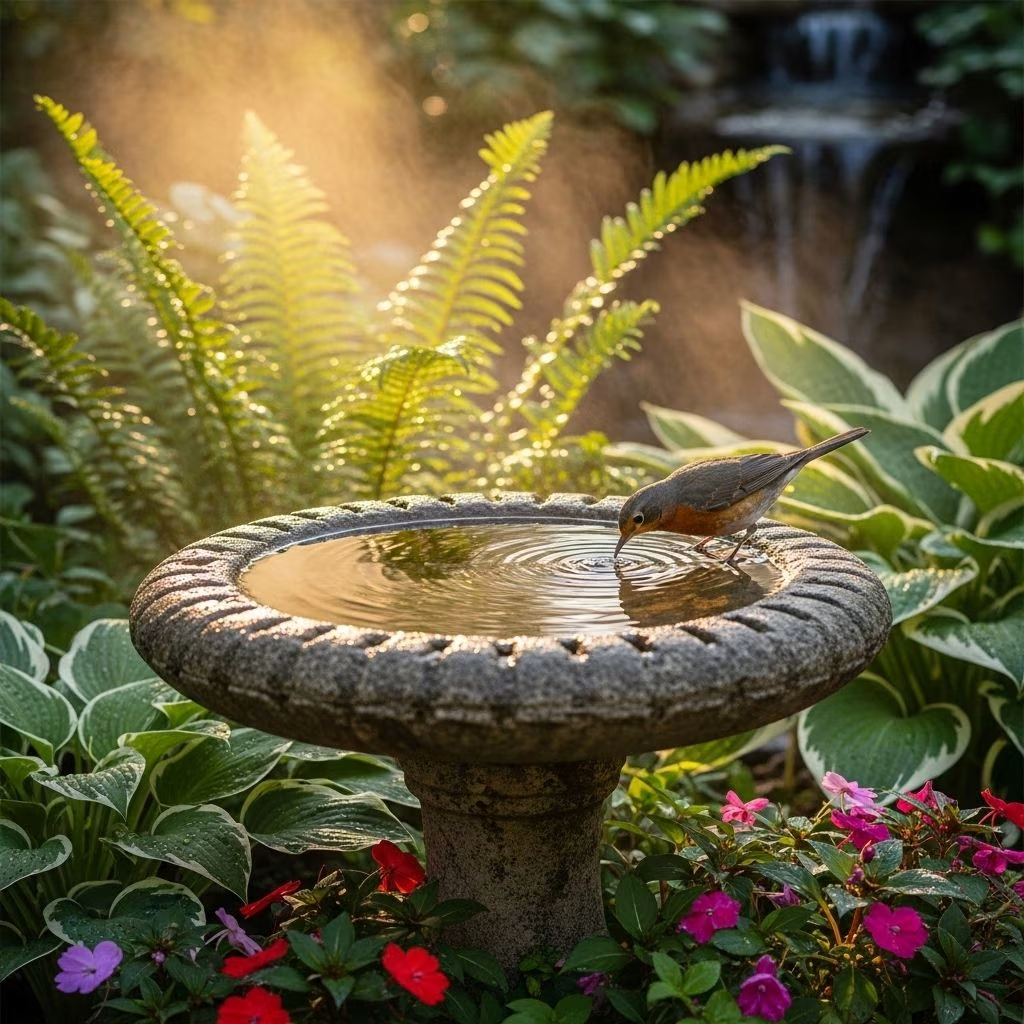
Bird baths are beloved additions to any garden, drawing in a variety of beautiful feathered visitors for bathing and drinking. However, keeping your bird bath clean is crucial not only for aesthetic reasons but for the health of the birds themselves. Dirty water harbors harmful bacteria and algae that can sicken or even kill birds. Below, discover comprehensive information and expert tips for cleaning your bird bath thoroughly, choosing the right solutions, and maintaining a welcoming space for songbirds all year long.
Why Regular Cleaning of Your Bird Bath Matters
A bird bath that isn’t cleaned regularly can quickly become a breeding ground for algae, bacteria, and diseases that threaten the well-being of your backyard birds. Feces, feathers, seed hulls, and leaves can accumulate, deteriorating water quality and ruining the beauty of your garden oasis. Birds are also more likely to revisit and rely on clean, safe water sources, rewarding your efforts with vibrant activity and song.
- Promotes bird health by reducing disease risk
- Prevents algae buildup for more attractive water
- Encourages birds to return by offering clean water
How Often Should You Clean a Bird Bath?
The frequency of cleaning depends on various factors, including the season, bird traffic, and surrounding environment. In general:
- Weekly: Clean your bird bath at least once a week under normal conditions.
- Every few days in summer: Warm weather accelerates algae growth and evaporation, demanding more frequent cleaning.
- Immediately if water appears dirty: If you notice buildup, debris, or cloudiness, it’s time for a full refresh.
- Monitor for high traffic: If many birds visit daily, you may need to clean more often.
What Supplies Will You Need?
- Stiff scrub brush (dedicated to bird bath use only)
- Rubber gloves to protect your hands
- Buckets for rinsing and mixing solutions
- Garden hose or large container for thorough rinsing
- Cleaning agents: distilled white vinegar, hydrogen peroxide, or baking soda
- Optional: Bleach (use with caution), soft cloths for drying
Step-by-Step: Cleaning Your Bird Bath
Keep your feathered friends healthy by following these core steps for a sparkling bird bath:
- Empty the Basin: Dump out old, dirty water away from garden beds or edible plants. If possible, remove the basin from its stand for easier handling.
- Remove Debris: Use your gloved hands or a soft cloth to remove loose leaves, feathers, and dirt.
- Scrub the Surface: With your stiff brush, vigorously scrub all surfaces, paying special attention to crevices and corners where algae accumulates.
- Apply a Cleaning Solution:
- Vinegar Solution: Mix a solution of 1 part distilled white vinegar to 9 parts water. Pour into the basin, let it sit for 10–15 minutes to break down mineral deposits, then scrub.
- Hydrogen Peroxide: Combine equal parts hydrogen peroxide and water. Soak the basin and scrub well, avoiding skin contact.
- Baking Soda: Sprinkle baking soda over stubborn stains, scrub, then rinse thoroughly.
- Bleach (With Caution): For deep cleaning, use 1 part unscented household bleach to 9 parts water, soak for 10 minutes, then rinse repeatedly until all traces and odor are gone.
Types of Bird Baths and Special Considerations
| Material | Cleaning Tips |
|---|---|
| Concrete/Stone | Sturdy; may require extra scrubbing for porous surfaces. Use vinegar or hydrogen peroxide for best results. |
| Ceramic | Glazed surfaces clean up easily with any recommended solution, but check for cracks or chips. |
| Plastic/Resin | Smooth and lightweight, these are easiest to handle. Use non-abrasive brushes to avoid scratching. |
| Metal/Copper | Some metals (especially copper) resist algae. If needed, clean with gentle solutions and rinse well. |
How to Keep Bird Bath Water Clean Longer
Maintaining pristine water goes beyond frequent cleaning. Consider these techniques:
- Position in Shade: Algae grows fastest in sunlight. Place your bath in partial shade to slow growth.
- Add a Moving Water Feature: Agitators, drippers, or small fountains discourage mosquito larvae and algae.
- Change Water Regularly: Even between cleanings, replace with fresh water every 2–3 days.
- Use Copper: A few copper pennies placed in the basin can help limit algae due to copper’s natural biostatic properties.
Note: Only use pre-1982 pennies for higher copper content. - Remove Debris Daily: Skim out fallen leaves, bird seed, and other debris whenever you pass by.
Safe Cleaning Solutions for Birds
Certain household products can be safely used if handled and rinsed properly. Here are commonly recommended options:
- White Vinegar: Effective, non-toxic, and safe when rinsed thoroughly.
- Hydrogen Peroxide: Breaks down quickly and poses little residual risk once rinsed.
- Baking Soda: Excellent for scrubbing; rinse very well to avoid residue.
- Bleach: Only in diluted form for rare, deep cleans—always follow with extensive rinsing and sun drying.
Never use harsh chemical cleaners, scented soaps, or anything not safe for wildlife.
Preventing Algae and Stains
Algae is the most common issue in bird baths, especially in summer.
- Keep the bath shaded when possible.
- Use copper accents or pennies to limit algae naturally.
- Refill with fresh water frequently, especially after heavy use or rainstorms.
- If persistent stains develop, scrub with vinegar or use a dilute peroxide rinse.
Year-Round Bird Bath Maintenance
Maintain vigilance throughout the seasons with these year-round strategies:
- Spring/Summer: Increase the frequency of cleanings as birds flock to water. Watch for algae and mosquito larvae.
- Autumn: Regularly remove fallen leaves to prevent clogging and staining.
- Winter: In climates where water freezes, use a birdbath heater or empty between freezes to prevent cracks. Clean as needed.
Expert Tips for a Healthier Bird-Friendly Garden
- Place bird feeders away from baths to minimize seed debris in the water.
- Sweep or rake underneath baths frequently to remove droppings and spilled seed.
- Keep a dedicated brush and gloves for your bird bath—do not use these for any other cleaning to prevent cross-contamination.
- After using any cleaning solution, verify the bath is scent-free and residue-free before refilling.
Common Mistakes to Avoid
- Using scented soaps or commercial cleaners—these can leave residues fatal to birds.
- Neglecting rinsing—always rinse thoroughly after any cleaning agent.
- Allowing water to stagnate—replace water regularly to prevent mosquitoes and bacteria.
- Forgetting seasonal adjustments—adapt your routine as needed for temperature and bird traffic.
Frequently Asked Questions
Q: Can I use bleach to clean my bird bath?
A: Yes, but only as a last resort for deep cleaning or severe algae buildup. Always use a diluted solution (1 part bleach to 9 parts water), soak for no more than 10 minutes, and rinse thoroughly—at least 3–4 times. Ensure there is no residual bleach smell before refilling the bird bath. Letting the bath dry in the sun after rinsing provides an extra safety step.
Q: How do I keep my bird bath from turning green?
A: Algae causes the water and basin to turn green. Reduce sunlight exposure, add moving water features or copper pennies, change water often, and clean with vinegar or peroxide to control algae growth.
Q: Are there safe commercial bird bath cleaners?
A: There are a few bird-safe cleaners marketed specifically for bird baths, but many household solutions like vinegar and hydrogen peroxide are just as effective and more affordable when used correctly.
Q: Can I use a power washer on my bird bath?
A: Power washers are generally not recommended, especially on delicate materials like ceramic or resin, as they can damage the surface. Use a stiff hand brush for best results.
Q: What should I do if mosquitoes are breeding in my bird bath?
A: Change the water every day or install a dripper or agitator to keep water moving; mosquitoes require stagnant water to lay eggs and develop.
Q: Should I add chemicals to prevent algae?
A: Avoid chemical algaecides, which can harm birds and wildlife. Stick to safe physical and natural prevention methods, such as frequent cleaning and adding copper.
Summary: Enjoy a Clean Bird Bath Year-Round
With just a little routine care, your bird bath can remain an inviting, healthy spot that brings joy to you and vitality to your backyard birds season after season. Regular cleaning, safe disinfecting, and smart water management are all you need to keep the birds happy and your garden gorgeous!